Category: Shopping

  • The Grand Bazaar, Istanbul: A Historic Shopping Paradise and One of the World’s Oldest Covered Markets

    The Grand Bazaar, Istanbul: A Historic Shopping Paradise and One of the World’s Oldest Covered Markets

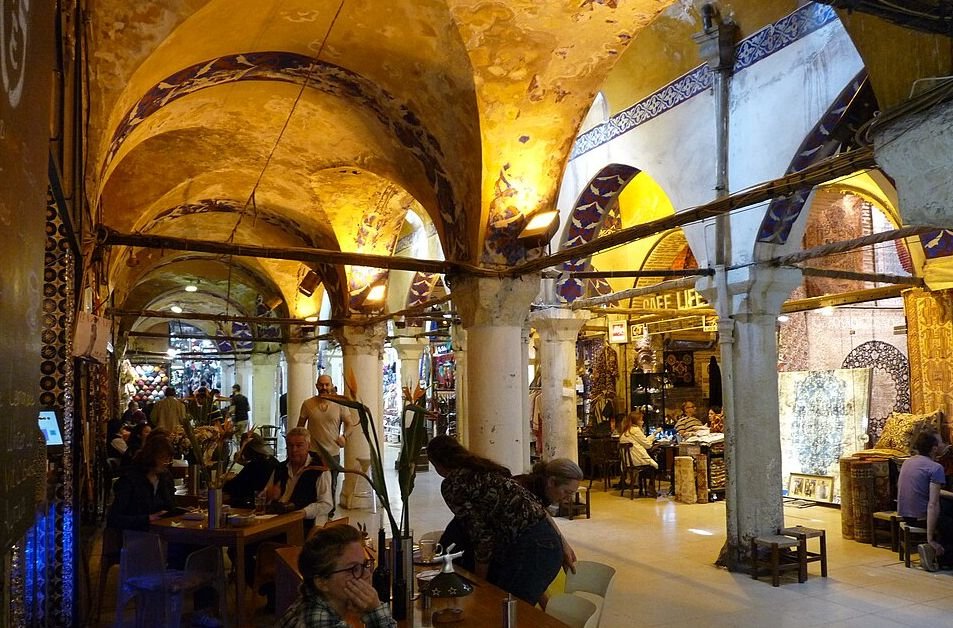
    The Grand Bazaar (Kapalıçarşı) in Istanbul is one of the largest and oldest covered markets in the world and one of the city’s most iconic cultural attractions. Located in the historic Beyazıt district of Istanbul’s Old City, this extraordinary marketplace has been at the heart of trade and commerce for centuries.

    More than just a shopping destination, the Grand Bazaar is a living symbol of Istanbul’s rich history, where traditional craftsmanship, Ottoman heritage, and modern tourism come together. With thousands of shops, winding streets, historic gates, and vibrant colors, exploring the bazaar feels like stepping into another era.

    History of the Grand Bazaar

    The origins of the Grand Bazaar date back to the 15th century, shortly after the Ottoman conquest of Constantinople in 1453. Sultan Mehmed II (Mehmed the Conqueror) ordered the construction of a marketplace to encourage trade and strengthen the economic life of the newly established Ottoman capital.

    Over the centuries, the bazaar expanded with the addition of new streets, shops, workshops, and commercial buildings. It became one of the most important trading centers of the Ottoman Empire, attracting merchants from across Europe, Asia, and the Middle East.

    The market has survived earthquakes, fires, and centuries of change while preserving its unique atmosphere and traditional character.

    Architecture and Layout

    The Grand Bazaar is a remarkable example of historic Ottoman commercial architecture. Its vast interior resembles a small city, with a network of:

    • Around 4,000 shops
    • More than 60 streets and lanes
    • Numerous courtyards
    • Historic fountains
    • Warehouses and workshops
    • Several monumental entrance gates

    The covered streets create a fascinating maze where visitors can wander among colorful displays, traditional shops, and centuries-old trading areas.

    Its layout reflects the organization of Ottoman markets, where different crafts and products were traditionally grouped together in specific sections.

    Shopping at the Grand Bazaar

    The Grand Bazaar offers an incredible variety of goods, making it one of the best places in Istanbul for shopping and discovering Turkish handicrafts.

    Popular products include:

    Turkish Carpets and Rugs

    The bazaar is famous for handmade Turkish carpets featuring traditional designs, intricate patterns, and centuries-old weaving techniques.

    Jewelry and Gold

    The Grand Bazaar has long been a center for gold and jewelry trading. Visitors can find:

    • Gold jewelry
    • Silver ornaments
    • Traditional Ottoman-style designs
    • Handmade accessories

    Leather Goods

    Turkey is known for quality leather production, and many shops in the bazaar sell:

    • Leather jackets
    • Bags
    • Wallets
    • Handmade accessories

    Ceramics and Decorative Arts

    Colorful Turkish ceramics, especially those inspired by Ottoman designs, are among the most popular souvenirs.

    Spices, Textiles, and Souvenirs

    Visitors can also find:

    • Silk scarves
    • Traditional clothing
    • Antiques
    • Hand-painted objects
    • Turkish delight
    • Decorative items
    • Gifts and souvenirs

    The Grand Bazaar Experience

    A visit to the Grand Bazaar is about more than shopping. The atmosphere itself is the main attraction. The sounds of merchants, the scent of spices and leather, the traditional architecture, and the friendly conversations between shopkeepers and visitors create a unique Istanbul experience.

    Many shopkeepers offer Turkish tea while visitors browse their products, continuing a tradition of hospitality that has existed for generations.

    Bargaining is also part of the shopping culture, especially when purchasing carpets, textiles, antiques, and handmade goods. Negotiating prices can be an enjoyable part of the experience.

    Best Time to Visit

    The Grand Bazaar is open throughout the year, but the best times to visit are usually:

    • Morning hours: Less crowded and ideal for exploring peacefully
    • Spring and autumn: Comfortable weather for walking around Istanbul’s historic areas

    Weekends and peak tourist seasons can be very busy, especially during the summer months.

    How to Get to the Grand Bazaar

    The Grand Bazaar is located in central Istanbul and is easily accessible by public transportation.

    Visitors can reach it by:

    • Tram: The Beyazıt–Kapalıçarşı tram stop is the closest stop.
    • Walking: It is within walking distance of major historic attractions such as Sultanahmet Square, Hagia Sophia, and the Blue Mosque.
    • Taxi: Taxis are available from all parts of Istanbul.

    Nearby Attractions

    The Grand Bazaar is surrounded by many important historical landmarks, including:

    • Sultanahmet Square
    • Hagia Sophia
    • Blue Mosque
    • Topkapı Palace
    • Basilica Cistern
    • Spice Bazaar
    • Süleymaniye Mosque

    A visit to the Grand Bazaar can easily be combined with a full day exploring Istanbul’s historic peninsula.

    Travel Tips

    • Take time to explore beyond the main streets; many hidden shops are located in smaller lanes.
    • Compare prices before making purchases.
    • Bargaining is expected in many shops but should be done politely.
    • Be careful when buying expensive items such as carpets, jewelry, and antiques.
    • Wear comfortable shoes because the bazaar is large and requires a lot of walking.
    • Keep personal belongings secure in crowded areas.

    The Grand Bazaar Istanbul is much more than a marketplace—it is a cultural landmark that represents centuries of Turkish history, craftsmanship, and trade. With its thousands of shops, historic architecture, and unforgettable atmosphere, Kapalıçarşı remains one of Istanbul’s most fascinating destinations.

    Whether searching for traditional handicrafts, enjoying Turkish hospitality, or simply exploring one of the world’s greatest historic markets, a visit to the Grand Bazaar is an essential Istanbul experience.

  • Bargaining in Turkiye: A Guide to Shopping Like a Local

    Bargaining is a long-standing tradition in Turkey and remains an enjoyable part of the shopping experience in many places. Rather than being viewed as a confrontation, negotiating a price is often considered a friendly conversation between buyer and seller. For many visitors, bargaining becomes one of the most memorable aspects of shopping in Turkey.

    Knowing when—and how—to negotiate can help you secure a fair price while respecting local customs.

    Where Bargaining Is Common

    Negotiating prices is generally expected in:

    • Traditional bazaars and covered markets
    • Souvenir shops
    • Carpet and kilim stores
    • Leather goods shops
    • Jewelry stores
    • Antique and handicraft shops
    • Art galleries
    • Some independent boutiques
    • Certain private tour and excursion operators

    In these places, the first price offered is often considered an opening offer rather than the final selling price.

    Where Prices Are Fixed

    Bargaining is generally not appropriate in:

    • Shopping malls
    • Department stores
    • Supermarkets
    • Pharmacies
    • Chain retail stores
    • Restaurants and cafés
    • Hotels
    • Museums and attractions with official admission fees

    Prices in these establishments are fixed and the staff are usually unable to negotiate.

    How to Bargain Politely

    Successful bargaining is based on friendliness and mutual respect. A smile and a relaxed attitude will usually lead to a much more enjoyable experience.

    Some useful tips include:

    • Ask the price before showing too much interest.
    • Make a reasonable counteroffer rather than an unrealistically low one.
    • Negotiate calmly and respectfully.
    • Be prepared to meet somewhere between your offer and the seller’s asking price.
    • If you cannot agree on a price, simply thank the seller and continue browsing.

    Often, a shopkeeper may invite you back or suggest a better price after you begin to leave. This is a common part of the bargaining process, but there is no guarantee that it will happen every time.

    How Much Can You Save?

    The amount you can negotiate depends on the product, the location, and the season.

    In many traditional markets, discounts of approximately 10% to 30% are common, while larger reductions may occasionally be possible for high-value items such as carpets, furniture, or jewelry. During quieter tourist seasons, sellers may also be more flexible.

    The goal is to reach a price that both the buyer and seller consider fair.

    Enjoy the Experience

    For many Turkish shopkeepers, bargaining is as much about conversation as it is about business. You may be offered a glass of Turkish tea or coffee while discussing a purchase, especially in carpet, jewelry, or antique shops. These moments provide an opportunity to learn more about Turkish hospitality and local traditions.

    Even if you decide not to buy anything, a polite conversation is usually appreciated.

    Shopping Tips for Visitors

    • Compare prices between several shops before making expensive purchases.
    • Ask whether the price includes taxes or delivery, especially for larger items.
    • Keep your receipts for warranty purposes or possible VAT refund claims.
    • Pay attention to the quality and authenticity of handmade products.
    • When purchasing antiques or cultural artifacts, ensure they may legally be exported from Turkey.

    A Memorable Part of Turkish Culture

    Bargaining remains one of Turkey’s most distinctive shopping traditions. Whether you are exploring the historic Grand Bazaar in Istanbul, browsing local markets along the Aegean coast, or visiting artisan workshops in Cappadocia, negotiating a price can be an enjoyable cultural experience. When approached with courtesy, patience, and good humor, bargaining often leaves both buyer and seller satisfied—and may even lead to a friendly conversation you’ll remember long after your trip.

  • Shopping in Istanbul: A Paradise for Every Taste and Budget

    From centuries-old bazaars filled with exotic aromas to elegant designer boutiques and modern shopping malls, Istanbul offers one of the world’s most diverse shopping experiences. Whether you’re searching for handcrafted souvenirs, Turkish delicacies, luxury fashion, or contemporary brands, the city has something to suit every style and budget.

    Explore the Historic Bazaars

    No visit to Istanbul is complete without wandering through its famous traditional markets. One of the city’s most enchanting shopping destinations is the Spice Bazaar (Egyptian Bazaar), located beside the historic New Mosque (Yeni Cami) in the vibrant district of Eminönü.

    Here, colorful displays of spices, herbal teas, Turkish delight, dried fruits, nuts, saffron, and aromatic coffees create an unforgettable sensory experience. The lively atmosphere, friendly merchants, and centuries-old architecture make the Spice Bazaar much more than a shopping destination—it’s one of Istanbul’s most iconic cultural attractions.

    Nearby, the historic Grand Bazaar (Kapalıçarşı) offers thousands of shops selling carpets, ceramics, jewelry, leather goods, antiques, lanterns, textiles, and traditional handicrafts. Exploring its maze of covered streets is an experience in itself.

    Discover Traditional Turkish Crafts in Sultanahmet

    The historic district of Sultanahmet has become one of Istanbul’s most rewarding areas for visitors interested in authentic Turkish craftsmanship.

    The beautifully restored Istanbul Arts Bazaar, housed within the 18th-century Mehmet Efendi Madrasa, showcases skilled artisans creating traditional ceramics, calligraphy, glasswork, jewelry, and textiles. Visitors can watch craftspeople at work and purchase unique handmade souvenirs directly from the artists.

    Just a short walk away is the elegant Caferağa Madrasa, a 16th-century masterpiece designed by the legendary Ottoman architect Mimar Sinan. Today, it serves as a vibrant cultural center where visitors can observe traditional Turkish arts, including marbling (ebru), tile painting, calligraphy, miniature art, and handmade ceramics.

    These historic settings offer a wonderful opportunity to experience living Turkish traditions while supporting local artisans.

    Luxury Shopping in Modern Istanbul

    For travelers seeking designer fashion and international brands, the districts of Taksim, Nişantaşı, and Şişli present a completely different side of Istanbul.

    Elegant streets lined with stylish boutiques, luxury retailers, cafés, and galleries create a sophisticated shopping atmosphere that contrasts sharply with the bustling energy of the city’s historic bazaars.

    İstiklal Avenue, one of Istanbul’s most famous pedestrian streets, features an exciting mix of international fashion labels, Turkish designers, bookstores, music shops, art galleries, and historic arcades. The avenue is equally popular for shopping, dining, and entertainment.

    Nearby, Cumhuriyet Avenue, Rumeli Avenue, and the fashionable streets of Nişantaşı are home to many of Turkey’s leading fashion houses as well as renowned international luxury brands. The area is particularly famous for high-quality Turkish textiles, leather goods, footwear, and contemporary fashion.

    Modern Shopping Malls

    Istanbul is also home to numerous world-class shopping centers that combine retail, dining, and entertainment under one roof. These modern malls feature flagship stores from leading Turkish and international brands alongside restaurants, cafés, cinemas, and family-friendly attractions.

    Popular shopping malls include:

    • Istinye Park
    • Zorlu Center
    • Kanyon
    • Cevahir Mall
    • Emaar Square Mall
    • Forum Istanbul

    Whether you’re looking for luxury fashion, electronics, home décor, cosmetics, or children’s clothing, Istanbul’s shopping malls offer a comfortable and convenient shopping experience throughout the year.

    Shopping Tips

    • Bargaining is customary in traditional bazaars and independent souvenir shops but is generally not expected in shopping malls or stores with fixed prices.
    • Turkish textiles, leather products, ceramics, spices, tea, handmade carpets, jewelry, and Turkish delight are among the city’s most popular purchases.
    • Many shops accept major international credit cards, although carrying some cash can be useful in smaller markets.
    • Tax-free shopping is available for eligible international visitors at participating retailers.

    A Shopper’s Paradise

    Shopping in Istanbul is much more than simply buying souvenirs—it’s an opportunity to experience the city’s unique blend of history, culture, craftsmanship, and modern style. From the centuries-old Spice Bazaar and artisan workshops of Sultanahmet to the luxury boutiques of Nişantaşı and the city’s impressive shopping malls, Istanbul truly offers unforgettable shopping experiences for every visitor and every budget.

  • Buying Antiquities and Antiques in Turkiye: What Every Traveler Should Know

    Shopping for Historical Treasures in Turkey

    Turkey is a paradise for shoppers, offering everything from handcrafted ceramics and handwoven carpets to traditional jewelry, copperware, leather goods, and fine textiles. While browsing the country’s famous bazaars and antique shops can be an exciting part of any trip, visitors should understand the laws governing the purchase and export of historical objects.

    Turkey has one of the world’s richest archaeological heritages, with countless civilizations—including the Hittites, Greeks, Romans, Byzantines, Seljuks, and Ottomans—leaving behind invaluable cultural treasures. To protect this heritage, the country enforces strict regulations on the ownership and export of antiquities.

    Understanding Turkey’s Antiquities Laws

    The export of genuine antiquities and protected cultural artifacts from Turkey is strictly regulated by law. Objects considered part of the nation’s cultural heritage cannot be taken out of the country without official authorization.

    Attempting to export protected antiquities illegally may result in the confiscation of the item, substantial fines, legal proceedings, and, in serious cases, criminal penalties. Travelers should therefore exercise caution whenever purchasing objects that appear to be ancient or historically significant.

    How to Shop Safely

    When purchasing antiques or collectible items, buy only from reputable dealers and established galleries. If a seller claims that an object is an authentic historical artifact, always request documentation confirming that it may legally be sold and, if applicable, exported.

    If there is any uncertainty about an item’s status, avoid purchasing it until its legality has been verified.

    Many shops throughout Turkey specialize in high-quality reproductions inspired by ancient Anatolian, Greek, Roman, Byzantine, and Ottoman designs. These beautifully crafted replicas make excellent souvenirs and can usually be exported without difficulty.

    Export Certificates

    In cases where an item is eligible for legal export, an official export certificate may be required before it can leave Turkey.

    These certificates are issued by the appropriate museum authorities after the object has been examined and determined not to be a protected cultural artifact. Without the necessary documentation, customs officials may prevent the item from being exported while its status is investigated.

    Travelers should always keep receipts, invoices, and any official certificates with their purchases, as they may be requested during customs inspections.

    What Makes a Great Souvenir Instead?

    Fortunately, Turkey offers countless authentic souvenirs that reflect its rich artistic traditions without raising legal concerns. Popular choices include:

    • Handwoven Turkish carpets and kilims.
    • İznik-style ceramics and hand-painted pottery.
    • Traditional copper and brass handicrafts.
    • Handmade jewelry.
    • Leather goods.
    • Turkish delight and regional sweets.
    • Spices, teas, and Turkish coffee.
    • Evil eye (nazar) ornaments.
    • Ottoman-inspired decorative items and handcrafted home accessories.

    These locally made products allow visitors to take home a genuine piece of Turkish culture while supporting traditional artisans and local businesses.

    Protecting Turkey’s Cultural Heritage

    Turkey’s laws on antiquities are designed to preserve archaeological discoveries and historic objects for future generations. By respecting these regulations and purchasing responsibly, travelers play an important role in protecting one of the world’s richest cultural legacies.

    If you are ever unsure whether an item qualifies as an antique or cultural artifact, seek advice from the seller, a local museum, or the relevant authorities before making your purchase. A little extra care will help ensure that your shopping experience is both enjoyable and fully compliant with Turkish law.

  • Shopping in Urgup offers far more than souvenirs

    urgup turkey

    Ürgüp is one of the best shopping destinations in Cappadocia, offering visitors a wide selection of traditional Turkish handicrafts, carpets, jewelry, ceramics, wines, and unique local souvenirs. The town has long been an important stop for traders traveling across Anatolia, and today its shops continue to reflect the rich cultural heritage of the region.

    Shopping in Ürgüp is more than simply buying souvenirs—it’s an opportunity to meet local artisans, learn about traditional craftsmanship, and discover authentic products that have been part of Anatolian culture for centuries.


    Main Shopping Areas

    Cumhuriyet Square (Cumhuriyet Meydanı)

    Cumhuriyet Meydanı serves as the heart of the town and the starting point for many shopping streets.

    Visitors will find:

    • Carpet galleries
    • Jewelry stores
    • Souvenir shops
    • Local handicraft stores
    • Wine merchants
    • Traditional cafés and restaurants

    Kayseri Street (Kayseri Caddesi)

    Kayseri Caddesi is one of Ürgüp’s busiest commercial streets. Numerous shops line the avenue, making it an excellent place for browsing and purchasing traditional Cappadocian products.


    What to Buy in Ürgüp

    Turkish Carpets and Kilims

    Ürgüp is renowned for its carpet and kilim shops. Visitors can find:

    • Handmade wool carpets
    • Silk carpets
    • Traditional Anatolian kilims
    • Tribal designs
    • Vintage rugs
    • Modern decorative carpets

    Many dealers source carpets from across Turkey, offering a remarkable variety of styles, colors, and weaving traditions.

    Shopping for carpets often includes a memorable cultural experience, with merchants serving Turkish tea, coffee, or local wine while explaining the history and symbolism of each design.


    Silver Jewelry and Antiques

    The region is known for shops selling:

    • Handmade silver jewelry
    • Ottoman-inspired designs
    • Traditional Anatolian ornaments
    • Vintage silver pieces
    • Antique decorative objects

    Many antique items originate from villages in eastern Anatolia and reflect centuries of Turkish craftsmanship.

    Popular Jewelry Items

    • Silver rings
    • Bracelets
    • Necklaces
    • Earrings
    • Turquoise jewelry
    • Evil-eye (Nazar) accessories

    Cappadocian Ceramics

    Visitors can purchase beautifully crafted:

    • Ceramic plates
    • Decorative bowls
    • Coffee cups
    • Hand-painted tiles
    • Traditional pottery

    Many designs are inspired by ancient Anatolian motifs and Ottoman artistic traditions.

    Nearby Avanos is especially famous for pottery workshops, making it a worthwhile excursion for ceramic enthusiasts.


    Fairy Chimney Souvenirs

    One of the most popular local souvenirs includes miniature replicas of Cappadocia’s famous fairy chimneys.

    Available in:

    • Stone
    • Ceramic
    • Wood
    • Glass
    • Hand-painted forms

    These make excellent keepsakes and gifts.


    Cappadocian Dolls

    Traditional handcrafted dolls dressed in regional costumes are among the most distinctive souvenirs available in Ürgüp.

    These decorative items reflect:

    • Local traditions
    • Anatolian clothing styles
    • Cappadocian culture

    Local Wines

    Ürgüp lies at the center of one of Turkey’s oldest wine-producing regions.

    Visitors can purchase:

    • Red wines
    • White wines
    • Local grape varieties
    • Boutique winery products
    • Gift wine sets

    Numerous wine houses and cellars throughout the town offer tastings and direct sales.

    Wine production in Cappadocia dates back thousands of years and remains an important part of the local economy and culture.


    Other Popular Souvenirs

    Traditional Handicrafts

    • Embroidered textiles
    • Tablecloths
    • Decorative fabrics
    • Handmade accessories

    Natural Products

    • Local honey
    • Herbal teas
    • Dried fruits
    • Regional spices

    Decorative Items

    • Mosaic lamps
    • Stone carvings
    • Wooden handicrafts
    • Wall decorations

    Shopping Tips

    Bargaining

    Negotiation is common in many carpet, jewelry, and souvenir shops. Polite bargaining is generally welcomed.

    Authenticity

    When purchasing valuable carpets, antiques, or jewelry, request certificates or documentation where appropriate.

    Shipping Services

    Many carpet dealers can arrange international shipping for larger purchases.

    Local Workshops

    Buying directly from artisans often provides a more authentic experience and supports local craftsmanship.


    Best Time for Shopping

    Shopping is available year-round, but the most vibrant atmosphere occurs during:

    • Spring (April–June)
    • Autumn (September–October)
    • The International Ürgüp Wine Festival in October

    During festival periods, visitors can enjoy additional artisan markets, wine tastings, and cultural events.


    Why Shop in Ürgüp?

    Shopping in Ürgüp offers far more than souvenirs. It is an opportunity to discover centuries-old Anatolian craftsmanship, purchase authentic Cappadocian products, meet local artisans, and bring home a piece of Turkey’s rich cultural heritage. Whether you’re searching for a handwoven carpet, fine silver jewelry, locally produced wine, pottery, or unique fairy chimney keepsakes, Ürgüp remains one of the finest shopping destinations in Cappadocia.