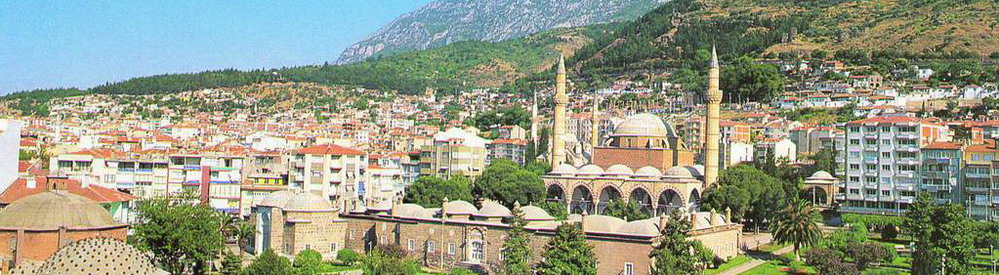
Located in the fertile Gediz River Valley of western Turkey, Manisa is a fascinating destination where ancient civilizations, magnificent Ottoman architecture, lush vineyards, and dramatic mountain landscapes come together to create one of the Aegean Region’s most rewarding travel experiences.
Often overshadowed by nearby İzmir, Manisa possesses an extraordinary cultural heritage that spans thousands of years. From the legendary Kingdom of Lydia and the birthplace of the world’s first coins to elegant Ottoman mosques, historic caravan routes, national parks, and celebrated agricultural traditions, the province offers an exceptional variety of attractions for history enthusiasts, nature lovers, and cultural travelers alike.
Today, Manisa is not only an important industrial and agricultural center but also one of Turkey’s leading producers of grapes, raisins, olives, and other agricultural products. Visitors will discover a welcoming city where traditional Turkish culture continues to thrive alongside modern urban life.
A City Rich in History
The history of Manisa stretches back to antiquity, when the region was inhabited by numerous civilizations including the Hittites, Phrygians, Lydians, Persians, Greeks, Romans, Byzantines, Seljuks, and Ottomans.
Known in ancient times as Magnesia ad Sipylum, the city occupied an important position along major trade routes connecting western Anatolia with the interior of Asia Minor.
During the Ottoman period, Manisa became especially significant because many Ottoman princes governed the province before ascending to the imperial throne. This tradition earned the city the title “City of Princes” (Şehzadeler Şehri), and several future sultans—including Suleiman the Magnificent—served as provincial governors here during their youth.
This royal connection left Manisa with an impressive collection of Ottoman monuments that continue to define the city’s historic character.
Sultan Mosque (Sultan Camii)
One of Manisa’s most celebrated landmarks is the magnificent Sultan Mosque, completed in 1522.
The mosque was commissioned by Ayşe Hafsa Sultan, mother of Sultan Suleiman the Magnificent, and forms part of a larger külliye (religious and social complex) that originally included a hospital, school, kitchens, and charitable institutions.
Its elegant domes, graceful minaret, spacious courtyard, and harmonious Ottoman architecture make it one of the finest religious monuments in western Turkey.
Today, the mosque remains both an active place of worship and one of the city’s most visited historical attractions.
The Mesir Paste Festival
Every spring, Manisa celebrates one of Turkey’s oldest and most colorful traditional festivals: the International Mesir Paste Festival.
The festival commemorates the legendary herbal medicine known as Mesir Macunu, a sweet medicinal paste prepared from dozens of herbs and spices.
According to local tradition, Ayşe Hafsa Sultan suffered from a serious illness until physicians prepared this special remedy, which restored her health. In gratitude, the paste was distributed to the people of Manisa from the minarets and rooftops of the Sultan Mosque.
Today, this centuries-old tradition continues each April, when thousands of packets of Mesir Paste are ceremonially thrown to crowds gathered around the mosque.
The festival includes:
- Traditional music
- Folk dancing
- Historical reenactments
- Cultural performances
- Artisan exhibitions
- Local food markets
- Concerts
- Parades
Recognized by UNESCO as an element of Intangible Cultural Heritage, the festival attracts visitors from across Turkey and around the world.
Muradiye Mosque
Another architectural masterpiece is the elegant Muradiye Mosque, completed during the late 16th century.
Designed by the legendary Ottoman architect Mimar Sinan, the mosque is admired for its graceful proportions, exquisite tile decoration, impressive dome, and refined interior.
Adjacent to the mosque stands a historic medrese (Islamic theological school), which now houses the Manisa Archaeological Museum.
Manisa Archaeological Museum
Located within the former medrese, the museum displays a remarkable collection illustrating the region’s long history.
Among the exhibits are:
- Lydian artifacts
- Roman sculptures
- Byzantine relics
- Ancient inscriptions
- Coins
- Pottery
- Jewelry
- Ottoman ethnographic collections
The museum provides an excellent introduction to the civilizations that flourished throughout the Gediz Valley over thousands of years.
Vineyards and the Harvest Festival
Manisa is internationally famous for its extensive vineyards and premium-quality grapes.
The province produces a large proportion of Turkey’s seedless raisins, many of which are exported worldwide.
Each September, communities throughout the region celebrate the annual Harvest Festival, marking the grape harvest with music, dancing, local cuisine, cultural performances, and traditional festivities.
Visitors during harvest season can explore vineyards, sample local wines and grape products, and experience one of the region’s oldest agricultural traditions.
Mount Spil National Park
Just south of the city rises Mount Spil (Spil Dağı National Park), one of western Turkey’s most beautiful natural areas.
The park offers spectacular scenery featuring:
- Pine forests
- Mountain meadows
- Wildflowers
- Hiking trails
- Picnic areas
- Camping sites
- Wildlife observation
- Scenic viewpoints
The cooler mountain climate makes the park especially popular during the summer months.
The Weeping Rock of Niobe
One of Mount Spil’s most famous attractions is the legendary Weeping Rock of Niobe.
According to Greek mythology, Niobe was transformed into stone after the tragic loss of her children.
Natural water seeping through the rock gives the appearance of constant tears, inspiring the legend that Niobe continues to weep eternally.
The site remains one of Manisa’s most intriguing mythological landmarks.
Gördes – The Home of Fine Carpets
Northeast of Manisa lies the charming town of Gördes, internationally renowned for its beautiful handwoven carpets.
For centuries, skilled artisans have produced exquisite Turkish rugs using traditional weaving techniques passed from generation to generation.
Gördes carpets are celebrated for:
- Rich natural colors
- Intricate floral motifs
- High-quality wool
- Exceptional craftsmanship
- Durable construction
Visitors can observe traditional weaving methods and purchase authentic handmade carpets directly from local workshops.
Sardis – Capital of Ancient Lydia
One of the province’s greatest archaeological treasures is the ancient city of Sardis (Sart), located near modern Salihli.
Once the magnificent capital of the Kingdom of Lydia, Sardis reached its greatest prosperity under the legendary King Croesus, whose immense wealth became famous throughout the ancient world.
Sardis holds a unique place in history as the location where the world’s first standardized gold and silver coins were minted during the 7th century BC.
Today visitors can explore remarkable ruins including:
- Temple of Artemis
- Monumental Roman Gymnasium
- Marble streets
- Ancient baths
- Synagogue
- Byzantine shops
- City walls
- Royal roads
The beautifully restored Roman Gymnasium and one of the largest ancient synagogues ever discovered are among the site’s most impressive monuments.
Mount Boz
South of Sardis rises Mount Boz, a favorite destination for outdoor enthusiasts.
The mountain offers excellent opportunities for:
- Hiking
- Trekking
- Mountain biking
- Camping
- Nature photography
- Wildlife observation
- Rock climbing
- Winter recreation
The surrounding forests and panoramic viewpoints provide spectacular views across the Gediz Valley.
Birgi and the Çakırağa Mansion
On the southern slopes of Mount Boz lies the historic town of Birgi, one of western Anatolia’s best-preserved traditional settlements.
Among its greatest attractions is the magnificent Çakırağa Mansion, an outstanding example of 18th-century Turkish domestic architecture.
Visitors admire:
- Painted wooden ceilings
- Decorative wall murals
- Elegant courtyards
- Traditional furnishings
- Intricate woodwork
The mansion provides a fascinating glimpse into the lifestyle of wealthy Ottoman merchants.
Local Cuisine
Manisa’s cuisine reflects the rich agricultural traditions of the Aegean region.
Popular specialties include:
- Mesir Paste
- Grape molasses
- Fresh and dried grapes
- Olive oil dishes
- Stuffed vegetables
- Grilled meats
- Homemade pastries
- Local cheeses
- Traditional desserts
- Seasonal fruits
The province’s vineyards and fertile farmlands supply restaurants with exceptionally fresh local ingredients throughout the year.
Districts of Manisa Province
Manisa Province consists of 17 districts, each contributing its own historical, agricultural, cultural, and natural attractions.
The districts are:
- Ahmetli
- Akhisar
- Alaşehir
- Demirci
- Gölmarmara
- Gördes
- Kırkağaç
- Köprübaşı
- Kula
- Manisa (city center)
- Salihli
- Sarıgöl
- Saruhanlı
- Selendi
- Soma
- Şehzadeler
- Turgutlu
- Yunusemre
(Note: Following administrative reforms, Manisa’s metropolitan municipality includes the central districts of Şehzadeler and Yunusemre, replacing the former single central district.)
Each district offers distinctive attractions ranging from ancient cities and vineyards to thermal springs, forests, traditional villages, and historical monuments.
Why Visit Manisa?
Manisa is one of Turkey’s most historically significant and culturally rich destinations. From the royal legacy of the Ottoman princes and the elegant Sultan and Muradiye Mosques to the legendary ruins of Sardis, the vineyards of the Gediz Valley, the traditional carpets of Gördes, and the breathtaking landscapes of Mount Spil National Park, the province offers an extraordinary variety of experiences.
Whether exploring the birthplace of coinage, hiking through mountain forests, attending the colorful Mesir Paste Festival, admiring masterpieces by Mimar Sinan, or tasting locally produced grapes and olive oil, visitors will discover a province where history, mythology, culture, and nature blend seamlessly.
Rich in archaeological treasures, living traditions, spectacular landscapes, and warm Aegean hospitality, Manisa remains one of western Turkey’s most rewarding destinations for travelers seeking authentic and unforgettable experiences.