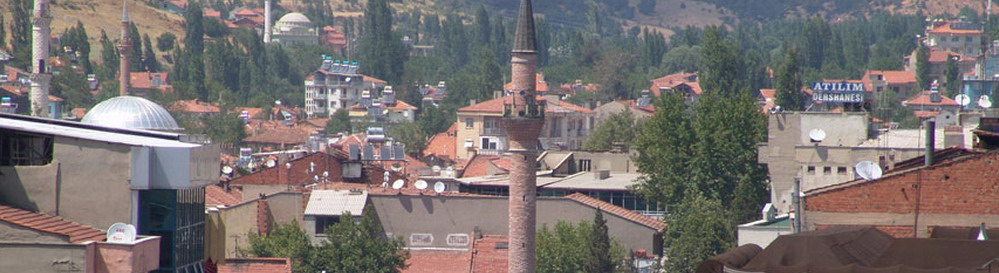
Situated in the heart of Turkey’s Inner Aegean Region, Uşak is a province where history, culture, craftsmanship, and natural beauty come together to create a fascinating destination. Although often overlooked by travelers heading to Turkey’s famous coastal resorts, Uşak rewards visitors with remarkable archaeological treasures, centuries-old carpet-weaving traditions, dramatic canyons, picturesque villages, and warm Anatolian hospitality.
Throughout history, Uşak has occupied an important position along the trade routes linking western Anatolia with Central Turkey. The province has been home to numerous civilizations, including the Hittites, Phrygians, Lydians, Persians, Romans, Byzantines, Seljuks, and Ottomans. Today, its rich cultural heritage can be explored through excellent museums, ancient cities, traditional Ottoman houses, and some of Turkey’s finest examples of handwoven carpets.
Whether you are interested in archaeology, local traditions, photography, hiking, or authentic Turkish culture, Uşak offers an enjoyable journey away from the crowds.
History of Uşak
The history of Uşak dates back thousands of years.
Archaeological discoveries indicate that the region has been continuously inhabited since prehistoric times. During antiquity, the area formed part of the ancient Kingdom of Lydia, one of the wealthiest civilizations of western Anatolia. Later, it came under Persian, Hellenistic, Roman, and Byzantine rule before becoming part of the Seljuk Sultanate and eventually the Ottoman Empire.
Because of its strategic location along important commercial routes, Uşak developed into a prosperous trading center. During the Ottoman period, the city achieved worldwide fame for producing luxurious handwoven carpets that were exported throughout Europe and decorated the palaces of kings, nobles, and wealthy merchants.
Many famous Renaissance paintings depict magnificent “Uşak carpets,” demonstrating the city’s international reputation as one of the world’s leading carpet-weaving centers from the 15th to the 17th centuries.
Today, carpet weaving remains one of the province’s most cherished cultural traditions.
Uşak Archaeology Museum
One of the city’s most important cultural attractions is the Uşak Archaeology Museum, which houses an outstanding collection of artifacts illustrating the region’s long history.
The museum displays archaeological finds from prehistoric settlements, the Lydian Kingdom, the Persian Empire, the Roman and Byzantine periods, and the Ottoman era.
Among its collections are:
- Ancient marble sculptures
- Gold and silver jewelry
- Coins
- Pottery
- Glassware
- Stone inscriptions
- Funerary monuments
- Roman mosaics
- Everyday objects from ancient settlements
The museum is especially renowned for exhibiting treasures discovered at nearby archaeological sites, offering visitors valuable insight into western Anatolia’s ancient civilizations.
Kaftancı House Museum
The beautifully restored Kaftancı House is one of the finest surviving examples of traditional Ottoman domestic architecture in Uşak.
Constructed during the 19th century, the house features elegant wooden ceilings, decorative interiors, spacious courtyards, and period furnishings that reflect the lifestyle of wealthy Ottoman families.
Visitors can admire beautifully preserved rooms furnished with traditional household items, handcrafted furniture, and decorative textiles.
The museum provides an excellent opportunity to experience everyday life during the late Ottoman period.
Atatürk and Ethnography Museum
The Atatürk and Ethnography Museum celebrates both the history of modern Turkey and the cultural traditions of the Uşak region.
Its ethnographic collections include:
- Traditional clothing
- Handwoven textiles
- Copperware
- Household utensils
- Agricultural tools
- Jewelry
- Folk art
- Local musical instruments
One of the museum’s greatest highlights is its outstanding collection of authentic Uşak carpets and kilims, showcasing the remarkable craftsmanship that made the city internationally famous.
The exhibits explain the techniques, symbols, colors, and motifs used by generations of master carpet weavers.
The World-Famous Uşak Carpets
Uşak has been synonymous with fine carpet weaving for centuries.
Beginning in the 15th century, richly colored wool carpets woven in Uşak became highly sought after throughout Europe. They appeared in royal palaces, churches, and noble residences, while many were immortalized in paintings by famous Renaissance artists.
Traditional Uşak carpets are distinguished by:
- Large geometric medallions
- Floral motifs
- Rich reds and deep blues
- Soft natural wool
- Vegetable-based dyes
- Exceptional craftsmanship
Visitors can still observe traditional weaving techniques in local workshops and purchase authentic handmade carpets directly from artisans.
Ulubey Canyon
One of Turkey’s most spectacular natural attractions, Ulubey Canyon, lies within Uşak Province.
Stretching for approximately 75 kilometers, it is considered one of the longest canyon systems in the world.
Towering cliffs, dramatic rock formations, lush valleys, and winding streams create breathtaking scenery ideal for nature lovers and photographers.
The canyon features:
- Scenic hiking trails
- Observation terraces
- Glass viewing platform
- Picnic areas
- Wildlife
- Beautiful sunrise and sunset views
Adventure enthusiasts can also enjoy cycling and nature photography throughout the area.
Blaundus Ancient City
Near Ulubey lies the remarkable ancient city of Blaundus, founded during the Hellenistic period.
Perched on a rocky plateau surrounded by deep valleys, Blaundus contains impressive remains including:
- City walls
- Roman temples
- Theatre
- Rock-cut tombs
- Ancient streets
- Byzantine churches
Because the site receives relatively few visitors, it offers a peaceful atmosphere for exploring ancient history.
Clandras Bridge
The historic Clandras Bridge is one of Uşak’s most picturesque landmarks.
Built during the Phrygian period and later restored by the Romans, the stone bridge spans a narrow gorge above crystal-clear water.
Surrounded by forests and picnic areas, it has become a popular destination for photographers, hikers, and families seeking a relaxing day in nature.
Local Cuisine
Uşak’s traditional cuisine reflects the rich agricultural heritage of the Inner Aegean region.
Popular specialties include:
Tarhana Soup
A hearty soup prepared from fermented yogurt, vegetables, and grains.
Keşkek
Slow-cooked wheat and meat served during celebrations and traditional festivals.
Etli Ekmek
A delicious flatbread topped with seasoned meat and baked in stone ovens.
Homemade Gözleme
Thin pastry filled with cheese, spinach, potatoes, or minced meat.
Local Desserts
Traditional sweets include baklava, höşmerim, and syrup-based pastries served alongside Turkish tea.
Shopping
Visitors can purchase numerous regional products, including:
- Authentic Uşak carpets
- Traditional kilims
- Handmade textiles
- Wool products
- Ceramics
- Copper handicrafts
- Olive oil
- Local honey
- Regional spices
- Handmade souvenirs
Carpet workshops provide opportunities to watch skilled artisans practicing centuries-old weaving techniques.
Climate
Uşak experiences a transitional climate between the Mediterranean and continental regions.
Spring
Spring offers mild temperatures, blooming landscapes, and ideal conditions for sightseeing.
Summer
Summers are warm, sunny, and generally dry, making it a good season for exploring archaeological sites and natural attractions.
Autumn
Pleasant weather and colorful scenery create excellent conditions for photography and outdoor activities.
Winter
Winters are cool and occasionally snowy, especially in the surrounding highlands.
Transportation
By Road
Uşak enjoys excellent highway connections with many major Turkish cities.
Approximate driving distances include:
- İzmir – 210 km
- Afyonkarahisar – 115 km
- Denizli – 150 km
- Kütahya – 140 km
- Ankara – 365 km
- Bursa – 270 km
Frequent intercity buses operate daily from across Turkey.
By Rail
Uşak is served by the national railway network, with regular train services connecting the city to İzmir, Ankara, Konya, and other destinations through connecting routes.
By Air
Although Uşak’s airport has limited commercial operations, the province can easily be reached from nearby airports including:
- Zafer Airport
- İzmir Adnan Menderes Airport
- Denizli Çardak Airport
Rental cars and intercity buses provide convenient onward transportation.
Districts of Uşak Province
Uşak Province consists of six districts, each offering its own distinctive attractions and rural character.
Uşak (Central District)
The provincial capital and cultural center, featuring museums, traditional neighborhoods, shopping areas, and historical buildings.
Banaz
Known for fertile agricultural land, thermal resources, and beautiful natural scenery surrounding Mount Murat.
Eşme
Famous throughout Turkey for producing high-quality handmade carpets, kilims, vineyards, and traditional handicrafts.
Karahallı
A peaceful rural district surrounded by valleys, forests, and historical settlements, located near the spectacular Clandras Bridge.
Sivaslı
Known for fruit orchards, agricultural production, and easy access to nearby archaeological sites and natural landscapes.
Ulubey
Home to the magnificent Ulubey Canyon, one of Turkey’s most impressive natural attractions, offering hiking, photography, and panoramic viewpoints.
Best Time to Visit
The best seasons to visit Uşak are April to June and September to October, when temperatures are pleasant for sightseeing, hiking, and exploring archaeological sites.
Summer is ideal for outdoor activities, while autumn offers beautiful countryside scenery and harvest festivals.
Uşak is one of western Anatolia’s hidden treasures, combining thousands of years of history with living traditions that continue to shape the region today. From exploring fascinating archaeological museums and discovering the legacy of the world-famous Uşak carpets to hiking through the spectacular Ulubey Canyon and visiting ancient cities nestled among dramatic landscapes, the province offers a rich and rewarding travel experience.
Whether your interests lie in archaeology, traditional craftsmanship, natural beauty, or authentic Anatolian culture, Uşak provides a memorable destination where Turkey’s past and present come together in perfect harmony.