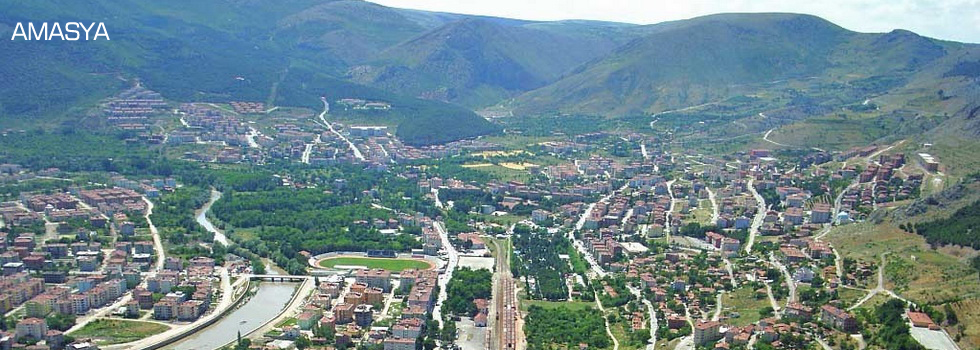
Nestled within a dramatic mountain valley in northern Turkey, Amasya is one of the country’s most enchanting historic cities. Situated along the winding Yeşilırmak (Green River), formerly known as the Iris River, Amasya offers a remarkable blend of spectacular natural scenery, ancient history, Ottoman heritage, and authentic Turkish culture. With a history spanning more than 3,000 years, the city has been home to numerous civilizations, including the Hittites, Phrygians, Persians, Pontic Kingdom, Romans, Byzantines, Seljuks, Danişmends, and Ottomans.
Often referred to as the “City of Princes,” Amasya served as the training ground for many Ottoman crown princes before they ascended the throne. The city’s rich historical legacy, beautifully preserved Ottoman houses, dramatic rock-cut tombs, and peaceful riverside atmosphere make it one of Turkey’s most rewarding destinations for history lovers, photographers, and cultural travelers.
History of Amasya
Amasya occupies a strategic location where the fertile plains of Central Anatolia meet the rugged mountains leading toward the Black Sea. The city has been continuously inhabited since antiquity and is best known as the birthplace of the famous Greek geographer Strabo, whose writings remain invaluable sources on the ancient world.
During the Hellenistic period, Amasya became the capital of the Kingdom of Pontus under the rule of the Pontic kings. Later, Roman general Pompey incorporated the city into the Roman Empire in 65 BC, granting it the status of a free city. Under Roman and Byzantine rule, Amasya flourished as an important administrative, commercial, and religious center.
In the medieval era, the city was ruled successively by the Danişmendids and the Seljuks before becoming part of the Ottoman Empire in the late 14th century under Sultan Bayezid I. Throughout the Ottoman period, Amasya developed into one of Anatolia’s foremost centers of education, literature, and administration. Several Ottoman princes—including future sultans—served as governors here, earning Amasya its enduring nickname, the “City of Princes.”
Amasya Castle
Dominating the skyline above the city are the impressive ruins of Amasya Castle, perched dramatically on a steep limestone cliff overlooking the Yeşilırmak River. Although its foundations date back thousands of years, the fortress was expanded and strengthened during the Pontic, Roman, Byzantine, Seljuk, and Ottoman periods.
Visitors can explore the surviving defensive walls, towers, cisterns, and ancient tunnels while enjoying breathtaking panoramic views over the city, surrounding mountains, and river valley. Hidden within the castle complex are ancient water channels, underground passageways, and remains of historic military structures that reflect the city’s strategic importance throughout history.
The Rock Tombs of the Pontic Kings
One of Amasya’s most iconic landmarks is the series of monumental rock-cut tombs carved high into the cliffs overlooking the city. Dating from the 3rd century BC, these magnificent tombs were built for the kings of the Kingdom of Pontus.
The impressive façades carved directly into the mountainside remain among Turkey’s finest examples of Hellenistic funerary architecture. At sunset and after dark, when the tombs are illuminated, they create one of the country’s most memorable and photogenic views.
Historic Ottoman Houses
The riverside neighborhoods of Amasya are famous for their beautifully preserved Ottoman mansions. These elegant white wooden houses, many dating from the 18th and 19th centuries, line both banks of the Yeşilırmak River, creating one of Turkey’s most picturesque urban landscapes.
Many of these historic homes have been carefully restored and converted into boutique hotels, cafés, museums, and cultural centers while preserving their original architectural character.
The most famous is the Hazeranlar Mansion, one of the finest examples of traditional Ottoman domestic architecture. Today it serves as both an ethnography museum and cultural center, allowing visitors to experience the lifestyle of wealthy Ottoman families.
Historic Mosques and Islamic Architecture
Amasya contains an outstanding collection of Seljuk and Ottoman religious monuments.
Among the city’s most important historic buildings are:
- Burmalı Minare Mosque, dating from the 13th century and notable for its distinctive spiral minaret.
- Yıldırım Bayezid Mosque and Complex, built during the early Ottoman period.
- Gök Medrese, an important example of medieval Islamic education.
- Kapı Ağa Madrasa, distinguished by its elegant octagonal design.
- Torumtay Tomb, reflecting fine Seljuk funerary architecture.
These monuments showcase centuries of architectural evolution and remain active places of worship and cultural heritage.
The Bimarhane – An Early Mental Health Hospital
One of Amasya’s most fascinating historic buildings is the Bimarhane, a remarkable 14th-century hospital established during the İlkhanid period.
Far ahead of its time, the hospital became renowned for treating patients suffering from mental illness using music, running water, pleasant surroundings, and compassionate care rather than punishment. Today the building functions as a museum highlighting the history of medicine in Anatolia.
Museums in Amasya
Amasya Archaeological Museum is one of northern Turkey’s finest regional museums. Its extensive collections include artifacts from prehistoric civilizations, the Hittites, Phrygians, Romans, Byzantines, Seljuks, and Ottomans.
The museum’s greatest attraction is its rare collection of remarkably preserved İlkhanid mummies, making it one of only a few museums in Turkey where visitors can see naturally preserved medieval human remains.
Other interesting museums include:
- Sabuncuoğlu Medical History Museum
- Hazeranlar Mansion Museum
- Miniature Amasya Museum
- Ferhat and Şirin Museum
Ferhat and Şirin Legend
According to one of Anatolia’s best-known love stories, Prince Ferhat fell deeply in love with Princess Şirin. To prove his devotion, he was ordered to carve a water channel through the surrounding mountains to bring fresh water into the city.
Today visitors can still see the ancient Ferhat Water Channel, an engineering achievement that has become one of Amasya’s best-known historical landmarks and a symbol of enduring love.
Natural Beauty Around Amasya
Although renowned for its history, Amasya is equally blessed with beautiful natural surroundings.
Borabay Lake
Approximately 65 kilometers northeast of the city lies Borabay Lake, a stunning landslide lake surrounded by dense forests and mountains. Its peaceful atmosphere makes it an ideal destination for hiking, camping, fishing, photography, birdwatching, and family picnics.
Yedikır Dam Lake
Popular among nature lovers, Yedikır Dam Lake offers scenic walking trails, birdwatching opportunities, and excellent fishing.
Terziköy Thermal Springs
The Terziköy Thermal Spa has attracted visitors for centuries thanks to its mineral-rich waters, believed to have therapeutic benefits for various health conditions. Modern spa facilities now welcome visitors seeking relaxation and wellness.
Local Cuisine
A visit to Amasya would not be complete without sampling its distinctive regional cuisine.
Local specialties include:
- Amasya Keşkek
- Toyga Soup
- Bakla Dolması
- Çatal Soup
- Stuffed Vine Leaves
- Amasya Apple Desserts
- Traditional Turkish pastries and village breads
The province is especially famous for its fragrant Amasya apples, considered among the finest varieties grown in Turkey.
Shopping in Amasya
Visitors can browse traditional bazaars and artisan workshops selling:
- Copper handicrafts
- Handmade textiles
- Wooden souvenirs
- Local honey
- Apple products
- Traditional Turkish sweets
- Regional spices
Small riverside cafés and tea gardens provide excellent places to relax while enjoying views of the historic houses and cliffs.
Festivals and Events
Amasya hosts several cultural events throughout the year, celebrating its rich artistic and historical heritage.
Major annual events include:
- International Atatürk Culture and Art Festival (June)
- Amasya International Film Festival
- Apple Harvest Festivals
- Traditional Folk Dance and Music Festivals
These celebrations feature concerts, exhibitions, local cuisine, folklore performances, and handicraft displays.
Best Time to Visit
The best times to visit Amasya are during spring (April to June) and autumn (September to October), when pleasant temperatures and colorful scenery make sightseeing especially enjoyable.
Summer is warm but generally less humid than Turkey’s southern coast, while winter occasionally brings snow, creating beautiful views of the historic city.
Getting Around
The compact historic center can easily be explored on foot. Taxis, local minibuses (dolmuş), and buses connect the city center with surrounding districts and nearby attractions.
How to Reach Amasya
By Air
The nearest airport is Amasya Merzifon Airport, located approximately 45 kilometers from the city center. Regular domestic flights connect the airport with Istanbul, from where travelers can easily transfer to international destinations.
By Road
Amasya enjoys good highway connections with major Turkish cities, including Ankara, Samsun, Tokat, Sivas, Çorum, and Istanbul. Frequent intercity buses operate daily.
By Rail
The city is served by Turkish State Railways, offering scenic train connections with Samsun, Sivas, Ankara, and other destinations across the country.
Why Visit Amasya?
Amasya is one of Turkey’s hidden treasures—a destination where spectacular natural scenery meets thousands of years of history. Visitors can wander through charming Ottoman streets, admire monumental rock tombs, explore ancient castles, visit fascinating museums, relax beside the Yeşilırmak River, and experience authentic Turkish hospitality far from the crowds of the country’s more famous tourist destinations.
Whether you are passionate about archaeology, architecture, photography, history, or simply looking for a peaceful escape into one of Anatolia’s most beautiful landscapes, Amasya offers an unforgettable journey through the heart of Turkey’s cultural heritage.