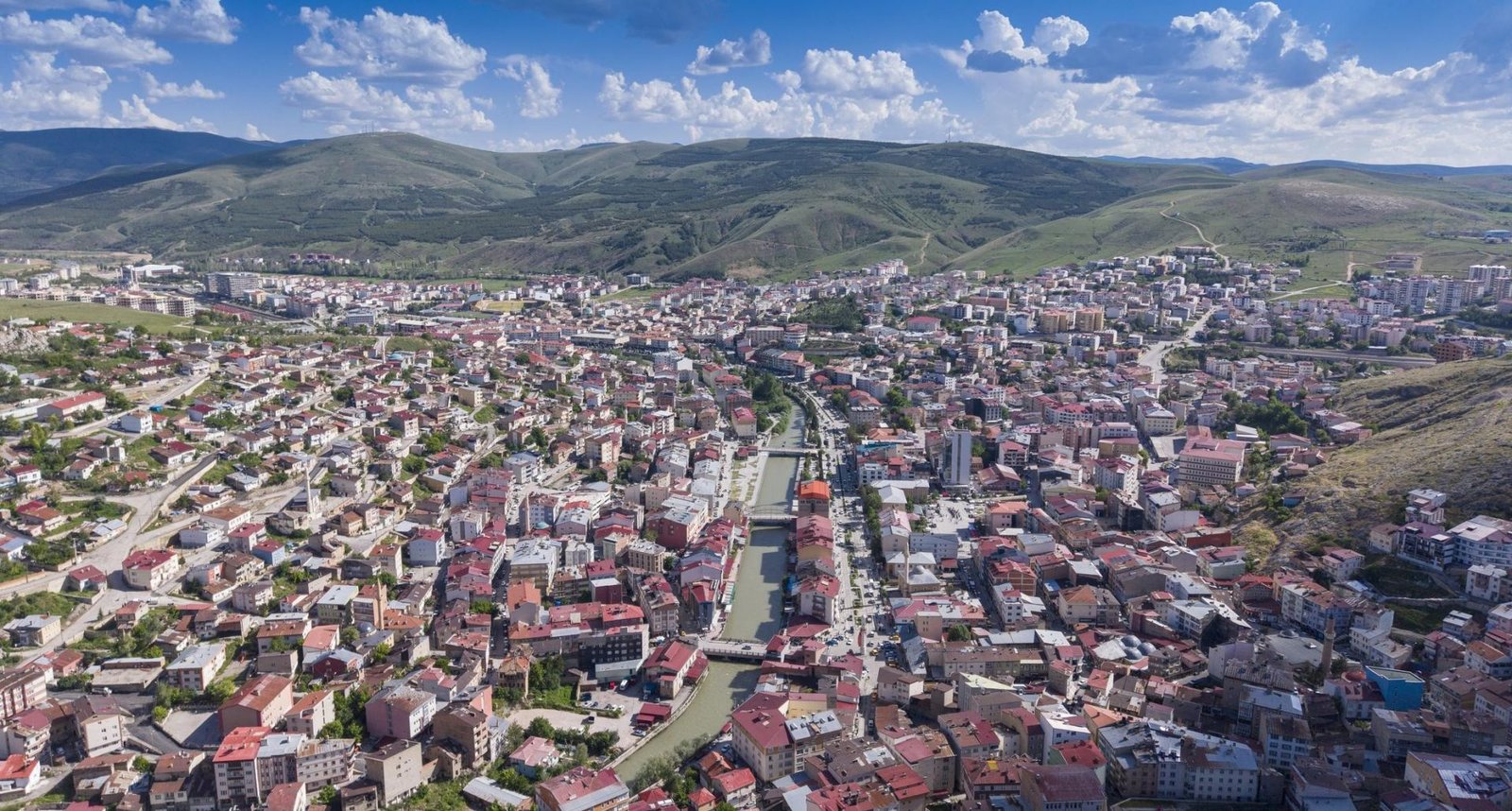
Nestled among the rugged mountains of northeastern Anatolia, Bayburt is one of Turkey’s oldest settlements and one of its most underrated travel destinations. Rich in history, culture, and natural beauty, this peaceful city has served as an important crossroads for civilizations traveling along the legendary Silk Road for thousands of years.
Surrounded by high plateaus, deep valleys, and the winding Çoruh River, Bayburt offers visitors an authentic glimpse into traditional Anatolian life. Ancient fortresses, medieval mosques, historic baths, remarkable stone bridges, fascinating museums, and breathtaking mountain scenery combine to create a destination that rewards travelers looking beyond Turkey’s more familiar tourist routes.
Whether you are interested in archaeology, architecture, history, hiking, or local traditions, Bayburt provides a memorable journey through one of Anatolia’s hidden treasures.
A City on the Historic Silk Road
Bayburt occupies a strategic location between Eastern Anatolia and the Black Sea Region, making it an important trading center for centuries.
The city’s history stretches back more than 4,000 years and includes the influence of numerous civilizations, including the Hittites, Urartians, Cimmerians, Medes, Persians, Romans, Byzantines, Seljuks, Mongols, Akkoyunlu, and Ottomans.
Its position along the Silk Road brought merchants, scholars, pilgrims, and explorers from Asia and Europe, contributing to the city’s economic and cultural prosperity.
Among the most famous travelers to pass through Bayburt were the Venetian explorer Marco Polo, who journeyed along the Silk Road in the 13th century, and the celebrated Ottoman traveler Evliya Çelebi, who praised the city in his famous travel writings during the 17th century.
Bayburt City Center
Modern Bayburt retains the atmosphere of a traditional Anatolian town while preserving many reminders of its rich past.
The compact city center features historic mosques, stone buildings, traditional markets, welcoming cafés, and riverside parks along the Çoruh River.
Walking through the city allows visitors to discover authentic local life, friendly hospitality, and impressive historical monuments at a relaxed pace.
Bayburt Castle
Towering above the city on a rocky hill overlooking the Çoruh River stands the magnificent Bayburt Castle, one of Turkey’s finest medieval fortresses.
Although its origins date back to antiquity, the castle was expanded and strengthened during the Byzantine, Seljuk, and Ottoman periods.
Massive defensive walls, towers, gates, underground passages, and panoramic viewpoints make the fortress one of Bayburt’s most important attractions.
Known locally as the “Queen of Castles,” Bayburt Castle offers breathtaking views across the city, surrounding mountains, and fertile river valley.
At sunset, the ancient stone walls create one of the province’s most spectacular photographic scenes.
Historic Mosques
Bayburt preserves several important examples of Seljuk and Ottoman religious architecture.
Among the city’s most significant mosques are:
Ulu (Grand) Mosque
Dating from the Seljuk period, the Grand Mosque is one of Bayburt’s oldest surviving religious buildings. Its elegant stone construction and peaceful interior reflect centuries of Islamic architectural tradition.
Yakutiye Mosque
Another notable historic monument, Yakutiye Mosque features beautiful stone craftsmanship and remains an active place of worship today.
These mosques continue to serve as important spiritual and cultural landmarks within the city.
Turkish Baths
Traditional Turkish baths, or hamams, have played an important role in Bayburt’s social life for centuries.
Several historic bathhouses dating from the Ottoman period still survive, showcasing traditional bathing architecture with impressive domes, marble interiors, and elegant stone construction.
Some have been restored and continue to operate, offering visitors an authentic Turkish bath experience.
Fascinating Ottoman and Seljuk Cemeteries
Bayburt is renowned for its beautifully carved medieval gravestones.
Historic cemeteries throughout the city contain remarkable examples of Seljuk and Ottoman stone carving, featuring intricate geometric patterns, floral motifs, Arabic inscriptions, and symbolic decorations.
These unique monuments provide valuable insight into the artistic traditions and cultural heritage of medieval Anatolia.
Bayburt Museum
The Bayburt Museum presents the region’s long history through archaeological and ethnographic collections.
Visitors can explore artifacts from prehistoric settlements, the Roman and Byzantine periods, the Seljuks, and the Ottoman Empire.
Traditional clothing, household objects, manuscripts, agricultural tools, and local handicrafts illustrate everyday life throughout Bayburt’s rich history.
The Çoruh River
Flowing through the heart of Bayburt, the Çoruh River has shaped the city’s development for centuries.
The river provides beautiful scenery, peaceful walking paths, and attractive picnic areas where visitors can relax while enjoying views of the surrounding mountains.
The Çoruh is also internationally famous for white-water rafting further downstream in neighboring Artvin Province.
Aydıntepe Underground City
One of Bayburt Province’s most fascinating archaeological discoveries is the Aydıntepe Underground City.
Hidden beneath the modern town of Aydıntepe, this mysterious underground settlement consists of tunnels, chambers, ventilation shafts, and interconnected passageways carved into soft rock.
Although much of its history remains uncertain, archaeologists believe it served defensive, religious, or residential purposes during the Roman and Byzantine periods.
Visitors can explore sections of this remarkable underground complex while learning about one of northeastern Turkey’s most intriguing historical sites.
Baksı Museum
Located in a scenic mountain village overlooking the Çoruh Valley, the internationally acclaimed Baksı Museum combines contemporary art with traditional Anatolian culture.
Designed by renowned artist Hüsamettin Koçan, the museum displays:
- Contemporary Turkish art
- Traditional handicrafts
- Weaving collections
- Ceramics
- Photography
- Cultural exhibitions
Its striking modern architecture contrasts beautifully with the surrounding mountain landscape, making it one of Turkey’s most distinctive museums.
Kop Mountain
The nearby Kop Mountains are famous for both their natural beauty and historical importance.
The area witnessed significant battles during the First World War and today contains memorials honoring those who fought there.
Visitors enjoy:
- Hiking
- Nature photography
- Scenic mountain drives
- Wildlife observation
- Winter snow landscapes
The mountain passes also offer magnificent panoramic views across northeastern Anatolia.
Natural Beauty
Bayburt’s mountainous landscape provides numerous opportunities for outdoor recreation.
Visitors can discover:
- Alpine meadows
- Mountain streams
- Forested valleys
- Traditional highland villages
- Wildflower-covered plateaus
- Scenic hiking trails
Spring and summer transform the countryside into a colorful landscape filled with blooming flowers and fresh mountain air.
Local Cuisine
Bayburt’s traditional cuisine reflects the hearty flavors of northeastern Anatolia.
Regional specialties include:
- Bayburt Galacoş
- Lor Dolması
- Stuffed cabbage leaves
- Kesme Soup
- Stone oven bread
- Cağ Kebab
- Handmade noodles
- Honey and dairy products
- Local pastries
Many recipes have been passed down through generations and continue to be prepared using traditional cooking methods.
Shopping
Visitors can purchase authentic regional products including:
- Handwoven carpets
- Kilims
- Copper handicrafts
- Wool textiles
- Local honey
- Herbal teas
- Traditional embroidery
- Handmade souvenirs
- Organic dairy products
Local markets provide an excellent opportunity to experience everyday life and meet local artisans.
Festivals
Bayburt hosts several cultural events celebrating its rich heritage.
Popular annual festivals include:
- Dede Korkut International Culture and Art Festival
- Traditional Highland Festivals
- Folk Dance Performances
- Local Food Festivals
- Handicraft Exhibitions
These celebrations showcase Bayburt’s folklore, music, traditional costumes, and local cuisine.
Outdoor Activities
Nature enthusiasts can enjoy a variety of activities throughout the province, including:
- Hiking
- Mountain trekking
- Camping
- Wildlife observation
- Photography
- Cycling
- Fishing
- River walks
- Historical sightseeing
- Winter snow excursions
The surrounding mountains provide peaceful landscapes ideal for outdoor exploration.
Best Time to Visit
The best time to visit Bayburt is between May and October.
Spring offers lush green valleys and colorful wildflowers.
Summer brings comfortable temperatures perfect for sightseeing and mountain excursions.
Autumn paints the surrounding hills in warm golden colors, while winter transforms the region into a snowy mountain landscape that appeals to photographers and winter travelers.
How to Reach Bayburt
By Air
The nearest airports are Erzurum Airport and Trabzon Airport, both offering regular domestic flights from Istanbul, Ankara, and other major Turkish cities. From either airport, Bayburt can be reached by road in approximately two hours.
By Road
Bayburt is connected by well-maintained highways to Erzurum, Trabzon, Gümüşhane, Erzincan, and other cities throughout northeastern Turkey. Frequent intercity buses serve the province.
By Car
Driving to Bayburt is particularly rewarding, with scenic mountain roads passing through valleys, rivers, and high plateaus that showcase the natural beauty of northeastern Anatolia.
Why Visit Bayburt?
Bayburt is one of Turkey’s most authentic and least-discovered destinations. Its strategic location on the ancient Silk Road, magnificent medieval castle, historic mosques, remarkable underground city, beautiful mountain landscapes, and rich cultural traditions create a unique travel experience far from the country’s busiest tourist routes.
Whether exploring centuries-old fortifications, wandering through traditional streets, visiting world-class museums, hiking among alpine scenery, or experiencing genuine Anatolian hospitality, visitors to Bayburt discover a city where history, culture, and nature exist in perfect harmony. For travelers seeking an authentic journey into Turkey’s rich heritage, Bayburt is a destination well worth exploring.