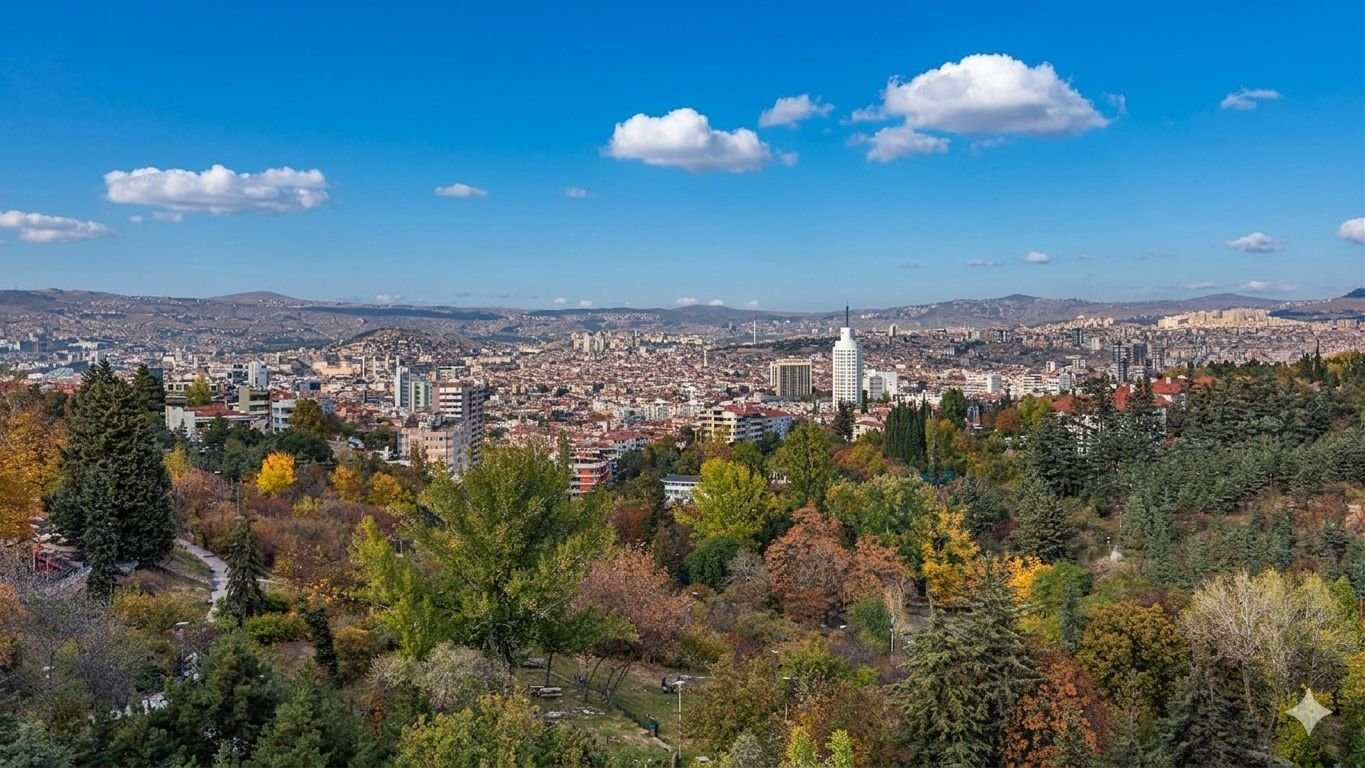
As the capital of the Republic of Turkey, Ankara stands at the center of the nation’s political, administrative, cultural, and diplomatic life. While often overshadowed by the global fame of Istanbul, Ankara offers visitors a fascinating blend of ancient history, modern urban planning, vibrant cultural institutions, and national heritage.
Located in the heart of Anatolia, Ankara is a city where thousands of years of civilization coexist with the dynamic energy of a modern capital. Wide boulevards, green parks, prestigious universities, government institutions, foreign embassies, museums, shopping districts, and cultural venues create a sophisticated urban landscape that reflects Turkey’s transformation into a modern republic.
Today, Ankara is not only the political center of the country but also one of Turkey’s most important hubs for education, business, technology, culture, and international diplomacy. Visitors who take the time to explore Ankara discover a city rich in history, architecture, gastronomy, and authentic Turkish culture.
A City with a History Spanning Millennia
Ankara’s history stretches back thousands of years, making it one of Anatolia’s oldest continuously inhabited settlements. Archaeological evidence indicates that human communities have existed here since the Bronze Age.
Throughout history, numerous civilizations have controlled or influenced the region, including:
- Hittites
- Phrygians
- Galatians
- Romans
- Byzantines
- Seljuk Turks
- Ottomans
Each civilization left behind monuments, traditions, and artifacts that continue to enrich Ankara’s cultural heritage.
One of the best places to explore this remarkable history is the renowned Museum of Anatolian Civilizations, widely regarded as one of Turkey’s finest museums. Its extraordinary collections chronicle the rise and fall of civilizations that shaped Anatolia over thousands of years.
From Provincial Town to National Capital
For much of its history, Ankara remained a modest Anatolian town. Everything changed in 1923 when Mustafa Kemal Atatürk selected Ankara as the capital of the newly established Republic of Turkey.
The decision transformed the city dramatically. Comprehensive urban planning projects were launched to create a modern capital capable of representing the aspirations of the young republic. Wide avenues, public squares, government buildings, parks, and residential districts were carefully designed, giving Ankara its distinctive appearance.
Why Was Ankara Chosen as the Capital?
- Strategic central location within Anatolia.
- Greater security during the Turkish War of Independence.
- Symbol of a new republican identity distinct from Ottoman Istanbul.
- Opportunity to develop a purpose-built modern capital.
Today, Ankara remains one of Turkey’s best-planned cities and a symbol of the country’s modernization.
Top Attractions in Ankara
Anıtkabir
The city’s most important landmark is Anıtkabir, the monumental mausoleum of Mustafa Kemal Atatürk.
This magnificent complex includes:
- Atatürk’s mausoleum.
- Ceremonial grounds.
- The Museum of the War of Independence.
- Historical exhibitions.
- The famous Lion Road.
Millions of visitors come annually to honor Atatürk and learn about the founding of modern Turkey.
Ankara Castle
Perched atop a hill overlooking the city, Ankara Castle offers spectacular panoramic views of Ankara’s skyline.
Within its ancient walls visitors can explore:
- Traditional Ottoman houses.
- Narrow cobbled streets.
- Artisan workshops.
- Local cafés.
- Antique shops.
The castle district provides one of the most atmospheric experiences in the capital.
Museum of Anatolian Civilizations
Often considered one of the world’s finest archaeological museums, the Museum of Anatolian Civilizations presents priceless artifacts from:
- Prehistoric Anatolia.
- Hittite civilization.
- Phrygian Kingdom.
- Urartian culture.
- Roman and Byzantine periods.
The museum is an essential stop for anyone interested in archaeology and ancient history.
Kocatepe Mosque
The impressive Kocatepe Mosque dominates Ankara’s skyline with its four elegant minarets and massive central dome. As one of Turkey’s largest mosques, it represents a beautiful fusion of classical Ottoman and modern architectural styles.
Temple of Augustus and Rome
One of the most important Roman monuments in Turkey, the Temple of Augustus and Rome is famous for preserving inscriptions of the Res Gestae Divi Augusti, documenting the achievements of Emperor Augustus.
Roman Baths
The ancient Roman Baths of Ankara offer fascinating insights into everyday life during the Roman era and remain among the city’s most significant archaeological sites.
Exploring Historic Ankara
Ulus District
The historic district of Ulus serves as the cultural heart of old Ankara. Visitors can explore museums, mosques, historical monuments, and traditional markets while experiencing the city’s authentic atmosphere.
Çıkrıkçılar Yokuşu
This historic shopping street is famous for:
- Antique stores.
- Traditional crafts.
- Handmade souvenirs.
- Local artisan workshops.
Bakırcılar Çarşısı
The Copper Market remains one of Ankara’s most traditional shopping destinations. Visitors can browse:
- Handcrafted copperware.
- Turkish jewelry.
- Handmade carpets and kilims.
- Embroidered textiles.
- Antiques and collectibles.
Modern Ankara
Atakule Tower
The iconic Atakule rises 125 meters above the city and offers breathtaking panoramic views.
Visitors can enjoy:
- Observation terraces.
- Restaurants and cafés.
- Spectacular sunset views.
- Modern shopping facilities.
Çankaya
The prestigious district of Çankaya is home to:
- Foreign embassies.
- Government institutions.
- Luxury hotels.
- Modern shopping centers.
- Cultural venues.
It represents the modern face of Ankara and is one of the city’s most vibrant districts.
Parks and Green Spaces
Despite its urban character, Ankara offers numerous green areas ideal for relaxation.
Kuğulu Park
Kuğulu Park is famous for its swans, ponds, and peaceful atmosphere. It is one of the city’s most beloved parks.
Gençlik Parkı
Gençlik Parkı features:
- Walking paths.
- Gardens.
- Recreational facilities.
- Family attractions.
Seğmenler Parkı
A popular gathering place for locals, offering beautiful landscapes and open green spaces.
Museums and Cultural Attractions
Ankara boasts an impressive range of museums:
Ethnography Museum
Dedicated to Turkish folk culture, traditional arts, and ethnographic heritage.
State Museum of Painting and Sculpture
Featuring important works by Turkish artists and sculptors.
CerModern
CerModern is Ankara’s leading contemporary art center, hosting exhibitions, cultural events, and international artistic programs.
Festivals and Events
International Ankara Music Festival
Held annually during spring, this prestigious festival features:
- Classical concerts.
- Opera performances.
- Chamber music.
- International artists.
International Children’s Festival
Celebrated every year on April 23, this unique event welcomes children from around the world and promotes friendship and cultural exchange.
Cultural Performances
Ankara is home to:
- Opera productions.
- Ballet performances.
- Symphony concerts.
- Theater festivals.
- Contemporary art exhibitions.
Food and Drink in Ankara
Ankara’s cuisine combines Anatolian traditions with modern Turkish gastronomy.
Local Specialties
Ankara Tava
The city’s signature dish consisting of tender lamb baked with rice or orzo.
Beypazarı Güveci
A slow-cooked meat stew originating from the historic town of Beypazarı.
Beypazarı Kurusu
A famous twice-baked biscuit known throughout Turkey.
Ankara Simidi
A crisp, sesame-coated bread ring enjoyed throughout the city.
Çubuk Pickles
Produced in nearby Çubuk, these pickles are among Turkey’s most famous regional delicacies.
Dining Districts
Popular dining areas include:
- Kızılay
- Tunalı Hilmi Street
- Kavaklıdere
- Gaziosmanpaşa
- Çankaya
Visitors can enjoy everything from traditional kebab houses and meyhanes to international restaurants and modern cafés.
Shopping in Ankara
Ankara offers both traditional markets and modern shopping centers.
Traditional Shopping
- Bakırcılar Çarşısı
- Çıkrıkçılar Yokuşu
- Ulus markets
- Local handicraft stores
Modern Shopping Centers
- Ankamall
- Armada
- Kentpark
- Panora
- CEPA
These malls feature international brands, Turkish designers, entertainment facilities, and dining venues.
Universities and Education
Ankara is one of Turkey’s leading university cities.
Major institutions include:
- Middle East Technical University (METU)
- Hacettepe University
- Ankara University
- Bilkent University
The city’s large student population contributes significantly to its youthful atmosphere and cultural dynamism.
Geography and Climate
Situated on the Anatolian Plateau at an altitude of approximately 938 meters, Ankara experiences a continental climate.
| Season | Conditions |
|---|---|
| Winter | Cold and snowy (0°C–5°C) |
| Spring | Mild and rainy |
| Summer | Hot and dry (28°C–35°C) |
| Autumn | Pleasant and cool |
Spring and autumn are generally considered the best times to visit.
Excursions from Ankara
Gordion
Gordion was the capital of the legendary King Midas and offers fascinating archaeological remains.
Hattusa
The UNESCO-listed Hattusa is one of the most significant archaeological sites in the world.
Beypazarı
Beypazarı is famous for Ottoman architecture, traditional cuisine, and historic streets.
Kızılcahamam
Kızılcahamam offers thermal springs, forests, and mountain scenery.
Nallıhan
Nallıhan is known for its bird sanctuary, canyons, and unique natural landscapes.
Cappadocia
Ankara serves as an excellent gateway to the extraordinary region of Cappadocia, famous for fairy chimneys, underground cities, cave churches, and hot-air balloon flights.
Transportation
By Air
Ankara is served by Esenboğa Airport, located approximately 25 kilometers northeast of the city center.
By Rail
The city is Turkey’s major railway hub and is connected by high-speed train services to Istanbul, Eskişehir, Konya, and other destinations.
By Road
Modern highways and extensive intercity bus services connect Ankara with every region of Turkey.
Public Transportation
Visitors can easily navigate the city using:
- Ankara Metro
- Ankaray light rail
- Municipal buses
- Taxis
Why Visit Ankara?
Ankara is far more than Turkey’s administrative capital. It is a city where ancient civilizations, national history, modern architecture, vibrant culture, and dynamic urban life converge. From the treasures of the Museum of Anatolian Civilizations and the grandeur of Anıtkabir to the bustling markets of Ulus and the panoramic views from Atakule, Ankara offers visitors a rich and rewarding travel experience.
Whether exploring its archaeological heritage, attending world-class cultural events, shopping in traditional bazaars, enjoying authentic Anatolian cuisine, or using the city as a gateway to Central Anatolia’s historic wonders, travelers quickly discover that Ankara is one of Turkey’s most fascinating and underrated destinations.