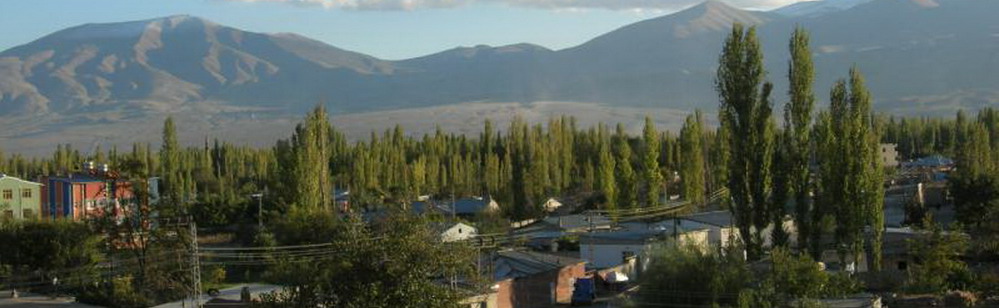
Nestled in the far eastern corner of Turkey, Igdir is a fascinating destination where rich history, fertile landscapes, and breathtaking mountain scenery come together. Sharing borders with Armenia, Azerbaijan’s Nakhchivan Autonomous Republic, and Iran, Igdir occupies a unique geographical position that has made it an important crossroads of civilizations for thousands of years. Although often overlooked by international travelers, the province offers a rewarding journey filled with archaeological treasures, cultural heritage, spectacular natural scenery, and one of the finest views of Turkey’s highest mountain, Mount Ağrı.
Unlike the rugged mountainous terrain that surrounds much of Eastern Anatolia, Iğdır lies on an expansive fertile plain nourished by rivers descending from the nearby highlands. This fertile basin enjoys a surprisingly mild microclimate, allowing the cultivation of fruits, vegetables, and even cotton – an unusual crop for this part of Turkey. The city’s orchards, vineyards, and agricultural fields create a colorful landscape that contrasts beautifully with the snow-covered peaks rising dramatically on the horizon.
A Land Connected to the Story of Noah
One of Igdir’s greatest attractions is its close association with the legendary Mount Ararat, which dominates the skyline at an elevation of 5,137 meters. According to biblical tradition, Noah’s Ark came to rest upon the mountains of Ararat after the Great Flood. When the floodwaters receded, Noah and his family are believed to have descended toward the fertile plains surrounding present-day Iğdır.
Although the exact location of Noah’s Ark remains one of history’s greatest mysteries, the region has inspired explorers, historians, archaeologists, and pilgrims for centuries. Standing on the plains around Iğdır, visitors can enjoy one of the most magnificent panoramic views of Mount Ararat, whose majestic snow-covered summit creates one of Turkey’s most iconic natural landscapes.
Whether viewed at sunrise, sunset, or beneath a clear blue sky, Mount Ararat provides unforgettable photographic opportunities and remains the defining symbol of the province.
Fertile Plains and Agricultural Wealth
Igdir is often referred to as the “Green Oasis of Eastern Anatolia.” Thanks to its lower elevation and favorable climate, the province produces an abundance of agricultural products rarely found elsewhere in the region.
The fertile plains yield:
- Apricots
- Apples
- Peaches
- Grapes
- Melons
- Watermelons
- Tomatoes
- Cotton
- Sugar beets
- Wheat
- Various vegetables
Fruit orchards surround the city, particularly during spring and summer when blossoms transform the countryside into a sea of color. During harvest season, local markets overflow with fresh produce and traditional regional specialties.
Mount Ararat National Landscape
Although climbing Mount Ararat requires permits and experienced guides, simply visiting its foothills is an unforgettable experience.
The mountain offers:
- Spectacular photography
- Wildlife observation
- Hiking opportunities
- Scenic drives
- Traditional villages
- Alpine landscapes
- Snow-covered volcanic scenery
Its immense size dominates nearly every part of Iğdır Province, making it a constant companion throughout your journey.
Historical Heritage
Because of its strategic location between Anatolia, the Caucasus, and Persia, Iğdır has been home to numerous civilizations, including:
- Urartians
- Persians
- Armenians
- Romans
- Byzantines
- Seljuks
- Mongols
- Ottomans
This rich history has left behind numerous archaeological sites and historical monuments waiting to be explored.
Urartian Rock Monuments
Among the oldest attractions near Iğdır are the fascinating Urartian rock monuments, dating back nearly 3,000 years.
The Kingdom of Urartu ruled much of Eastern Anatolia during the Iron Age and left behind:
- Rock inscriptions
- Fortifications
- Ancient settlements
- Defensive structures
- Sacred sites
These monuments provide valuable insight into one of Anatolia’s earliest advanced civilizations.
Seljuk Caravanserai
Another important historical attraction is the impressive 13th-century Seljuk caravanserai.
Built during the height of the Silk Road trade, this stone inn once welcomed merchants, pilgrims, and travelers journeying between Asia and Europe.
Typical caravanserais offered:
- Safe overnight accommodation
- Storage for valuable goods
- Stables for camels and horses
- Courtyards
- Prayer rooms
- Trading spaces
Today, the remaining structure serves as a reminder of Iğdır’s historic importance as a crossroads of international commerce.
Karakale (Black Castle)
The imposing Karakale, or Black Castle, stands as another significant historical monument near the city.
Although partially ruined, the fortress still reflects the military importance of the region throughout history. Built upon elevated terrain, the castle offered commanding views across the surrounding plains, allowing defenders to monitor important trade routes and border regions.
Visitors enjoy both its historical atmosphere and panoramic views of the surrounding countryside.
Karakoyun Monumental Cemetery
One of Igdir’s most distinctive cultural treasures lies in Karakoyun Village, situated along the road between Iğdır and Aralık.
Here visitors can explore an extraordinary 15th-century cemetery famous for its monumental stone tombs carved in the shapes of:
- Rams
- Ewes
- Sheep
These beautifully sculpted gravestones represent one of the finest examples of medieval Turkic funerary art.
The ram symbolizes:
- Courage
- Strength
- Heroism
- Honor
Many of the stone monuments feature intricate geometric patterns, inscriptions, and decorative motifs reflecting the artistic traditions of the period. The cemetery provides a fascinating glimpse into the beliefs and craftsmanship of the Karakoyunlu (Black Sheep Turkmen) dynasty, from which the village takes its name.
Birdwatching and Wildlife
The wetlands and agricultural plains surrounding Iğdır attract numerous bird species throughout the year.
Nature enthusiasts may observe:
- Storks
- Herons
- Ducks
- Geese
- Eagles
- Falcons
- Migratory birds
The province lies along important migratory routes connecting Europe, Asia, and Africa, making it an attractive destination for birdwatchers.
Local Cuisine
Igdir’s cuisine reflects influences from Eastern Anatolia, the Caucasus, and neighboring Persia.
Regional specialties include:
- Kebab varieties
- Stuffed vegetables
- Lamb dishes
- Fresh cheeses
- Homemade yogurt
- Flatbreads
- Apricot desserts
- Local honey
- Fruit preserves
Fresh seasonal produce plays a central role in many traditional recipes.
Local Culture
Visitors will discover warm hospitality and a rich cultural heritage shaped by centuries of interaction between different peoples and civilizations.
Traditional culture includes:
- Folk music
- Local dances
- Handwoven carpets
- Traditional clothing
- Village festivals
- Artisan crafts
The province’s multicultural history continues to enrich daily life and local traditions.
Best Time to Visit
The ideal seasons to explore Iğdır are:
Spring (April–June)
- Pleasant temperatures
- Blooming orchards
- Green landscapes
- Excellent photography
Autumn (September–October)
- Fruit harvests
- Comfortable weather
- Clear mountain views
- Colorful scenery
Summer can be warm across the plains, while winters are generally colder but often provide spectacular snow-covered views of Mount Ararat.
Getting There
Igdir is accessible by road from several major cities in Eastern Turkey and is served by Iğdır Şehit Bülent Aydın Airport, offering domestic flights that connect the province with other parts of the country. Modern highways also provide convenient access to neighboring provinces, making Iğdır an excellent destination for travelers exploring Eastern Anatolia.
Why Visit Igdir?
Igdir is one of Turkey’s most unique destinations, combining dramatic mountain scenery, fertile agricultural landscapes, ancient civilizations, biblical traditions, and remarkable cultural heritage. Whether admiring the awe-inspiring silhouette of Mount Ararat, exploring ancient Urartian monuments, wandering through medieval caravan routes, or discovering the remarkable ram-shaped tombstones of Karakoyun Village, visitors will encounter a region rich in history, beauty, and authenticity.
For travelers seeking an off-the-beaten-path experience, Iğdır offers an unforgettable journey into one of Turkey’s most historically significant and naturally captivating corners.