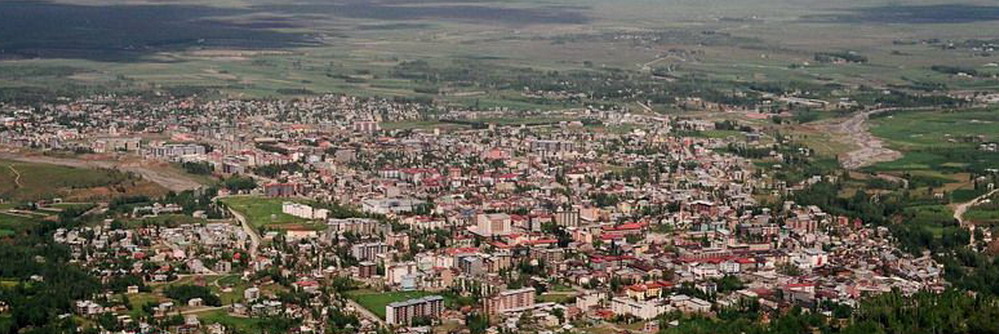
Nestled in the vast plains of Eastern Anatolia and surrounded by majestic mountains, Mus is one of Turkey’s hidden gems. Rich in history, culture, and natural beauty, this charming city offers visitors an authentic glimpse into traditional Anatolian life. Although often overlooked by mainstream tourism, Mus rewards travelers with fascinating historical sites, scenic landscapes, warm hospitality, and unique cultural traditions.
Founded in ancient times and developing into an important regional center during the Byzantine, Seljuk, and Ottoman periods, Mus remains a destination where history and nature coexist harmoniously. For travelers seeking an off-the-beaten-path experience, Mus provides a peaceful and memorable journey into one of Turkey’s least-explored regions.
History of Mus
The history of Mus dates back thousands of years. Throughout the centuries, the region was influenced by numerous civilizations, including the Urartians, Persians, Romans, Byzantines, Seljuks, and Ottomans.
Its strategic location on important trade routes contributed to its development as a regional center. Today, visitors can still discover traces of these civilizations through the city’s mosques, castles, caravanserais, and archaeological remains.
Places to See and Visit in Mus
Mus Castle
Overlooking the city from a rocky hill, Mus Castle is one of the region’s most important historical landmarks. Although much of the fortress has suffered from the passage of time, visitors can still admire its remaining walls and enjoy panoramic views of the Muş Plain and surrounding mountains.
The castle is especially popular at sunset, when the landscape is bathed in golden light.
Alaeddin Pasha Mosque
Built during the Seljuk period, Alaeddin Pasha Mosque is one of Mus’s finest historical monuments. Its elegant stone architecture and historical significance make it an essential stop for visitors interested in Islamic and Anatolian heritage.
Haci Seref Mosque
Another important Seljuk-era structure, Haci Seref Mosque reflects the architectural traditions of medieval Anatolia. Its simple yet impressive design highlights the craftsmanship of the period.
Aslanhane Caravanserai
Although partially ruined, the historic Aslanhane Caravanserai offers insight into the commercial importance of Muş during the Seljuk and Ottoman periods. These roadside inns once provided shelter for merchants and travelers crossing Anatolia.
Mus Museum
The Mus Museum showcases archaeological and ethnographic artifacts discovered throughout the region. Exhibits include ancient tools, pottery, manuscripts, traditional clothing, and objects representing the area’s rich cultural heritage.
Old Mus District
Walking through the older parts of the city allows visitors to experience traditional architecture, local markets, and the authentic atmosphere of Eastern Anatolia.
Natural Attractions Around Mus
Mus Plain
The fertile Mus Plain is one of the largest plains in Eastern Anatolia and is famous for its spectacular spring landscapes. During the blooming season, colorful wildflowers cover vast areas, creating breathtaking scenery.
Hamurpet Lakes (Akdogan Lakes)
Located north of Mus, these beautiful volcanic lakes are among the region’s most impressive natural attractions.
Visitors can enjoy:
- Hiking
- Nature photography
- Birdwatching
- Picnicking
- Camping
The peaceful mountain setting makes the lakes a perfect destination for outdoor enthusiasts.
Kurtik Mountain
Offering stunning views and fresh mountain air, Kurtik Mountain is ideal for hiking, trekking, and nature exploration.
Bingol Mountains
Stretching across the region, these mountains provide beautiful landscapes, alpine meadows, and opportunities for adventure tourism.
Murat River
One of the major tributaries of the Euphrates River, the Murat River flows through the region and creates picturesque landscapes ideal for photography and nature excursions.
Things to Do in Mus
Explore Historical Monuments
Discover Muş Castle, ancient mosques, caravanserais, and traditional neighborhoods that reveal the city’s long history.
Experience Local Culture
Meet local residents, learn about traditional customs, and enjoy the hospitality for which Eastern Anatolia is famous.
Shop for Traditional Handicrafts
The region is known for:
- Handwoven kilims
- Traditional carpets
- Siirt blankets
- Handmade textiles
- Local handicrafts
Visit Korkut
The district of Korkut is particularly famous for its weaving traditions. Visitors can observe local craftsmanship and purchase authentic handmade kilims and blankets.
Enjoy Nature Photography
The surrounding plains, mountains, lakes, and rivers provide endless opportunities for photography throughout the year.
Taste Regional Cuisine
Traditional dishes of Mus include:
- Cavbelek
- Herse
- Keşkek
- Ayran Aşı Soup
- Local kebabs
- Traditional pastries
Visitors should also try locally produced dairy products, honey, and fresh seasonal produce.
Best Daily Tours and Excursions from Mus
Muş Historical Heritage Tour
Duration: Half Day
Explore the city’s most important historical landmarks and learn about its rich cultural heritage.
Highlights:
- Muş Castle
- Alaeddin Pasha Mosque
- Haci Seref Mosque
- Muş Museum
Hamurpet Lakes Nature Tour
Duration: Full Day
Visit one of Eastern Anatolia’s most beautiful natural areas.
Highlights:
- Volcanic lakes
- Scenic mountain landscapes
- Hiking trails
- Photography opportunities
Korkut Cultural Tour
Duration: Half Day
Discover traditional weaving villages and local handicrafts.
Highlights:
- Kilim workshops
- Traditional crafts
- Local culture
- Artisan markets
Murat River Excursion
Duration: Full Day
Explore the beautiful landscapes created by one of Anatolia’s most important rivers.
Highlights:
- River viewpoints
- Nature walks
- Birdwatching
- Rural villages
Bingol Mountains Adventure Tour
Duration: Full Day
Perfect for outdoor enthusiasts seeking mountain scenery and fresh air.
Highlights:
- Mountain trails
- Alpine meadows
- Wildlife observation
- Panoramic views
Shopping in Mus
Popular souvenirs include:
- Traditional kilims
- Siirt blankets
- Handmade carpets
- Local honey
- Regional cheeses
- Handcrafted textiles
- Traditional handicrafts
These authentic products reflect the cultural traditions of Eastern Anatolia and make memorable gifts.
Where to Stay in Mus
Accommodation options include:
- Modern city hotels
- Boutique hotels
- Family-run guesthouses
- Business hotels
- Rural lodges and pensions
Most properties offer easy access to the city’s historical attractions and natural sites.
Best Time to Visit Mus
The ideal time to visit Mus is between May and October. Spring is particularly beautiful when the plains are covered with colorful wildflowers and the surrounding mountains become lush and green. Summer offers excellent conditions for sightseeing, hiking, and outdoor activities, while autumn provides pleasant temperatures and stunning landscapes.
Why Visit Mus?
Mus is a destination that offers travelers a rare opportunity to experience authentic Eastern Anatolia away from crowded tourist routes. With its ancient monuments, scenic mountain landscapes, beautiful lakes, traditional handicrafts, and rich cultural heritage, the city provides a rewarding and unforgettable travel experience.
Whether exploring historic mosques, hiking through pristine natural landscapes, visiting traditional villages, or discovering centuries-old cultural traditions, Mus reveals a side of Turkey that remains wonderfully untouched and genuinely authentic.