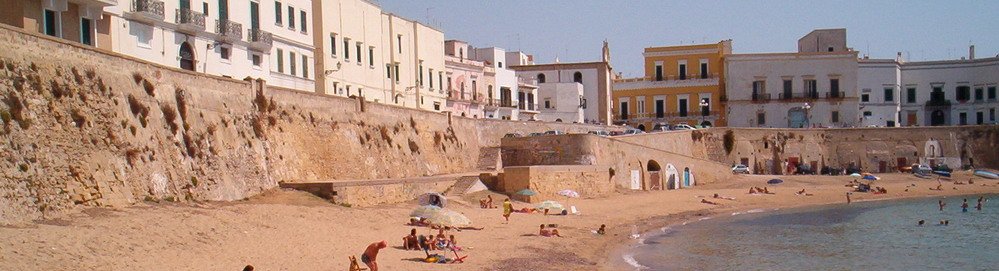
Located on the historic Gallipoli Peninsula in northwestern Türkiye, Gelibolu (Gallipoli) is one of the country’s most significant destinations for history, remembrance, and natural beauty. Overlooking the strategic Dardanelles Strait, this peaceful coastal town attracts visitors from around the world who come to explore the famous Gallipoli battlefields, pay tribute at the war memorials, and discover centuries of Turkish and Ottoman heritage.
Today, Gelibolu offers a unique combination of poignant historical sites, charming coastal scenery, traditional Turkish culture, and beautiful landscapes, making it an essential destination for history enthusiasts, nature lovers, and cultural travellers alike.
History
The history of Gelibolu dates back to the 7th century BC, when it was established as the ancient city of Gallipolis. Owing to its strategic position controlling access between Europe and Asia, the settlement became an important military and commercial centre throughout antiquity, the Byzantine Empire, and the Ottoman period.
The ancient Gallipolis Fortress, originally built during classical times, was later restored by the Byzantine Emperor Justinian I during the 6th century AD. Following the Ottoman conquest in the 14th century, Gelibolu became one of the empire’s first and most important naval bases, playing a vital role in Ottoman expansion into the Balkans.
Gelibolu is internationally renowned for the Gallipoli Campaign of 1915 during the First World War. The campaign saw fierce fighting between Ottoman forces and the Allied armies, including troops from Australia, New Zealand, Britain, and France. Under the leadership of Mustafa Kemal, later known as Atatürk, the Ottoman army successfully defended the peninsula. The battle claimed the lives of more than 500,000 soldiers from both sides and became a defining event in the histories of Türkiye, Australia, and New Zealand.
Today, the Gallipoli battlefields remain a place of remembrance, reconciliation, and peace, welcoming thousands of visitors every year.
Geography
Gelibolu is situated on the Gallipoli Peninsula, which separates the Aegean Sea from the Dardanelles Strait. The district is characterised by rolling green hills, pine forests, fertile plains, rugged cliffs, sandy beaches, and dramatic coastal landscapes.
The area’s mild climate and scenic coastline provide an ideal setting for both historical exploration and outdoor recreation. Rich wildlife habitats, salt lakes, and protected natural areas further enhance the peninsula’s environmental importance.
Top Attractions
The most important attraction is the Gelibolu Peninsula Historical National Park, established to commemorate the soldiers who lost their lives during the Gallipoli Campaign. Covering the southern part of the peninsula, the park contains preserved battlefields, military cemeteries, memorials, monuments, trenches, and museums that vividly illustrate one of the most significant campaigns of the First World War.
Among its natural highlights are the impressive Arıburnu Cliffs, where the ANZAC landings took place, and Tuz Gölü (Salt Lake), an important wetland known for its birdlife and tranquil scenery.
Within Gelibolu town, visitors can discover numerous examples of Ottoman architecture, including the Ulu Mosque (Hüdavendigâr Mosque), built during the reign of Sultan Murad I, the elegant Azebler Namazgâh (Open-Air Prayer Ground), the Yazıcızade Mosque, and the Sofuca Halil Mosque.
Other notable historical monuments include the Tombs of Ahmet Bican, Yazıcızade Mehmed, and Sarıca Pasha, together with the historic Kasapoğlu Ali Bey Bath and Saruca Pasha Bath.
A short drive north to Bolayır offers the Mosque and Tomb of Gazi Süleyman Pasha, one of the leading figures in the Ottoman conquest of the Balkans, as well as the grave of the celebrated Turkish poet and patriot Namık Kemal.
Things to Do
Walking through the Gallipoli battlefields provides an unforgettable insight into one of the defining moments of modern history. Visitors can follow marked trails linking memorials, cemeteries, and preserved trenches while learning about the stories of the soldiers who fought here.
History enthusiasts can explore the town’s Ottoman monuments and Byzantine remains, while photographers will appreciate the peninsula’s dramatic coastal scenery and panoramic viewpoints overlooking the Dardanelles.
Nature lovers can enjoy birdwatching around Tuz Gölü, hiking across the rolling hills, relaxing on quiet beaches, or taking scenic drives through forests and coastal villages.
Excursions and Tours
Guided Gallipoli battlefield tours are among the most popular excursions from Gelibolu and nearby Çanakkale. These tours typically include ANZAC Cove, Lone Pine Cemetery, Chunuk Bair, the Turkish Memorial, Johnston’s Jolly, and other important battlefield sites, accompanied by expert historical commentary.
Visitors can also combine a visit to Gelibolu with excursions to the ancient city of Troy, the city of Çanakkale, the Dardanelles, or the islands and coastal villages of the northern Aegean.
Food and Drink
Gelibolu’s cuisine reflects the rich culinary traditions of the Marmara and Aegean regions. Fresh seafood, locally caught fish, grilled octopus, calamari, and mussels feature prominently on restaurant menus.
Traditional Turkish dishes prepared with seasonal vegetables, olive oil, and local herbs are widely available, alongside delicious mezes, homemade pastries, and regional cheeses. Visitors should also sample locally produced olives, olive oil, and traditional Turkish desserts served with freshly brewed Turkish tea.
Accommodation
Gelibolu offers a variety of accommodation options, including boutique hotels, family-run guesthouses, seaside pensions, and comfortable modern hotels. Many properties provide easy access to the historic battlefields, museums, beaches, and the town centre, making them convenient bases for exploring the peninsula.
Climate
Gelibolu enjoys a Mediterranean climate with some maritime influences. Summers are warm, sunny, and generally dry, making them ideal for sightseeing and coastal activities. Winters are mild and wetter, while spring and autumn offer comfortable temperatures, colourful landscapes, and fewer crowds, making these seasons particularly popular for historical tours.
Getting There
Gelibolu is located approximately 55 kilometres north of Çanakkale and is easily accessible by road. Regular buses connect the town with İstanbul, Çanakkale, Edirne, Tekirdağ, and other major Turkish cities.
Vehicle ferries operate across the Dardanelles, providing convenient connections between the European and Asian sides of Türkiye. The nearest airports are Çanakkale Airport and Tekirdağ Çorlu Airport, while İstanbul’s international airports offer the widest range of domestic and international flights.
Nearby Attractions
Several outstanding destinations can be visited from Gelibolu. The city of Çanakkale offers museums, waterfront promenades, and ferry connections across the Dardanelles. The legendary ancient city of Troy, a UNESCO World Heritage Site, lies within easy reach, while Bozcaada and Gökçeada provide beautiful island escapes with vineyards, beaches, and traditional villages.
Other nearby attractions include Kilitbahir Fortress, Namazgâh Bastion, Seddülbahir Castle, and numerous memorials scattered throughout the Gallipoli Peninsula Historical National Park.
Travel Tips
The best time to visit Gelibolu is during spring (April to June) and autumn (September to October), when temperatures are pleasant for exploring the battlefields and outdoor attractions. Visitors planning to attend ANZAC Day commemorations on 25 April should book accommodation well in advance, as the area becomes exceptionally busy.
Comfortable walking shoes are recommended, as many historical sites involve uneven terrain and extended walking. Visitors are encouraged to behave respectfully throughout the memorials and cemeteries, recognising that Gallipoli remains one of the world’s most important sites of remembrance and reconciliation.