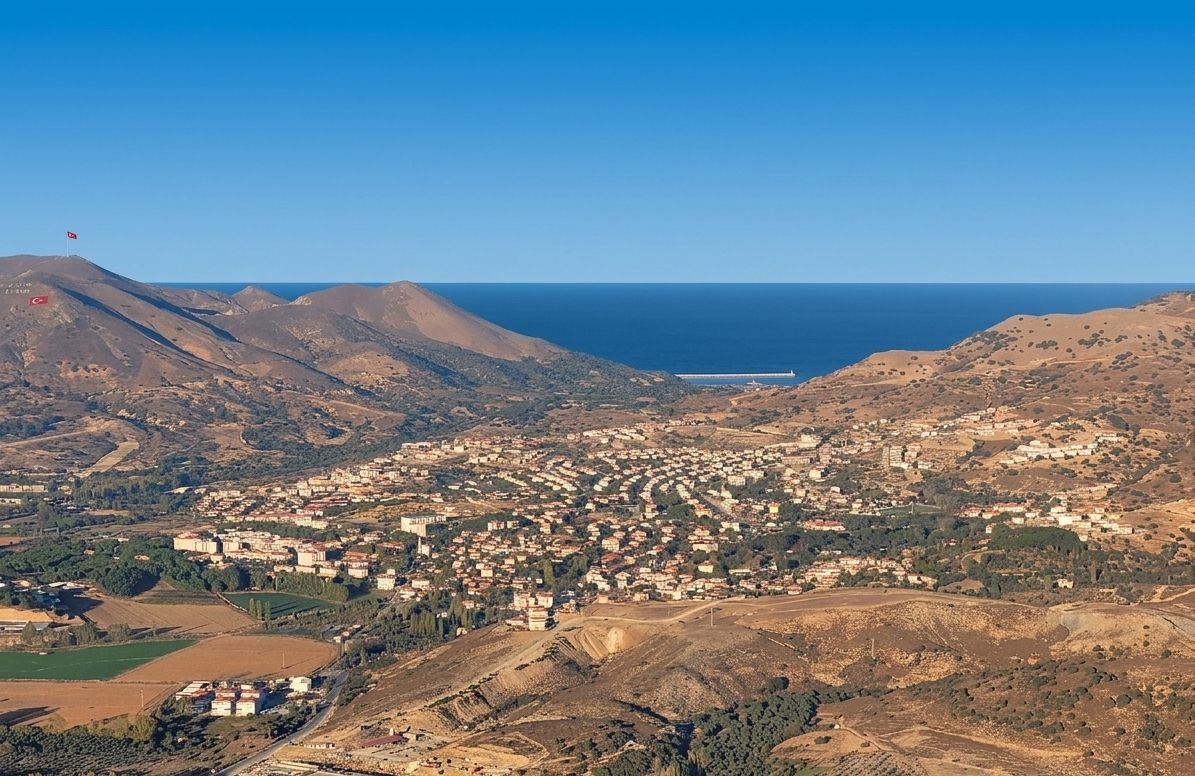
Gokceada, formerly known as Imbros, is the largest island in Turkiye and one of the most unspoilt destinations in the northern Aegean Sea. Located at the entrance to the Saros Gulf, off the coast of Canakkale Province, the island is renowned for its pristine beaches, crystal-clear waters, traditional villages, organic agriculture, and relaxed atmosphere.
Recognised as a member of the international Cittaslow (Slow City) movement, Gokceada encourages sustainable tourism and a slower pace of life. With its rich Greek and Turkish heritage, dramatic coastline, rolling hills, and excellent conditions for water sports, the island offers an ideal escape for nature lovers, history enthusiasts, photographers, and outdoor adventurers.
History
The history of Gokceada stretches back more than 5,000 years. Archaeological discoveries indicate that the island has been inhabited since the Early Bronze Age, making it one of the oldest continuously settled areas in the Aegean.
Throughout history, the island came under the influence of numerous civilizations, including the Ancient Greeks, Persians, Romans, Byzantines, Venetians, and Ottomans. Known as Imbros for most of its history, the island maintained a predominantly Greek Orthodox population for centuries, leaving behind a remarkable architectural and cultural legacy.
Following the establishment of the Republic of Turkiye, Gokceada gradually developed into a peaceful island community while preserving many of its historic churches, monasteries, stone houses, and traditional villages. Today, it is celebrated for its multicultural heritage and harmonious blend of history and nature.
Geography
Covering approximately 290 square kilometres, Gokceada is Türkiye’s largest island. The landscape is characterised by rugged mountains, fertile valleys, olive groves, vineyards, forests, freshwater springs, and an extensive coastline of secluded bays and sandy beaches.
The island benefits from strong northern winds, particularly the famous Poyraz, making it one of the country’s premier destinations for windsurfing and kitesurfing. Much of Gökçeada remains untouched by large-scale development, allowing visitors to experience an authentic Aegean environment.
Top Attractions
One of the island’s highlights is Kalekoy (Kastro), a picturesque harbour village overlooked by the ruins of a medieval Byzantine castle. Narrow stone streets, restored Greek houses, boutique cafés, seafood restaurants, and spectacular sunset views make it one of the island’s most popular destinations.
The historic villages of Zeytinli, Tepeköy, Dereköy, and Eski Bademli preserve traditional Greek architecture, cobbled streets, charming churches, and centuries-old stone houses that reflect the island’s multicultural past.
Nature lovers should visit Yıldız Bay Nature Park, home to rich marine life, crystal-clear waters, and one of Türkiye’s first underwater marine parks. The surrounding coastline is ideal for swimming, snorkelling, and diving.
Other attractions include the peaceful Salt Lake (Tuz Gölü) near Aydıncık Beach, seasonal flamingo sightings, scenic olive groves, vineyards, and panoramic viewpoints across the northern Aegean Sea.
Things to Do
Gokceada offers a wide variety of outdoor and cultural experiences throughout the year.
Visitors can swim in secluded coves, hike along coastal trails, explore traditional villages, sample local wines, visit historic churches, cycle through olive groves, or simply relax in the island’s tranquil surroundings.
The island is internationally recognised for windsurfing and kitesurfing, particularly at Aydıncık Beach, where consistent winds and shallow waters create ideal conditions for both beginners and experienced surfers.
Scuba diving is another popular activity thanks to the island’s exceptionally clear waters, underwater caves, reefs, and abundant marine life.
Photography enthusiasts will find endless opportunities to capture traditional architecture, dramatic coastlines, colourful fishing boats, and unforgettable sunsets.
Excursions and Tours
Boat excursions allow visitors to discover hidden bays, secluded beaches, sea caves, and dramatic coastal cliffs that are inaccessible by road.
Guided village tours introduce visitors to Gökçeada’s rich Greek and Turkish heritage, traditional cuisine, olive oil production, and local winemaking traditions.
Nature excursions include birdwatching around Tuz Gölü, hiking through pine forests, mountain walks, and cycling routes that reveal the island’s diverse landscapes.
Diving centres offer professionally guided scuba diving courses and excursions suitable for beginners as well as certified divers, exploring reefs, underwater rock formations, and the protected marine environment.
Beaches
Gokceada is famous for its clean beaches, turquoise waters, and relatively undeveloped coastline.
Aydıncık Beach is the island’s longest and most popular beach, offering fine sand, shallow waters, cafés, sun loungers, and excellent facilities for families and water sports enthusiasts.
Laz Bay is a favourite among windsurfers and those seeking crystal-clear waters in a peaceful setting.
Yıldız Bay combines beautiful scenery with camping facilities and direct access to the protected marine park, making it one of the island’s best snorkelling locations.
Mavi Bay (Blue Bay) is a secluded cove surrounded by rocky cliffs and untouched nature, perfect for visitors seeking tranquillity away from the crowds.
Numerous smaller coves scattered around the island provide excellent opportunities for swimming, snorkelling, and sunbathing in complete privacy.
Food and Drink
Gokceada is widely recognised as one of Türkiye’s leading centres of organic agriculture.
Local cuisine showcases fresh seasonal ingredients, high-quality olive oil, aromatic herbs, homemade cheeses, and freshly caught seafood. Restaurants serve grilled sea bass, octopus, calamari, stuffed mussels, and traditional Aegean meze accompanied by locally produced olive oil.
The island is also famous for its organic olives, thyme honey, goat’s cheese, homemade jams, and vineyards that have continued a winemaking tradition dating back thousands of years. Visitors can enjoy wine tastings at several local wineries while learning about the island’s long viticultural heritage.
Traditional desserts prepared with grapes, walnuts, figs, and local honey provide a delicious conclusion to any meal.
Accommodation
Accommodation on Gokceada ranges from boutique hotels and restored Greek stone houses to family-run guesthouses, beachfront pensions, eco-lodges, campsites, and modern holiday apartments.
Many visitors choose to stay in Kaleköy, Çınarlı, or Zeytinli, where they can enjoy easy access to restaurants, beaches, and the island’s historic villages while experiencing authentic island hospitality.
Climate
Gokceada enjoys a Mediterranean climate with warm, dry summers and mild, wetter winters.
The best times to visit are May, June, September, and early October, when temperatures are comfortable for sightseeing, hiking, and swimming.
July and August offer ideal beach weather but attract the largest number of visitors. Thanks to the constant northern winds, summer temperatures remain pleasant even during the hottest months.
Getting There
Gokceada is accessible by regular vehicle and passenger ferries departing from Kabatepe, near Eceabat on the Gallipoli Peninsula. The ferry journey takes approximately 1 hour and 15 minutes, with additional services operating during the busy summer season.
Kabatepe can be reached by road from Canakkale via the Dardanelles ferries or by intercity bus services from İstanbul, İzmir, Bursa, and other major Turkish cities.
Travellers bringing a vehicle are advised to reserve ferry tickets in advance during the summer months, as spaces often sell out quickly.
Nearby Attractions
Visitors to Gökçeada can combine their holiday with several outstanding destinations in the surrounding region.
The Gallipoli Peninsula Historical National Park offers important First World War memorials and battlefields, while the city of Canakkale features museums, waterfront promenades, and historic fortifications.
Other nearby attractions include the legendary ancient city of Troy, a UNESCO World Heritage Site, Bozcaada Island, famous for its vineyards and beaches, and the picturesque villages of the Biga Peninsula.
Travel Tips
The island is best explored by car or scooter, as public transport is limited and many beaches and villages are spread across the island.
Although ATMs are available in the main town, carrying some cash is recommended for shopping in smaller villages and local markets.
Visitors should pack comfortable walking shoes, swimwear, sunscreen, and a light jacket, as evenings can become cool even during summer due to the refreshing Aegean winds.
Those planning to enjoy water sports or diving should book lessons and equipment in advance during the peak tourist season.
Above all, embrace the island’s relaxed pace of life. Gokceada is a destination where time slows down, allowing visitors to enjoy beautiful sunsets, traditional village life, fresh local cuisine, and the timeless beauty of the northern Aegean.