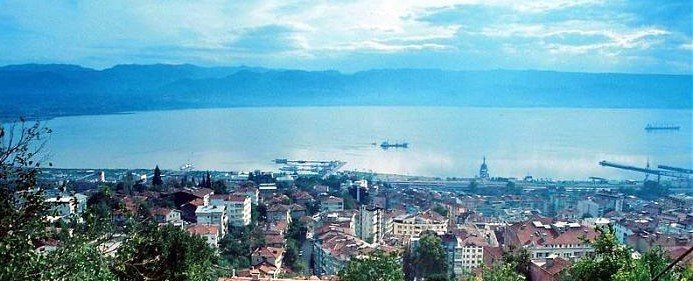
İzmit, the capital of Kocaeli Province, is a major city in northwestern Turkey located on the eastern edge of the Marmara Sea. Just a short drive from Istanbul, İzmit is an important industrial and transportation hub, but it also preserves a rich historical legacy dating back to Roman times.
Known in antiquity as Nicomedia, the city was once one of the most important centers of the Roman Empire in Anatolia. Today, İzmit blends its ancient past with modern industry, coastal scenery, museums, and traditional Turkish culture, making it a rewarding stop for both cultural and business travelers.
History
İzmit’s history stretches back more than two millennia. It was founded as Nicomedia in the 4th century BC and later became a major city of the Roman Empire, even serving as an imperial capital during certain periods.
Under the Romans, Nicomedia was a rival to Constantinople in importance and was known for its palaces, baths, aqueducts, and administrative buildings. The city also played a role in early Christian history and later became part of the Byzantine Empire.
After the Ottoman conquest, İzmit developed as a regional center for trade, crafts, and maritime activity. Its strategic location on routes connecting Istanbul to Anatolia ensured continued importance through the centuries.
In the modern era, İzmit has become one of Turkey’s key industrial cities, particularly in petrochemicals, manufacturing, and logistics, while still maintaining cultural and historical landmarks.
Geography
İzmit is located at the eastern end of the Sea of Marmara, surrounded by:
- Gulf of İzmit (Izmit Bay)
- Forested hills and mountains
- Fertile agricultural areas
- Industrial zones and ports
- Coastal promenades and parks
Its coastal position and access to major highways make it one of Turkey’s most strategically important cities.
Top Attractions
İzmit Clock Tower (Saat Kulesi)
One of the city’s most iconic landmarks, the İzmit Clock Tower was built in the early 20th century during the Ottoman period. It stands near the waterfront and symbolizes the city’s historical identity.
İzmit Ethnography Museum (Saatçi Ali Efendi Mansion)
A restored 18th-century Ottoman mansion, this museum showcases traditional life in the region, including household items, clothing, crafts, and cultural exhibits.
İzmit Bay Waterfront
The coastline along the Gulf of İzmit features parks, walking paths, cafés, and recreational areas, making it a popular place for relaxation and evening strolls.
Gayret Ship Museum
A decommissioned naval ship converted into a museum, offering insight into Turkey’s maritime history.
Hereke (nearby)
Famous worldwide for its high-quality Hereke carpets, this town has been a center of fine weaving since the Ottoman period. These carpets were once produced for palaces and diplomatic gifts.
Things to Do
Explore Historical Sites
Visit the ethnography museum, Ottoman mansions, and remnants of ancient Nicomedia.
Walk Along the Coast
Enjoy İzmit’s waterfront parks and views over the Gulf of İzmit.
Visit Hereke Carpet Workshops
Discover traditional Turkish carpet weaving techniques and handmade luxury carpets.
Try Local Cuisine
Taste regional dishes and famous local sweets.
Discover Industrial Heritage
Learn about İzmit’s transformation into one of Turkey’s industrial powerhouses.
Food and Drink
İzmit offers a mix of traditional Marmara cuisine and local specialties.
Must-try foods include:
- Pişmaniye – the city’s most famous sweet, made from fine strands of sugar and flour, similar to cotton candy
- Fresh fish from the Marmara Sea
- Kebabs and grilled meats
- Turkish breakfast spreads
- Pastries such as börek
- Local desserts and sweets
Pişmaniye is especially popular as a souvenir and is widely associated with İzmit.
Accommodation
İzmit offers a range of accommodation options:
- Business hotels
- City-center hotels
- Boutique hotels
- Coastal hotels near the Gulf
- Budget guesthouses
- Nearby luxury hotels in Istanbul or Sapanca
Most hotels cater to business travelers due to the city’s industrial importance.
Climate
İzmit has a Marmara transitional climate influenced by both sea and inland conditions.
Spring (March–May):
Mild and green, ideal for sightseeing.
Summer (June–August):
Warm and humid, especially near the coast.
Autumn (September–November):
Cool and pleasant with colorful landscapes.
Winter (December–February):
Cold, rainy, and sometimes snowy in higher areas.
Getting There
By Road
İzmit is extremely accessible:
- ~100 km from Istanbul
- Located on major highways connecting Europe and Anatolia
By Train
High-speed and regional trains connect İzmit with Istanbul, Ankara, and other major cities.
By Sea
Ferry services operate across the Gulf of İzmit and Marmara routes.
By Air
Nearest airport:
- Istanbul Sabiha Gökçen International Airport
Nearby Attractions
- Sapanca Lake – nature, walking trails, and lakeside cafés
- Maşukiye – waterfalls and forest scenery
- Hereke – famous carpet workshops
- Kartepe Mountain – skiing in winter, hiking in summer
- Istanbul – historical and cultural capital
- Yalova Thermal Springs – hot spring resorts
- Ballıkayalar Nature Park (Gebze) – canyon hiking and climbing
Travel Tips
- Try authentic pişmaniye from local shops
- Visit the waterfront in the evening for the best atmosphere
- Combine İzmit with Sapanca and Maşukiye for nature trips
- Explore Hereke for traditional carpet craftsmanship
- Use İzmit as a base for exploring both Istanbul and eastern Marmara
- Expect busy traffic due to industrial activity during weekdays
İzmit is a city where ancient Roman heritage, Ottoman culture, and modern industry meet. From the historic ruins of Nicomedia to scenic coastal promenades and world-famous pişmaniye, it offers a unique blend of history, culture, and contemporary urban life in the heart of the Marmara region.