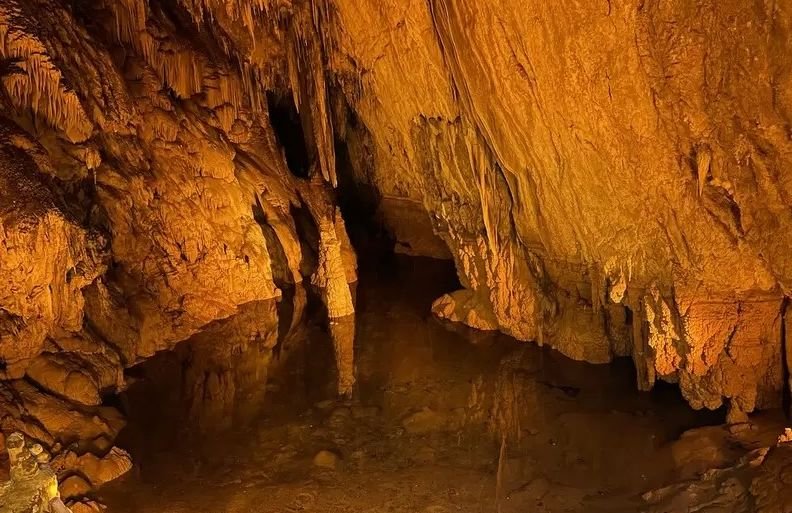
Away from the busy beaches and popular resorts of the Mediterranean coast, Çimeniçi Cave remains one of the lesser-known natural treasures of the Alanya region. Located in the eastern part of Antalya Province, near the village of Şıhlar (formerly known as Şeyhler), the cave offers visitors a fascinating combination of geological formations, underground beauty, and traces of ancient human activity.
Situated on the southern slopes of Cebireis Mountain, Çimeniçi Cave provides an excellent opportunity for travelers interested in nature, geology, archaeology, and off-the-beaten-path experiences.
Unlike the famous tourist caves of Alanya, Çimeniçi Cave has not yet been fully developed as a major tourist attraction, preserving its untouched atmosphere and natural character.
Location and How to Reach Çimeniçi Cave
Çimeniçi Cave is located east of Alanya, near the rural settlement of Şıhlar Village.
The route begins from the Konya–Gazipaşa highway, where a stabilized road branches off near the Demirtaş district. From this point:
- The distance to Şıhlar Village is approximately 15 kilometers.
- After reaching the village, the cave can be accessed by a short walking route.
The journey itself offers beautiful views of the Taurus Mountains, Mediterranean landscapes, traditional villages, and rural Anatolian scenery.
Because the cave is located away from major tourist routes, visitors should plan carefully and preferably travel with local guidance or suitable navigation equipment.
Geological Formation of Çimeniçi Cave
Çimeniçi Cave was formed within limestone formations typical of the Taurus Mountain region, an area famous for its extensive karst landscapes.
The cave has developed in a relatively limited and compact limestone area, which has resulted in a completely dry underground environment. Unlike some caves formed by active underground rivers, Çimeniçi Cave does not contain flowing water or underground lakes.
The cave’s interior remains naturally cool throughout the year, providing a refreshing atmosphere compared with the warm Mediterranean climate outside.
Average temperatures inside the cave range between:
17°C and 20°C
This stable underground climate is typical of many limestone caves and contributes to the preservation of its natural formations.
Structure and Dimensions
Although relatively small compared with some of Türkiye’s larger caves, Çimeniçi Cave is remarkable for the beauty and variety of its formations.
The total length of the cave is approximately:
10 meters
The cave is mainly horizontal, except for a steep section leading to a higher chamber system.
Its interior consists of:
- Multiple interconnected chambers
- Two main geological levels
- Rich travertine formations
- Natural stone columns
- Decorative wall formations
The entrance originally opened in an east-southeast to west direction. Over time, natural travertine pillars developed inside the opening area, dividing the cave into separate chambers.
The Upper Chambers
After the initial horizontal section, the cave continues through a steep climb of approximately 57 meters.
This upper section is located around 10 meters above the entrance level and contains two large chambers.
These chambers provide visitors with a different perspective of the cave’s geological development, showing how underground spaces can evolve over thousands of years through mineral deposits and natural processes.
Impressive Travertine Formations
The most striking feature of Çimeniçi Cave is its exceptional variety of travertine formations.
Inside the cave, visitors can observe:
- Tall travertine columns
- Flowstone formations
- Curtain-like draperies along the walls
- Mineral deposits covering large areas of the chambers
These formations have developed slowly as mineral-rich water deposited layers of calcium carbonate over long periods.
The travertine pillars are particularly impressive because they occupy much of the cave’s interior space, creating a natural underground architecture shaped entirely by geological processes.
Historical Importance
The area surrounding Çimeniçi Cave contains traces of ancient settlement and historical activity.
Archaeological remains and Roman-period traces have been identified in the vicinity, suggesting that the cave and its surroundings were known and used during earlier historical periods.
Although no written documents have been discovered explaining the exact purpose of the cave, evidence suggests that people were familiar with and possibly used the area in ancient times.
The combination of natural formations and nearby historical remains makes Çimeniçi Cave particularly interesting for visitors interested in both geology and archaeology.
A Hidden Attraction of the Alanya Region
Unlike the more famous Damlataş Cave in central Alanya, Çimeniçi Cave remains outside the traditional tourist circuit. Its lack of commercial development allows visitors to experience a more authentic underground environment.
The cave is especially appealing for:
- Nature enthusiasts
- Amateur geologists
- Adventure travelers
- Photographers
- Visitors seeking quiet rural experiences
- Travelers interested in ancient landscapes
Nearby Attractions
A visit to Çimeniçi Cave can be combined with other attractions in the Alanya and eastern Antalya region.
Nearby places worth exploring include:
Alanya Castle
One of Türkiye’s most impressive medieval fortresses, offering panoramic views over the Mediterranean Sea.
Damlataş Cave
A famous cave near Alanya harbor, known for its stalactites and humid microclimate.
Dim Cave
One of the region’s most spectacular caves, featuring underground lakes and impressive formations.
Sapadere Canyon
A beautiful natural canyon with waterfalls, walking paths, and refreshing mountain scenery.
Gazipaşa Coast
A quieter Mediterranean destination known for beaches, coves, and natural landscapes.
Visiting Çimeniçi Cave: Travel Tips
- The cave is not a fully developed tourist attraction, so facilities are limited.
- Wear comfortable walking shoes suitable for uneven terrain.
- Bring water, especially during summer months.
- A flashlight or headlamp is recommended.
- Avoid visiting alone, as underground areas require caution.
- Respect the natural formations and avoid touching mineral deposits.
- Local guidance can greatly improve the experience.
A Natural Treasure Waiting to Be Discovered
Çimeniçi Cave represents a different side of Alanya—one beyond beaches, hotels, and coastal tourism. Its combination of underground beauty, geological formations, and nearby historical traces makes it a fascinating destination for travelers looking to explore the hidden landscapes of the Taurus Mountains.
Although it has not yet become a major tourist attraction, this untouched cave offers a rare opportunity to discover the natural heritage of southern Türkiye and experience the quiet beauty of Anatolia’s underground world.