Category: Health

  • Tourist Health in Turkiye

    Health and Safety Services for Travelers in Turkey

    Turkey has developed a comprehensive approach to tourist health and safety, recognizing the importance of protecting visitors while maintaining high standards in the country’s major tourism regions. Through cooperation between health authorities, universities, tourism organizations, and local institutions, various programs aim to ensure that travelers enjoy safe, healthy, and comfortable holidays.

    The Turkish Tourist Health Society (Turizm Sağlığı Derneği), established with academic support from Hacettepe University Faculty of Medicine, has contributed to improving health standards in tourism areas throughout Turkey.

    Its main objective is to provide travelers with reliable health protection services, especially in popular coastal resorts, cultural destinations, and major tourism centers.


    Main Functions of Tourist Health Services in Turkey

    The Turkish Tourist Health Society and related tourism health programs focus on three important areas:

    1. Food Hygiene and Safety

    Ensuring safe food and beverage standards is one of the most important aspects of tourist health.

    Programs aim to:

    • Monitor food preparation areas in tourism establishments.
    • Encourage hygienic practices in hotels, restaurants, and catering facilities.
    • Promote safe storage and preparation of food products.
    • Reduce the risk of foodborne illnesses.
    • Improve hygiene awareness among food service employees.

    Hotels, restaurants, and tourism businesses are encouraged to follow strict hygiene regulations to protect both domestic and international visitors.


    2. Prevention of Environmental Pollution

    A clean environment is essential for sustainable tourism and public health.

    Health and environmental programs support:

    • Protection of beaches, seas, and natural areas.
    • Proper waste management.
    • Clean water systems.
    • Pollution control measures.
    • Preservation of tourism destinations.

    These efforts are particularly important in Turkey’s coastal regions, national parks, and environmentally sensitive areas.


    3. Hygiene and Healthy Working Conditions in Tourism Facilities

    Tourism employees play an important role in maintaining visitor health standards.

    Programs focus on:

    • Improving workplace hygiene.
    • Training tourism workers in health and safety practices.
    • Ensuring clean accommodation facilities.
    • Supporting safe working environments in hotels, restaurants, and recreational facilities.

    These measures help maintain quality standards across Turkey’s tourism industry.


    Medical Services Available for Tourists in Turkey

    Turkey offers extensive healthcare facilities for international visitors, including:

    • Public hospitals
    • Private hospitals
    • Emergency medical services
    • University hospitals
    • Specialized clinics
    • Pharmacies throughout cities and tourist areas

    Major tourism destinations such as Istanbul, Antalya, İzmir, Muğla, Ankara, Bursa, and Cappadocia have modern healthcare facilities capable of serving international travelers.


    Emergency Health Services

    Visitors in Turkey can access emergency medical assistance through:

    Emergency Telephone Number: 112

    The 112 Emergency Health Service provides:

    • Ambulance services
    • Emergency medical response
    • Transportation to hospitals

    Emergency services operate throughout the country.


    Pharmacies and Medicines

    Pharmacies (Eczane) are widely available throughout Turkey.

    Visitors can find pharmacies in:

    • City centers
    • Tourist resorts
    • Shopping areas
    • Residential neighborhoods

    Important points:

    • Many pharmacists can communicate in English, especially in tourist regions.
    • Prescription requirements may vary depending on the medication.
    • Travelers should carry necessary personal medicines and prescriptions.

    Travel Health Recommendations

    Visitors to Turkey are generally advised to:

    • Drink sufficient water, especially during summer.
    • Protect themselves from strong sun exposure.
    • Follow normal food and water hygiene precautions.
    • Carry travel insurance covering medical expenses.
    • Keep important medical documents available.
    • Seek medical advice before traveling if they have specific health conditions.

    Health Standards in Turkish Tourism

    Turkey’s tourism industry places strong emphasis on:

    • Hotel hygiene
    • Food safety
    • Environmental protection
    • Professional healthcare services
    • International tourism standards

    Many hotels, especially high-quality resorts, follow strict hygiene procedures and provide additional services such as:

    • On-site medical assistance
    • First-aid services
    • Health and wellness facilities
    • Spa and rehabilitation centers

    Health Tourism in Turkey

    In addition to traditional tourism, Turkey has become a major destination for health and medical tourism.

    Popular fields include:

    • Thermal tourism
    • Rehabilitation programs
    • Dental treatments
    • Cosmetic and aesthetic procedures
    • Eye treatments
    • General medical services

    Cities such as Istanbul, Antalya, İzmir, Bursa, Ankara, and thermal destinations like Pamukkale and Yalova are important centers for health tourism.


    Tourist health in Turkey is supported by cooperation between medical institutions, tourism organizations, and public authorities. Through food safety programs, environmental protection measures, and improved hygiene standards in tourism facilities, Turkey continues to provide a safe and comfortable environment for millions of international visitors each year.

    With modern healthcare services, extensive emergency facilities, and a strong tradition of thermal and wellness tourism, Turkey offers travelers both enjoyable holidays and reliable health support.
  • Türkiye Health System: A Modern Healthcare Model Combining Accessibility, Quality, and Innovation

    Türkiye has developed one of the most comprehensive healthcare systems in its region, focusing on three fundamental goals of modern healthcare: improving the quality of patient care, improving population health outcomes, and ensuring sustainable healthcare costs.

    Over the past two decades, Türkiye has made significant progress in healthcare transformation through major investments in infrastructure, medical education, technology, research, accreditation systems, and accessibility. Today, the Turkish healthcare system provides a wide range of medical services to both citizens and international patients, making the country one of the leading destinations for health tourism.

    The primary objective of Türkiye’s healthcare system is to protect public health, prevent diseases, provide accessible treatment, and improve the overall quality of life.


    Structure of the Healthcare System in Türkiye

    The healthcare system in Türkiye operates through a comprehensive multi-level structure involving public institutions, private healthcare providers, and universities.

    The main healthcare providers include:

    • Public hospitals operated by the Ministry of Health of Türkiye
    • Private hospitals and medical groups
    • University hospitals
    • Research and training hospitals
    • Primary healthcare centers

    Healthcare services are organized into three main levels:

    Primary Healthcare Services

    Primary healthcare focuses on prevention, early diagnosis, and basic medical services.

    The foundation of primary care in Türkiye is the Family Medicine System, where family physicians provide:

    • Preventive healthcare
    • Routine examinations
    • Vaccination programs
    • Chronic disease monitoring
    • Health counseling
    • Initial diagnosis and referrals

    This system ensures that citizens have easy access to essential healthcare services close to their communities.


    Secondary Healthcare Services

    Secondary healthcare includes general hospitals and specialized medical facilities providing more advanced treatments.

    These services are mainly offered through:

    • Public hospitals
    • Private hospitals
    • Specialized medical centers

    Secondary healthcare covers:

    • Specialist consultations
    • Medical imaging
    • Laboratory services
    • Surgical procedures
    • Emergency care
    • Inpatient treatments

    Tertiary Healthcare Services

    Tertiary healthcare represents the highest level of medical care and includes advanced treatment, research, and education facilities.

    These include:

    • Research and training hospitals
    • Public university hospitals
    • Private university hospitals

    They provide highly specialized services such as:

    • Advanced surgery
    • Cancer treatment
    • Organ transplantation
    • Robotic surgery
    • Complex diagnostic procedures
    • Clinical research

    Healthcare Transformation Program

    A major milestone in Türkiye’s healthcare development was the Health Transformation Program, launched in 2003.

    This nationwide reform initiative significantly improved:

    • Access to healthcare services
    • Hospital infrastructure
    • Medical technology
    • Patient satisfaction
    • Healthcare efficiency
    • Quality standards

    The program expanded healthcare coverage and modernized hospitals throughout the country, benefiting both urban and rural communities.


    Modern Healthcare Infrastructure

    Türkiye has invested heavily in building a modern healthcare network consisting of advanced hospitals, clinics, and medical facilities.

    Today, healthcare infrastructure includes:

    • Modern public hospitals
    • Internationally accredited private hospitals
    • University medical centers
    • Advanced diagnostic facilities
    • Specialized treatment centers

    One of the most important developments has been the construction of city hospitals (şehir hastaneleri).

    These large-scale medical complexes represent a new generation of healthcare facilities designed to provide comprehensive services under one roof.

    City Hospitals in Türkiye

    City hospitals feature:

    • High-capacity medical departments
    • Advanced surgical units
    • Modern intensive care facilities
    • Smart hospital technologies
    • Earthquake-resistant construction systems
    • Integrated diagnostic and treatment services

    A total of 33 city hospitals are planned, with many already operational across different regions of Türkiye.

    Their large capacity and advanced technology have strengthened Türkiye’s ability to respond effectively during healthcare emergencies, including the COVID-19 pandemic.


    Medical Education and Research

    Türkiye places strong emphasis on medical education, scientific research, and professional development.

    The country has numerous respected medical universities and training institutions that educate highly qualified healthcare professionals.

    Medical education includes:

    • Comprehensive undergraduate medical training
    • Specialist residency programs
    • Continuous professional development
    • Clinical research opportunities

    After completing medical school, doctors undergo specialization training in hospitals and academic institutions, allowing them to develop expertise in specific medical fields.

    Turkish medical researchers contribute to international scientific studies in areas including:

    • Oncology
    • Cardiovascular medicine
    • Neuroscience
    • Genetics
    • Surgery
    • Medical technology

    The combination of strong education and practical clinical experience has helped Türkiye develop a skilled healthcare workforce.


    Accreditation and Healthcare Quality Standards

    Quality assurance is an essential part of Türkiye’s healthcare system.

    Hospitals, medical schools, and healthcare training institutions undergo evaluation and accreditation processes to ensure compliance with international standards.

    The Ministry of Health of Türkiye actively participates in global healthcare quality initiatives and is a member of ISQua (International Society for Quality in Health Care), the international umbrella organization for healthcare quality and accreditation.

    Healthcare quality standards in Türkiye focus on:

    • Patient safety
    • Clinical effectiveness
    • Infection control
    • Healthcare management
    • Medical ethics
    • Service quality

    These standards apply to:

    • Public hospitals
    • Private hospitals
    • University hospitals
    • Healthcare organizations

    Qualified Healthcare Workforce

    Türkiye has a large and well-trained healthcare workforce consisting of:

    • Physicians
    • Surgeons
    • Nurses
    • Dentists
    • Pharmacists
    • Allied healthcare professionals

    The country’s medical education system ensures that healthcare professionals receive comprehensive theoretical knowledge and practical clinical training.

    Many doctors and healthcare staff working in major hospitals are fluent in foreign languages, especially English, making Türkiye particularly attractive for international patients.


    Digital Healthcare and Medical Technology

    Türkiye has made significant investments in digital transformation within healthcare.

    Hospitals increasingly use:

    • Electronic health records
    • Digital patient management systems
    • Artificial intelligence applications
    • Big data analysis
    • Advanced diagnostic technologies
    • Telemedicine solutions

    The use of healthcare information systems helps improve:

    • Treatment planning
    • Medical decision-making
    • Patient monitoring
    • Healthcare efficiency

    Türkiye has become one of the countries making strong progress in integrating digital technologies into healthcare management.


    Medical Tourism in Türkiye

    Türkiye has become one of the world’s most popular destinations for medical tourism due to the combination of:

    • Modern hospitals
    • Experienced doctors
    • Advanced technology
    • International accreditation
    • Competitive prices
    • Short waiting times
    • Tourism opportunities

    International patients commonly travel to Türkiye for:

    • Cosmetic surgery
    • Hair transplantation
    • Dental treatments
    • Eye surgery
    • Orthopedic procedures
    • Cardiovascular treatments
    • Oncology services
    • Fertility treatments
    • General health check-ups

    Major medical tourism centers include:

    • Istanbul
    • Ankara
    • İzmir
    • Antalya
    • Bursa
    • Muğla
    • Kayseri
    • Adana

    International Health Tourism Regulations

    Türkiye has established a regulated system to ensure safe and high-quality healthcare services for international patients.

    According to national regulations, healthcare providers and intermediary organizations offering international health tourism services must obtain an International Health Tourism Authorization Certificate from the Ministry of Health.

    To receive authorization, organizations must comply with:

    • Healthcare quality standards
    • Patient safety requirements
    • Professional service criteria
    • International patient management procedures

    This government supervision helps ensure that foreign patients receive reliable, transparent, and professional healthcare services.


    The Future of Healthcare in Türkiye

    With continuous investments in medical technology, hospital infrastructure, healthcare education, and international standards, Türkiye continues to strengthen its position as a regional and global healthcare center.

    The combination of advanced medical facilities, qualified healthcare professionals, digital innovation, and patient-focused services has transformed Türkiye into a trusted destination for healthcare and medical tourism.

    Today, Türkiye’s healthcare system represents a balance between modern medicine, accessibility, quality assurance, and international patient care, offering a comprehensive healthcare model for the future.

  • Health Care in Türkiye

    Türkiye has a modern and well-developed healthcare system that provides high-quality medical services to both residents and international visitors. Public hospitals, private hospitals, clinics, and pharmacies are widely available throughout the country, with the highest concentration of medical facilities found in major cities and popular tourist destinations.

    Many private hospitals are internationally accredited and offer excellent medical care, while English-speaking doctors and healthcare professionals are commonly available in Istanbul, Ankara, İzmir, Antalya, Bodrum, Marmaris, Fethiye, and other major tourist areas.

    Hospitals and Medical Services

    Visitors can access healthcare through both public and private medical facilities. Private hospitals generally offer shorter waiting times, multilingual staff, and comprehensive services that cater to international travelers.

    Emergency medical treatment is available 24 hours a day, and ambulance services operate throughout the country. Most hotels can also assist guests in arranging medical appointments or transportation to the nearest healthcare facility if needed.

    It is strongly recommended that visitors obtain comprehensive travel insurance covering medical treatment, hospitalization, and emergency evacuation before traveling to Türkiye.

    Pharmacies (Eczane)

    Pharmacies, known locally as eczane, are widely available in cities, towns, and tourist resorts. During normal business hours, numerous pharmacies operate throughout each neighborhood.

    Outside regular opening hours, a designated duty pharmacy (Nöbetçi Eczane) remains open overnight, on weekends, and during public holidays to provide essential medications and healthcare advice. Information about the nearest duty pharmacy is displayed on pharmacy doors and is also available online.

    Many pharmacists speak basic English and can assist with common health concerns, recommend over-the-counter medications, or advise when medical attention is necessary.

    Drinking Water

    Tap water in most urban areas is treated and generally meets national safety standards. However, many visitors prefer to drink bottled water, which is inexpensive and readily available throughout Türkiye.

    When traveling in rural or remote areas, bottled water is the safest choice. Ice served in reputable hotels, restaurants, and cafés is generally made from purified water, although travelers with sensitive stomachs may prefer to exercise additional caution.

    Food Safety

    Türkiye is renowned for its rich culinary traditions, and food hygiene standards are generally high, particularly in established restaurants, hotels, and tourist areas.

    To reduce the risk of food-related illness:

    • Eat at busy restaurants with a high turnover of freshly prepared food.
    • Ensure meat, seafood, and poultry are thoroughly cooked.
    • Wash or peel fresh fruits before eating.
    • Consume dairy products from reputable suppliers.
    • Practice good hand hygiene before meals.

    Street food is a popular part of Turkish culture and is usually safe when purchased from vendors with good hygiene practices and a steady flow of customers.

    Vaccinations and Health Precautions

    No special vaccinations are required for most travelers arriving in Türkiye from Europe, North America, or many other countries. However, travelers should ensure their routine vaccinations are up to date before departure.

    Depending on your travel plans, length of stay, and personal health, your healthcare provider may recommend additional vaccinations such as:

    • Hepatitis A
    • Hepatitis B
    • Typhoid
    • Tetanus booster

    Travelers planning extended stays in remote rural areas should consult their physician before departure regarding any additional health precautions.

    Mosquitoes and Insect Protection

    Mosquitoes may be present during the warmer months, particularly in coastal regions, wetlands, and rural areas.

    To reduce insect bites:

    • Use insect repellent containing an effective active ingredient.
    • Wear lightweight, long-sleeved clothing during the evening.
    • Stay in accommodations with window screens or air conditioning where possible.

    Sun Protection

    Summers in Türkiye can be extremely hot, especially along the Mediterranean and Aegean coasts, where temperatures frequently exceed 35°C (95°F).

    To stay safe in the sun:

    • Apply broad-spectrum sunscreen with a high SPF.
    • Wear a wide-brimmed hat and UV-protective sunglasses.
    • Drink plenty of water to stay hydrated.
    • Avoid prolonged exposure during the hottest hours of the day, typically between 11:00 a.m. and 4:00 p.m.

    Air Quality

    Air quality is generally good across much of Türkiye. However, like many large cities worldwide, temporary increases in air pollution may occur in major urban areas during winter or periods of heavy traffic. Travelers with asthma or chronic respiratory conditions should carry any prescribed medications and monitor local air quality if they are particularly sensitive.

    Travel Health Tips

    Before traveling to Türkiye:

    • Purchase comprehensive travel medical insurance.
    • Carry an adequate supply of any prescription medications in their original packaging.
    • Bring copies of prescriptions for essential medicines.
    • Pack sunscreen, insect repellent, and a basic first-aid kit.
    • Wear comfortable footwear if you plan to explore archaeological sites, hiking trails, or historic city centers with uneven surfaces.

    With modern hospitals, experienced medical professionals, and an extensive pharmacy network, Türkiye offers reliable healthcare services for international visitors, allowing travelers to enjoy their holiday with confidence and peace of mind.

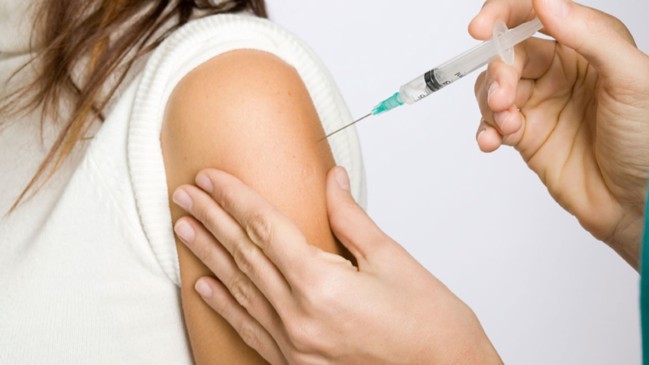
  • Are Any Vaccinations Required for Tourists Entering Turkiye?

    vaccine

    For most international travelers, no mandatory vaccinations are required to enter Türkiye. Visitors arriving from Europe, North America, Australia, and many other countries can generally enter the country without presenting proof of routine vaccinations.

    However, travelers arriving from countries where certain infectious diseases—such as yellow fever—are present may be required to provide an International Certificate of Vaccination or Prophylaxis (ICVP) in accordance with international health regulations. Requirements depend on your country of departure and recent travel history.

    Recommended Routine Vaccinations

    Although no special vaccines are required for most visitors, travelers should ensure that their routine immunizations are up to date before traveling. Health authorities commonly recommend being protected against:

    • Measles, mumps, and rubella (MMR)
    • Tetanus, diphtheria, and pertussis (Tdap)
    • Polio
    • Seasonal influenza
    • COVID-19, according to current health guidance

    Depending on your travel plans, duration of stay, and planned activities, your healthcare provider may also recommend vaccinations against:

    • Hepatitis A
    • Hepatitis B
    • Typhoid

    These are generally advised for travelers who plan extended stays, visit rural areas, work closely with local communities, or have specific medical considerations.

    Before You Travel

    Before departing for Türkiye, it is a good idea to:

    • Consult your doctor or a travel health clinic 4–8 weeks before your trip.
    • Ensure your routine vaccinations are current.
    • Pack any prescription medications in their original packaging.
    • Purchase comprehensive travel medical insurance.
    • Carry copies of important medical prescriptions if needed.

    Staying Healthy During Your Visit

    While traveling in Türkiye, simple precautions can help ensure a safe and enjoyable holiday:

    • Drink plenty of water, especially during the hot summer months.
    • Practice good hand hygiene.
    • Eat freshly prepared food from reputable restaurants and cafés.
    • Use sunscreen and stay hydrated when spending time outdoors.
    • Apply insect repellent when visiting wetlands or rural areas during warmer months.

    Where to Find Reliable Health Information

    Health recommendations and entry requirements can change over time. Before traveling, check the latest advice from:

    • The World Health Organization (WHO)
    • Your country’s ministry of health or public health authority
    • Your country’s foreign affairs or travel advisory service

    Travel with Confidence

    Türkiye has a modern healthcare system and excellent medical facilities in major cities and tourist destinations. Since no routine vaccinations are required for most international visitors, preparing for your trip is usually straightforward. Ensuring your routine immunizations are up to date and following basic travel health precautions will help you enjoy a safe, healthy, and memorable visit to Türkiye.