Category: Safety

  • Safety and Crime in Turkiye: A Practical Guide for Travelers

    Turkey is a welcoming destination that attracts millions of international visitors every year, and the vast majority of trips are completed safely and without incident. Like any country, Turkey experiences some level of crime, particularly in large cities and busy tourist areas, but violent crime against visitors is relatively uncommon. Most reported incidents involve opportunistic petty theft rather than serious offenses.

    By taking a few sensible precautions and remaining aware of your surroundings, you can enjoy a safe and memorable holiday throughout the country.


    Is Turkey Safe for Tourists?

    Turkey is generally considered a safe destination for tourists. Popular destinations such as Istanbul, Antalya, Cappadocia, Bodrum, Marmaris, Fethiye, İzmir, Kuşadası, and the Turkish Riviera welcome millions of visitors each year.

    Tourist police, security cameras, and an active police presence help maintain safety in major cities, airports, historical sites, shopping districts, and transportation hubs.

    As in any popular travel destination, staying alert and following basic travel safety advice will significantly reduce the risk of becoming a victim of crime.


    Common Types of Crime

    Most crimes affecting visitors are non-violent and involve petty theft.

    The most common incidents include:

    • Pickpocketing in crowded markets and public transport.
    • Bag snatching in busy tourist districts.
    • Theft of unattended belongings at beaches or cafés.
    • Taxi overcharging by unlicensed drivers.
    • Credit card scams in rare cases.
    • Tourist scams involving unsolicited offers or inflated prices.

    These incidents are generally avoidable with basic precautions.


    Keeping Your Valuables Safe

    Protecting your belongings is one of the easiest ways to ensure a trouble-free trip.

    Travelers are advised to:

    • Carry only the cash needed for the day.
    • Keep passports, extra money, and important documents in your hotel safe whenever possible.
    • Use a concealed money belt or neck pouch for passports and valuables.
    • Keep bags securely closed and within sight at all times.
    • Avoid displaying expensive jewelry, cameras, or large amounts of cash unnecessarily.
    • Make digital copies of passports, travel insurance, and important documents.

    A lightweight money belt is particularly useful during sightseeing, allowing you to keep your valuables secure while leaving your hands free for photography and exploring.


    Public Transportation Safety

    Turkey has an extensive and generally safe public transportation network.

    Whether using:

    • Metro systems
    • Trams
    • Buses
    • Ferries
    • High-speed trains

    be especially attentive during rush hours when crowded conditions create opportunities for pickpockets.

    Keep backpacks in front of you in crowded spaces and avoid placing phones or wallets in back pockets.


    Safety in Tourist Areas

    Popular attractions such as the Grand Bazaar, Blue Mosque, Hagia Sophia, Topkapı Palace, Ephesus, Pamukkale, and Cappadocia are well-patrolled and generally safe.

    However, these locations naturally attract large crowds, making them the places where petty theft is most likely to occur.

    Simple awareness is usually sufficient to avoid problems.


    Nightlife Safety

    Turkey offers vibrant nightlife in cities such as Istanbul, Antalya, Bodrum, Marmaris, and Alanya.

    When enjoying the evening:

    • Stay in well-lit, busy areas.
    • Travel with companions whenever possible.
    • Use licensed taxis or reputable ride services.
    • Never leave drinks unattended.
    • Drink responsibly and remain aware of your surroundings.

    These are the same precautions recommended in virtually every international travel destination.


    Women Traveling Alone

    Turkey is a popular destination for solo female travelers.

    Women generally travel safely throughout the country, particularly in tourist areas. Dressing respectfully when visiting religious sites and rural communities is appreciated, although major coastal resorts are accustomed to international visitors wearing typical holiday clothing.

    As anywhere in the world, avoiding isolated areas late at night and exercising normal caution is advisable.


    Emergency Services

    Turkey has a modern emergency response system.

    Important emergency numbers include:

    • 112 – Emergency medical services, police, and fire (single emergency number)
    • 155 – Police (available in some regions but largely integrated into 112)
    • 156 – Gendarmerie (rural areas)

    English-speaking assistance is often available in major tourist destinations.


    Useful Safety Tips

    To enjoy a safe and pleasant visit:

    • Use licensed taxis or reputable transportation services.
    • Keep valuables out of sight.
    • Be cautious when strangers offer unsolicited assistance or invitations.
    • Exchange currency only at authorized exchange offices or banks.
    • Purchase travel insurance before your trip.
    • Stay informed about local weather and travel conditions.
    • Respect local customs and cultural traditions.

    A Safe and Enjoyable Destination

    Turkey remains one of the world’s most popular travel destinations thanks to its rich history, stunning landscapes, beautiful beaches, warm hospitality, and vibrant culture. While no destination is completely free from crime, the risks facing visitors are generally limited to minor, opportunistic theft that can be avoided through sensible precautions.

    With basic awareness, secure handling of personal belongings, and the same common-sense practices you would follow in any major city, you can confidently explore Turkey’s ancient sites, bustling bazaars, coastal resorts, and charming villages while enjoying a safe and unforgettable travel experience.
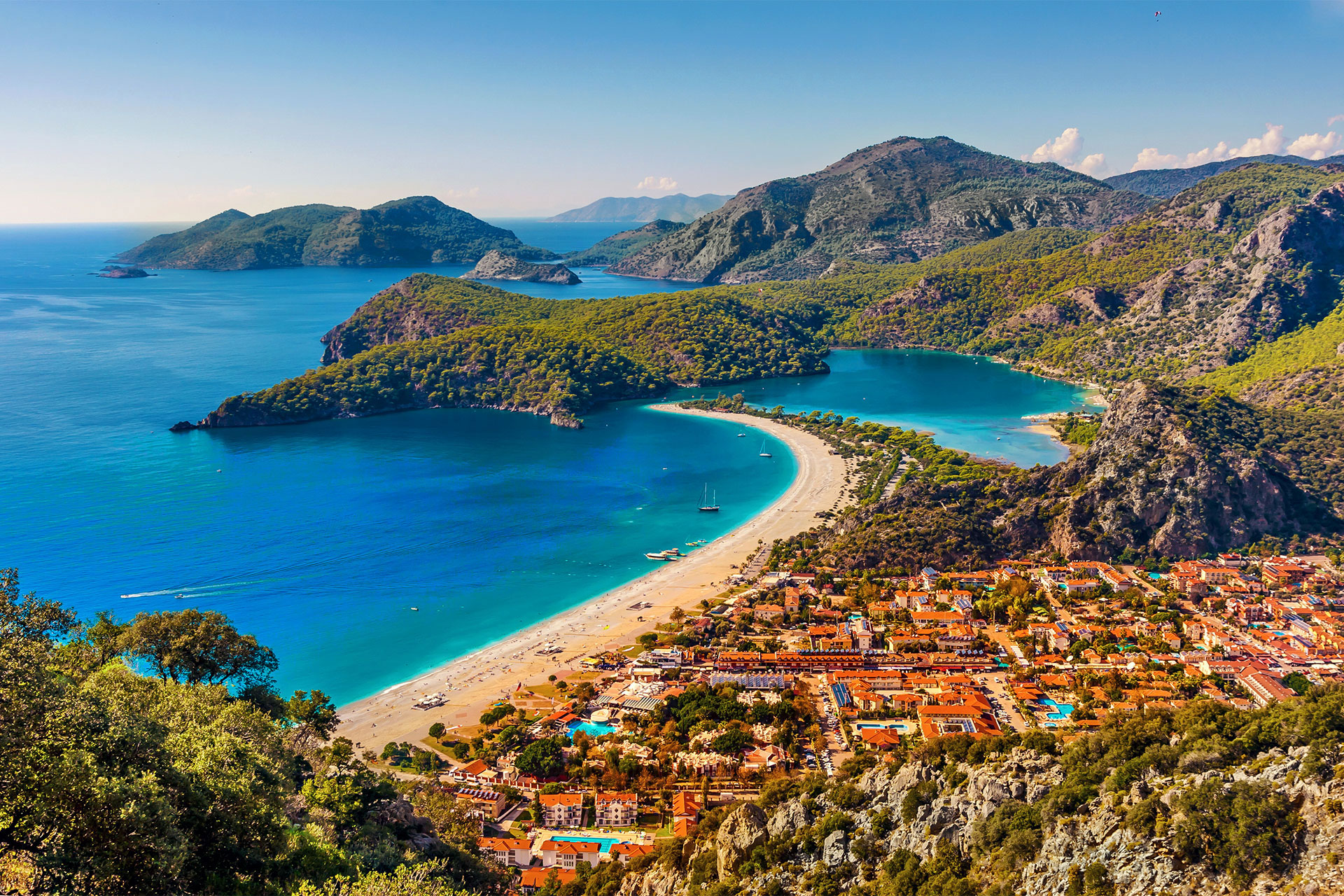
  • Is It Safe to Travel to Turkiye?

    fethiye turkiye

    A Safe and Welcoming Destination for Millions of Visitors

    Turkey is one of the world’s most popular travel destinations, welcoming tens of millions of international visitors each year. From the bustling streets of Istanbul and the fairy chimneys of Cappadocia to the beaches of the Turkish Riviera and the ancient ruins of Ephesus, most travelers enjoy a safe, memorable, and trouble-free holiday.

    Like any country, Turkey has areas where visitors should remain aware of their surroundings, but the vast majority of tourist destinations are considered safe for travel when normal precautions are taken.

    General Safety in Turkey

    The country’s major tourist regions are well-developed, with modern infrastructure, reliable transportation, and a strong tourism industry.

    Popular destinations such as:

    • Istanbul
    • Cappadocia
    • Antalya
    • Bodrum
    • Marmaris
    • Fethiye
    • Kaş
    • Pamukkale
    • Ephesus

    welcome millions of visitors every year without incident.

    As in any major destination, petty crimes such as pickpocketing or bag theft can occasionally occur in crowded areas, busy markets, public transportation, and popular tourist attractions. Remaining aware of your belongings and surroundings is usually all that’s required.

    Practical Safety Tips

    To help ensure a smooth and enjoyable trip:

    • Keep passports and valuables in a secure place.
    • Carry only the cash you need for the day.
    • Use licensed taxis or reputable ride services where available.
    • Be cautious of common tourist scams, especially in crowded areas.
    • Avoid displaying expensive jewelry or large amounts of cash.
    • Stay informed about local conditions, particularly if traveling to remote regions.

    These are sensible precautions that apply when visiting almost any destination worldwide.

    Transportation Safety

    Turkey has an extensive transportation network that includes modern airports, high-speed trains, intercity buses, highways, ferries, and domestic airlines.

    The country’s international airports operate to high safety standards, and Turkish airlines are subject to oversight by national and international aviation authorities.

    Domestic travel between major tourist destinations is generally convenient, reliable, and efficient.

    Solo Travel

    Turkey is a popular destination for solo travelers, including women traveling independently.

    Many visitors explore the country without any difficulties by following common-sense travel practices:

    • Stay in reputable accommodation.
    • Avoid isolated areas late at night.
    • Share your itinerary with family or friends.
    • Use trusted transportation services.

    The hospitality of local people is often one of the highlights of visiting Turkey.

    Health and Emergency Services

    Major cities and tourist destinations have modern hospitals, private clinics, pharmacies, and emergency medical services.

    The national emergency number in Turkey is 112, which provides access to ambulance, police, and fire services.

    Comprehensive travel insurance that covers medical treatment, trip cancellations, and personal belongings is strongly recommended before any international trip.

    Respect Local Customs

    Turkey is a diverse country where modern lifestyles coexist with traditional customs.

    Visitors can help ensure positive experiences by:

    • Dressing modestly when visiting mosques and religious sites.
    • Removing shoes before entering mosques.
    • Asking permission before photographing individuals.
    • Respecting local traditions and cultural practices.

    Showing courtesy and cultural awareness is always appreciated.

    Stay Informed

    Before traveling, it’s a good idea to:

    • Check the latest travel advice issued by your country’s foreign affairs or diplomatic office.
    • Monitor local news if traveling extensively within the country.
    • Follow any instructions issued by local authorities.

    Travel advisories can change over time, so consulting official government sources before departure is the best way to stay informed.

    A Safe and Rewarding Destination

    For the overwhelming majority of visitors, Turkey is a welcoming destination offering exceptional hospitality, remarkable historical sites, breathtaking natural landscapes, and vibrant cities.

    By following normal travel precautions – just as you would in any other country – you can confidently explore Turkey’s rich cultural heritage, beautiful coastlines, mountain scenery, and world-famous cuisine.

    Whether you’re planning a cultural city break, a beach holiday, an archaeological tour, or an outdoor adventure, Turkey continues to provide safe and unforgettable travel experiences for millions of visitors from around the globe each year.

  • Is it safe to drink tap water in Turkiye

    Turkey maintains modern sanitation and water treatment systems in most cities and tourist destinations, and tap water is generally considered safe for everyday use such as bathing, washing, cooking, and brushing teeth. Municipal water supplies in major urban areas are treated and monitored according to national health and safety regulations.

    However, despite these standards, many local residents and international visitors prefer to drink bottled water rather than tap water. This is a common habit throughout much of the Mediterranean region and is influenced by factors such as taste preferences, older plumbing systems in some buildings, and regional variations in water quality.

    Drinking Tap Water in Major Cities

    In large cities such as Istanbul, Ankara, Izmir, Antalya, and Bursa, tap water is usually chlorinated and treated before distribution. While it is technically safe in many areas, visitors may notice differences in taste, mineral content, or odor compared to the water in their home countries.

    For short-term travelers, drinking bottled water is generally recommended for greater comfort and peace of mind.

    Rural Areas and Smaller Towns

    In rural regions, villages, or smaller towns, water quality may vary depending on local infrastructure and seasonal conditions. Some areas may rely on older pipelines or local water sources, which can affect taste and consistency.

    Travelers visiting remote locations are advised to:

    • Drink bottled water
    • Avoid consuming untreated water from unknown sources
    • Use bottled or filtered water for sensitive stomachs

    Bottled Water in Turkey

    Bottled water is widely available throughout Turkey and is inexpensive compared to many European countries. It is commonly served in:

    • Restaurants
    • Hotels
    • Cafés
    • Airports
    • Shops and supermarkets

    Most restaurants automatically provide bottled water with meals, either complimentary or for a small additional charge.

    Turkey also has several well-known bottled water brands that are trusted by both locals and tourists.

    Ice and Beverages

    In most hotels, restaurants, and tourist establishments, ice is generally made using filtered or bottled water and is considered safe. Soft drinks, tea, coffee, and other beverages served in reputable establishments are also usually safe to consume.

    Practical Advice for Travelers

    To avoid stomach discomfort while traveling:

    • Prefer sealed bottled water for drinking
    • Stay hydrated during hot summer months
    • Check that bottle seals are intact before purchase
    • Use bottled water if you have a sensitive digestive system

    For daily hygiene activities such as showering, brushing teeth, or washing food, tap water is normally acceptable in most tourist areas.

    Conclusion

    Overall, tap water in Turkey is generally safe for basic daily use, especially in major cities and tourist destinations. Nevertheless, because bottled water is inexpensive, widely available, and commonly preferred by locals, most travelers choose bottled water for drinking purposes during their stay.

    Following local customs and using bottled water can help visitors enjoy a more comfortable and worry-free travel experience in Turkey.

  • Are Any Vaccinations Required for Tourists Entering Turkiye?

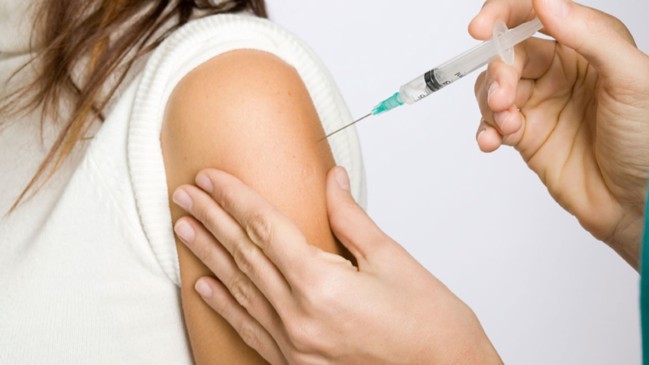
    vaccine

    For most international travelers, no mandatory vaccinations are required to enter Türkiye. Visitors arriving from Europe, North America, Australia, and many other countries can generally enter the country without presenting proof of routine vaccinations.

    However, travelers arriving from countries where certain infectious diseases—such as yellow fever—are present may be required to provide an International Certificate of Vaccination or Prophylaxis (ICVP) in accordance with international health regulations. Requirements depend on your country of departure and recent travel history.

    Recommended Routine Vaccinations

    Although no special vaccines are required for most visitors, travelers should ensure that their routine immunizations are up to date before traveling. Health authorities commonly recommend being protected against:

    • Measles, mumps, and rubella (MMR)
    • Tetanus, diphtheria, and pertussis (Tdap)
    • Polio
    • Seasonal influenza
    • COVID-19, according to current health guidance

    Depending on your travel plans, duration of stay, and planned activities, your healthcare provider may also recommend vaccinations against:

    • Hepatitis A
    • Hepatitis B
    • Typhoid

    These are generally advised for travelers who plan extended stays, visit rural areas, work closely with local communities, or have specific medical considerations.

    Before You Travel

    Before departing for Türkiye, it is a good idea to:

    • Consult your doctor or a travel health clinic 4–8 weeks before your trip.
    • Ensure your routine vaccinations are current.
    • Pack any prescription medications in their original packaging.
    • Purchase comprehensive travel medical insurance.
    • Carry copies of important medical prescriptions if needed.

    Staying Healthy During Your Visit

    While traveling in Türkiye, simple precautions can help ensure a safe and enjoyable holiday:

    • Drink plenty of water, especially during the hot summer months.
    • Practice good hand hygiene.
    • Eat freshly prepared food from reputable restaurants and cafés.
    • Use sunscreen and stay hydrated when spending time outdoors.
    • Apply insect repellent when visiting wetlands or rural areas during warmer months.

    Where to Find Reliable Health Information

    Health recommendations and entry requirements can change over time. Before traveling, check the latest advice from:

    • The World Health Organization (WHO)
    • Your country’s ministry of health or public health authority
    • Your country’s foreign affairs or travel advisory service

    Travel with Confidence

    Türkiye has a modern healthcare system and excellent medical facilities in major cities and tourist destinations. Since no routine vaccinations are required for most international visitors, preparing for your trip is usually straightforward. Ensuring your routine immunizations are up to date and following basic travel health precautions will help you enjoy a safe, healthy, and memorable visit to Türkiye.