Category: Travel

  • Historical Sites in Istanbul: A Journey Through the Crossroads of Civilizations

    Straddling Europe and Asia across the Bosphorus Strait, Istanbul is one of the world’s most extraordinary historical cities. Formerly known as Byzantium and later Constantinople, it served as the capital of the Roman, Byzantine, Latin, and Ottoman Empires for more than 1,600 years. Today, the city is home to thousands of years of history, where magnificent palaces, grand mosques, ancient churches, bustling bazaars, and impressive fortifications tell the story of civilizations that shaped Europe, Asia, and the Middle East.

    Whether you are a history enthusiast, an architecture lover, or a first-time visitor, Istanbul offers an unrivaled collection of historical monuments and UNESCO World Heritage Sites.


    Hagia Sophia (Ayasofya)

    Perhaps Istanbul’s most famous landmark, Hagia Sophia is one of the greatest architectural achievements in world history.

    Completed in 537 AD during the reign of Byzantine Emperor Justinian I, it remained the world’s largest cathedral for nearly one thousand years. Following the Ottoman conquest of Constantinople in 1453, it was converted into a mosque before becoming a museum in 1935. Today, it once again serves as a mosque while remaining open to visitors.

    Highlights include:

    • Enormous central dome
    • Byzantine mosaics
    • Marble columns
    • Islamic calligraphy
    • Imperial Gate
    • Upper galleries

    Hagia Sophia perfectly symbolizes the meeting of Eastern Orthodox Christianity and Islamic civilization.


    Topkapı Palace

    For nearly 400 years, Topkapı Palace served as the residence of Ottoman sultans and the administrative center of one of history’s greatest empires.

    Built shortly after the conquest of Constantinople by Sultan Mehmed II, the palace overlooks both the Bosphorus and the Golden Horn.

    Visitors can explore:

    • Imperial Treasury
    • Sacred Relics Chamber
    • Harem
    • Council Chamber
    • Royal kitchens
    • Beautiful courtyards
    • Panoramic terraces

    The palace houses priceless artifacts, including Ottoman jewels, manuscripts, weapons, and religious relics.


    Blue Mosque (Sultan Ahmed Mosque)

    Completed in 1616, the Blue Mosque remains one of Istanbul’s most recognizable landmarks.

    Commissioned by Sultan Ahmed I, it is famous for its:

    • Six elegant minarets
    • Blue İznik tiles
    • Massive central dome
    • Beautiful stained-glass windows
    • Large courtyard
    • Intricate calligraphy

    It continues to function as an active place of worship while welcoming visitors from around the world.


    Basilica Cistern (Yerebatan Sarnıcı)

    Beneath Istanbul’s historic streets lies one of the city’s most fascinating underground structures.

    Built during the reign of Emperor Justinian I in the 6th century, the Basilica Cistern once stored water for the Great Palace and surrounding buildings.

    Visitors can admire:

    • 336 marble columns
    • Atmospheric lighting
    • Reflective pools
    • Medusa head column bases
    • Ancient engineering

    The mysterious atmosphere has made it one of Istanbul’s most popular attractions.


    Hippodrome of Constantinople (Sultanahmet Square)

    The ancient Hippodrome was once the sporting and social heart of Byzantine Constantinople.

    Originally constructed by Emperor Septimius Severus and later expanded by Constantine the Great, it hosted:

    • Chariot races
    • Imperial ceremonies
    • Political gatherings
    • Public celebrations

    Today, visitors can still see:

    • Egyptian Obelisk
    • Serpent Column
    • Walled Obelisk
    • German Fountain

    Grand Bazaar (Kapalıçarşı)

    Dating back to the 15th century, the Grand Bazaar is one of the oldest and largest covered markets in the world.

    Its maze of more than 60 streets contains thousands of shops selling:

    • Carpets
    • Jewelry
    • Ceramics
    • Leather goods
    • Textiles
    • Antiques
    • Turkish lamps
    • Spices
    • Souvenirs

    The bazaar remains one of Istanbul’s busiest commercial centers.


    Spice Bazaar (Egyptian Bazaar)

    Built in the 17th century, the Spice Bazaar has long been the center of Istanbul’s spice trade.

    Visitors can browse stalls selling:

    • Turkish delight
    • Dried fruits
    • Herbal teas
    • Spices
    • Nuts
    • Honey
    • Coffee
    • Traditional sweets

    Its colorful displays and fragrant aromas create a uniquely Turkish shopping experience.


    Galata Tower

    Standing approximately 67 meters high, the medieval Galata Tower was constructed by the Genoese in 1348.

    The tower offers:

    • Panoramic city views
    • Bosphorus vistas
    • Golden Horn scenery
    • Historical exhibits
    • Observation deck

    It remains one of Istanbul’s most photographed landmarks.


    Dolmabahçe Palace

    Built during the 19th century, Dolmabahçe Palace represents the grandeur of the late Ottoman Empire.

    Designed in a blend of:

    • Baroque
    • Rococo
    • Neoclassical
    • Ottoman architecture

    Highlights include:

    • Crystal Staircase
    • Ceremonial Hall
    • World’s largest Bohemian crystal chandelier
    • Luxurious royal apartments
    • Magnificent gardens

    The palace was also the final residence of Mustafa Kemal Atatürk.


    Chora Church (Kariye)

    Originally built as a Byzantine monastery church, Chora Church is internationally renowned for its spectacular mosaics and frescoes depicting biblical scenes.

    Its interior represents some of the finest surviving examples of late Byzantine art.


    Theodosian Walls

    Constructed during the reign of Emperor Theodosius II in the 5th century, these massive defensive walls protected Constantinople for over a thousand years.

    Stretching more than six kilometers, the walls are considered among the greatest military fortifications ever built.


    Rumeli Fortress (Rumeli Hisarı)

    Built by Sultan Mehmed II in 1452 before the conquest of Constantinople, Rumeli Fortress occupies a strategic position along the Bosphorus.

    Today visitors enjoy:

    • Historic towers
    • Defensive walls
    • Museum exhibits
    • Spectacular Bosphorus views

    Maiden’s Tower (Kız Kulesi)

    Located on a small islet in the Bosphorus, the Maiden’s Tower has served various roles throughout history, including:

    • Lighthouse
    • Watchtower
    • Customs station
    • Defensive fortress

    It is surrounded by numerous legends and remains one of Istanbul’s iconic landmarks.


    Süleymaniye Mosque

    Designed by the legendary Ottoman architect Mimar Sinan, Süleymaniye Mosque was completed in 1557 during the reign of Sultan Suleiman the Magnificent.

    The complex includes:

    • Mosque
    • Library
    • Hospital
    • Schools
    • Public kitchens
    • Mausoleums

    It is considered one of the masterpieces of Ottoman architecture.


    Beylerbeyi Palace

    Located on the Asian side of the Bosphorus, Beylerbeyi Palace served as the Ottoman Empire’s summer residence.

    Visitors admire:

    • Elegant halls
    • Marble interiors
    • Waterfront gardens
    • Imperial reception rooms

    Yıldız Palace

    Once home to Sultan Abdulhamid II, Yıldız Palace consists of several elegant pavilions surrounded by beautiful gardens.

    The recently restored complex offers insight into the final decades of the Ottoman Empire.


    Valens Aqueduct

    Completed in the 4th century, the Valens Aqueduct supplied water to Constantinople for centuries.

    Its impressive stone arches remain one of the city’s most remarkable examples of Roman engineering.


    Little Hagia Sophia Mosque

    Originally built as the Church of Saints Sergius and Bacchus during the Byzantine period, this elegant building later became a mosque and is considered a precursor to Hagia Sophia.


    Constantine’s Column

    Erected by Emperor Constantine the Great in 330 AD to commemorate the founding of Constantinople as the new capital of the Roman Empire, Constantine’s Column remains an important symbol of the city’s Roman heritage.


    Archaeological Museums of Istanbul

    One of the world’s finest museum complexes, the Istanbul Archaeological Museums contain more than one million artifacts, including:

    • Alexander Sarcophagus
    • Ancient statues
    • Roman sculptures
    • Byzantine artifacts
    • Mesopotamian relics
    • Hittite inscriptions
    • Ottoman collections

    Museum of Turkish and Islamic Arts

    Located in the former Palace of Ibrahim Pasha, this museum showcases:

    • Ottoman carpets
    • Manuscripts
    • Calligraphy
    • Ceramics
    • Metalwork
    • Ethnographic collections
    • Wood carvings

    UNESCO World Heritage Sites in Istanbul

    The Historic Areas of Istanbul were inscribed on the UNESCO World Heritage List in 1985 and include several of the city’s most significant monuments:

    • Hagia Sophia
    • Topkapı Palace
    • Blue Mosque
    • Hippodrome of Constantinople
    • Süleymaniye Mosque
    • Theodosian Land Walls
    • Zeyrek Mosque (former Pantokrator Monastery)

    Tips for Exploring Istanbul’s Historical Sites

    • Purchase a museum pass if you plan to visit multiple attractions.
    • Wear comfortable walking shoes, as many historic districts feature cobblestone streets.
    • Visit major landmarks early in the morning to avoid large crowds.
    • Dress modestly when entering mosques and other active places of worship.
    • Allow at least three to five days to fully explore the city’s historical treasures.
    • Combine visits with Bosphorus cruises, traditional Turkish cuisine, and local markets for a complete Istanbul experience.

    Final Thoughts

    Few cities in the world can rival Istanbul’s extraordinary historical richness. From the soaring dome of Hagia Sophia and the opulent halls of Topkapı Palace to the ancient Hippodrome, the bustling Grand Bazaar, and the mighty Theodosian Walls, every corner of the city reflects centuries of imperial power, artistic achievement, and cultural exchange. Exploring Istanbul’s historical sites is not simply a sightseeing experience—it is a journey through the legacy of empires that shaped the course of world history.
  • What is the Blue Cruise

    What is the Blue Cruise

    1. What is the Blue Cruise?

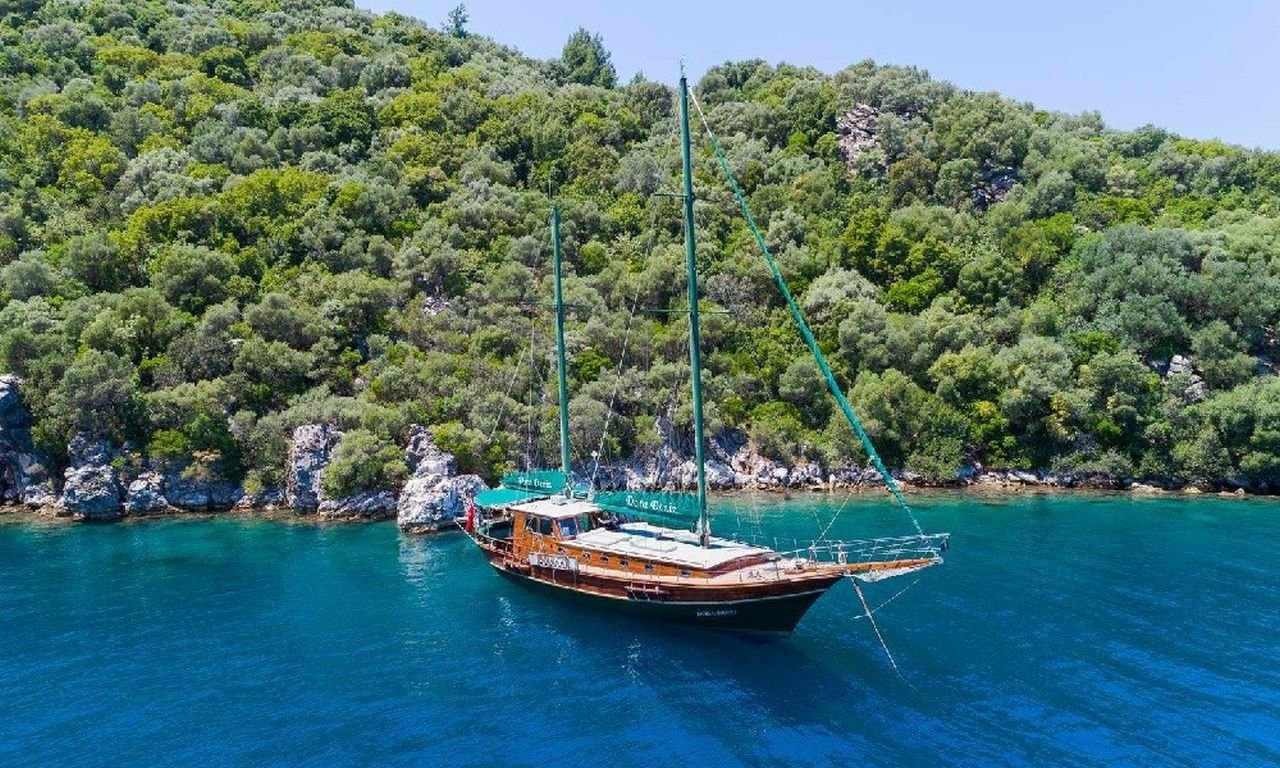
    The Blue Cruise is a popular sailing experience along the southwestern coast of Turkey (mainly the Aegean and Mediterranean coasts). It involves cruising along the turquoise waters on traditional wooden boats, usually gulets, exploring hidden bays, secluded beaches, ancient ruins, and charming coastal towns.

    The name comes from the vivid blue color of the sea and sky combined with the relaxed, luxurious sailing lifestyle. It’s not just a cruise—it’s a cultural, historical, and nature adventure.


    2. Duration of a Blue Cruise

    • Short Cruise: 1–3 days, ideal for a weekend trip. Usually covers a few nearby bays.
    • Standard Cruise: 5–7 days, most popular for fully exploring the Turkish Riviera.
    • Extended Cruise: 10–14 days, perfect for visiting many islands, ancient cities, and remote beaches.

    3. Types of Boats

    Most Blue Cruises are done on gulets, but there are different options:

    1. Classic Gulet: Wooden, spacious, cozy, ideal for authentic experience.
    2. Modern Gulet: Wooden body with modern interior and navigation tools.
    3. Luxury Gulet: High-end gulets with deluxe cabins, jacuzzi, entertainment systems.
    4. Small Gulet / Yacht: Smaller boats for couples or small groups.

    4. Typical Blue Cruise Itinerary

    Here’s a sample 7-day Blue Cruise along the Turkish coast:

    1. Day 1: Bodrum / Marmaris
      • Board the gulet in the afternoon
      • Welcome drinks, orientation, and first dinner on board
    2. Day 2: Bozburun & Cleopatra’s Beach
      • Swim in crystal-clear waters
      • Explore local villages
    3. Day 3: Datça Peninsula & Knidos
      • Visit ancient city of Knidos
      • Anchor in hidden bays for swimming
    4. Day 4: Symi Island (Greece) or local Turkish bays
      • Explore colorful Greek or Turkish villages
      • Evening sailing under the stars
    5. Day 5: Fethiye – Ölüdeniz & Butterfly Valley
      • Swim in lagoons and scenic coves
      • Optional paragliding in Ölüdeniz
    6. Day 6: Göcek & Dalyan
      • Visit ancient Lycian tombs
      • Mud baths and river cruise in Dalyan
    7. Day 7: Return to Marmaris / Bodrum
      • Breakfast, farewell, and disembark

    Most cruises are flexible; routes can be tailored to weather, preferences, or islands to visit.


    5. Activities on a Blue Cruise

    • Swimming & Snorkeling: Explore hidden coves and crystal waters
    • Hiking: Visit ancient ruins and scenic viewpoints
    • Diving / Water Sports: Some gulets provide snorkeling and paddleboards
    • Cultural Visits: Small villages, local markets, Lycian tombs, and Greek islands
    • Relaxation: Sunbathing, reading, stargazing, and enjoying freshly cooked meals onboard

    6. What’s Included in a Typical Blue Cruise

    • Accommodation in cabins (shared or private)
    • Full board meals (breakfast, lunch, dinner)
    • Crew service (captain, cook, sometimes a deckhand)
    • Water, tea, and coffee
    • Some cruises include alcohol or soft drinks; check the package

    Optional costs: Excursions, diving, wine, or transfers to/from airports.


    7. Best Time for Blue Cruise

    • Peak Season: June–September (warm sea, sunny days, calm seas)
    • Shoulder Season: April–May and October (fewer crowds, mild weather)
    • Off-Season: November–March (many gulets inactive, cooler waters)

    8. Popular Starting Points

    • Bodrum – Vibrant nightlife, close to Greek islands
    • Marmaris – Marina hub with many gulets and beaches
    • Fethiye / Göcek – Scenic coves, ideal for Lycia exploration
    • Antalya / Kaş – Less crowded, more remote bays

    9. Tips for Travelers

    • Pack lightweight clothes, swimwear, hat, sunscreen, and comfortable shoes
    • Bring cash for small local purchases
    • Internet may be limited; enjoy a digital detox
    • Respect local customs and nature
    • If prone to seasickness, take medication or acupressure bands

    10. Blue Cruise vs. Regular Cruise

    FeatureBlue CruiseRegular Cruise
    VesselWooden gulet / yachtLarge ferry / cruise ship
    FocusNature, culture, small baysEntertainment, big ports
    Passengers8–20Hundreds to thousands
    PaceSlow, flexibleScheduled, fast
    MealsHome-cooked on boardBuffet / restaurant
    DestinationHidden coves, small islandsPopular ports only

    Blue Cruises are the perfect mix of adventure, relaxation, and culture. Whether you want to explore ancient ruins, swim in turquoise bays, or simply sunbathe with a cocktail, the Blue Voyage has it all.

  • Where Should I Stay in Turkiye: The Ultimate Accommodation Guide for Every Traveler

    Where Should I Stay in Turkiye: The Ultimate Accommodation Guide for Every Traveler

    Choosing where to stay in Türkiye is one of the most exciting parts of planning your trip. Stretching across two continents and home to bustling cosmopolitan cities, idyllic beach resorts, ancient towns, mountain villages, and unique landscapes, Türkiye offers an extraordinary variety of accommodation options for every budget and travel style.

    Whether you dream of waking up in a luxurious cave suite beneath the fairy chimneys of Cappadocia, enjoying panoramic views over the Bosphorus in Istanbul, relaxing at an all-inclusive Mediterranean beach resort, or spending the night in a beautifully restored Ottoman mansion, you’ll find accommodation that perfectly matches your expectations.

    Thanks to its world-class tourism infrastructure, renowned hospitality, and thousands of licensed hotels, boutique properties, guesthouses, villas, apartments, and resorts, Türkiye has become one of Europe’s and the Mediterranean’s leading holiday destinations.

    Accommodation Types in Türkiye

    One of Türkiye’s greatest strengths is the incredible diversity of places to stay. Visitors can choose from accommodations ranging from simple family-run pensions to some of the world’s finest luxury hotels.

    Popular accommodation types include:

    • Luxury five-star hotels
    • International hotel chains
    • Boutique hotels
    • Historic Ottoman mansions
    • Traditional stone houses
    • Cave hotels
    • Beach resorts
    • Spa and wellness retreats
    • Holiday villages
    • Family pensions
    • Hostels
    • Serviced apartments
    • Holiday villas
    • Yacht accommodation and gulet cruises
    • Eco-lodges and countryside retreats

    Whether you’re planning a weekend city break or an extended tour across the country, there is an option to suit every itinerary.


    Best Places to Stay in Türkiye

    Istanbul – Luxury, Culture and Historic Charm

    Türkiye’s largest city offers one of the country’s most diverse hotel selections. From iconic international luxury brands overlooking the Bosphorus to charming boutique hotels hidden among centuries-old streets, Istanbul caters to every type of traveler.

    Sultanahmet

    Ideal for first-time visitors, Sultanahmet places you within walking distance of many of Türkiye’s most famous landmarks, including Hagia Sophia, the Blue Mosque, Topkapı Palace, the Basilica Cistern, and the Grand Bazaar.

    This district is perfect for:

    • History lovers
    • Families
    • Cultural travelers
    • Short city breaks

    Beyoğlu and Taksim

    The modern heart of Istanbul offers lively nightlife, excellent shopping, rooftop restaurants, galleries, and entertainment.

    Ideal for:

    • Young travelers
    • Nightlife enthusiasts
    • Food lovers
    • Business visitors

    Karaköy and Galata

    These stylish neighborhoods combine historic architecture with contemporary cafés, boutique hotels, art galleries, and vibrant cultural venues.

    Beşiktaş and the Bosphorus

    Some of Türkiye’s most prestigious hotels are located along the Bosphorus shoreline, offering luxury spas, gourmet restaurants, private marinas, and breathtaking waterfront views.

    Perfect for:

    • Luxury holidays
    • Honeymooners
    • Business executives
    • Couples

    Ankara – Modern Comfort in the Capital

    As Türkiye’s political and administrative center, Ankara offers modern accommodation designed primarily for business travelers while also serving tourists visiting museums, historical landmarks, and government institutions.

    Accommodation options include:

    • International hotel brands
    • Luxury business hotels
    • Boutique city hotels
    • Serviced apartments
    • Conference and convention hotels

    Many of the city’s best hotels are located in Çankaya, Kızılay, and Kavaklıdere.


    İzmir – The Pearl of the Aegean

    Combining a relaxed coastal atmosphere with the conveniences of a modern city, İzmir is an excellent base for exploring western Türkiye.

    Visitors can choose from:

    • Luxury waterfront hotels
    • Boutique accommodations
    • Modern business hotels
    • Family-friendly resorts
    • Apartment hotels

    From İzmir, travelers can easily visit Ephesus, Şirince, Çeşme, Alaçatı, Foça, and Pergamon.


    Türkiye’s Best Beach Resorts

    The Turkish Riviera and Aegean coastline offer some of Europe’s finest seaside accommodation.

    Antalya

    Antalya is Türkiye’s largest holiday destination and home to hundreds of world-class resorts.

    Visitors can enjoy:

    • Luxury all-inclusive resorts
    • Private beaches
    • Wellness spas
    • Golf hotels
    • Adults-only resorts
    • Family holiday villages
    • Boutique hotels in Kaleiçi (Old Town)

    Popular resort areas include Lara, Konyaaltı, Kemer, Belek, Side, and Alanya.


    Bodrum

    Bodrum combines luxury, history, and cosmopolitan charm.

    Accommodation includes:

    • Exclusive beach resorts
    • Luxury villas
    • Boutique hotels
    • Marina hotels
    • Adults-only retreats
    • Designer boutique properties

    Bodrum is especially popular among yacht owners, celebrities, honeymooners, and luxury travelers.


    Fethiye

    Surrounded by pine-covered mountains and turquoise bays, Fethiye offers accommodation that blends nature with comfort.

    Popular choices include:

    • Beachfront resorts
    • Boutique hotels
    • Family pensions
    • Eco-lodges
    • Apartment hotels
    • Yacht charters and gulet cruises

    Nearby attractions include Ölüdeniz, Butterfly Valley, Saklıkent Gorge, and the Lycian Way.


    Kuşadası

    One of Türkiye’s best-known seaside resorts, Kuşadası is an ideal destination for combining beach holidays with archaeological exploration.

    Accommodation options include:

    • Large all-inclusive resorts
    • Boutique hotels
    • Family-friendly apartments
    • Budget hotels
    • Cruise-friendly accommodations

    The ancient city of Ephesus is only a short drive away.


    Cappadocia – Sleep in a Cave Hotel

    Few destinations in the world offer accommodation as extraordinary as Cappadocia.

    Hotels carved into volcanic rock formations provide guests with an unforgettable experience, combining thousands of years of history with modern luxury.

    Many cave hotels feature:

    • Authentic rock-carved rooms
    • Luxury cave suites
    • Heated floors
    • Fireplaces
    • Private terraces
    • Rooftop breakfast areas overlooking hot-air balloons
    • Traditional Anatolian décor
    • Spa facilities and plunge pools

    Popular towns include:

    • Göreme
    • Uçhisar
    • Ürgüp
    • Ortahisar
    • Avanos

    Staying in a cave hotel is widely regarded as one of the highlights of any trip to Türkiye.


    Boutique and Heritage Hotels

    Travelers seeking authentic local character will find exceptional boutique hotels throughout the country.

    Many historic buildings have been carefully restored, including:

    • Ottoman mansions
    • Stone houses
    • Historic caravanserais
    • Merchant residences
    • Traditional village homes
    • Restored monasteries

    Outstanding destinations include:

    • Safranbolu
    • Mardin
    • Şirince
    • Alaçatı
    • Cappadocia
    • Istanbul
    • Kaleiçi (Antalya)

    These accommodations combine local architecture, personalized service, and cultural immersion.


    All-Inclusive Holidays

    Türkiye is internationally renowned for its all-inclusive resorts.

    Guests can enjoy:

    • Unlimited meals
    • Local and international beverages
    • Swimming pools
    • Water parks
    • Children’s clubs
    • Evening entertainment
    • Sports facilities
    • Private beaches
    • Wellness centers
    • Fitness facilities

    The highest concentration of all-inclusive resorts can be found in:

    • Antalya
    • Belek
    • Side
    • Kemer
    • Alanya
    • Marmaris
    • Didim

    These resorts are particularly popular with families and travelers seeking a stress-free holiday.


    Budget Accommodation

    Türkiye remains one of Europe’s best-value travel destinations.

    Affordable accommodation options include:

    • Backpacker hostels
    • Family-run guesthouses
    • Budget hotels
    • Apartments
    • Small pensions
    • University-area hotels
    • Rural homestays

    Budget travelers often enjoy excellent hospitality, home-cooked breakfasts, and insider recommendations from local hosts.


    Hotel Classification

    Most hotels in Türkiye are licensed by the Ministry of Culture and Tourism and classified according to internationally recognized star ratings.

    The system ranges from:

    • ★ One-Star
    • ★★ Two-Star
    • ★★★ Three-Star
    • ★★★★ Four-Star
    • ★★★★★ Five-Star

    Ratings are based on criteria such as:

    • Service quality
    • Guest facilities
    • Room comfort
    • Cleanliness
    • Safety
    • Dining options
    • Recreational amenities

    This official classification helps travelers make informed accommodation choices.


    Where Should You Stay?

    Best for Luxury Travelers

    • Bosphorus waterfront hotels in Istanbul
    • Luxury cave suites in Cappadocia
    • Five-star resorts in Antalya
    • Exclusive beachfront resorts in Bodrum
    • Boutique villas along the Aegean coast

    Best for Families

    • Belek all-inclusive resorts
    • Antalya holiday villages
    • Kuşadası beachfront hotels
    • Fethiye family resorts
    • Side beach hotels

    Best for Honeymooners

    • Romantic cave hotels in Cappadocia
    • Boutique resorts in Bodrum
    • Adults-only Mediterranean resorts
    • Bosphorus luxury hotels
    • Private villas overlooking the sea

    Best for History Lovers

    • Sultanahmet boutique hotels
    • Safranbolu heritage houses
    • Stone mansions in Mardin
    • Kaleiçi boutique hotels in Antalya
    • Traditional houses in Şirince

    Best for Budget Travelers

    • Hostels in Istanbul
    • Guesthouses in Cappadocia
    • Family pensions on the Aegean coast
    • Budget city hotels
    • Apartment rentals throughout Türkiye

    Tips for Booking Accommodation in Türkiye

    To get the best value and experience:

    • Book well in advance during the summer season (June to September).
    • Reserve cave hotels early, especially if traveling during balloon season in Cappadocia.
    • Choose Bosphorus-view hotels for special occasions in Istanbul.
    • Consider all-inclusive resorts if traveling with children.
    • Stay in boutique hotels for a more authentic cultural experience.
    • Compare locations carefully, as resort areas can be several kilometers from town centers.
    • Visit during the shoulder seasons (April–May and September–October) for pleasant weather, fewer crowds, and competitive hotel rates.

    Find Your Perfect Stay in Türkiye

    From elegant Ottoman mansions and luxurious Bosphorus hotels to charming cave dwellings, family-run pensions, and award-winning beach resorts, Türkiye offers one of the richest accommodation selections in the Mediterranean.

    Whether you’re exploring the timeless streets of Istanbul, watching hot-air balloons drift across the skies of Cappadocia, enjoying the turquoise beaches of the Turkish Riviera, or discovering ancient archaeological treasures, choosing the right place to stay will enrich every moment of your journey.

    No matter your travel style or budget, Türkiye’s legendary hospitality, exceptional value, and diverse accommodation options ensure that every visitor can enjoy a comfortable, memorable, and uniquely Turkish experience.

  • A treasure house of history and culture, Great Travel, Great Times!

    A treasure house of history and culture, Great Travel, Great Times!

    A treasure trove of history, culture, and natural beauty, Turkey serves as a gateway between Europe and Asia, offering visitors a unique blend of East and West. With its strategic location, world-class infrastructure, and rich cultural heritage, Turkey has become one of the most attractive destinations for meetings, incentives, conferences, exhibitions (MICE), and corporate events.

    Combining modern business facilities with breathtaking landscapes, ancient landmarks, and renowned hospitality, Turkey provides an exceptional setting for both professional gatherings and leisure travel. Visitors can enjoy luxurious accommodations, state-of-the-art conference centers, excellent transportation networks, and countless opportunities for sightseeing and entertainment. Furthermore, Turkey offers outstanding value for money, often providing high-quality services at a lower cost than many competing international destinations.

    Strategic Location and Easy Accessibility

    Turkey’s unique geographical position at the crossroads of Europe, Asia, and the Middle East makes it an ideal meeting point for international business travelers. Major European cities are only a few hours away by air, while direct and connecting flights link Turkey with destinations across North America, Asia, Africa, and the Middle East.

    The country’s modern airports, led by the impressive Istanbul Airport, provide convenient access to major Turkish cities such as Istanbul, Ankara, Izmir, and Antalya. National carrier Turkish Airlines, together with numerous international airlines, operates extensive global networks, making travel to Turkey simple and efficient.

    Istanbul: A World-Class Conference and Tourism Hub

    As Turkey’s largest city and cultural capital, Istanbul is among the world’s most captivating destinations for conferences, conventions, and incentive programs. Straddling two continents and overlooking the magnificent Bosphorus Strait, Istanbul offers a unique atmosphere that few cities can rival.

    The city boasts a wide range of luxury hotels, international conference centers, exhibition venues, and modern business facilities. Beyond business activities, visitors can explore extraordinary historical landmarks such as:

    • Hagia Sophia
    • Blue Mosque
    • Topkapi Palace
    • Grand Bazaar
    • Basilica Cistern

    Istanbul’s vibrant culinary scene, luxury shopping, nightlife, and cultural attractions provide endless opportunities for delegates and accompanying guests.

    Izmir and the Aegean Coast

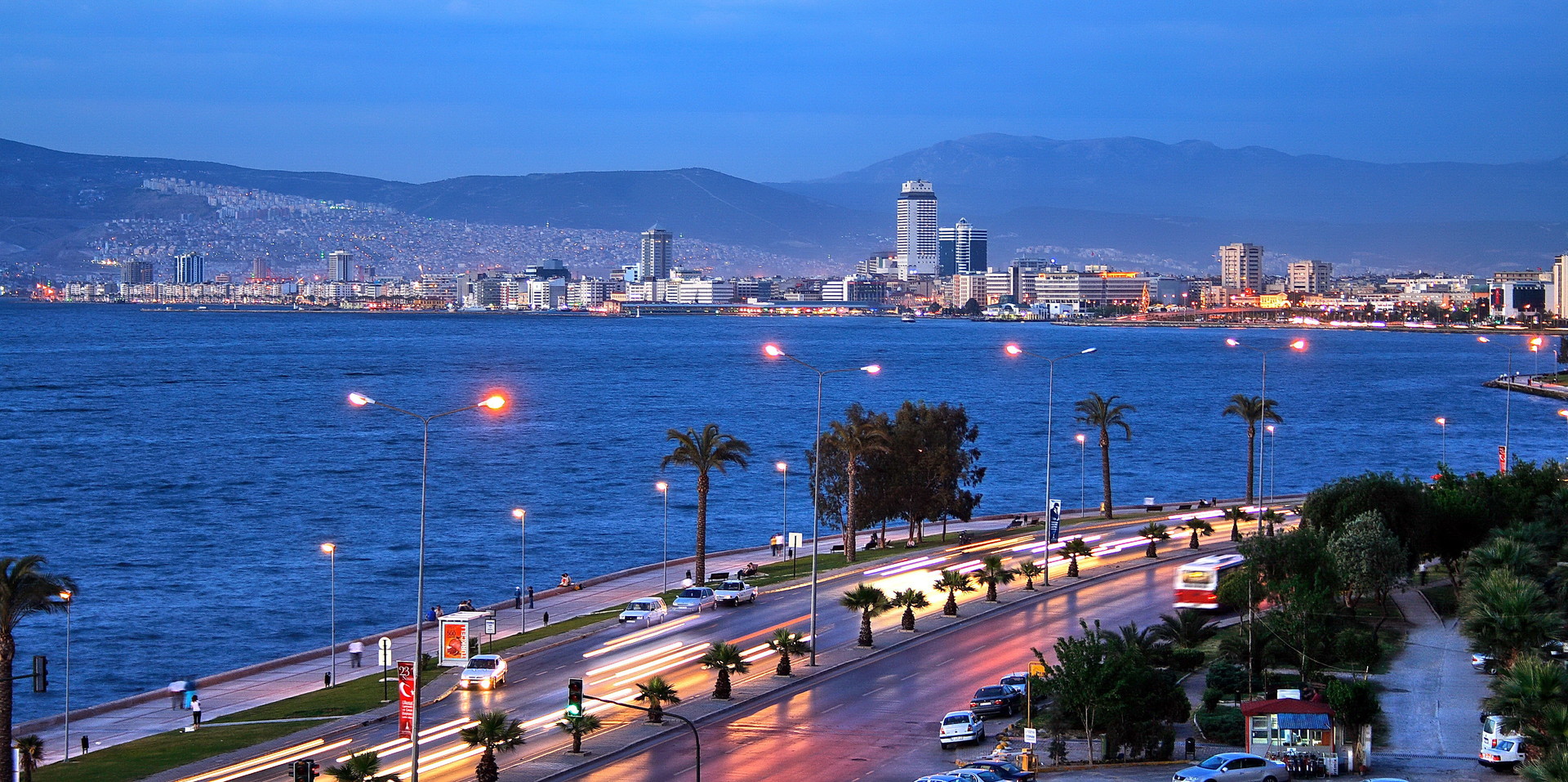
    Located on Turkey’s western coast, Izmir is a modern and cosmopolitan city known for its palm-lined boulevards, Mediterranean lifestyle, and proximity to some of the country’s most important historical sites.

    As the gateway to the Aegean Region, Izmir provides easy access to a collection of charming coastal destinations ideal for corporate retreats, incentive travel, and executive meetings, including:

    • Kusadasi
    • Bodrum
    • Marmaris
    • Fethiye

    These resorts offer luxury marinas, boutique hotels, pristine beaches, vibrant nightlife, and numerous recreational activities such as sailing, diving, and yacht cruises. The nearby ancient city of Ephesus is one of the Mediterranean’s most remarkable archaeological treasures and a popular excursion destination.

    Antalya and the Turkish Riviera

    The Mediterranean city of Antalya is one of Turkey’s leading tourism and conference destinations. Known as the heart of the Turkish Riviera, Antalya enjoys over 300 days of sunshine annually, making it an attractive year-round destination.

    Visitors can experience:

    • Spectacular sandy beaches
    • Luxury seaside resorts
    • Championship golf courses
    • Modern conference facilities
    • Ancient archaeological sites
    • Scenic mountain landscapes

    Nearby coastal regions and resorts offer excellent venues for international meetings and incentive programs while allowing participants to enjoy the region’s natural beauty and recreational opportunities.

    Ankara: Turkey’s Dynamic Capital

    As the capital of Turkey, Ankara serves as the country’s political and administrative center. The city features modern business districts, sophisticated hotels, international-standard conference facilities, fine dining establishments, and an efficient transportation network.

    Ankara also serves as an excellent starting point for exploring the extraordinary region of Cappadocia. Famous for its surreal landscapes, fairy chimneys, underground cities, and rock-carved churches, Cappadocia offers one of the most unique cultural and natural experiences in the world.

    Bursa and Uludağ

    The historic city of Bursa, the first capital of the Ottoman Empire, combines rich heritage with modern hospitality facilities. Surrounded by lush greenery and historic monuments, Bursa is renowned for its thermal spas, wellness resorts, and traditional Ottoman architecture.

    Just outside the city lies Uludağ, one of Turkey’s premier ski destinations. During winter, Uludağ attracts visitors from across the region for skiing, snowboarding, and mountain recreation, while the surrounding area remains popular year-round for nature tourism.

    Outstanding Hospitality and Event Infrastructure

    Turkey has invested heavily in tourism and business infrastructure, enabling it to host events of every scale—from executive board meetings and incentive programs to large international congresses and exhibitions.

    Key advantages include:

    • Modern convention and exhibition centers
    • Luxury international hotel chains
    • Advanced transportation networks
    • Experienced event management services
    • Competitive pricing and excellent value
    • Diverse leisure and cultural activities
    • High-quality cuisine and internationally acclaimed wines

    Turkey’s long-standing tradition of hospitality ensures that visitors receive warm, professional service throughout their stay.

    An Unforgettable Business and Travel Experience

    Whether hosting a multinational conference in Istanbul, organizing an incentive trip along the Aegean coast, conducting meetings in Ankara, or enjoying a corporate retreat on the Mediterranean Riviera, Turkey offers an unmatched combination of business efficiency, cultural richness, and natural beauty.

    With its strategic location, world-class facilities, remarkable historical heritage, stunning coastlines, exceptional hospitality, and competitive costs, Turkey continues to rank among the world’s most appealing destinations for meetings, incentives, conferences, exhibitions, and corporate travel. Any event organized in Turkey is not only professionally rewarding but also an unforgettable cultural experience for every participant.

  • How Can I Travel Around Türkiye?

    Türkiye has a well-developed transportation network that makes it easy for visitors to explore its historic cities, Mediterranean beaches, natural landscapes, and cultural attractions. Whether traveling between major cities or exploring smaller towns, tourists can choose from domestic flights, modern buses, trains, ferries, rental cars, and local transportation services.

    Traveling by Plane

    Flying is one of the fastest and most convenient ways to travel long distances within Türkiye. Almost all major cities and popular tourist destinations have airport connections, and domestic flights operate frequently throughout the country.

    Turkish Airlines and other domestic carriers provide regular services connecting major destinations such as:

    • Istanbul
    • Ankara
    • İzmir
    • Antalya
    • Cappadocia (Nevşehir/Kayseri)
    • Bodrum
    • Dalaman
    • Trabzon
    • Gaziantep
    • Diyarbakır

    Many domestic routes connect through major aviation hubs, especially:

    • Istanbul Airport
    • Sabiha Gökçen International Airport
    • Ankara Esenboğa Airport

    Domestic flights are particularly useful for travelers visiting distant regions, such as flying from Istanbul to Antalya, Cappadocia, or the Black Sea coast.

    Flight schedules and reservations can be made through airline websites and authorized travel agencies.


    Traveling by Bus

    Intercity buses are one of the most popular forms of transportation in Türkiye. The country’s extensive coach network connects almost every city, town, and tourist destination with frequent services operating during both daytime and nighttime.

    Modern Turkish coaches are generally comfortable and provide:

    • Spacious reclining seats
    • Air conditioning
    • Wi-Fi on many routes
    • Entertainment systems on selected buses
    • Complimentary tea, coffee, and refreshments
    • Regular rest stops during long journeys

    Major bus companies operate routes throughout the country, including:

    • Istanbul–Ankara
    • Istanbul–Antalya
    • İzmir–Cappadocia
    • Ankara–Konya
    • Antalya–Fethiye
    • Trabzon–Erzurum

    Bus stations (otogar) are usually located near city centers or connected by public transportation.

    Tickets can be purchased:

    • Online
    • At bus station offices
    • Through travel agencies
    • Via mobile applications

    For many destinations, buses remain one of the most affordable and reliable travel options.


    Traveling by Train

    Türkiye’s railway network connects many major cities and continues to expand with modern high-speed train services.

    The Turkish State Railways (TCDD) operates conventional and high-speed trains connecting destinations including:

    • Istanbul
    • Ankara
    • Eskişehir
    • Konya
    • Sivas
    • İzmir and surrounding regions

    High-speed trains offer comfortable travel with:

    • Modern seating
    • Air conditioning
    • Food and beverage services on selected routes
    • Online ticket reservations

    Traditional overnight trains are also available on some routes, offering sleeping compartments and a more relaxed travel experience.

    Train travel is especially enjoyable for visitors who prefer scenic journeys through Türkiye’s countryside.


    Airport Transportation

    Most major airports in Türkiye offer several transportation options for reaching city centers.

    Visitors can use:

    • Airport shuttle buses
    • Public buses
    • Metro and rail connections (available in some cities)
    • Taxis
    • Private airport transfers
    • Car rental services

    Airport shuttle services provide an affordable alternative to taxis in many destinations, connecting airports with central districts and major hotels.

    For example, Istanbul, Ankara, İzmir, Antalya, and other major tourism centers offer regular airport transportation services.


    Renting a Car in Türkiye

    Car rental is an excellent option for travelers who want flexibility, especially when exploring:

    • The Mediterranean coast
    • Aegean villages
    • Cappadocia countryside
    • National parks
    • Ancient archaeological sites

    Major highways are generally well maintained, and rental offices are available at airports and city centers.

    Visitors should remember:

    • Traffic drives on the right side of the road.
    • International driving permits may be required depending on nationality.
    • Mountain roads require extra caution.
    • Parking can be difficult in large cities such as Istanbul and Ankara.

    Local Transportation Within Cities

    Türkiye’s cities offer a variety of affordable public transportation options.

    Depending on the destination, travelers can use:

    • Metro systems
    • Trams
    • City buses
    • Ferries
    • Minibuses (dolmuş)
    • Taxis

    Large cities such as Istanbul, Ankara, and İzmir have extensive public transportation networks, making it easy to visit attractions without renting a car.


    Ferry Transportation

    Because Türkiye is surrounded by seas and has many coastal destinations, ferries are an important part of the transportation system.

    Popular ferry routes include:

    • Istanbul’s Bosphorus crossings
    • Sea of Marmara services
    • Aegean coastal routes
    • Seasonal connections to Greek islands
    • Services to Northern Cyprus

    Ferry journeys are not only practical but also offer beautiful views of Türkiye’s coastline.


    Travel Tips for Getting Around Türkiye

    • Book domestic flights early during summer and national holidays.
    • Reserve long-distance bus tickets in advance during peak seasons.
    • Use official transportation companies and licensed services.
    • Allow extra time when traveling through large cities.
    • Carry some cash for smaller local transport services.
    • Check schedules before traveling to remote destinations.
    • Consider a combination of flights, buses, and rental cars to explore different regions efficiently.

    Easy Travel Across Türkiye

    From fast domestic flights and comfortable buses to modern trains and scenic ferry routes, Türkiye offers many transportation choices for every type of traveler. Whether you are exploring ancient ruins, relaxing on Mediterranean beaches, visiting Cappadocia, or discovering hidden villages, traveling around Türkiye is convenient, affordable, and enjoyable.