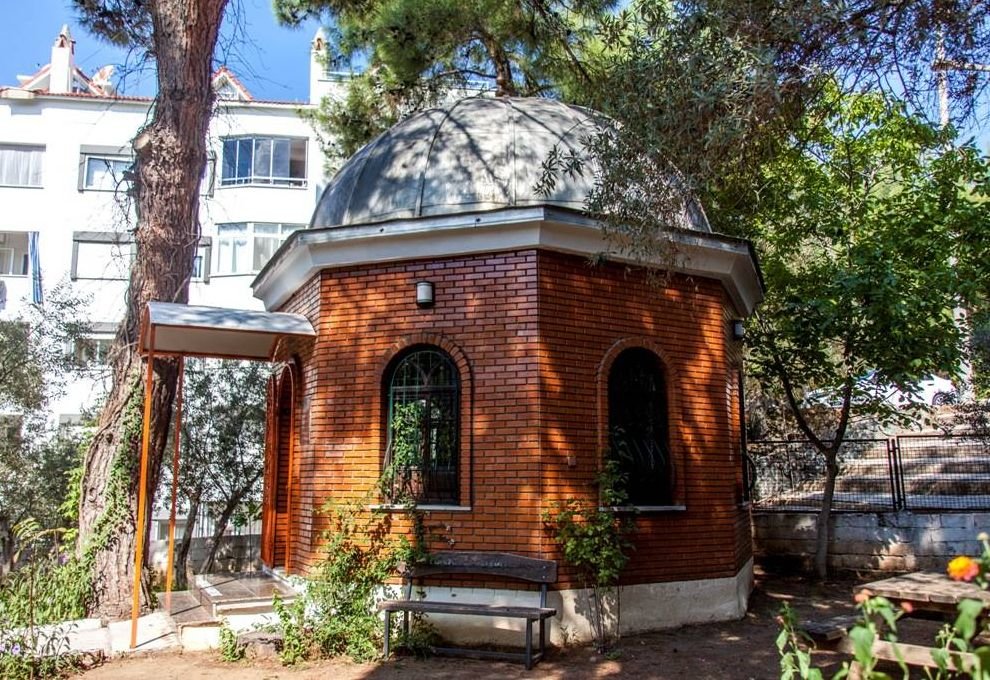
Located in the Sariana district of Marmaris, Muğla, the Sariana Mausoleum is a significant cultural and historical site offering panoramic views over the city and Marmaris Bay. Situated beside a modern mosque, the mausoleum is an important place where Ottoman history, local traditions, and regional legends come together.
Although the site is closely connected with historical narratives rather than extensively documented official records, it remains an important symbol of Marmaris’ Ottoman heritage and continues to attract visitors interested in the stories and traditions of the region.
The Legend of Sariana and Sultan Süleyman the Magnificent
According to local tradition, Sariana, also known as Fatma Ana, was a respected woman believed to possess spiritual wisdom and the ability to provide guidance through her predictions.
The story is associated with Sultan Süleyman the Magnificent (Kanuni Sultan Süleyman) and the Ottoman campaign against Rhodes in the 16th century.
According to the popular account, before the expedition to Rhodes, Sultan Süleyman visited Sariana in Marmaris to seek her advice and interpretation regarding the planned campaign. After receiving a positive response and encouragement, the Sultan is said to have proceeded with preparations for the siege.
The story has become an important part of Marmaris’ cultural memory, representing the relationship between Ottoman rulers, local communities, and traditional beliefs.
The Breakfast Tradition Before the Rhodes Expedition
One of the most famous stories connected with Sariana relates to the Ottoman soldiers who gathered in Marmaris before leaving for the Rhodes campaign.
Local folklore tells that thousands of soldiers assembled before departure and shared a communal breakfast. According to tradition, the milk used during this symbolic meal came from Sariana’s cow, becoming part of the legendary story surrounding the expedition.
While this account belongs mainly to oral tradition, it reflects the way historical events often become connected with local customs and cultural narratives over generations.
Historical and Cultural Importance
The Sariana Mausoleum represents more than a single historical figure; it reflects the cultural identity of Marmaris and its Ottoman past.
The site highlights:
- Ottoman-era traditions
- Local legends and oral history
- Religious and cultural heritage
- The connection between Marmaris and the Rhodes expedition
Like many historic places in Anatolia, the mausoleum combines documented history with stories passed down through generations.
Scenic View of Marmaris
Beyond its cultural importance, the mausoleum is also known for its beautiful location. Positioned on elevated ground, it provides visitors with a wide view of:
- Marmaris town
- The harbour
- The surrounding hills
- Marmaris Bay
The viewpoint makes it a popular stop for visitors looking for both historical interest and scenic photography opportunities.
Visiting Sariana Mausoleum
The mausoleum can be included in a cultural tour of Marmaris along with other nearby attractions such as:
- Marmaris Castle
- Marmaris Old Town
- The Grand Bazaar
- The marina area
- Traditional neighbourhoods
Visitors should remember that Sariana is a place of cultural and spiritual significance, and respectful behaviour is recommended.
Discovering Marmaris Through History and Tradition
The Sariana Mausoleum offers a unique perspective on Marmaris beyond its famous beaches and turquoise waters. It represents the meeting point of Ottoman history, local storytelling, and the traditions that have shaped the identity of the region.
For travelers interested in the historical heritage of Muğla, the mausoleum provides an opportunity to explore one of Marmaris’ most meaningful cultural landmarks while enjoying one of the best viewpoints over the city.
Leave a Reply
You must be logged in to post a comment.