Camping and caravan tourism offer one of the most rewarding ways to discover Turkey’s remarkable landscapes. Away from busy resorts and crowded cities, travellers can immerse themselves in pristine nature, explore ancient historical sites, visit welcoming villages, and experience the country’s rich cultural heritage at their own pace.
With its diverse geography, well-developed road network, and welcoming atmosphere, Turkey has become an increasingly popular destination for campers, caravan enthusiasts, and overland travellers seeking authentic outdoor adventures.
A Country Made for Camping
Few countries offer such an extraordinary variety of landscapes within relatively short travelling distances.
In Turkey, campers can wake up beside the turquoise waters of the Mediterranean, spend the afternoon hiking through pine-covered mountains, and end the day watching the sunset over an ancient archaeological site.
Popular camping environments include:
- The turquoise beaches of the Mediterranean Coast
- The picturesque bays of the Aegean Sea
- The lush forests of the Black Sea Region
- Crystal-clear mountain lakes
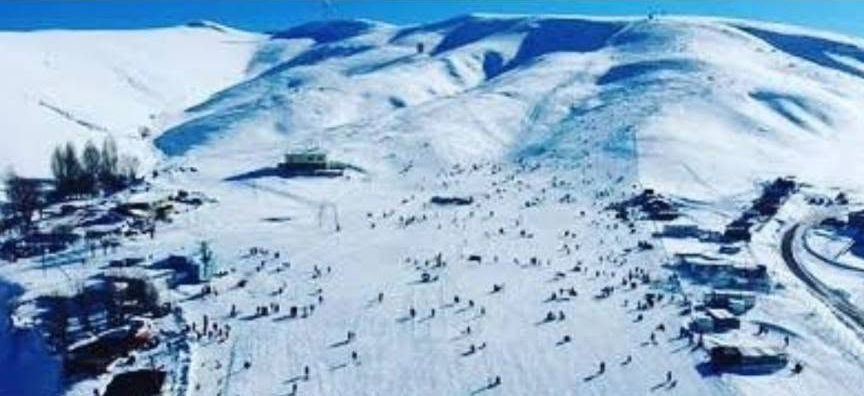
- Alpine meadows and highland plateaus
- National parks and protected nature reserves
- Volcanic landscapes and fairy chimneys in Cappadocia
- Historic ruins scattered across Anatolia
This remarkable diversity makes every journey a unique experience.
Discover the Real Turkey
Travelling by tent or caravan allows visitors to experience parts of Turkey that many holidaymakers never see.
Instead of following fixed itineraries, campers are free to explore peaceful villages, traditional markets, scenic mountain roads, hidden valleys, and quiet coastal coves at their own pace.
Along the way, travellers often encounter one of Turkey’s greatest attractions—its legendary hospitality. It is not unusual to be invited for tea, offered local produce, or welcomed into conversations with residents eager to share stories about their region.
A Tradition Rooted in Anatolian Culture
Camping and outdoor living are deeply connected to Turkey’s cultural heritage.
For centuries, nomadic communities travelled across Anatolia with their families and livestock, moving seasonally between lowland settlements and the cool mountain pastures known as yaylas. Their way of life shaped many aspects of Turkish culture, from architecture and handicrafts to cuisine and hospitality.
Traditional woven kilims were originally produced by nomadic families, while foods such as pastırma (air-cured spiced beef) were developed as practical provisions for long journeys across the Anatolian plateau.
Today, the annual migration to the highlands remains an important cultural tradition in many regions, especially during the summer months.
Camp Among History
Turkey is often described as an open-air museum, and camping offers an ideal opportunity to experience its extraordinary historical legacy.
Travellers can combine outdoor adventures with visits to:
- Ancient Greek and Roman cities
- Byzantine churches and monasteries
- Ottoman towns
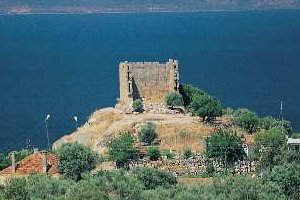
- Medieval castles
- Historic caravanserais along the Silk Road
- UNESCO World Heritage Sites
- Rock-cut churches and underground cities of Cappadocia
Few destinations allow visitors to spend the night so close to thousands of years of history while surrounded by spectacular natural scenery.
Campsites and Caravan Facilities
Turkey offers a wide variety of organised campsites suitable for tents, campervans, and caravans.
Many coastal campsites provide facilities such as:
- Electrical hook-ups
- Fresh water
- Hot showers
- Modern toilet facilities
- Laundry services
- Cooking areas
- Restaurants and cafés
- Small grocery shops
- Wi-Fi access
- Direct beach access
Family-friendly campsites often include playgrounds, picnic areas, and water sports, making them ideal for travellers of all ages.
Freedom for Independent Travellers
One of the greatest pleasures of caravan travel is the freedom to create your own itinerary.
With thousands of kilometres of scenic roads crossing mountains, coastlines, forests, and rural landscapes, Turkey is perfectly suited to road trips.
Supplies are readily available in towns and villages throughout the country, making extended journeys practical and convenient. Many visitors rent fully equipped campervans from major cities before setting off to explore the countryside independently.
Adventure Beyond the Campsite
Camping in Turkey also provides easy access to a wide range of outdoor activities.
Popular adventures include:
- Hiking and trekking
- Mountain biking
- River rafting
- Horseback riding
- Rock climbing
- Wildlife watching
- Birdwatching
- Canoeing and kayaking
- Swimming and snorkelling
- Nature photography
Many local tour operators organise guided excursions for visitors seeking more adventurous experiences.
Camping Responsibly
Turkey’s beautiful landscapes are best enjoyed when treated with care and respect.
Responsible campers should always:
- Leave campsites clean and litter-free.
- Dispose of waste responsibly.
- Respect local communities and private property.
- Avoid disturbing wildlife.
- Use designated camping areas where required.
- Follow fire safety regulations, particularly during the dry summer season.
- Help preserve the country’s natural and cultural heritage for future generations.
Practising sustainable camping ensures that Turkey’s extraordinary landscapes remain unspoiled for years to come.
An Unforgettable Outdoor Experience
Whether you prefer pitching a tent beside a tranquil mountain lake, parking your caravan along the Mediterranean coast, or exploring the ancient routes of Anatolia, Turkey offers endless opportunities for unforgettable camping adventures.
Its breathtaking scenery, welcoming people, rich history, and remarkable natural diversity create the perfect setting for travellers who value freedom, exploration, and a close connection with nature. For those seeking an authentic way to experience the country, camping and caravan tourism provide a journey that is every bit as memorable as the destination itself.