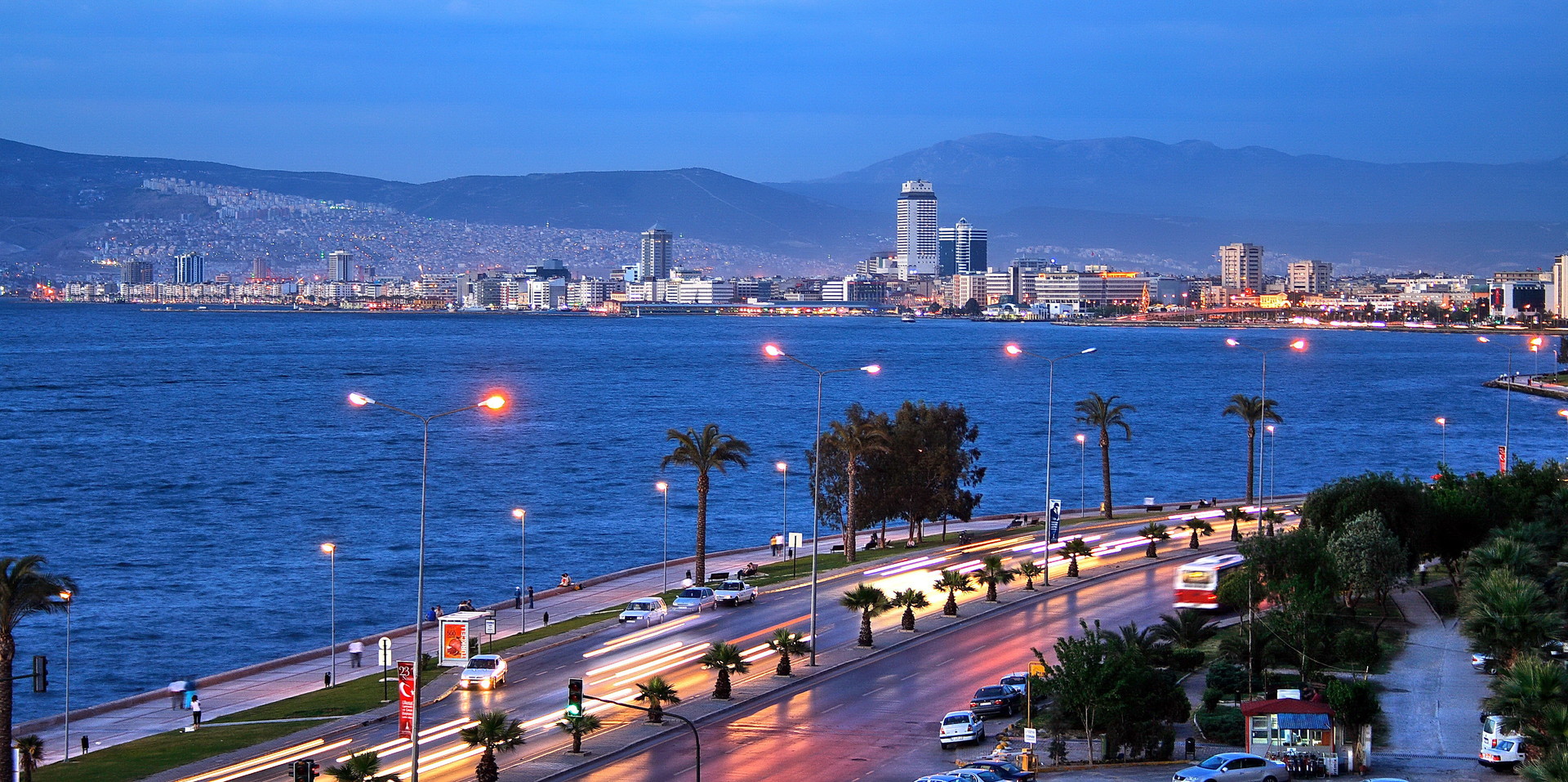
Türkiye is one of the world’s major tourism destinations thanks to its strategic geographical location, four-season climate, long coastlines, rich historical heritage, natural attractions, diverse cuisine, and well-developed accommodation infrastructure. Located at the crossroads of Europe, Asia, the Middle East, and the Mediterranean, Türkiye is able to offer a wide variety of tourism experiences within a single country.
Turkish tourism is not limited to sea, sand, and sun tourism. Cultural tourism, gastronomy, health tourism, thermal tourism, winter tourism, yachting, cruise tourism, nature tourism, religious tourism, sports tourism, congress and business tourism, adventure tourism, and city tourism are all important segments of the industry.
While destinations such as Istanbul, Antalya, Muğla, İzmir, and Cappadocia stand out in international tourism, the Black Sea, Eastern Anatolia, Southeastern Anatolia, and Central Anatolia regions are becoming increasingly important for alternative tourism.
1. The Importance of Tourism to the Turkish Economy
Tourism is one of the most important service industries in the Turkish economy. In addition to millions of international visitors, Türkiye has a very large domestic tourism market.
The contribution of tourism to the economy does not consist only of hotel spending. Tourism activities directly and indirectly support numerous industries, including:
Accommodation
Restaurants and cafés
Transportation
Airlines
Car rental
Travel agencies
Tour operators
Cruise operators
Yacht and boat charter
Shopping
Entertainment
Museums and archaeological sites
Tour guiding
Healthcare services
Sports and recreation
Culture and arts
Real estate
Agriculture and food
Handicrafts
For this reason, tourism can be considered one of the sectors with a significant multiplier effect on the economy.
2. Türkiye’s Geographical Advantages for Tourism
One of the fundamental strengths of Türkiye’s tourism industry is its geographical diversity.
The country’s location between different seas, its extensive coastline, and its variety of climatic zones create favorable conditions for a wide range of tourism activities.
Within the same year, visitors can enjoy:
Beach tourism on the Mediterranean coast
Ski tourism in Uludağ and Erciyes
Hot-air balloon tourism in Cappadocia
Thermal and cultural tourism in Pamukkale
Highland tourism in the Black Sea region
City and cultural tourism in Istanbul
Yacht tourism along the Aegean coast
This diversity is one of Türkiye’s greatest tourism advantages.
3. Sea, Sand, and Sun Tourism
Coastal tourism has traditionally represented one of the largest segments of Türkiye’s tourism industry.
The Mediterranean and Aegean coasts are particularly important for international visitors.
Antalya
Antalya is one of Türkiye’s most important holiday destinations. The city is a major mass-tourism center thanks to its extensive hotel capacity, long beaches, golf facilities, historical attractions, and international airport.
Belek, Kemer, Side, Alanya, Manavgat, and Kaş represent different segments of Antalya’s tourism industry.
Muğla
Muğla Province is one of Türkiye’s strongest coastal tourism regions.
Major destinations include:
Bodrum
Marmaris
Fethiye
Ölüdeniz
Datça
Göcek
Akyaka
Dalyan
Milas
Muğla is also particularly important for yachting and blue cruise tourism.
İzmir
İzmir and its surrounding areas are known for a combination of cultural tourism, seaside holidays, gastronomy, city tourism, and boutique travel experiences.
Çeşme, Alaçatı, Foça, Urla, Seferihisar, Selçuk, and Dikili are among the region’s important tourism destinations.
4. Cultural and Historical Tourism
Türkiye is one of the countries with some of the world’s richest historical heritage.
Numerous civilizations have ruled Anatolia, including the Hittites, Phrygians, Lydians, Urartians, Persians, Hellenistic kingdoms, Romans, Byzantines, Seljuks, and Ottomans.
As a result, Türkiye possesses an exceptionally diverse archaeological and cultural heritage.
Important cultural tourism destinations include:
Istanbul
Ephesus
Pergamon
Hierapolis
Pamukkale
Cappadocia
Hattusa
Mount Nemrut
Göbeklitepe
Karahantepe
Troy
Safranbolu
Mardin
Şanlıurfa
Antalya
Konya
Cultural tourism is strategically important because, compared with coastal tourism, it can help spread tourism activity across more months of the year.
5. Tourism in Istanbul
Istanbul is one of Türkiye’s most important international tourism destinations.
The city simultaneously offers:
Historical tourism
Cultural tourism
Gastronomy
Shopping
Business tourism
Congress tourism
Cruise tourism
Health tourism
City tourism
Sultanahmet, Hagia Sophia, Topkapı Palace, the Grand Bazaar, Galata, Karaköy, the Bosphorus, and Dolmabahçe Palace are among Istanbul’s best-known tourist attractions.
Istanbul’s location connecting two continents also provides the city with an important advantage in international tourism.
6. Tourism in Cappadocia
Cappadocia is one of Türkiye’s most distinctive tourism destinations.
Its fairy chimneys, valleys, rock churches, underground cities, and historic settlements make the region unique.
Cappadocia is particularly famous internationally for its hot-air balloon experiences.
Other important tourism activities include:
Trekking
Photography
Horse riding
ATV tours
Balloon tours
Cultural tours
Cave hotels
Gastronomy
The region has successfully diversified its tourism products beyond sightseeing.
7. Gastronomy Tourism
Türkiye’s rich culinary heritage is an increasingly important part of its tourism industry.
Every region has its own distinctive dishes, agricultural products, culinary traditions, and food culture.
For example:
Gaziantep: Baklava, kebabs, and Gaziantep cuisine
Hatay: Mezes, künefe, and Mediterranean-Levantine cuisine
İzmir: Aegean herbs, olive-oil dishes, and seafood
Adana: Adana kebab
Kayseri: Mantı and pastırma
Şanlıurfa: Kebabs and traditional Southeastern Anatolian cuisine
Black Sea region: Anchovies, corn-based foods, and regional dishes
Gastronomy tourism allows visitors to experience not only historical and natural attractions but also the local culture and lifestyle of a destination.
8. Health Tourism
Health tourism is one of the fastest-growing segments of Türkiye’s tourism industry.
Türkiye’s advantages in health tourism include:
Modern hospitals
Highly qualified doctors
Private healthcare institutions
Proximity to Europe and other major markets
Competitive costs
Extensive international air connections
The ability to combine healthcare and accommodation services
Major health tourism fields include:
Dental treatments
Aesthetic and plastic surgery
Hair transplantation
Eye treatments
Orthopedics
Medical treatments
Rehabilitation
Istanbul, Antalya, Ankara, and İzmir are among the country’s leading health tourism centers.
9. Thermal Tourism
Türkiye is rich in geothermal resources.
Afyonkarahisar, Denizli, Bursa, Yalova, Kütahya, İzmir, and Balıkesir are important destinations for thermal tourism.
Thermal tourism is no longer limited to traditional health treatments. Modern thermal facilities increasingly offer:
Spa services
Wellness programs
Fitness
Rehabilitation
Relaxation
Healthy-lifestyle programs
One of the major advantages of thermal tourism is its ability to extend the tourism season throughout the year.
10. Yacht and Maritime Tourism
Türkiye is an important yachting destination in the Mediterranean and Aegean regions.
The Muğla coastline, in particular, has become one of the country’s major yachting centers.
Important yachting destinations include:
Bodrum
Marmaris
Göcek
Fethiye
Datça
Bozburun
Kaş
Antalya
Çeşme
Türkiye’s bays, marinas, and extensive coastline provide significant opportunities for private yacht charter and blue cruise tourism.
Traditional wooden boats known as gulets are especially associated with blue cruise holidays and have become one of Türkiye’s distinctive international tourism products.
11. Cruise Tourism
Türkiye’s ports along the Mediterranean, Aegean, and Marmara seas have significant potential for cruise tourism.
Istanbul, Kuşadası, Bodrum, Antalya, and other ports are included on international cruise itineraries.
Cruise passengers can contribute to the local economy through spending on:
Restaurants
Shopping
Museums and archaeological sites
Transportation
Tour guides
Entertainment
Cruise tourism can therefore generate economic benefits beyond the port itself.
12. Winter Tourism
Türkiye’s mountainous regions offer significant potential for winter tourism.
Major ski resorts include:
Uludağ
Erciyes
Palandöken
Kartalkaya
Kartepe
Sarıkamış
Ilgaz
Davraz
The development of winter tourism can help Türkiye reduce its dependence on the summer tourism season.
13. Nature and Ecotourism
Nature tourism is becoming increasingly important as sustainable tourism practices gain popularity.
Türkiye’s national parks, lakes, forests, highlands, valleys, and mountainous areas offer considerable potential for nature-based tourism.
Major activities include:
Trekking
Camping
Cycling
Mountaineering
Rafting
Canyoning
Birdwatching
Photography
Highland tourism
Nature walks
The Black Sea region is particularly well known for its highland tourism.
14. Religious Tourism
Türkiye is home to numerous historical sites associated with different religions and civilizations.
Istanbul, Mardin, Şanlıurfa, Antakya, Konya, İzmir, and Cappadocia are important destinations for religious tourism.
Mosques, churches, synagogues, monasteries, shrines, and historic religious centers can be developed and promoted alongside cultural tourism.
15. Sports Tourism
Türkiye’s geographical diversity creates favorable conditions for sports tourism.
Major areas include:
Golf
Football training camps
Cycling
Sailing
Scuba diving
Rafting
Skiing
Mountaineering
Tennis
Marathons
Antalya is particularly important for international football clubs that use the region for winter training camps.
16. The Accommodation Industry
The accommodation industry is one of the fundamental components of Türkiye’s tourism sector.
Accommodation options are highly diverse, including:
Five-star hotels
Resort hotels
Boutique hotels
Apartment hotels
Guesthouses
Holiday villages
Campsites
Bungalows
Villa rentals
Cave hotels
Thermal hotels
Antalya, Istanbul, Muğla, and İzmir have particularly large accommodation capacities.
In recent years, smaller boutique properties and experience-oriented accommodation concepts have also attracted growing interest.
17. Travel Agencies and Tour Operators
Travel agencies are important actors in Türkiye’s tourism industry.
Agencies provide services such as:
Package tours
Hotel reservations
Airline tickets
Transfers
Tour guiding
Day trips
Yacht charters
Car rental
Cultural tours
Congress and event organization
Digital booking systems have significantly changed the way the travel industry operates.
18. Digitalization and Online Tourism
The internet has significantly changed consumer behavior in the tourism industry.
Today, travelers use sources such as:
Google
Social media
Online travel platforms
Map applications
YouTube
Travel blogs
User reviews
when planning their trips.
Digital marketing has therefore become increasingly important for tourism businesses.
SEO, social media marketing, video content, online booking systems, and mobile-friendly websites can provide significant competitive advantages.
19. Domestic Tourism
Türkiye’s tourism industry is not dependent solely on international visitors.
Millions of Turkish residents travel within the country every year.
Important domestic tourism segments include:
Summer holidays
Weekend trips
Cultural tours
Holiday-period travel
Ski holidays
Thermal holidays
Gastronomy trips
Nature tourism
Domestic tourism can act as an important stabilizing factor, particularly during periods when international tourism demand declines.
20. Employment in Tourism
Tourism is a labor-intensive industry.
Hotels, restaurants, travel agencies, airlines, airports, marinas, museums, and entertainment businesses employ large numbers of people.
Major tourism-related occupations include:
Tour guides
Hotel managers
Receptionists
Chefs
Waiters
Housekeeping staff
Tour operators
Travel consultants
Drivers
Marina staff
Yacht crew
Diving instructors
Sports and fitness instructors
Tourism also creates indirect employment in agriculture, transportation, food production, retail, and entertainment.
21. Seasonality in Tourism
One of the important challenges facing Türkiye’s tourism industry is seasonality.
Tourism activity is particularly concentrated during the summer months in coastal destinations.
This can create problems such as:
Fluctuations in employment
Seasonal jobs
Hotels operating below capacity during part of the year
Unstable income for tourism businesses
Developing cultural, gastronomy, health, thermal, congress, sports, golf, and nature tourism can help extend the tourism season.
22. Sustainable Tourism
Sustainability will be one of the most important issues facing Türkiye’s tourism industry in the future.
Tourism destinations need to manage issues such as:
Water consumption
Waste management
Energy consumption
Protection of coastlines
Conservation of natural areas
Overdevelopment
Marine pollution
Sustainable tourism does not simply mean protecting the environment. It also means ensuring that local communities benefit from tourism revenues and that local cultures and traditions are protected.
23. Challenges Facing the Tourism Sector
Although Türkiye has major tourism advantages, the industry also faces a number of challenges.
Economic fluctuations
Currency movements and economic conditions can affect both tourists’ purchasing power and operating costs for tourism businesses.
Inflation
Increasing hotel, restaurant, transportation, and labor costs can make pricing strategies more difficult for tourism businesses.
Seasonality
Destinations that depend heavily on coastal tourism can experience significant declines in demand outside the main season.
Environmental pressure
Heavy tourist activity can place pressure on natural resources in some destinations.
Workforce requirements
Finding qualified tourism professionals can be a significant challenge in certain regions.
Overtourism
Increasing visitor numbers in popular destinations can place pressure on historic centers, beaches, archaeological sites, and natural areas.
24. Investment Opportunities in Tourism
Türkiye’s tourism sector offers investment opportunities at many different scales.
Potential areas include:
Boutique hotels
Villa tourism
Yacht charter
Marina investments
Camping and glamping
Health tourism
Thermal facilities
Gastronomy businesses
Ecotourism
Adventure tourism
Cultural tours
Tourism technology
Digital travel platforms
In coastal regions, luxury villas, private yachts, exclusive transfers, and personalized travel services are particularly attractive segments for higher-income travelers.
25. The Future of Tourism in Türkiye
The future success of Türkiye’s tourism industry will not depend solely on attracting more visitors. Increasing tourism revenue, visitor spending, service quality, and the overall travel experience will become increasingly important.
Future tourism trends are likely to include:
Luxury tourism
Health tourism
Gastronomy tourism
Yacht tourism
Cultural tourism
Ecotourism
Wellness tourism
Digital travel services
Long-stay tourism
Experience-based tourism
Sustainable tourism
Personalized travel
Developing tourism products aimed at higher-spending visitors can play an important role in increasing tourism revenue per visitor.
26. Tourism in Türkiye by Region
Türkiye’s tourism potential varies significantly from one region to another.
Region Major Tourism Types
Marmara City, culture, business, congress, cruise
Aegean Beach, yachting, culture, gastronomy
Mediterranean Resort, beach, golf, health, yachting
Black Sea Nature, highlands, trekking, culture
Central Anatolia Culture, thermal, religious, city
Eastern Anatolia Winter, nature, culture, adventure
Southeastern Anatolia Gastronomy, culture, archaeology, religious
This diversity allows Türkiye to target different international and domestic markets rather than relying on a single tourism product.
27. Türkiye’s Competitive Advantages in Tourism
Türkiye’s main competitive advantages in the international tourism market include:
Strategic geographical location
Rich historical heritage
Extensive coastline
Climate diversity
Large accommodation capacity
Extensive international air connections
Rich culinary culture
Diverse tourism products
Strong yachting potential
Developed healthcare infrastructure
Rich geothermal resources
Long potential tourism season
Natural attractions
Cultural diversity
Large domestic tourism market
Conclusion
The tourism sector in Türkiye is one of the country’s most important service industries and a broad economic ecosystem that connects numerous other sectors.
One of Türkiye’s greatest strengths is its ability to offer very different tourism products within a single country. A traveler can enjoy a resort holiday in Antalya, explore history and culture in Istanbul, take a hot-air balloon ride in Cappadocia, charter a yacht in Muğla, visit the archaeological and thermal attractions of Pamukkale, and experience highland tourism in the Black Sea region.
In the coming years, the success of Türkiye’s tourism industry will depend not only on increasing visitor numbers but also on increasing spending per visitor, extending the tourism season, developing alternative tourism products, protecting the environment, and making more effective use of digital technologies.
With its strong potential in beach tourism, culture, gastronomy, healthcare, thermal tourism, yachting, cruise tourism, nature tourism, winter tourism, and luxury travel, Türkiye has the potential to strengthen its position as a leading global tourism destination.