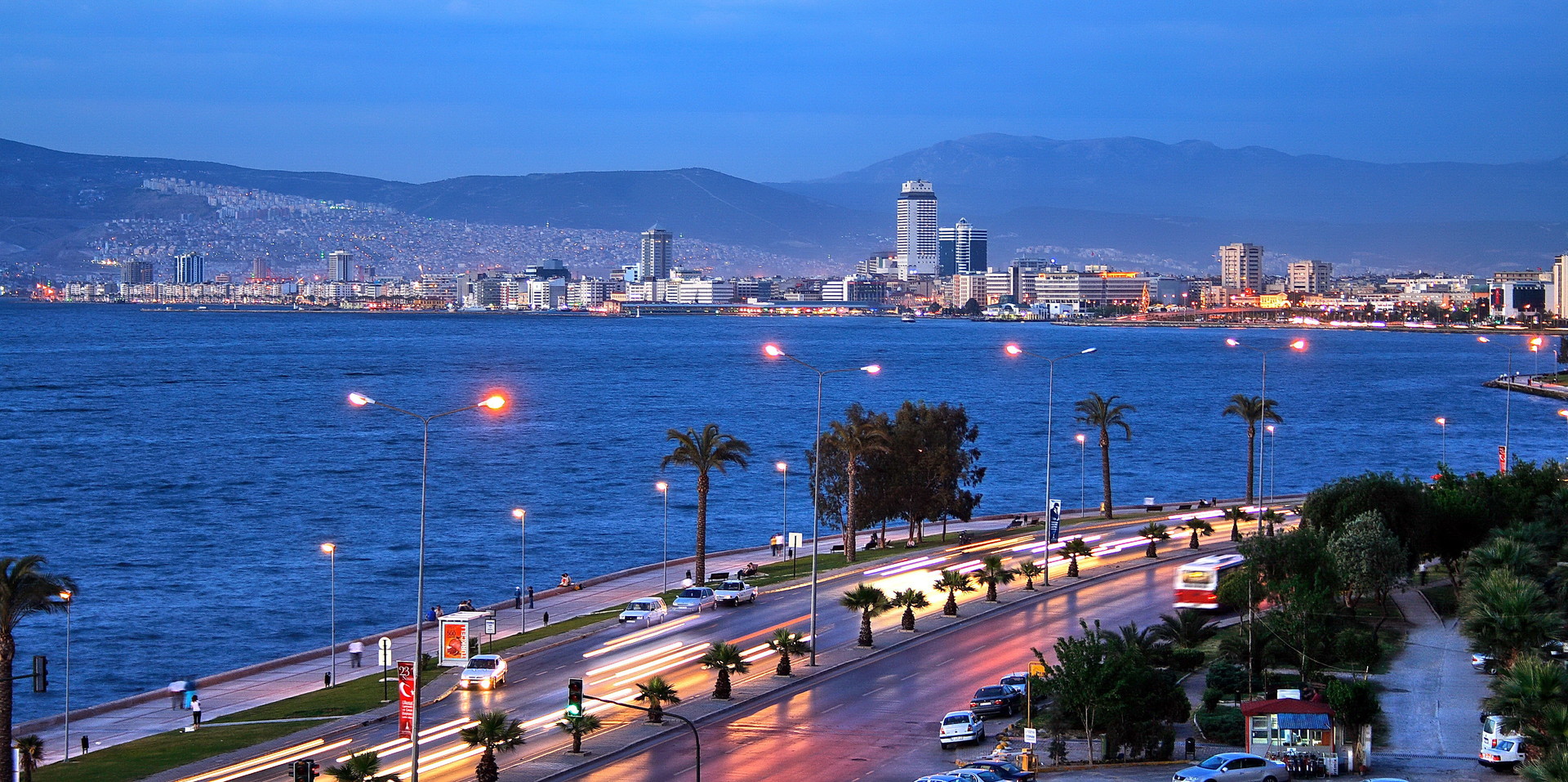
The cultural identity of Turkey is one of the richest and most diverse in the world. Shaped by thousands of years of history, the country represents a unique meeting point between Europe and Asia, where civilizations, religions, languages, and traditions have interacted for millennia.
Located at the crossroads of the Mediterranean, Middle East, Balkans, Caucasus, and Central Asia, Turkey has inherited a remarkable cultural mosaic. Its identity cannot be defined by a single influence; rather, it is the result of continuous interaction between ancient civilizations and modern transformations.
From the prehistoric settlements of Anatolia to the imperial capitals of Byzantium and the Ottoman Empire, Turkey’s cultural landscape reflects the legacy of countless societies that have shaped human history.
Anatolia: The Land of Civilizations
Anatolia, the Asian part of modern Turkey, has been one of the world’s most important cultural crossroads since ancient times.
Among the civilizations that flourished in Anatolia are:
- Hittites
- Phrygians
- Urartians
- Lydians
- Greeks
- Persians
- Romans
- Byzantines
- Seljuks
- Ottomans
Each civilization contributed to Turkey’s cultural heritage through:
- Architecture
- Language
- Art
- Religion
- Science
- Trade
- Social traditions
Today, archaeological sites throughout Turkey preserve these layers of history, including:
- Göbeklitepe, one of the world’s oldest monumental sites
- Ephesus, a major ancient Greek and Roman city
- Troy, famous from Homer’s epic traditions
- Cappadocia, shaped by centuries of human settlement
- Hattusa, the capital of the Hittite Empire
- Pergamon, an important center of ancient culture
This extraordinary accumulation of civilizations makes Anatolia one of the world’s greatest open-air museums.
Istanbul: A City Between Continents
No city represents Turkey’s cultural complexity better than Istanbul.
Founded as Byzantium, later transformed into Constantinople, and eventually becoming Istanbul, the city served as the capital of:
- The Roman Empire
- The Byzantine Empire
- The Ottoman Empire
For centuries, Istanbul connected:
- Europe and Asia
- The Black Sea and the Mediterranean
- East and West
Its landmarks reflect this layered history:
- Hagia Sophia
- Topkapı Palace
- Blue Mosque
- Grand Bazaar
- Byzantine underground cisterns
- Ottoman neighborhoods
Istanbul remains a symbol of cultural interaction, where ancient traditions and modern urban life exist together.
A Tradition of Cultural Diversity and Coexistence
One of the defining characteristics of Anatolia’s history has been the coexistence of different communities.
Throughout centuries, people of various:
- Religions
- Languages
- Ethnic backgrounds
- Cultural traditions
have lived in the region.
The Ottoman Empire, in particular, governed a vast multicultural population that included:
- Muslims
- Christians
- Jews
- Armenians
- Greeks
- Assyrians
- Arabs
- Balkan communities
This historical diversity influenced Turkish society, architecture, music, cuisine, and everyday traditions.
Today, Turkey continues to preserve many elements of this multicultural heritage through historic neighborhoods, religious monuments, museums, and cultural institutions.
The Transformation from Empire to Republic
The year 1923 marked one of the most important turning points in Turkish history with the establishment of the Republic of Turkey.
The transition from the Ottoman Empire to the republic brought major changes in:
- Government
- Education
- Law
- Social organization
- Language
- Economic development
The new republic introduced a modern state structure based on republican institutions and launched wide-ranging reforms aimed at modernization.
During the 20th century, Turkey experienced a major transformation from a largely rural society into an increasingly urban and industrial country.
Urbanization and Modern Turkish Society
Over the last century, Turkey has undergone rapid social change.
Major cities such as:
- Istanbul
- Ankara
- İzmir
- Bursa
- Antalya
- Adana
have become centers of:
- Industry
- Education
- Technology
- Culture
- International business
Urbanization has transformed lifestyles, creating a society where traditional values and modern influences exist side by side.
Turkish cities today combine:
- Historic neighborhoods
- Modern architecture
- Shopping districts
- Universities
- Cultural festivals
- International businesses
Turkish Arts and Cultural Expression
Turkish culture is expressed through a wide range of artistic traditions.
Important cultural fields include:
Music
Traditional Turkish music includes:
- Classical Ottoman music
- Folk music
- Sufi music
- Regional musical traditions
The bağlama (saz), a traditional string instrument, remains one of the most important symbols of Turkish folk music.
Literature
Turkey has a rich literary tradition that includes:
- Ottoman poetry
- Folk storytelling
- Modern novels and poetry
Internationally recognized Turkish writers include:
- Orhan Pamuk
- Yaşar Kemal
- Nazım Hikmet
Cinema
Turkish cinema has developed an important international reputation.
Turkish filmmakers have gained recognition through:
- International film festivals
- Artistic cinema
- Television productions
Handicrafts
Traditional Turkish craftsmanship includes:
- Carpet weaving
- Ceramic art
- Calligraphy
- Metalwork
- Wood carving
- Textile production
These traditions continue in many regions, especially:
- Cappadocia
- İznik
- Hereke
- Gaziantep
- Şanlıurfa
Turkish Cuisine: A Cultural Heritage
Food is one of the strongest expressions of Turkish identity.
Turkish cuisine reflects influences from:
- Central Asian traditions
- Ottoman palace cuisine
- Mediterranean ingredients
- Middle Eastern flavors
- Balkan culinary traditions
Famous Turkish dishes include:
- Kebabs
- Mezes
- Baklava
- Dolma
- Mantı
- Pide
- Lahmacun
- Turkish breakfast traditions
Regional diversity is a major feature of Turkish cuisine:
- Gaziantep is famous for its culinary heritage
- The Aegean region emphasizes olive oil dishes
- The Black Sea region is known for seafood and unique local dishes
- Southeastern Turkey features rich spices and traditional recipes
Religion and Cultural Heritage
Turkey has a predominantly Muslim population, while its history includes significant Christian and Jewish heritage.
Important religious and historical sites include:
- Ancient churches of Cappadocia
- Byzantine monasteries
- Assyrian monasteries in southeastern Turkey
- Synagogues in Istanbul and other cities
- Ottoman mosques throughout the country
This religious diversity reflects the long historical importance of Anatolia as a meeting place of civilizations.
Economic and Social Modernization
Turkey’s economic transformation has been one of the major changes of the modern era.
The country has moved from a primarily agricultural economy toward a diversified system based on:
- Manufacturing
- Tourism
- Trade
- Technology
- Construction
- Services
Turkey’s strategic location has helped it become an important connection point between European, Asian, and Middle Eastern markets.
National Identity and Global Recognition
Turkish identity today combines:
- Historical memory
- Modern aspirations
- Cultural traditions
- Global connections
Achievements in areas such as:
- Sports
- Music
- Cinema
- Science
- Business
often create moments of national pride and increase Turkey’s visibility internationally.
Events such as international football successes, Olympic achievements, and cultural awards demonstrate Turkey’s growing presence on the global stage.
Turkey’s Cultural Identity Today
Modern Turkey represents a continuous dialogue between past and future.
Ancient ruins stand beside modern cities; traditional crafts exist alongside contemporary art; historic customs continue within a rapidly changing society.
The cultural identity of Turkey is not based on a single period of history but on thousands of years of interaction between civilizations.
It is a country where Anatolian heritage, Ottoman traditions, republican modernization, and global influences meet, creating a dynamic cultural landscape that continues to evolve and inspire people around the world.
Leave a Reply
You must be logged in to post a comment.