Category: Attractions

  • Wildlife of the Turkish Highlands: Nature and Mountain Animals of the Taurus Mountains

    The highlands and mountain regions of Turkey are home to an extraordinary variety of wildlife, reflecting the richness and diversity of their natural landscapes. From dense forests and alpine meadows to rocky valleys and high plateaus, Turkey’s mountains provide important habitats for numerous bird species, mammals, and other forms of wildlife.

    Among the most important mountain ecosystems in the country are the Taurus Mountains (Toros Dağları), which stretch across southern Turkey and form one of the country’s most impressive natural regions.

    Wildlife of the Taurus Mountains

    The Taurus Mountains support a wide range of animal species thanks to their varied landscapes, including forests, cliffs, rivers, and high-altitude grasslands.

    Birds of the Turkish Highlands

    The mountain forests and valleys of the Taurus region provide shelter for many resident and migratory birds. Visitors may encounter species such as:

    • Eagles
    • Falcons
    • Partridges
    • Quails
    • Turtledoves
    • Woodcocks
    • Pigeons
    • Blackbirds
    • Orioles
    • Chaffinches
    • Starlings

    Birdwatchers are especially attracted to the region because the mountains serve as important migration routes between Europe, Asia, and Africa.

    Mammals of the Taurus Mountains

    The remote forests and highland areas of southern Turkey are home to many wild mammals, including:

    • Red deer and fallow deer
    • Roe deer
    • Bezoar goats – wild mountain goats native to Anatolia
    • Wild boar
    • Foxes
    • Wolves
    • Golden jackals
    • Lynx
    • Martens
    • Rabbits
    • Hyenas (rare and mainly found in limited areas of southeastern Turkey)

    Some of these animals are difficult to observe because they avoid human activity and live in remote mountain environments. However, traces of their presence can often be discovered by experienced guides and nature enthusiasts.

    The Taurus Mountains: A Natural Paradise

    The Taurus Mountains extend along southern Turkey, creating spectacular scenery with deep valleys, pine forests, rivers, and high plateaus known as yaylas. These mountain areas have supported traditional pastoral lifestyles for centuries and continue to attract visitors interested in nature, hiking, and rural culture.

    The Taurus highlands cover parts of several provinces, including:

    • Antalya
    • Muğla
    • Mersin (İçel)
    • Adana
    • Hatay
    • Gaziantep

    Each region offers different landscapes and wildlife experiences, from Mediterranean forests near the coast to rugged mountain habitats inland.

    Wildlife Tourism and Outdoor Activities

    Turkey’s mountain regions provide excellent opportunities for:

    • Wildlife observation
    • Birdwatching
    • Hiking and trekking
    • Nature photography
    • Camping
    • Mountain biking
    • Eco-tourism experiences

    Popular nature areas connected with the Taurus Mountains include:

    • Köprülü Canyon National Park
    • Aladağlar National Park
    • Olympos–Beydağları coastal mountain region
    • Cilo and Sat Mountains National Park
    • Various highland villages and traditional yaylas

    Protecting Turkey’s Mountain Wildlife

    Conservation efforts are increasingly important as mountain ecosystems face challenges from urban expansion, tourism pressure, and habitat changes. National parks and protected areas help preserve Turkey’s unique biodiversity and provide safe environments for endangered and vulnerable species.

    The wildlife of Turkey’s highlands represents one of the country’s greatest natural treasures. Combined with breathtaking landscapes and ancient mountain traditions, the Taurus Mountains offer visitors a rare opportunity to experience the wild beauty of Anatolia.

  • Authentic Villages in Turkiye: Discover Traditional Life Beyond the Tourist Trail

    While Türkiye is celebrated for its vibrant cities, magnificent archaeological sites, and beautiful Mediterranean coastline, some of its most memorable experiences can be found in its traditional villages. Scattered across mountains, valleys, and coastal regions, these picturesque settlements preserve centuries-old architecture, local customs, artisanal crafts, and culinary traditions that offer visitors a glimpse into the country’s rich cultural heritage.

    From the 700-year-old Ottoman village of Cumalıkızık near Bursa to the charming Greek stone houses of Şirince in İzmir Province, Türkiye’s villages invite travelers to slow down, explore cobbled streets, meet welcoming locals, and experience authentic rural life. Whether you’re interested in history, gastronomy, handicrafts, or nature, these villages provide an unforgettable escape from the bustle of modern cities.


    Cumalıkızık (Bursa)

    Nestled on the slopes of Mount Uludağ, Cumalıkızık is one of the finest surviving examples of an early Ottoman village. Founded in the early 14th century, shortly after the establishment of the Ottoman Empire, the village has preserved its narrow stone-paved streets, colorful timber-framed houses, and traditional atmosphere for more than seven centuries.

    Recognized as part of Bursa’s UNESCO World Heritage Site, Cumalıkızık is famous for its beautifully restored Ottoman homes, family-run cafés, traditional Turkish breakfasts, handmade jams, and local handicrafts. Visitors can wander through winding alleys, shop for homemade products, and experience the warmth of rural Turkish hospitality.


    Şirince (İzmir)

    Perched among olive groves and vineyards near the ancient city of Ephesus, Şirince is one of Türkiye’s most enchanting villages. Originally settled by Orthodox Greeks, the village is renowned for its elegant whitewashed stone houses, narrow cobbled lanes, and panoramic hillside views.

    Today, Şirince is famous for its fruit wines, olive oil, handmade soaps, artisan shops, and traditional Aegean cuisine. Visitors can explore historic churches, browse local craft markets, enjoy authentic village breakfasts, and sample regional specialties while surrounded by the peaceful beauty of the countryside.


    Adatepe (Çanakkale)

    Located on the northern slopes of the Kaz Mountains overlooking the Aegean Sea, Adatepe is a beautifully restored stone village with Greek and Turkish architectural influences. Surrounded by ancient olive groves, the village is known for its tranquil atmosphere, boutique guesthouses, and cultural heritage.

    Nearby attractions include the Zeus Altar, which offers spectacular views over the Gulf of Edremit, and the Olive Oil Museum, where visitors can learn about one of the region’s oldest traditions.


    Safranbolu (Karabük)

    Although officially a historic town rather than a village, Safranbolu offers one of Türkiye’s most authentic Ottoman experiences. Designated as a UNESCO World Heritage Site, it features hundreds of remarkably preserved Ottoman mansions, caravanserais, baths, mosques, and narrow cobblestone streets.

    Visitors can stay in restored Ottoman houses, watch traditional craftsmen at work, sample the town’s famous saffron-flavored delicacies, and experience a living museum of Ottoman architecture.


    Uçhisar (Nevşehir)

    Situated at the highest point in Cappadocia, Uçhisar combines traditional village life with one of Türkiye’s most spectacular landscapes. Dominated by the impressive Uçhisar Castle, the village features stone houses carved into volcanic rock, boutique cave hotels, artisan workshops, and breathtaking panoramic views.

    The village provides easy access to Cappadocia’s valleys, hiking trails, underground cities, and famous hot-air balloon flights.


    Mustafapaşa (Nevşehir)

    Formerly known as Sinasos, Mustafapaşa is one of Cappadocia’s hidden gems. The village is distinguished by its elegant Greek mansions, stone churches, monasteries, and beautifully carved façades that reflect its multicultural past.

    Quiet streets, traditional cafés, and historic architecture make Mustafapaşa an excellent destination for travelers seeking a more authentic Cappadocian experience.


    Kayaköy (Muğla)

    Near Fethiye lies Kayaköy, one of Türkiye’s most fascinating historic villages. Once home to a thriving Greek community, it was abandoned during the population exchange between Greece and Türkiye in 1923.

    Today, hundreds of roofless stone houses, churches, and narrow pathways create an atmospheric open-air museum. Visitors can explore the village’s history while enjoying peaceful walking trails and beautiful views over the surrounding countryside.


    Doğanbey (Aydın)

    Located near the Dilek Peninsula National Park, Doğanbey is another beautifully preserved former Greek village. Carefully restored stone houses line quiet streets surrounded by olive groves and mountain scenery.

    The village serves as an excellent base for exploring nearby beaches, ancient cities such as Priene, and the rich biodiversity of the national park.


    Birgi (İzmir)

    Nestled at the foot of the Bozdağ Mountains, Birgi is a historic settlement renowned for its well-preserved Ottoman houses, stone streets, mosques, fountains, and traditional craftsmanship. The village’s rich architectural heritage and peaceful atmosphere have earned it a place on UNESCO’s Tentative List.

    Visitors can admire elegant wooden mansions, visit centuries-old mosques, and enjoy authentic Aegean hospitality in one of western Türkiye’s most charming rural communities.


    Taraklı (Sakarya)

    Located between Istanbul and Ankara, Taraklı is a picturesque Ottoman town known for its beautifully preserved timber houses, historic baths, and traditional way of life. Designated as a member of the Cittaslow (Slow City) network, Taraklı emphasizes sustainable tourism and the preservation of local culture.

    The town’s quiet streets, local markets, and family-run guesthouses provide an ideal retreat for travelers seeking relaxation and authenticity.


    Beypazarı (Ankara)

    Although larger than a typical village, Beypazarı retains the charm of a traditional Anatolian settlement. Famous for its restored Ottoman houses, silver craftsmanship, mineral-rich springs, and regional cuisine, it offers visitors a rich cultural experience just a short drive from Ankara.

    Local specialties such as Beypazarı stew, dried fruits, and handmade baklava are among the highlights of any visit.


    Gökçeada Villages (Çanakkale)

    Türkiye’s largest island, Gökçeada, is home to several traditional Greek villages, including Zeytinli, Tepeköy, and Dereköy. These peaceful settlements feature stone houses, centuries-old churches, olive groves, and village squares shaded by ancient plane trees.

    Visitors can enjoy locally produced olive oil, goat cheese, homemade wines, and traditional island cuisine while experiencing a slower pace of life.


    Traditional Village Experiences

    Many villages throughout Türkiye offer opportunities to participate in authentic rural activities, including:

    • Enjoying traditional Turkish village breakfasts.
    • Sampling locally produced cheeses, olive oil, honey, and homemade preserves.
    • Visiting weekly village markets filled with regional products.
    • Watching artisans create carpets, pottery, wood carvings, and textiles.
    • Staying in restored stone or Ottoman houses converted into boutique guesthouses.
    • Joining olive, grape, lavender, or fruit harvests during the appropriate seasons.
    • Learning traditional Turkish cooking from local families.
    • Exploring nearby vineyards, orchards, and scenic walking trails.

    Village Cuisine

    One of the greatest pleasures of visiting Türkiye’s villages is discovering regional cuisine prepared using fresh, locally sourced ingredients. Depending on the region, visitors can enjoy:

    • Freshly baked village bread.
    • Homemade jams and marmalades.
    • Organic cheeses and yogurt.
    • Olive oil dishes.
    • Stuffed vegetables.
    • Wood-fired gözleme.
    • Seasonal herbs and wild greens.
    • Traditional meat stews.
    • Fresh trout from mountain streams.
    • Handmade desserts and Turkish tea served in village gardens.

    Every region offers its own unique culinary traditions, reflecting centuries of local culture and agricultural heritage.


    Best Time to Visit

    Spring (April to June) and autumn (September to November) are ideal seasons for exploring Türkiye’s villages. Mild temperatures, blooming landscapes, harvest festivals, and fewer crowds create excellent conditions for sightseeing and outdoor activities. Summer is perfect for mountain villages, while winter offers a cozy atmosphere in snow-covered settlements such as Cumalıkızık and Safranbolu.


    Tips for Visiting Turkish Villages

    • Respect local customs and traditions, particularly in conservative rural areas.
    • Support family-run businesses by purchasing locally made products.
    • Wear comfortable shoes, as many villages feature steep cobblestone streets.
    • Carry cash, as small shops may not accept credit cards.
    • Allow time to interact with local residents, who are often eager to share stories about their village and traditions.
    • Combine village visits with nearby archaeological sites, national parks, or scenic drives for a more rewarding travel experience.

    Türkiye’s traditional villages offer a captivating journey into the country’s cultural heart. Whether you’re strolling through the Ottoman streets of Cumalıkızık, sampling fruit wines in Şirince, admiring the stone houses of Adatepe, or exploring the historic neighborhoods of Birgi and Mustafapaşa, each village reveals a unique chapter of Türkiye’s rich heritage. Far from the busy resorts and major cities, these timeless communities preserve centuries-old traditions, authentic cuisine, and genuine hospitality, making them some of the country’s most rewarding destinations for travelers seeking an unforgettable cultural experience.
  • Winter Sports in Turkiye: Skiing and Snow Adventures in Anatolia

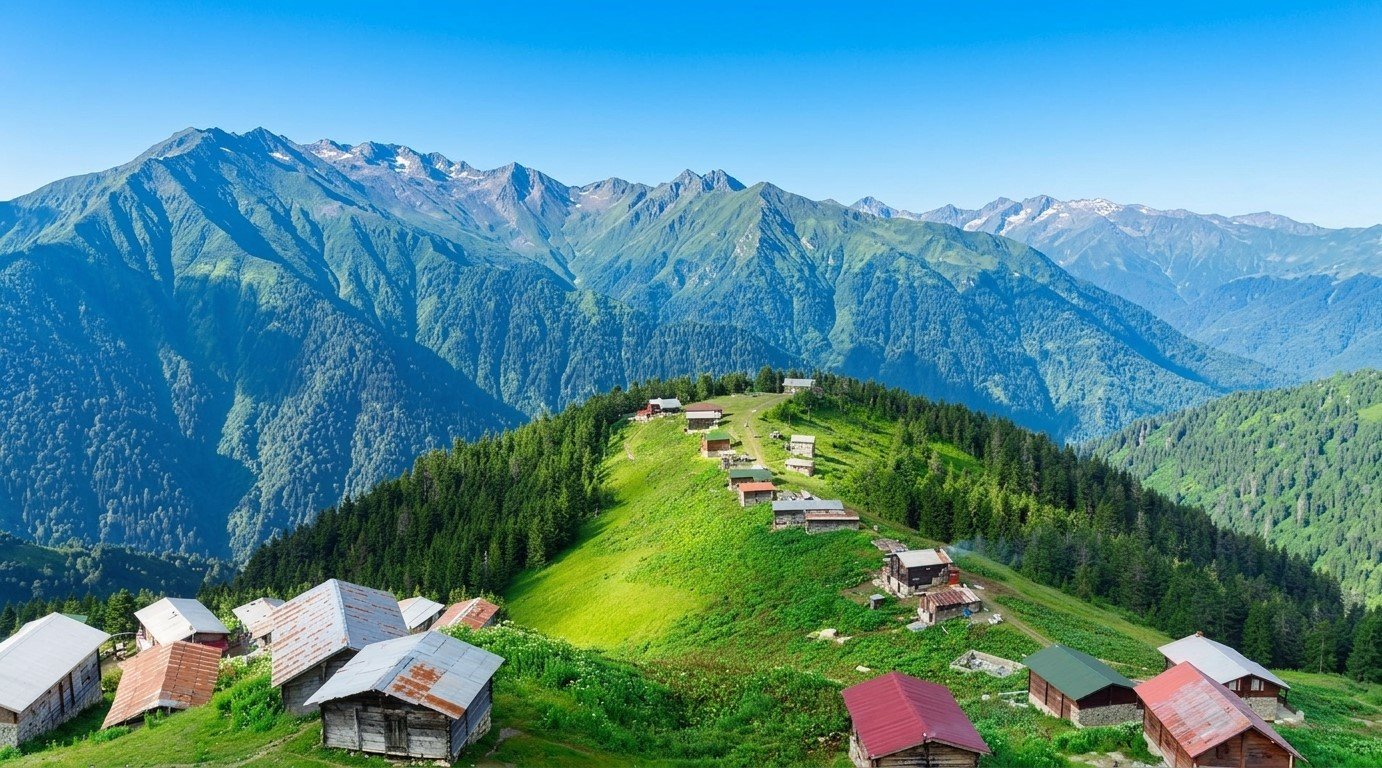
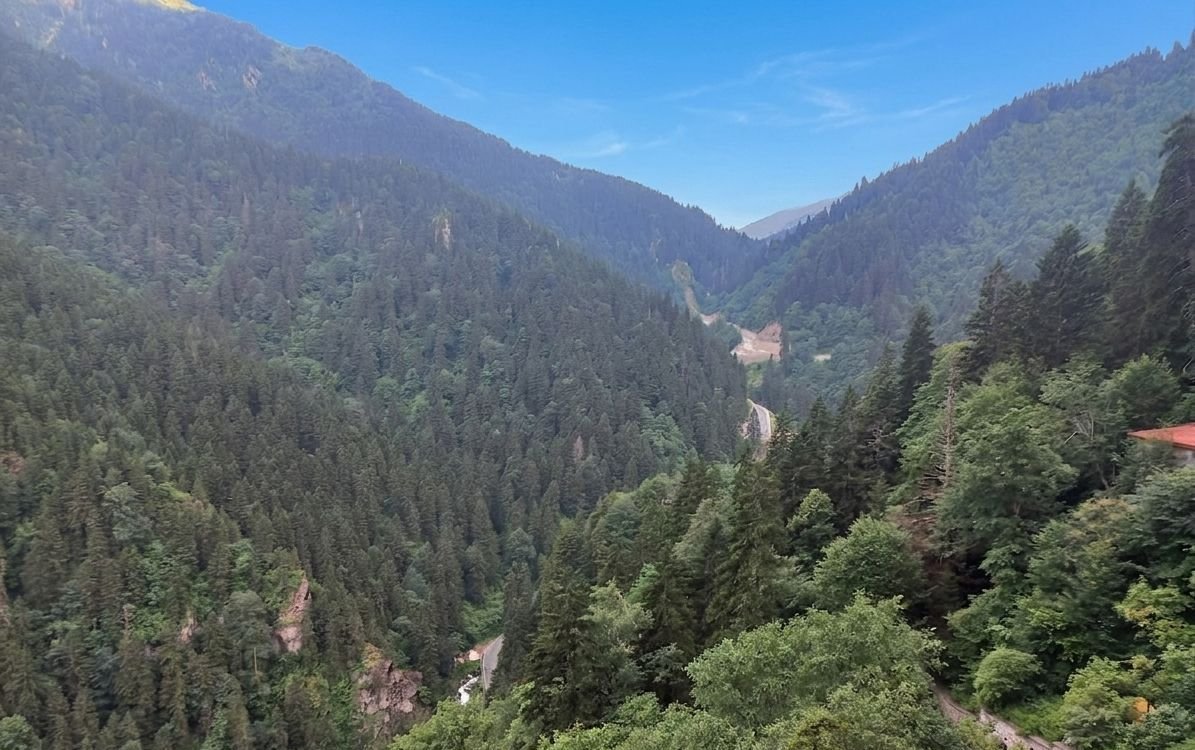
    Turkey’s diverse geography and unique climate create excellent opportunities for winter sports. Although the country is famous worldwide for its Mediterranean beaches, ancient cities, and cultural heritage, its mountains and high plateaus also offer outstanding conditions for skiing, snowboarding, mountaineering, and winter tourism.

    With an average elevation of around 1,000 meters, the Anatolian peninsula contains some of the most impressive mountain landscapes in the region. The country’s high mountains, long winter season, abundant snowfall, and natural beauty make Turkey an increasingly popular destination for winter sports enthusiasts.


    Turkey’s Mountain Geography and Winter Conditions

    Turkey’s winter sports potential is mainly created by three major mountain systems:

    The North Anatolian Mountains

    Stretching along the Black Sea coast, the North Anatolian Mountains include many high peaks ranging between approximately 2,500 and 3,900 meters.

    These mountains are characterized by:

    • Heavy snowfall
    • Dense forests
    • Alpine landscapes
    • Traditional mountain villages

    Important winter destinations in this region include:

    • Kartalkaya
    • Ilgaz Mountain
    • Zigana Mountain
    • Sarıkamış

    The Taurus Mountains (Toros Mountains)

    Located in southern Turkey, the Taurus Mountains rise above the Mediterranean coast.

    With peaks reaching over 4,000 meters in some areas, they provide excellent conditions for:

    • Skiing
    • Snowboarding
    • Mountain trekking
    • Alpine sports

    The contrast between snowy mountains and the nearby Mediterranean coastline creates a unique tourism experience.

    Important winter areas include:

    • Saklıkent near Antalya
    • Davraz near Isparta
    • Aladağlar Mountains

    Central and Eastern Anatolian Mountains

    The high plateaus of Central and Eastern Anatolia are among Turkey’s most important winter sports regions.

    The landscape is dominated by volcanic mountains, including:

    • Mount Erciyes (3,917 m) near Kayseri
    • Mount Ağrı (5,137 m), the highest peak in Turkey

    These regions offer:

    • Long ski seasons
    • Dry powder snow
    • Wide slopes
    • Spectacular mountain scenery

    Snow Conditions in Turkey

    During normal winter seasons, snow depth in mountainous regions can reach approximately 2–3 meters, especially in Eastern Anatolia and high-altitude ski areas.

    The combination of:

    • High elevation
    • Cold continental climate
    • Long winters
    • Natural snowfall

    creates excellent conditions for winter activities from December until March or April.

    Many ski centers are surrounded by forests, creating beautiful landscapes suitable for both sports and nature tourism.


    Major Ski Resorts in Turkey

    Uludağ Ski Resort – Bursa

    Uludağ is Turkey’s oldest and most famous ski resort.

    Located near Bursa and only a few hours from Istanbul, it is popular because of:

    • Easy accessibility
    • Modern hotels
    • Ski schools
    • Restaurants
    • Entertainment facilities

    Activities include:

    • Alpine skiing
    • Snowboarding
    • Snow trekking
    • Winter holidays

    Uludağ is especially popular among families and visitors from Istanbul.


    Erciyes Ski Resort – Kayseri

    Located on the slopes of Mount Erciyes, this is one of Turkey’s most modern ski destinations.

    Advantages include:

    • High-quality ski infrastructure
    • Long ski season
    • Wide ski slopes
    • International standards

    The nearby city of Kayseri also provides access to:

    • Cappadocia
    • Historical sites
    • Traditional cuisine

    Visitors can combine skiing with cultural tourism.


    Palandöken Ski Resort – Erzurum

    Palandöken is one of Turkey’s leading winter sports centers.

    Located near Erzurum in Eastern Anatolia, it is known for:

    • High altitude
    • Excellent snow quality
    • Long ski runs
    • Professional facilities

    It hosted the:

    2011 Winter Universiade

    and has become an important international winter sports destination.


    Sarıkamış Ski Resort – Kars

    Sarıkamış is famous for its unique snow conditions.

    The resort offers:

    • Crystal powder snow similar to some famous Alpine destinations
    • Pine forest landscapes
    • Peaceful mountain surroundings

    It is located near the historic city of Kars, allowing visitors to combine skiing with cultural exploration.


    Kartalkaya Ski Resort – Bolu

    Located in the Köroğlu Mountains between Istanbul and Ankara, Kartalkaya is one of Turkey’s most popular ski resorts.

    It offers:

    • Ski slopes
    • Snowboarding areas
    • Mountain hotels
    • Forest scenery

    Its location makes it a convenient winter escape from Turkey’s largest cities.


    Davraz Ski Resort – Isparta

    Situated in the Taurus Mountains, Davraz offers:

    • Beautiful mountain views
    • Modern facilities
    • Skiing and snowboarding opportunities

    It is especially attractive because of its proximity to the Mediterranean region.


    Winter Activities Beyond Skiing

    Turkey offers many winter experiences besides traditional skiing.

    Popular activities include:

    • Snowboarding
    • Snowshoe hiking
    • Winter trekking
    • Mountain climbing
    • Ice climbing
    • Snowmobile tours
    • Photography tours
    • Winter camping

    Mountain villages also provide opportunities to experience:

    • Local traditions
    • Regional cuisine
    • Traditional hospitality

    Mountaineering and Alpine Adventures

    Turkey’s mountains attract climbers throughout the year.

    Important climbing destinations include:

    Mount Ararat (Ağrı Dağı)

    At 5,137 meters, Mount Ararat is Turkey’s highest mountain and a major destination for experienced climbers.

    Kaçkar Mountains

    Located in the Eastern Black Sea region, the Kaçkar Mountains are famous for:

    • Alpine landscapes
    • Glaciers
    • Hiking routes
    • Natural beauty

    Aladağlar Mountains

    Known as the “Turkish Alps,” Aladağlar offers:

    • Rock climbing
    • Trekking
    • Winter mountaineering

    Combining Winter Sports with Cultural Tourism

    One of Turkey’s greatest advantages is the possibility of combining winter sports with cultural experiences.

    Visitors can enjoy:

    • Skiing in Erciyes and exploring Cappadocia
    • Skiing in Uludağ and visiting Bursa’s Ottoman heritage
    • Skiing in Palandöken and discovering Eastern Anatolian culture
    • Skiing in Sarıkamış and exploring Kars and Ani

    This combination of nature, history, and sport makes Turkey different from many traditional winter destinations.


    The Future of Winter Tourism in Turkey

    Turkey continues to invest in winter tourism infrastructure, improving:

    • Ski facilities
    • Mountain hotels
    • Transportation networks
    • International promotion

    With its high mountains, reliable snowfall, modern resorts, and cultural attractions, Turkey has the potential to become one of the leading winter sports destinations between Europe, Asia, and the Middle East.

    From the forests of Uludağ to the volcanic slopes of Erciyes and the dramatic peaks of Eastern Anatolia, Turkey offers unforgettable winter experiences for skiers, adventurers, and nature lovers.

  • The most appealing sightseeing area of Trabzon is the Altindere National Park

    The most appealing sightseeing area of Trabzon is the Altindere National Park

    Discover One of Turkey’s Most Spectacular Cultural and Natural Wonders

    Nestled deep within the lush forests of the Pontic Mountains, Altındere National Park is one of Turkey’s most breathtaking natural treasures and home to the world-famous Sumela Monastery. Located approximately 47 kilometers southeast of Maçka in Trabzon Province, the park combines dramatic mountain scenery, ancient forests, rushing streams, and remarkable historical monuments, making it one of the most visited attractions in the Black Sea Region.

    Perched dramatically on a sheer cliff approximately 270 meters above the Altındere Valley at an elevation of around 1,300 meters, the Sumela Monastery appears to cling impossibly to the mountainside. This extraordinary architectural masterpiece has captivated travelers, pilgrims, historians, and photographers for more than 1,600 years.


    Altındere National Park

    Established to protect one of the Black Sea Region’s richest natural environments, Altındere National Park covers thousands of hectares of dense forests, alpine meadows, deep valleys, and mountain streams.

    The park is renowned for its:

    • Ancient spruce and fir forests
    • Crystal-clear mountain streams
    • Rich wildlife
    • Scenic hiking trails
    • Panoramic viewpoints
    • Waterfalls
    • Fresh mountain air
    • Exceptional biodiversity

    Throughout the year, the park offers spectacular scenery, from vibrant spring wildflowers and cool summer forests to colorful autumn foliage and snow-covered winter landscapes.


    The Legendary Sumela Monastery

    The centerpiece of Altındere National Park is the magnificent Sumela Monastery (Monastery of the Virgin Mary), one of Turkey’s most iconic religious monuments.

    Built into the face of a nearly vertical cliff, the monastery seems to emerge naturally from the surrounding rock. Its spectacular location has made it one of the country’s most photographed historical sites.

    For centuries, Sumela served as an important center of Orthodox Christianity and remains a symbol of the rich cultural heritage of the Black Sea region.


    History of Sumela Monastery

    According to tradition, the monastery was originally founded during the 4th century AD by two Greek monks, Barnabas and Sophronius, who are believed to have discovered a miraculous icon of the Virgin Mary in a cave on the mountainside.

    The original structure consisted of a small rock chapel built within a natural cave.

    During the 11th century, the complex was greatly expanded into a substantial monastery, eventually containing:

    • More than 70 monks’ cells
    • Chapels
    • Libraries
    • Kitchens
    • Guest rooms
    • Storage facilities
    • Water cisterns
    • Study halls

    Over the following centuries, successive Byzantine emperors and local rulers supported its growth, transforming Sumela into one of the most influential monasteries of the eastern Black Sea region.


    Sumela During the Ottoman Period

    Following the Ottoman conquest of Trabzon in 1461, the monastery continued to flourish.

    Unlike many religious institutions elsewhere, Sumela received protection and privileges from several Ottoman sultans. Ottoman princes serving as governors of Trabzon contributed financial assistance, land grants, and official decrees that allowed the monastery to maintain its religious activities.

    This remarkable period of coexistence enabled Sumela to preserve its artistic treasures and continue welcoming pilgrims for centuries.


    Magnificent Frescoes

    One of Sumela Monastery’s greatest artistic treasures is its collection of beautifully preserved Byzantine frescoes.

    These colorful wall paintings decorate the monastery’s chapels, churches, and interior walls, depicting scenes from the Bible and the lives of Jesus Christ and the Virgin Mary.

    Visitors can admire illustrations of:

    • The Creation
    • The Birth of Christ
    • The Crucifixion
    • The Resurrection
    • The Last Judgment
    • Saints and angels
    • Byzantine religious symbolism

    Although some frescoes have suffered damage over the centuries, many remain remarkably vibrant and continue to amaze visitors with their artistic quality.


    Sacred Spring (Holy Water)

    Within the monastery complex is a natural spring, long regarded as sacred by pilgrims.

    For centuries, visitors have believed the spring’s water possesses healing and spiritual qualities. Today, many travelers still stop to drink from the spring or collect small amounts of its crystal-clear water as a keepsake.


    Architecture

    The monastery’s remarkable architecture demonstrates extraordinary engineering skill.

    The complex includes:

    • Rock-cut chapels
    • Monks’ quarters
    • Guest accommodations
    • A large central courtyard
    • Libraries
    • Kitchens
    • Storage rooms
    • Stairways carved into the cliff
    • Stone terraces overlooking the valley

    The seamless integration of the buildings into the mountainside creates one of the most dramatic architectural landscapes anywhere in the world.


    Hiking and Nature

    Visiting Sumela is also an unforgettable nature experience.

    The surrounding national park offers:

    • Forest hiking trails
    • Scenic mountain walks
    • Wildlife observation
    • Birdwatching
    • Photography opportunities
    • Picnic areas
    • Mountain viewpoints
    • Fresh alpine air

    Every turn along the trail reveals spectacular views of the Altındere Valley below.


    Wildlife

    Altındere National Park supports a rich variety of wildlife, including:

    • Roe deer
    • Wild boar
    • Foxes
    • Wolves
    • Brown bears (rarely seen)
    • Hawks
    • Eagles
    • Woodpeckers
    • Numerous butterfly species

    The dense forests also contain hundreds of native plant species typical of the Eastern Black Sea ecosystem.


    Photography

    Sumela Monastery is widely regarded as one of Turkey’s premier photography destinations.

    The most popular viewpoints capture:

    • The monastery suspended on the cliff face
    • Forest-covered mountains
    • Deep river valleys
    • Morning mist rising through the trees
    • Autumn foliage
    • Winter snow covering the monastery

    Each season provides a completely different perspective of this remarkable landmark.


    Best Time to Visit

    Altındere National Park is beautiful throughout the year.

    Spring (April–June) brings blooming wildflowers, waterfalls, and lush greenery.

    Summer (June–September) offers comfortable temperatures ideal for hiking and sightseeing.

    Autumn (September–November) transforms the forests into brilliant shades of gold, orange, and crimson.

    Winter occasionally blankets the monastery in snow, creating one of Turkey’s most magical landscapes, although weather conditions may affect access.


    Getting There

    Altındere National Park is easily accessible from Trabzon.

    Approximate distances include:

    • Trabzon City Center: 47 km
    • Maçka: 17 km
    • Trabzon Airport: approximately 50 km

    Visitors typically travel by private vehicle, organized tour, or public transportation to Maçka before continuing to the national park.

    A shuttle service and a scenic walking path lead from the visitor area to the monastery.


    Visitor Tips

    • Wear comfortable walking shoes, as reaching the monastery involves uphill walking.
    • Visit early in the morning to avoid crowds and enjoy the best lighting for photography.
    • Bring a light jacket, as mountain temperatures are cooler than on the coast.
    • Allow several hours to explore both the monastery and the surrounding national park.
    • Respect the site’s religious and historical significance by helping preserve its remarkable frescoes and architecture.

    Why Visit Altındere National Park and Sumela Monastery?

    Few places in Turkey combine spectacular natural scenery, remarkable architecture, and profound historical significance as beautifully as Altındere National Park and the Sumela Monastery. Rising dramatically from the cliffs above the Altındere Valley, the monastery stands as a masterpiece of Byzantine engineering and a symbol of centuries of religious devotion and cultural exchange.

    Whether you are fascinated by history, architecture, photography, hiking, or simply breathtaking landscapes, a visit to Sumela Monastery promises one of the most unforgettable experiences in the Black Sea Region and one of Turkey’s greatest travel highlights.

  • Places to See in Safranbolu

    Discover the Historic Treasures of Safranbolu

    A UNESCO World Heritage Site, Safranbolu is one of Turkey’s finest preserved Ottoman towns. Famous for its beautifully restored traditional houses, cobbled streets, historic mosques, caravanserais, baths, and vibrant artisan bazaars, the town offers visitors a fascinating journey into the architectural and cultural heritage of the Ottoman Empire.

    More than 1,000 historic buildings are protected throughout Safranbolu, making it one of the country’s most remarkable open-air museums. Every street reveals beautifully preserved mansions, charming courtyards, centuries-old monuments, and traditional workshops that continue to preserve ancient crafts.


    The Historic Districts of Safranbolu

    Safranbolu is traditionally divided into three distinctive neighborhoods, each reflecting a different aspect of the town’s history and architecture.

    Çarşı (Old Town)

    The heart of Safranbolu is the Çarşı (Old Bazaar), also known as Eski Safranbolu. This is the town’s oldest district and the main attraction for visitors.

    Its narrow stone streets wind between hundreds of beautifully restored Ottoman houses featuring whitewashed walls, timber frames, and red-tiled roofs. The district is filled with museums, cafés, boutique hotels, handicraft shops, and historic monuments that preserve the atmosphere of an Ottoman trading town.

    Most sightseeing attractions are located within walking distance of the Çarşı.


    Bağlar

    Situated on higher ground, Bağlar served as the summer residential district for wealthy Ottoman families seeking cooler temperatures during the warmer months.

    The area is known for its spacious gardens, elegant mansions, tree-lined streets, and peaceful atmosphere. Today, many of these historic homes have been converted into charming boutique hotels and guesthouses.


    Kıranköy

    Between Çarşı and Bağlar lies Kıranköy, once home to Safranbolu’s Greek Orthodox community until the population exchange of the early 20th century.

    Unlike the traditional Ottoman houses, Kıranköy’s stone residences display outstanding examples of Greek masonry and European architectural influences. Walking through this neighborhood offers a fascinating glimpse into the multicultural history of Safranbolu.


    Hıdırlık Hill

    One of the best panoramic viewpoints in the town is Hıdırlık Hill, located just south of the Old Town.

    Historically, the hill served as a ceremonial gathering place where local communities held religious rituals and celebrations. Today, visitors come to enjoy spectacular views over Safranbolu’s famous rooftops, surrounding valleys, and forested hills.

    The hill is also home to several historic tombs and monuments dating back centuries.


    Safranbolu Castle and Historic Center

    The hilltop area around the ancient castle marks the original settlement of Safranbolu.

    Although only limited remains of the castle survive today, the surrounding historic quarter contains several important landmarks, including:

    • The Old Government Building
    • Traditional Ottoman houses
    • Historic streets
    • Museums
    • Scenic viewpoints overlooking the Old Town

    The castle area offers excellent opportunities for photography and provides insight into the town’s early development.


    Historic Clock Tower

    One of Safranbolu’s most remarkable landmarks is its historic Clock Tower, built more than 200 years ago.

    Remarkably, the mechanical clock continues to function today, making it one of Turkey’s oldest working clock towers. The tower stands as a symbol of the town’s rich Ottoman heritage and remains a favorite stop for visitors exploring the historic center.


    Old Prison (Historic Jailhouse)

    Near the government building stands the former Safranbolu Prison, which once served the region during the Ottoman period.

    Although no longer in use, the building remains an important historical monument, reflecting the administrative history of the town.


    Historic Mosques

    Safranbolu is home to 25 historically significant mosques, many dating from the Ottoman period.

    Among the most important are:

    Köprülü Mehmet Paşa Mosque

    This elegant mosque represents classical Ottoman architecture and remains one of the town’s most visited religious landmarks.

    İzzet Mehmet Paşa Mosque

    Commissioned by Grand Vizier İzzet Mehmet Paşa, this magnificent mosque is admired for its graceful proportions, impressive interior, and beautifully restored architecture.

    Together, these mosques illustrate the importance of Safranbolu as a prosperous Ottoman commercial center.


    Cinci Han

    One of Safranbolu’s most iconic buildings is the Cinci Han, a beautifully restored 17th-century caravanserai completed in 1645.

    Built by Cinci Hoca, a prominent Ottoman scholar from Safranbolu, the inn once welcomed merchants and travelers journeying along important trade routes.

    Today, the restored building houses shops, cafés, and accommodation while preserving its original Ottoman character.


    Cinci Hamam

    Adjacent to the caravanserai stands the magnificent Cinci Hamam, one of Turkey’s finest surviving Ottoman bathhouses.

    Still operating today, the bath features:

    • Separate sections for men and women
    • Elegant marble interiors
    • Traditional heated bathing rooms
    • Impressive domed ceilings
    • Natural light filtering through decorative skylights

    Visitors can still experience an authentic Turkish bath in surroundings that have remained largely unchanged for centuries.


    Traditional Artisan Bazaars

    Safranbolu has successfully preserved many of its traditional crafts, and its historic bazaars remain active today.

    Yemeniciler Arastası (Yemeni Makers’ Bazaar)

    This charming market is famous for handmade Yemeni shoes, traditional leather footwear crafted using centuries-old techniques.

    Visitors can watch skilled artisans producing these shoes by hand before purchasing authentic locally made products.


    Coppersmiths and Blacksmiths

    Throughout the Old Town, workshops continue to produce handcrafted items using traditional methods.

    Local artisans specialize in:

    • Copperware
    • Ironwork
    • Tinware
    • Kitchen utensils
    • Decorative household items

    Watching these craftsmen at work is one of Safranbolu’s most memorable cultural experiences.


    Packsaddle Makers’ Bazaar

    One of the town’s most unique historic markets is the Packsaddle Makers’ Bazaar, where craftsmen once produced saddles and equipment for horses, donkeys, and camels used along Ottoman trade routes.

    Although the demand for packsaddles has largely disappeared, the bazaar continues to preserve this rare traditional craft as part of Safranbolu’s living cultural heritage.


    Museums and Historic Houses

    Many of Safranbolu’s magnificent Ottoman mansions have been converted into museums that allow visitors to explore traditional family life.

    These restored homes feature:

    • Original furnishings
    • Ottoman architecture
    • Historic kitchens
    • Decorative woodwork
    • Traditional textiles
    • Period household objects

    They provide valuable insight into everyday life during the Ottoman era.


    Why Visit Safranbolu?

    Safranbolu is far more than a historic town—it’s a living museum where Ottoman architecture, traditional craftsmanship, and centuries-old customs continue to thrive. From magnificent mansions and ancient mosques to bustling artisan bazaars, panoramic viewpoints, and beautifully restored caravanserais, every corner of the town tells a story.

    Whether you’re interested in history, architecture, photography, shopping, or authentic Turkish culture, Safranbolu offers one of the most rewarding and immersive travel experiences in Turkey.