Discover One of Turkey’s Most Spectacular Cultural and Natural Wonders
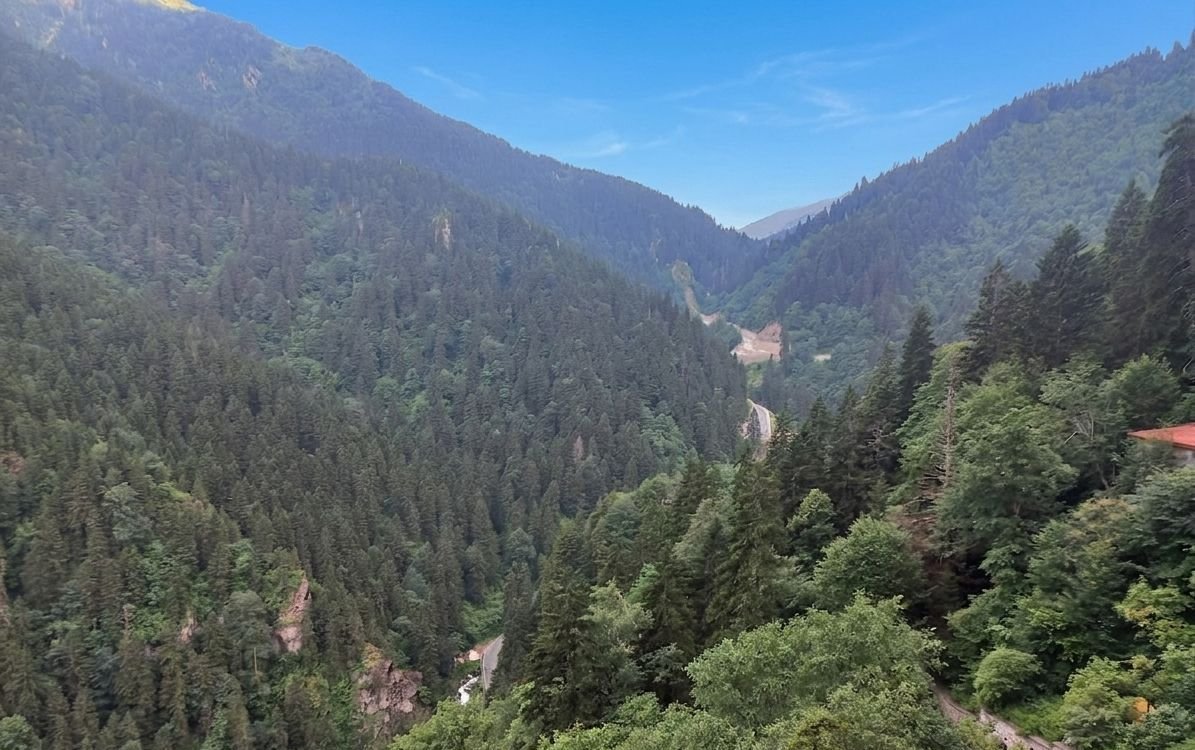
Nestled deep within the lush forests of the Pontic Mountains, Altındere National Park is one of Turkey’s most breathtaking natural treasures and home to the world-famous Sumela Monastery. Located approximately 47 kilometers southeast of Maçka in Trabzon Province, the park combines dramatic mountain scenery, ancient forests, rushing streams, and remarkable historical monuments, making it one of the most visited attractions in the Black Sea Region.
Perched dramatically on a sheer cliff approximately 270 meters above the Altındere Valley at an elevation of around 1,300 meters, the Sumela Monastery appears to cling impossibly to the mountainside. This extraordinary architectural masterpiece has captivated travelers, pilgrims, historians, and photographers for more than 1,600 years.
Altındere National Park
Established to protect one of the Black Sea Region’s richest natural environments, Altındere National Park covers thousands of hectares of dense forests, alpine meadows, deep valleys, and mountain streams.
The park is renowned for its:
- Ancient spruce and fir forests
- Crystal-clear mountain streams
- Rich wildlife
- Scenic hiking trails
- Panoramic viewpoints
- Waterfalls
- Fresh mountain air
- Exceptional biodiversity
Throughout the year, the park offers spectacular scenery, from vibrant spring wildflowers and cool summer forests to colorful autumn foliage and snow-covered winter landscapes.
The Legendary Sumela Monastery
The centerpiece of Altındere National Park is the magnificent Sumela Monastery (Monastery of the Virgin Mary), one of Turkey’s most iconic religious monuments.
Built into the face of a nearly vertical cliff, the monastery seems to emerge naturally from the surrounding rock. Its spectacular location has made it one of the country’s most photographed historical sites.
For centuries, Sumela served as an important center of Orthodox Christianity and remains a symbol of the rich cultural heritage of the Black Sea region.
History of Sumela Monastery
According to tradition, the monastery was originally founded during the 4th century AD by two Greek monks, Barnabas and Sophronius, who are believed to have discovered a miraculous icon of the Virgin Mary in a cave on the mountainside.
The original structure consisted of a small rock chapel built within a natural cave.
During the 11th century, the complex was greatly expanded into a substantial monastery, eventually containing:
- More than 70 monks’ cells
- Chapels
- Libraries
- Kitchens
- Guest rooms
- Storage facilities
- Water cisterns
- Study halls
Over the following centuries, successive Byzantine emperors and local rulers supported its growth, transforming Sumela into one of the most influential monasteries of the eastern Black Sea region.
Sumela During the Ottoman Period
Following the Ottoman conquest of Trabzon in 1461, the monastery continued to flourish.
Unlike many religious institutions elsewhere, Sumela received protection and privileges from several Ottoman sultans. Ottoman princes serving as governors of Trabzon contributed financial assistance, land grants, and official decrees that allowed the monastery to maintain its religious activities.
This remarkable period of coexistence enabled Sumela to preserve its artistic treasures and continue welcoming pilgrims for centuries.
Magnificent Frescoes
One of Sumela Monastery’s greatest artistic treasures is its collection of beautifully preserved Byzantine frescoes.
These colorful wall paintings decorate the monastery’s chapels, churches, and interior walls, depicting scenes from the Bible and the lives of Jesus Christ and the Virgin Mary.
Visitors can admire illustrations of:
- The Creation
- The Birth of Christ
- The Crucifixion
- The Resurrection
- The Last Judgment
- Saints and angels
- Byzantine religious symbolism
Although some frescoes have suffered damage over the centuries, many remain remarkably vibrant and continue to amaze visitors with their artistic quality.
Sacred Spring (Holy Water)
Within the monastery complex is a natural spring, long regarded as sacred by pilgrims.
For centuries, visitors have believed the spring’s water possesses healing and spiritual qualities. Today, many travelers still stop to drink from the spring or collect small amounts of its crystal-clear water as a keepsake.
Architecture
The monastery’s remarkable architecture demonstrates extraordinary engineering skill.
The complex includes:
- Rock-cut chapels
- Monks’ quarters
- Guest accommodations
- A large central courtyard
- Libraries
- Kitchens
- Storage rooms
- Stairways carved into the cliff
- Stone terraces overlooking the valley
The seamless integration of the buildings into the mountainside creates one of the most dramatic architectural landscapes anywhere in the world.
Hiking and Nature
Visiting Sumela is also an unforgettable nature experience.
The surrounding national park offers:
- Forest hiking trails
- Scenic mountain walks
- Wildlife observation
- Birdwatching
- Photography opportunities
- Picnic areas
- Mountain viewpoints
- Fresh alpine air
Every turn along the trail reveals spectacular views of the Altındere Valley below.
Wildlife
Altındere National Park supports a rich variety of wildlife, including:
- Roe deer
- Wild boar
- Foxes
- Wolves
- Brown bears (rarely seen)
- Hawks
- Eagles
- Woodpeckers
- Numerous butterfly species
The dense forests also contain hundreds of native plant species typical of the Eastern Black Sea ecosystem.
Photography
Sumela Monastery is widely regarded as one of Turkey’s premier photography destinations.
The most popular viewpoints capture:
- The monastery suspended on the cliff face
- Forest-covered mountains
- Deep river valleys
- Morning mist rising through the trees
- Autumn foliage
- Winter snow covering the monastery
Each season provides a completely different perspective of this remarkable landmark.
Best Time to Visit
Altındere National Park is beautiful throughout the year.
Spring (April–June) brings blooming wildflowers, waterfalls, and lush greenery.
Summer (June–September) offers comfortable temperatures ideal for hiking and sightseeing.
Autumn (September–November) transforms the forests into brilliant shades of gold, orange, and crimson.
Winter occasionally blankets the monastery in snow, creating one of Turkey’s most magical landscapes, although weather conditions may affect access.
Getting There
Altındere National Park is easily accessible from Trabzon.
Approximate distances include:
- Trabzon City Center: 47 km
- Maçka: 17 km
- Trabzon Airport: approximately 50 km
Visitors typically travel by private vehicle, organized tour, or public transportation to Maçka before continuing to the national park.
A shuttle service and a scenic walking path lead from the visitor area to the monastery.
Visitor Tips
- Wear comfortable walking shoes, as reaching the monastery involves uphill walking.
- Visit early in the morning to avoid crowds and enjoy the best lighting for photography.
- Bring a light jacket, as mountain temperatures are cooler than on the coast.
- Allow several hours to explore both the monastery and the surrounding national park.
- Respect the site’s religious and historical significance by helping preserve its remarkable frescoes and architecture.
Why Visit Altındere National Park and Sumela Monastery?
Few places in Turkey combine spectacular natural scenery, remarkable architecture, and profound historical significance as beautifully as Altındere National Park and the Sumela Monastery. Rising dramatically from the cliffs above the Altındere Valley, the monastery stands as a masterpiece of Byzantine engineering and a symbol of centuries of religious devotion and cultural exchange.
Whether you are fascinated by history, architecture, photography, hiking, or simply breathtaking landscapes, a visit to Sumela Monastery promises one of the most unforgettable experiences in the Black Sea Region and one of Turkey’s greatest travel highlights.
Leave a Reply
You must be logged in to post a comment.