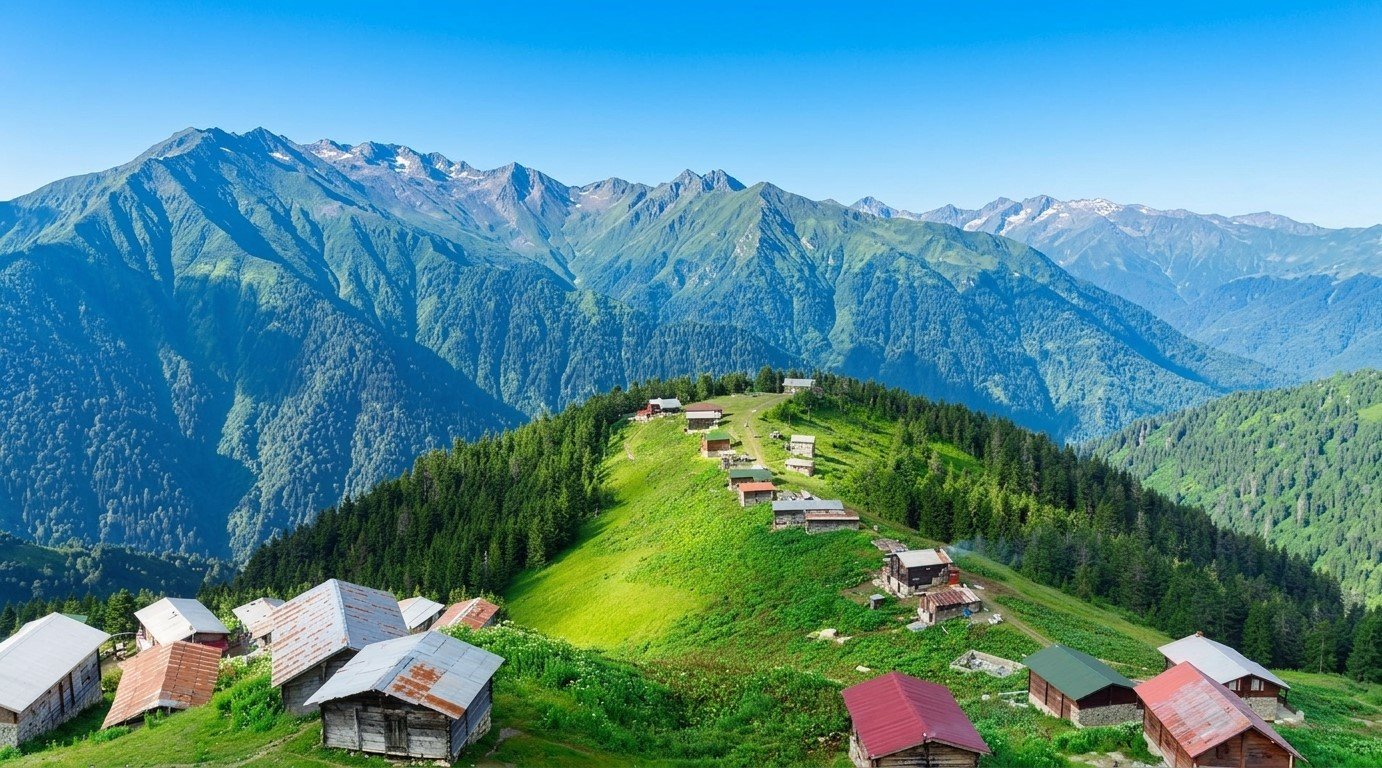
Turkey’s highland culture, known locally as “yayla culture,” is one of the country’s oldest and most cherished traditions. For centuries, families, shepherds, and nomadic communities have migrated to the cool mountain plateaus during the summer months, following a seasonal lifestyle that remains an important part of Turkey’s cultural heritage.
Surrounded by forests, alpine meadows, clear streams, and breathtaking mountain scenery, Turkey’s highlands offer not only fertile grazing lands but also a peaceful escape from the intense summer heat of the lowlands. Today, these picturesque mountain settlements have become popular destinations for both domestic and international visitors seeking authentic cultural experiences and unspoiled natural landscapes.
What Is a Yayla?
A yayla is a high-altitude mountain pasture or plateau traditionally used during the summer months. Located above the hotter lowland regions, yaylas enjoy cooler temperatures, fresh mountain air, and abundant natural springs.
For generations, people have moved seasonally to these highlands with their livestock, establishing temporary villages where they spend several months grazing animals, producing dairy products, and harvesting mountain resources before returning to lower elevations in autumn.
This seasonal migration, known as transhumance, has shaped rural life across Anatolia for centuries.
The Origins of Highland Culture
The tradition of moving to the mountains dates back to ancient times and was further developed by the Turkic nomadic peoples who settled in Anatolia after migrating from Central Asia.
These communities relied on seasonal migration to make the best use of natural resources. During the summer, livestock grazed on the lush alpine meadows, while the cooler climate provided healthier conditions for both people and animals.
Although modern lifestyles have changed many aspects of rural life, the yayla tradition continues in numerous parts of Turkey and remains a living expression of the country’s pastoral heritage.
Seasonal Migration
Every year, usually between May and September, families in many rural regions relocate to mountain pastures.
The migration often includes:
- Cattle
- Sheep
- Goats
- Horses
- Household belongings
- Traditional farming equipment
Entire families may spend weeks or months in the highlands, living in wooden cottages, stone houses, or traditional mountain homes while caring for their livestock and producing dairy products.
For many communities, this annual journey is both an economic necessity and a deeply rooted cultural tradition.
Livestock and Traditional Farming
Highland pastures provide rich natural grasses that are ideal for grazing animals.
Shepherds and farming families use these mountain meadows to:
- Raise cattle
- Graze sheep and goats
- Produce milk
- Make traditional cheeses
- Prepare butter and yogurt
- Collect hay for winter feeding
The nutritious alpine vegetation contributes to the distinctive flavor and high quality of many regional dairy products that are famous throughout Turkey.
Regional Highland Traditions
Highland culture varies across Turkey’s diverse regions, each with its own customs and traditions.
Black Sea Region
The Black Sea Highlands are among Turkey’s most famous yaylas. Covered with dense forests, rolling green meadows, waterfalls, and misty mountains, these highlands have become iconic symbols of Turkish mountain life.
Traditional wooden houses, lively folk music, energetic horon dances, and colorful summer festivals characterize the region’s vibrant highland culture.
Mediterranean Region
In southern Turkey, families have long moved to mountain plateaus to escape the intense coastal heat.
These cooler elevations provide comfortable summer living conditions while also serving as grazing grounds for livestock. Many Mediterranean yaylas have evolved into popular summer retreats where families maintain seasonal homes.
Central Anatolia
The broad plateaus of Central Anatolia support extensive livestock farming. Here, highland communities continue traditional pastoral practices while harvesting hay and preparing winter fodder for their animals.
Eastern and Southeastern Anatolia
In eastern Turkey, many semi-nomadic and pastoral communities continue the centuries-old tradition of moving their flocks to high mountain pastures during the summer.
The region’s vast alpine meadows provide ideal grazing conditions, supporting sheep and goat farming that remains central to the local economy.
A Refuge from Summer Heat
For many people living along Turkey’s Mediterranean and Aegean coasts, the yaylas provide a welcome escape from the intense summer climate.
Higher elevations offer:
- Cooler temperatures
- Fresh mountain air
- Lower humidity
- Fewer mosquitoes and insects
- Peaceful natural surroundings
- Cleaner environments
For generations, families have maintained summer homes in the mountains, enjoying a healthier and more comfortable lifestyle during the hottest months of the year.
Festivals and Local Traditions
Many Turkish highlands host colorful summer festivals that celebrate local culture and pastoral traditions.
These events often include:
- Traditional folk dancing
- Regional music performances
- Local handicraft exhibitions
- Horse and livestock displays
- Wrestling competitions
- Traditional games
- Regional food markets
These festivals strengthen community ties while preserving customs that have been passed down through generations.
Highland Cuisine
One of the highlights of visiting a Turkish yayla is experiencing its distinctive mountain cuisine.
Fresh local ingredients are used to prepare traditional specialties such as:
- Village cheeses
- Homemade butter
- Yogurt
- Cream
- Cornbread
- Fresh honey
- Herbal teas
- Grilled meats
- Local pastries
Many dishes are prepared using recipes that have remained virtually unchanged for centuries.
Highland Tourism in Turkey
In recent decades, Turkey’s beautiful mountain plateaus have become increasingly popular tourist destinations.
Known as highland tourism (yayla tourism), this growing form of sustainable travel allows visitors to experience authentic rural life while enjoying spectacular mountain scenery.
Travelers can:
- Stay in traditional mountain houses or boutique lodges.
- Hike through alpine meadows and forests.
- Visit waterfalls and mountain lakes.
- Observe traditional livestock farming.
- Sample regional cuisine.
- Attend local festivals.
- Photograph breathtaking landscapes.
- Experience village hospitality.
Unlike mass tourism destinations, many yaylas retain their peaceful atmosphere and traditional character, offering visitors an opportunity to connect with nature and local culture.
Sustainable Mountain Living
Highland culture represents an environmentally sustainable way of life that has evolved over centuries. Seasonal migration allows pastures to regenerate naturally while maintaining ecological balance and supporting biodiversity.
Today, many communities are working to preserve both their cultural traditions and the pristine mountain environments that have sustained them for generations.
The Enduring Spirit of the Yayla
Turkey’s highland culture is much more than a seasonal migration—it is a living tradition that reflects the country’s deep connection to nature, agriculture, and community life. From the lush green plateaus of the Black Sea Mountains to the rugged alpine pastures of eastern Anatolia, the yaylas continue to embody a unique way of life that has endured for centuries.
Whether visiting for the cool mountain climate, spectacular scenery, traditional festivals, or authentic village hospitality, travelers will discover that Turkey’s highlands offer one of the country’s most rewarding cultural and natural experiences. As interest in eco-tourism and sustainable travel continues to grow, the timeless traditions of the Turkish yayla remain an enduring symbol of Anatolia’s rich heritage and warm hospitality.
Leave a Reply
You must be logged in to post a comment.