Category: Sports

  • Spelunking in Turkey – Exploring One of the World’s Great Cave Destinations

    Spelunking in Turkey – Exploring One of the World’s Great Cave Destinations

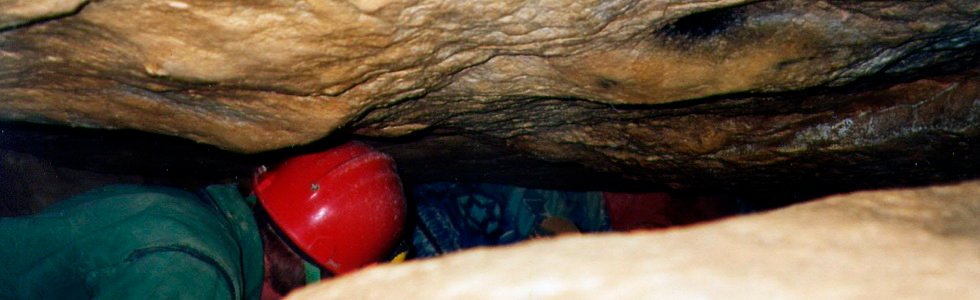
    Spelunking, also known as caving or cave exploration, is an exciting outdoor adventure that involves exploring natural caves and underground passages. Unlike spectator sports, spelunking is a personal journey into hidden landscapes shaped over millions of years by geological processes. Combining adventure, science, and nature, it attracts explorers, photographers, geologists, and outdoor enthusiasts from around the world.

    Thanks to its remarkable geological diversity, Turkey is one of the richest countries in Europe and the Middle East for cave exploration. With an estimated 40,000 caves and caverns, only a small percentage have been fully explored, making the country a fascinating destination for both amateur and experienced cavers.

    Turkey – A Paradise for Cave Explorers

    Turkey’s extraordinary cave systems are largely the result of karstification, a natural process in which slightly acidic water gradually dissolves limestone and other soluble rocks. Over thousands and even millions of years, this creates spectacular underground landscapes featuring chambers, tunnels, sinkholes, underground rivers, and impressive stalactite and stalagmite formations.

    The country’s most extensive karst regions are found along the Western and Central Taurus Mountains, particularly in the provinces of:

    • Muğla
    • Antalya
    • Isparta
    • Burdur
    • Konya
    • Karaman
    • Mersin
    • Adana

    These mountainous regions contain some of Turkey’s most spectacular underground systems and continue to be important areas for scientific exploration.

    Turkey’s Remarkable Caves

    Turkey is home to several caves of international significance.

    Pınargözü Cave, located near Beyşehir Lake in Isparta Province, is the country’s longest known cave system, extending for more than 16 kilometres, with exploration still continuing.

    Another extraordinary natural feature is the Çukurpınar Sinkhole near Anamur in Mersin Province. Reaching a depth of approximately 1,880 metres, it is among the deepest cave systems in the world and presents a serious challenge even for highly experienced cave explorers.

    In addition to these famous sites, hundreds of other caves throughout Turkey offer breathtaking underground scenery, crystal-clear lakes, vast chambers, and unique geological formations.

    The History of Cave Exploration in Turkey

    Organised cave exploration in Turkey began during the 1960s.

    The Cave Research Society (MAD) was established in 1964, laying the foundations for modern speleological studies in the country.

    In 1973, Boğaziçi University Cave Research Club (BUMAK) became Turkey’s first university-based cave exploration organisation. The club has played an important role in training generations of cavers while contributing to scientific research and mapping projects.

    A major milestone followed in 1979, when the Karst and Cave Research Unit was established within the General Directorate of Mineral Research and Exploration (MTA). Since then, Turkish and international researchers have surveyed and documented hundreds of cave systems, although the majority of the country’s estimated caves remain unexplored.

    Why Are Caves Important?

    Caves are far more than natural attractions. They serve scientific, environmental, historical, and economic purposes while providing valuable information about the Earth’s geological history.

    Researchers study caves to better understand:

    • Geological evolution
    • Underground water systems
    • Climate history
    • Ancient ecosystems
    • Archaeological remains
    • Human settlement patterns
    • Rare animal species adapted to underground environments

    Many caves also contain delicate ecosystems that are home to bats and other unique wildlife, making their conservation especially important.

    Uses of Caves

    Throughout history, caves have served a wide variety of practical purposes. Today they continue to be valuable for numerous scientific and commercial applications.

    Tourism

    Many caves have been carefully developed for visitors, with lighting systems, walkways, and guided tours that allow people to experience spectacular underground landscapes safely.

    Natural Cold Storage

    Because cave temperatures remain relatively constant throughout the year, they have traditionally been used as natural refrigeration chambers for storing food and agricultural products.

    Food Preservation

    The cool, stable environment inside caves is ideal for ageing and preserving products such as cheese, butter, and other dairy products.

    Mushroom Cultivation

    Some caves provide the humidity and temperature conditions required for successful mushroom farming.

    Health and Wellness

    Certain caves have historically been used for speleotherapy, where the clean, humid air is believed to benefit people with particular respiratory conditions. While some visitors report positive experiences, medical advice should always be sought before considering this type of therapy.

    Energy and Industrial Storage

    Suitable underground caverns can be engineered to store natural gas, liquefied petroleum gas (LPG), and other strategic energy resources.

    Scientific Research

    Caves help scientists map underground aquifers, investigate groundwater movement, monitor water quality, and better understand regional geology, hydrology, geomorphology, and palaeoecology.

    Wildlife Conservation

    Many cave systems provide essential habitats for bat colonies and numerous specialised species that cannot survive elsewhere.

    Responsible Cave Exploration

    Caving is an adventurous activity that should always be undertaken responsibly. Many cave systems contain fragile mineral formations that have taken thousands of years to develop and can be permanently damaged by careless visitors.

    When exploring caves:

    • Never enter difficult caves without proper training.
    • Always use appropriate safety equipment.
    • Visit with experienced guides or recognised caving organisations.
    • Avoid touching delicate rock formations.
    • Do not leave litter or disturb wildlife.
    • Respect all conservation regulations.

    Discover Turkey’s Hidden Underground World

    While Turkey is internationally famous for its beaches, ancient cities, and mountain landscapes, its underground world remains one of its greatest natural treasures. From enormous limestone chambers and mysterious sinkholes to spectacular stalactites, underground rivers, and untouched cave systems, the country offers endless opportunities for adventure and scientific discovery.

    Whether you are an experienced speleologist or simply curious about nature, exploring Turkey’s caves reveals a fascinating side of the country that few travellers ever experience.

  • Experience the thrill of flying into the sky with paragliding without any effort

    Paragliding is another flight of fancy particularly suited to the high peaks and gentle gusts of wind above the Blue Lagoon, over the travertines of Pamukkale, atop Bolu’s Abant Lake, and down along the coastline above Kas. And you don’t have to be a licensed pilot to enjoy the bird’s eye view. Experienced and insured flyers offer tandem flights to anyone with a yearning for flight, leaving their charges free to meditate upon the sights below. There are three paragliding disciplines: cross-country, bivouac and acrobatic.

    Paragliding sport is to take off by means of running from a high hill instead of plane with a parachute similar to free style jumping parachute on the first look. Parachute, which is lied on a inclined and high hill, is filled with air with the running of pilot and take off with pilot. Periods of the flights can continue for kilometers / hours in connection with the experience of pilot and performance of the materials used. Although it can be for single person, there is two persons (tandem) wings. Paragliding, whose first trial had been made in 1940s, and numerously modified till today. There were lots of structural improvements which has increased the flight period and security of perform.

    First paragliding was similar to free style diving parachute. It had turned into an aerophyl structure which has high raising power instead of its pressure enduring characteristic with changing in time. Paragliding parachute wing structure had reached to its appropriate shape for easy to take off, slowly descending ratio and good flying performance, beginning from 1980s. Paragliding Sport in our country had been recognized with the discover by foreign pilots of Mount Baba in Fethiye, Oludeniz (Blue Lagoon) region at the beginning of 1990s, and actively started in university clubs initially.

    Being the most economical aerial vessel and being inside the natural sports, maintained it to be performed by a massive number of people today. Paragliding Parachute Sport, which does not require a special skill or much effort basically, is very easy and enjoying to do after a standard training. Paragliding training are organized by THK, university clubs and private clubs.

    Some of the Flight Zones
    Paragliding in Inonu Eskisehir
    Paragliding in Egirdir Isparta
    Paragliding in Abant Bolu
    Paragliding in Golbasi Ankara
    Paragliding in Kayseri
    Paragliding in Pamukkale Denizli
    Paragliding in Fethiye Mugla
    Paragliding in Aksu Antalya

  • Golf has been played in Turkey since 1895

    Golf, which has a long history and is known for being the most environment oriented sport, is showing a great development in recent years in Turkey. About 50 million people of every gender and layer of society in nearly 30 thousand fields are playing golf, which is the oldest sports branch with written rules, and also one of the most profitable ones.

    As golf enables the players to have a break from daily problems, by spending hours in the nature, it is an ideal recreation and for some, a way of life. That is why specialist attribute the improvement of the productivity and health of societies, to the increase of the number of golf clubs.

    Golf In Turkey
    Adopting an approach of diversifying tourist activities and expand those to the whole year, the Ministry of Tourism is attaching great emphasis on the golf tourism. To this end, the Ministry studied areas suitable as golf fields, which are near to our shores and the high-capacity accommodation plants. The planning on these areas has already been concluded. Golf is a kind of recreation preferred by the high income level foreign visitors.

    Taking this into account, the Ministry has foreseen to include other sports facilities in planned golf fields and targeted at internationally compatible standards. The Ministry aims at holding international golf tournaments in our country in future years and determined 10 golf fields to this end. Under the Tourism Incentive Law No 2634, the Ministry determined some public areas to be turned into golf fields with all relevant environmental facilities and allocated these areas to investors.

  • Popular Activities in Turkey

    rafting turkey

    Turkey is one of the world’s most diverse adventure and outdoor destinations, offering an impressive range of activities for travelers seeking excitement, relaxation, and unforgettable experiences. From soaring above the fairy chimneys of Cappadocia to diving into the crystal-clear waters of the Mediterranean, visitors can enjoy countless opportunities to explore the country’s spectacular landscapes and rich natural heritage.

    Hot Air Ballooning

    Turkey is internationally renowned for its hot air balloon flights, particularly in the breathtaking region of Cappadocia. Floating above the region’s unique rock formations, ancient cave dwellings, and picturesque valleys at sunrise is considered one of the most memorable experiences in the country. The panoramic views and peaceful atmosphere make hot air ballooning a must-do activity for visitors.

    Fishing

    With coastlines stretching along the Mediterranean, Aegean, Black Sea, and Marmara Seas, as well as numerous lakes and rivers, Turkey offers excellent fishing opportunities. Anglers can enjoy deep-sea fishing, freshwater fishing, and traditional coastal fishing excursions. Popular fishing destinations include Bodrum, Antalya, Fethiye, Trabzon, and the Black Sea coast.

    Hunting

    Turkey’s diverse geography provides habitats for a variety of wildlife species, making it a popular destination for regulated hunting activities. Hunting is strictly controlled and requires permits and compliance with local regulations. Popular hunting regions include the mountainous areas of Eastern Anatolia and the forested regions of the Black Sea.

    Rafting

    Adventure enthusiasts will find some of Europe’s best rafting routes in Turkey. The Köprülü Canyon National Park near Antalya is the country’s premier rafting destination, offering thrilling rapids amid spectacular canyon scenery. Other popular rafting rivers include the Coruh River in northeastern Turkey and the Dalaman River in southwestern Anatolia.

    Cycling and Mountain Biking

    Turkey’s varied terrain provides exceptional opportunities for both recreational cycling and challenging mountain biking. Riders can explore coastal routes along the Aegean and Mediterranean shores, scenic countryside trails, and rugged mountain paths. Popular cycling destinations include Cappadocia, Fethiye, Marmaris, Antalya, and the Lycian Way region.

    Golf

    Turkey has emerged as one of Europe’s leading golf destinations. The resort town of Belek, near Antalya, is home to numerous championship golf courses designed by internationally renowned architects. With year-round sunshine, luxury resorts, and world-class facilities, Turkey attracts golf enthusiasts from around the globe.

    Mountaineering and Trekking

    From the towering peaks of Eastern Anatolia to the scenic coastal mountains of the Mediterranean region, Turkey offers excellent mountaineering and trekking opportunities. Mount Ararat, Turkey’s highest mountain, attracts experienced climbers, while routes such as the Lycian Way and St. Paul Trail provide unforgettable hiking experiences through stunning landscapes and historic sites.

    Skiing and Winter Sports

    Turkey’s mountainous terrain creates ideal conditions for winter sports. Popular ski resorts such as Uludağ, Palandöken, Erciyes, and Kartalkaya offer modern facilities, quality snow conditions, and a wide range of winter activities. The ski season typically runs from December through April, depending on weather conditions.

    Scuba Diving

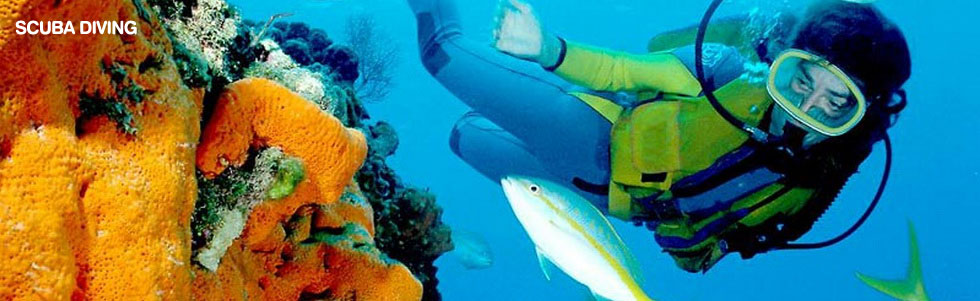
    The crystal-clear waters of the Mediterranean and Aegean Seas make Turkey an excellent destination for scuba diving. Divers can explore colorful marine life, underwater caves, reefs, and fascinating shipwrecks. Leading diving centers can be found in Kaş, Kalkan, Bodrum, Marmaris, Fethiye, and Antalya.

    Camping

    Nature lovers can enjoy camping in some of Turkey’s most beautiful landscapes, from pristine beaches and pine forests to mountain valleys and national parks. Popular camping destinations include the Turquoise Coast, Cappadocia, the Kaçkar Mountains, Mount Ida, and numerous protected natural areas throughout the country.

    A Destination for Every Adventure

    Whether you dream of drifting over Cappadocia in a hot air balloon, conquering mountain peaks, rafting through dramatic canyons, diving beneath turquoise waters, or simply camping under a star-filled sky, Turkey offers an extraordinary range of activities for every type of traveler. Combining breathtaking natural beauty, rich cultural heritage, and modern tourism infrastructure, Turkey remains one of the world’s premier destinations for adventure and outdoor recreation.

  • Equipped Diving Rules in Turkey

    scuba diving turkey

    Forbidden Zones: Al kinds of diving excluding scientific studies in military forbidden zones as well as regions in which there are Cultural and Natural Wealth Required to be protected underwater according to 19/08/1989 date and 20257 numbered Official Gazette issued Decision of Board of Ministers, according to 35th article of 863 numbered Cultural and Natural Wealth Protection Law.

    Certificate: Sportive aimed equipped divers, should have the sufficiency certificate (diving card) issued by Underwater Sports, Life Guarding and Water Ski Federation. But certificates issued by organizations educating under international standards, are also valid. These certificates, can be turned into sufficiency certificate (diving card) with application to federation. Sportive dives, diving disciplinary authorizations, technical specifications and authorization certificates of Turks are issued complying with the principles determined and accepted by Youth and sports General Directorate, Underwater Sports Life Guarding and Water Ski Federation. For sportive aimed dives of foreign divers, they should be a member of International Underwater Sports Federation or national organizations or have a certificate issued by authorized organizations or institutions of their countries.

    Responsibility: Diving and life security of the divers belongs to divers, but all of the responsibilities of course participant’s during training belongs to lecturer. In dives of Turks, taking guide skin diver is under request. Foreign divers should take guide skin diver during their dives. During diving, protection of cultural and natural wealth, maintaining of property and life security of divers during diving, are under the responsibility and obligation of guide skin diver. But all kinds of problems exist before diving and due to the personal mistakes of divers who violates the diving rules is not under the responsibility of skin diver.

    Material: There is no equipment limit during sportive aimed dives. Whilst equipped sportive dives, balance vest (life vest, BC), tube pressure monitor, depth monitor and time hour usage is obligatory. But usage of lifting balloon or same aimed materials are forbidden. Decompressed dives are absolutely forbidden. Presence of high pressurized tube filling compressor in land or in ships, which took required permissions from corresponding authorities during dives is free. Diving organizing agency, club, establishment, hotel, holiday village, school etc. places as well as ships should provide first aid material in stock. Underwater photographing, video camera usage during dives is free. All kinds of materials for taking picture or video recording can be used.

    Material Maintenance: Sportive aimed diving organizing tourism agencies, yacht operators, organizations and institutions as well as underwater clubs should perform the periodic test and maintenance of diving materials (such as tube regulator, balance vest) used and owned by skin divers. These tests can be performed in civil skin diver firm agencies or organizations authorized by Ministry of Industry and Commerce.

    Ships to be used during dives: During underwater dives, usage of Turk ships is basis. But dives are possible on condition that required permissions should be taken for foreign groups who wishes to dive from their boats as well as foreign divers who come with their ships.

    Diving permission: Sportive aimed equipped dives are subjected to permission excluding forbidden zones. Dives, organized to places excluding forbidden zones in group by club, organization or institutions, should be informed to City Tourism Directorates or authorized organization. This information is submitted to Regional Coast Guard Headquarters (or authority within the region) by correspondent organization. All kinds of equipped sportive dives are subject to permission for foreign divers.

    Authorities which will issue these permissions are City Tourism Directorate or authorized organizations. One copy of permission forms to be issued will be submitted to Harbor Directorate and one copy of it is submitted to Regional Coast Guard Headquarters (or authority within the region) by permission issuing organization. Permission certificate, whose one copy remains at permission holding organization, should be shown to authorities during controls. Information submission and permission taking is not obligatory during dives with the aim of training as well as two persons friend system dives (excluding forbidden zones).