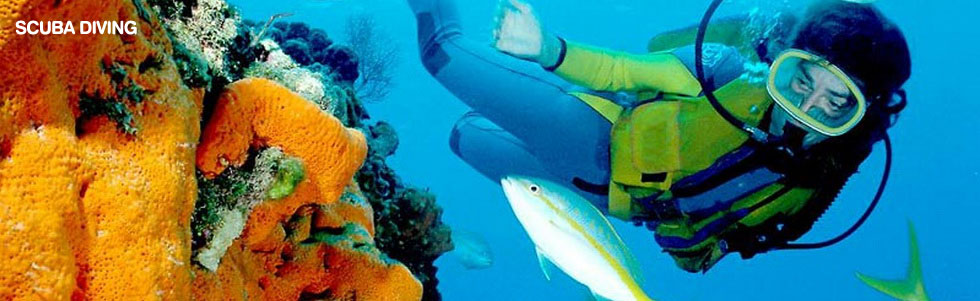
Turkey’s crystal-clear coastline and exceptional underwater landscapes make it one of the Mediterranean’s most popular scuba diving destinations. To ensure diver safety and protect the country’s rich marine and archaeological heritage, all recreational diving activities are subject to national regulations. Both Turkish and foreign divers should familiarize themselves with the following rules before diving.
Restricted Diving Areas
Scuba diving is strictly prohibited in military security zones and in underwater areas protected for their cultural, archaeological, or natural significance. These restrictions are established under Turkish legislation, including the Cultural and Natural Heritage Protection Law and related government regulations.
Diving in protected underwater archaeological sites is only permitted for authorized scientific research conducted with official approval. Recreational diving in these areas is forbidden.
Diver Certification
All recreational scuba divers must hold a recognized diving certification.
Turkish divers are required to possess a valid diving certificate issued by the Turkish Underwater Sports Federation or an equivalent certification recognized by the federation. International certifications issued by globally recognized training organizations are generally accepted and may be converted into a Turkish diving certificate if required.
Foreign divers must hold a valid certification issued by:
- An internationally recognized scuba diving organization
- Their national diving federation
- Another officially authorized diving training agency in their home country
Divers should always carry proof of certification while participating in diving activities.
Responsibility and Safety
Each diver is responsible for their own personal safety while underwater.
During diving courses, however, the instructor assumes responsibility for the safety of participating students throughout the training program.
Foreign recreational divers are generally required to dive with a certified local dive guide. Turkish divers may also be required to use a guide depending on the dive location or local regulations.
Dive guides are responsible for:
- Ensuring compliance with diving regulations
- Protecting underwater cultural and natural heritage
- Assisting with diver safety during the dive
However, guides are not liable for incidents resulting from a diver’s negligence, medical conditions, equipment misuse, or violations of diving rules.
Required Diving Equipment
There is no general restriction on recreational scuba equipment, but certain safety equipment is mandatory.
Every diver should use:
- Buoyancy Control Device (BCD)
- Air pressure gauge (SPG)
- Depth gauge or dive computer
- Timing device or dive computer
Decompression diving is prohibited during standard recreational diving activities unless specifically authorized under applicable regulations.
The use of lift bags or other equipment intended for recovering underwater objects is prohibited without official authorization.
Underwater photography and video recording are permitted, and divers are free to use cameras and other imaging equipment during recreational dives.
Equipment Inspection and Maintenance
Dive centers, tourism agencies, yacht operators, diving clubs, schools, hotels, and other organizations providing diving services are responsible for maintaining all diving equipment in safe working condition.
Equipment such as:
- Scuba cylinders
- Regulators
- Buoyancy Control Devices (BCDs)
must undergo regular inspection, servicing, and testing by qualified service providers or authorized maintenance facilities approved under Turkish regulations.
Dive Boats
Recreational diving is generally conducted from Turkish-registered vessels.
Foreign yachts and private boats may also be used for diving activities, provided that all necessary permits and official approvals have been obtained from the relevant Turkish authorities.
Diving Permits
Recreational scuba diving is permitted throughout Turkey except in officially restricted areas.
Organized dives conducted by:
- Dive centers
- Diving clubs
- Tourism companies
- Educational institutions
- Other organized groups
must notify the Provincial Directorate of Culture and Tourism or the relevant authorized authority before diving.
The authorities forward the necessary information to the Regional Coast Guard Command and other competent agencies.
Foreign recreational divers generally require official permission before conducting scuba dives in Turkish waters.
Copies of the diving permit are normally distributed to:
- The Harbour Master (Harbour Authority)
- The Regional Coast Guard Command
- The organization holding the permit
Divers and dive operators should be prepared to present their permits during inspections.
Training and Buddy Dives
Official notification or diving permits are generally not required for:
- Certified diving training conducted by authorized instructors
- Recreational buddy dives involving two certified divers
This exemption applies only when diving takes place outside restricted or prohibited areas and complies with all applicable Turkish diving regulations.
Respect Turkey’s Underwater Heritage
Turkey’s underwater world includes spectacular reefs, caves, wrecks, and thousands of years of submerged archaeological treasures. By following local diving regulations, divers help protect these invaluable sites while ensuring a safe and enjoyable diving experience for everyone.
Before planning a dive, always check current local regulations with your dive operator or the relevant Turkish authorities, as specific requirements and restricted areas may change over time.
Leave a Reply
You must be logged in to post a comment.