Category: Tourism

  • Travel Istanbul’s European Side: History, Culture and Modern City Life

    Discover Istanbul’s European Side

    Istanbul’s European Side is where the city’s remarkable past meets its dynamic present. Home to magnificent imperial monuments, bustling markets, stylish neighborhoods, and vibrant nightlife, this part of the city offers an unforgettable experience for every traveler. Divided by the historic Golden Horn, the European Side encompasses both the ancient heart of Constantinople and the cosmopolitan districts that define modern Istanbul.

    Whether you are exploring centuries-old palaces, browsing traditional bazaars, dining at waterfront restaurants, or enjoying panoramic Bosphorus views, Istanbul’s European Side provides an ideal introduction to one of the world’s most fascinating cities.

    The Historic Peninsula

    South of the Golden Horn lies the Historic Peninsula, a UNESCO World Heritage Site that served as the capital of the Byzantine and Ottoman Empires for more than 1,500 years. This compact area is filled with architectural masterpieces, archaeological treasures, and cultural landmarks that attract millions of visitors each year.

    Its narrow streets reveal layers of history, where Roman, Byzantine, and Ottoman monuments stand within walking distance of one another. The district is perfect for travelers who want to experience Istanbul’s rich heritage while exploring on foot.

    Sultanahmet – The Heart of Historic Istanbul

    Sultanahmet is the city’s most famous historic district and the starting point for many visitors. Here, some of Turkey’s most iconic landmarks stand side by side.

    Visitors can admire the magnificent Hagia Sophia, once the world’s largest cathedral before becoming an imperial mosque and today one of Istanbul’s most celebrated monuments. Nearby, the elegant Blue Mosque captivates visitors with its six minarets and breathtaking blue İznik tilework.

    Topkapı Palace, the residence of Ottoman sultans for nearly four centuries, offers fascinating museums, lavish courtyards, sacred relics, and spectacular views across the Bosphorus. Other highlights include the ancient Hippodrome, the mysterious Basilica Cistern, and the Archaeological Museums, making Sultanahmet an essential destination for history enthusiasts.

    Eminönü and Fatih – Traditional Markets and Local Life

    Just west of Sultanahmet, Eminönü and Fatih showcase Istanbul’s commercial traditions and authentic local atmosphere. These lively districts have been important trading centers since Ottoman times and continue to attract visitors with their colorful markets and historic streets.

    The Grand Bazaar remains one of the world’s oldest and largest covered markets, offering thousands of shops selling handmade carpets, ceramics, jewelry, leather goods, antiques, textiles, and souvenirs.

    A short walk away, the Spice Bazaar fills the air with the aromas of saffron, cinnamon, Turkish tea, dried fruits, herbs, and traditional Turkish delights. Exploring these historic marketplaces is an experience that combines shopping with centuries of living history.

    The waterfront around Eminönü is equally vibrant, where locals and visitors gather to enjoy fresh seafood, take ferry rides, or admire the constant movement of boats crossing the Bosphorus.

    Karaköy and Galata – Where History Meets Contemporary Culture

    Across the historic Galata Bridge lies Karaköy, one of Istanbul’s most fashionable neighborhoods. Once a busy commercial port, it has transformed into a lively district filled with boutique cafés, contemporary art galleries, stylish restaurants, and creative spaces.

    One of the area’s greatest landmarks is the medieval Galata Tower, which rewards visitors with breathtaking panoramic views of Istanbul’s skyline, the Bosphorus, and the Golden Horn.

    Nearby, Istanbul Modern showcases Turkish and international contemporary art, while the surrounding streets are perfect for discovering independent boutiques, artisan coffee shops, and vibrant street art.

    Karaköy’s waterfront also serves as a gateway for Bosphorus cruises and ferry services, making it an excellent base for sightseeing.

    Taksim and Beyoğlu – Modern Istanbul

    North of the Golden Horn, Taksim and Beyoğlu represent the cultural and entertainment center of modern Istanbul. This energetic district combines historic architecture with contemporary shopping, nightlife, music, and international cuisine.

    Istiklal Avenue stretches for nearly 1.5 kilometers and is one of the city’s busiest pedestrian streets. Lined with historic buildings, elegant arcades, bookstores, theaters, boutiques, restaurants, and cafés, it offers a lively atmosphere throughout the day and well into the evening.

    The nostalgic red tram that travels along the avenue has become one of Istanbul’s most recognizable symbols. At its northern end, Taksim Square serves as a major transportation hub and gathering place for both residents and visitors.

    Getting Around Istanbul’s European Side

    The European Side is served by one of Turkey’s most extensive public transportation networks, making it easy to explore the city’s diverse neighborhoods.

    The Istanbul Metro is the fastest option for avoiding heavy traffic. The M2 Metro Line connects Yenikapı with Taksim, Şişli, Levent, and other important commercial districts, providing quick access across much of the European Side.

    For tourists, the T1 Tram Line is especially convenient. It links many of Istanbul’s most visited attractions, including Sultanahmet, Eminönü, Sirkeci, Karaköy, and Kabataş, allowing visitors to travel comfortably between historic sites and the waterfront.

    Ferries remain one of the city’s most enjoyable forms of transportation. Regular services depart from Eminönü, Karaköy, and Kabataş, connecting the European Side with Kadıköy, Üsküdar, and other destinations on the Asian Side. A Bosphorus cruise is also highly recommended, offering unforgettable views of palaces, mosques, waterfront mansions, and the city’s famous skyline.

    For those traveling between Karaköy and Beyoğlu, the historic Tünel funicular provides one of the world’s oldest underground rail journeys while conveniently bypassing the neighborhood’s steep hillside streets.

    Travel Tips

    • Purchase an Istanbulkart for affordable travel on metros, trams, buses, ferries, and funiculars.
    • Start sightseeing early in Sultanahmet to avoid the largest crowds at major attractions.
    • Wear comfortable walking shoes, as many historic streets feature cobblestones and steep inclines.
    • Visit local cafés and rooftop terraces to enjoy spectacular views of the Bosphorus and the city’s historic skyline.
    • Allow time to explore neighborhoods beyond the main tourist attractions, where authentic local culture, traditional bakeries, and hidden courtyards provide memorable experiences.

    Why Visit Istanbul’s European Side?

    Istanbul’s European Side offers an extraordinary blend of history, architecture, culture, shopping, and modern urban life. From the magnificent monuments of the Historic Peninsula to the artistic streets of Karaköy and the lively atmosphere of Taksim, every district reveals a different chapter of Istanbul’s story.

    Whether you are visiting for a weekend or planning a longer stay, the European Side provides endless opportunities to discover the unique character of a city that has connected Europe and Asia for centuries.
  • Authentic Villages in Turkiye: Discover Traditional Life Beyond the Tourist Trail

    While Türkiye is celebrated for its vibrant cities, magnificent archaeological sites, and beautiful Mediterranean coastline, some of its most memorable experiences can be found in its traditional villages. Scattered across mountains, valleys, and coastal regions, these picturesque settlements preserve centuries-old architecture, local customs, artisanal crafts, and culinary traditions that offer visitors a glimpse into the country’s rich cultural heritage.

    From the 700-year-old Ottoman village of Cumalıkızık near Bursa to the charming Greek stone houses of Şirince in İzmir Province, Türkiye’s villages invite travelers to slow down, explore cobbled streets, meet welcoming locals, and experience authentic rural life. Whether you’re interested in history, gastronomy, handicrafts, or nature, these villages provide an unforgettable escape from the bustle of modern cities.


    Cumalıkızık (Bursa)

    Nestled on the slopes of Mount Uludağ, Cumalıkızık is one of the finest surviving examples of an early Ottoman village. Founded in the early 14th century, shortly after the establishment of the Ottoman Empire, the village has preserved its narrow stone-paved streets, colorful timber-framed houses, and traditional atmosphere for more than seven centuries.

    Recognized as part of Bursa’s UNESCO World Heritage Site, Cumalıkızık is famous for its beautifully restored Ottoman homes, family-run cafés, traditional Turkish breakfasts, handmade jams, and local handicrafts. Visitors can wander through winding alleys, shop for homemade products, and experience the warmth of rural Turkish hospitality.


    Şirince (İzmir)

    Perched among olive groves and vineyards near the ancient city of Ephesus, Şirince is one of Türkiye’s most enchanting villages. Originally settled by Orthodox Greeks, the village is renowned for its elegant whitewashed stone houses, narrow cobbled lanes, and panoramic hillside views.

    Today, Şirince is famous for its fruit wines, olive oil, handmade soaps, artisan shops, and traditional Aegean cuisine. Visitors can explore historic churches, browse local craft markets, enjoy authentic village breakfasts, and sample regional specialties while surrounded by the peaceful beauty of the countryside.


    Adatepe (Çanakkale)

    Located on the northern slopes of the Kaz Mountains overlooking the Aegean Sea, Adatepe is a beautifully restored stone village with Greek and Turkish architectural influences. Surrounded by ancient olive groves, the village is known for its tranquil atmosphere, boutique guesthouses, and cultural heritage.

    Nearby attractions include the Zeus Altar, which offers spectacular views over the Gulf of Edremit, and the Olive Oil Museum, where visitors can learn about one of the region’s oldest traditions.


    Safranbolu (Karabük)

    Although officially a historic town rather than a village, Safranbolu offers one of Türkiye’s most authentic Ottoman experiences. Designated as a UNESCO World Heritage Site, it features hundreds of remarkably preserved Ottoman mansions, caravanserais, baths, mosques, and narrow cobblestone streets.

    Visitors can stay in restored Ottoman houses, watch traditional craftsmen at work, sample the town’s famous saffron-flavored delicacies, and experience a living museum of Ottoman architecture.


    Uçhisar (Nevşehir)

    Situated at the highest point in Cappadocia, Uçhisar combines traditional village life with one of Türkiye’s most spectacular landscapes. Dominated by the impressive Uçhisar Castle, the village features stone houses carved into volcanic rock, boutique cave hotels, artisan workshops, and breathtaking panoramic views.

    The village provides easy access to Cappadocia’s valleys, hiking trails, underground cities, and famous hot-air balloon flights.


    Mustafapaşa (Nevşehir)

    Formerly known as Sinasos, Mustafapaşa is one of Cappadocia’s hidden gems. The village is distinguished by its elegant Greek mansions, stone churches, monasteries, and beautifully carved façades that reflect its multicultural past.

    Quiet streets, traditional cafés, and historic architecture make Mustafapaşa an excellent destination for travelers seeking a more authentic Cappadocian experience.


    Kayaköy (Muğla)

    Near Fethiye lies Kayaköy, one of Türkiye’s most fascinating historic villages. Once home to a thriving Greek community, it was abandoned during the population exchange between Greece and Türkiye in 1923.

    Today, hundreds of roofless stone houses, churches, and narrow pathways create an atmospheric open-air museum. Visitors can explore the village’s history while enjoying peaceful walking trails and beautiful views over the surrounding countryside.


    Doğanbey (Aydın)

    Located near the Dilek Peninsula National Park, Doğanbey is another beautifully preserved former Greek village. Carefully restored stone houses line quiet streets surrounded by olive groves and mountain scenery.

    The village serves as an excellent base for exploring nearby beaches, ancient cities such as Priene, and the rich biodiversity of the national park.


    Birgi (İzmir)

    Nestled at the foot of the Bozdağ Mountains, Birgi is a historic settlement renowned for its well-preserved Ottoman houses, stone streets, mosques, fountains, and traditional craftsmanship. The village’s rich architectural heritage and peaceful atmosphere have earned it a place on UNESCO’s Tentative List.

    Visitors can admire elegant wooden mansions, visit centuries-old mosques, and enjoy authentic Aegean hospitality in one of western Türkiye’s most charming rural communities.


    Taraklı (Sakarya)

    Located between Istanbul and Ankara, Taraklı is a picturesque Ottoman town known for its beautifully preserved timber houses, historic baths, and traditional way of life. Designated as a member of the Cittaslow (Slow City) network, Taraklı emphasizes sustainable tourism and the preservation of local culture.

    The town’s quiet streets, local markets, and family-run guesthouses provide an ideal retreat for travelers seeking relaxation and authenticity.


    Beypazarı (Ankara)

    Although larger than a typical village, Beypazarı retains the charm of a traditional Anatolian settlement. Famous for its restored Ottoman houses, silver craftsmanship, mineral-rich springs, and regional cuisine, it offers visitors a rich cultural experience just a short drive from Ankara.

    Local specialties such as Beypazarı stew, dried fruits, and handmade baklava are among the highlights of any visit.


    Gökçeada Villages (Çanakkale)

    Türkiye’s largest island, Gökçeada, is home to several traditional Greek villages, including Zeytinli, Tepeköy, and Dereköy. These peaceful settlements feature stone houses, centuries-old churches, olive groves, and village squares shaded by ancient plane trees.

    Visitors can enjoy locally produced olive oil, goat cheese, homemade wines, and traditional island cuisine while experiencing a slower pace of life.


    Traditional Village Experiences

    Many villages throughout Türkiye offer opportunities to participate in authentic rural activities, including:

    • Enjoying traditional Turkish village breakfasts.
    • Sampling locally produced cheeses, olive oil, honey, and homemade preserves.
    • Visiting weekly village markets filled with regional products.
    • Watching artisans create carpets, pottery, wood carvings, and textiles.
    • Staying in restored stone or Ottoman houses converted into boutique guesthouses.
    • Joining olive, grape, lavender, or fruit harvests during the appropriate seasons.
    • Learning traditional Turkish cooking from local families.
    • Exploring nearby vineyards, orchards, and scenic walking trails.

    Village Cuisine

    One of the greatest pleasures of visiting Türkiye’s villages is discovering regional cuisine prepared using fresh, locally sourced ingredients. Depending on the region, visitors can enjoy:

    • Freshly baked village bread.
    • Homemade jams and marmalades.
    • Organic cheeses and yogurt.
    • Olive oil dishes.
    • Stuffed vegetables.
    • Wood-fired gözleme.
    • Seasonal herbs and wild greens.
    • Traditional meat stews.
    • Fresh trout from mountain streams.
    • Handmade desserts and Turkish tea served in village gardens.

    Every region offers its own unique culinary traditions, reflecting centuries of local culture and agricultural heritage.


    Best Time to Visit

    Spring (April to June) and autumn (September to November) are ideal seasons for exploring Türkiye’s villages. Mild temperatures, blooming landscapes, harvest festivals, and fewer crowds create excellent conditions for sightseeing and outdoor activities. Summer is perfect for mountain villages, while winter offers a cozy atmosphere in snow-covered settlements such as Cumalıkızık and Safranbolu.


    Tips for Visiting Turkish Villages

    • Respect local customs and traditions, particularly in conservative rural areas.
    • Support family-run businesses by purchasing locally made products.
    • Wear comfortable shoes, as many villages feature steep cobblestone streets.
    • Carry cash, as small shops may not accept credit cards.
    • Allow time to interact with local residents, who are often eager to share stories about their village and traditions.
    • Combine village visits with nearby archaeological sites, national parks, or scenic drives for a more rewarding travel experience.

    Türkiye’s traditional villages offer a captivating journey into the country’s cultural heart. Whether you’re strolling through the Ottoman streets of Cumalıkızık, sampling fruit wines in Şirince, admiring the stone houses of Adatepe, or exploring the historic neighborhoods of Birgi and Mustafapaşa, each village reveals a unique chapter of Türkiye’s rich heritage. Far from the busy resorts and major cities, these timeless communities preserve centuries-old traditions, authentic cuisine, and genuine hospitality, making them some of the country’s most rewarding destinations for travelers seeking an unforgettable cultural experience.

  • Historical Sites in Izmir: Exploring the Ancient Heritage of Türkiye’s Aegean Coast

    Izmir, Türkiye’s third-largest city, is one of the country’s most historically significant destinations. Situated along the beautiful Aegean coast, the province has been continuously inhabited for more than 8,500 years, making it one of the oldest urban settlements in the Mediterranean. Throughout its long history, İzmir—known in antiquity as Smyrna—has been home to the Hittites, Aeolians, Ionians, Lydians, Persians, Greeks, Romans, Byzantines, Seljuks, and Ottomans.

    Today, İzmir offers visitors an extraordinary blend of ancient cities, Roman monuments, medieval fortresses, Ottoman landmarks, archaeological museums, and UNESCO World Heritage Sites. From the bustling streets of modern İzmir to the remarkably preserved ruins of Ephesus and Pergamon, the province is a paradise for history enthusiasts and cultural travelers.


    Ancient City of Ephesus

    The Ancient City of Ephesus is Türkiye’s most famous archaeological site and one of the best-preserved classical cities in the world. Designated as a UNESCO World Heritage Site, Ephesus was once one of the largest cities of the Roman Empire and an important center of commerce, religion, and culture.

    Highlights include:

    • Library of Celsus
    • Great Theatre
    • Marble Street
    • Temple of Hadrian
    • Terrace Houses
    • Agora
    • Roman Baths
    • Curetes Street
    • Harbor Avenue

    Walking through Ephesus offers an unforgettable glimpse into daily life during the Roman period.


    House of the Virgin Mary

    Located on Mount Koressos near Ephesus, the House of the Virgin Mary is believed by many Christians to be the final residence of Mary, the mother of Jesus.

    The peaceful sanctuary attracts pilgrims and visitors from around the world and includes:

    • Chapel
    • Holy spring
    • Prayer wall
    • Walking trails
    • Beautiful forest surroundings

    It has been visited by several Popes and remains one of Türkiye’s most important religious sites.


    Temple of Artemis

    Once considered one of the Seven Wonders of the Ancient World, the Temple of Artemis stood near Ephesus and was one of the largest temples ever constructed in antiquity.

    Although only a few columns remain today, the site represents one of the most significant religious centers of the ancient world and offers insight into the grandeur of Ionian architecture.


    Ancient City of Pergamon (Bergama)

    The ancient city of Pergamon, located in modern-day Bergama, is another UNESCO World Heritage Site renowned for its impressive hilltop acropolis.

    Major attractions include:

    • Acropolis
    • Steep ancient theatre
    • Temple of Trajan
    • Altar of Zeus (site)
    • Sanctuary of Athena
    • Library of Pergamon
    • Royal palaces
    • Gymnasium
    • City walls

    Pergamon was one of the leading cultural and scientific centers of the Hellenistic world.


    Asklepion of Pergamon

    The Asklepion was one of antiquity’s most celebrated medical centers and healing sanctuaries.

    Dedicated to Asclepius, the Greek god of medicine, the complex features:

    • Sacred healing tunnels
    • Ancient hospital
    • Theatre
    • Temple
    • Treatment rooms
    • Sacred spring
    • Colonnaded streets

    Patients from across the Roman Empire traveled here seeking medical treatment.


    Smyrna Agora

    Located in the heart of modern İzmir, the Agora of Smyrna is one of the finest Roman agoras preserved in Türkiye.

    Originally built during the Hellenistic period and rebuilt after an earthquake under Emperor Marcus Aurelius, visitors can explore:

    • Roman arches
    • Colonnades
    • Ancient marketplace
    • Water channels
    • Graffiti inscriptions
    • Courtyards

    The site provides a fascinating contrast between ancient ruins and the modern city.


    Kadifekale (Velvet Castle)

    Perched on Mount Pagos overlooking İzmir, Kadifekale was originally constructed during the reign of Alexander the Great’s successors.

    Visitors enjoy:

    • Byzantine and Ottoman fortifications
    • Ancient walls
    • Observation towers
    • Panoramic views over İzmir Bay
    • Archaeological remains

    The castle remains one of the city’s best viewpoints.


    Ancient City of Teos

    Located near Sığacık in Seferihisar, Teos was an important Ionian city famous for its artistic and cultural traditions.

    Highlights include:

    • Temple of Dionysus
    • Ancient theatre
    • Bouleuterion
    • Harbor remains
    • Agora
    • City walls

    The Temple of Dionysus was designed by the renowned architect Hermogenes.


    Ancient City of Klazomenai

    Situated near Urla, Klazomenai was one of the twelve Ionian cities and became famous for producing high-quality olive oil.

    Visitors can explore:

    • Ancient olive oil workshop
    • City walls
    • Harbor remains
    • Necropolis
    • Residential quarters

    The reconstructed olive oil press is one of the oldest known production facilities in the world.


    Ancient City of Metropolis

    Located near Torbalı, Metropolis flourished during the Hellenistic and Roman periods.

    Major attractions include:

    • Theatre
    • Bouleuterion
    • Roman baths
    • Agora
    • Mosaic floors
    • Gymnasium

    Ongoing excavations continue to reveal new discoveries.


    Ancient City of Lebedos

    Lebedos was one of the smallest Ionian cities and is located near Ürkmez.

    Although much of the ancient city remains unexcavated, visitors can still see:

    • Harbor remains
    • Ancient walls
    • Foundations
    • Coastal archaeological landscape

    Ancient City of Colophon

    Once one of the wealthiest Ionian cities, Colophon became renowned for its cavalry and cultural achievements.

    Visible remains include:

    • Temple ruins
    • Acropolis
    • Ancient streets
    • Defensive walls

    The nearby Sanctuary of Apollo at Claros formed an important religious center.


    Claros Sanctuary

    Located near Ahmetbeyli, Claros was one of the ancient world’s most important oracle centers.

    Visitors can admire:

    • Temple of Apollo
    • Sacred spring
    • Monumental columns
    • Ancient inscriptions
    • Ceremonial areas

    Pilgrims traveled here from across the Mediterranean seeking divine guidance.


    Ancient City of Notion

    Situated close to Claros, Notion occupies a scenic hill overlooking the Aegean Sea.

    Highlights include:

    • Theatre
    • Temple remains
    • City walls
    • Harbor views
    • Acropolis

    Its peaceful setting makes it an excellent destination for archaeology enthusiasts.


    Ancient City of Phocaea (Foça)

    Modern Foça preserves the heritage of ancient Phocaea, one of the great Ionian maritime cities.

    Historical attractions include:

    • Ancient city walls
    • Rock-cut tombs
    • Medieval castle
    • Ottoman houses
    • Harbor fortifications

    Phocaean sailors established colonies throughout the western Mediterranean, including Marseille in France.


    Çeşme Castle

    Built in 1508 during the reign of Sultan Bayezid II, Çeşme Castle overlooks the town’s picturesque harbor.

    Inside the castle visitors can explore:

    • Archaeological Museum
    • Ottoman military exhibits
    • Ancient artifacts
    • Defensive towers
    • Sea views

    The castle played an important role in protecting the Aegean coastline.


    Birgi Historic Village

    Located near Ödemiş, Birgi is one of Türkiye’s finest preserved Ottoman settlements.

    Its historical attractions include:

    • Ottoman mansions
    • Stone streets
    • Aydınoğlu Mehmet Bey Mosque
    • Historic fountains
    • Traditional markets
    • Tombs

    Birgi is included on UNESCO’s Tentative List.


    St. John’s Basilica

    Situated near Selçuk, the Basilica of St. John was built during the reign of Emperor Justinian in the 6th century over what is traditionally believed to be the burial place of St. John the Apostle.

    Visitors can explore:

    • Basilica ruins
    • Baptistery
    • Marble columns
    • Fortress walls
    • Scenic viewpoints

    Ayasuluk Castle

    Overlooking Selçuk, Ayasuluk Castle has Byzantine, Seljuk, and Ottoman origins.

    The fortress includes:

    • Defensive walls
    • Towers
    • Cisterns
    • Ancient churches
    • Panoramic views

    Together with Ephesus and St. John’s Basilica, it forms part of the UNESCO World Heritage Site.


    İzmir Clock Tower

    Built in 1901 to commemorate the 25th anniversary of Sultan Abdulhamid II’s reign, the elegant İzmir Clock Tower stands in Konak Square and has become the city’s most recognizable landmark.

    The beautifully decorated structure reflects a blend of Ottoman and European architectural influences.


    Kemeraltı Bazaar

    Dating back to the 17th century, Kemeraltı Bazaar is one of Türkiye’s oldest shopping districts.

    Visitors can discover:

    • Historic hans (caravanserais)
    • Ottoman mosques
    • Synagogues
    • Traditional workshops
    • Spice shops
    • Artisan boutiques
    • Local cafés

    It remains one of İzmir’s liveliest cultural and commercial centers.


    İzmir Archaeological Museum

    The museum houses an outstanding collection of artifacts recovered from ancient cities throughout the province.

    Exhibits include:

    • Greek sculptures
    • Roman statues
    • Coins
    • Ceramics
    • Sarcophagi
    • Bronze artifacts
    • Jewelry
    • Inscriptions

    It is an ideal starting point for understanding the region’s archaeological heritage.


    UNESCO World Heritage Sites in İzmir

    İzmir Province is home to several internationally recognized heritage sites:

    • Ephesus – UNESCO World Heritage Site
    • Pergamon and its Multi-Layered Cultural Landscape – UNESCO World Heritage Site

    UNESCO Tentative List sites include:

    • Birgi Historic Village
    • Foça (Phocaea)
    • Çandarlı Castle
    • Genoese Trade Route structures in the eastern Mediterranean

    These sites highlight İzmir’s exceptional role in the history of ancient Anatolia and the Mediterranean.


    Tips for Visiting İzmir’s Historical Sites

    • Plan at least four to six days to explore the province’s major archaeological attractions.
    • Wear comfortable shoes, as many ancient cities feature extensive marble streets and uneven terrain.
    • Visit early in the morning during summer to avoid high temperatures.
    • Combine historical sightseeing with visits to nearby beaches, vineyards, and traditional villages.
    • Consider renting a car to easily access sites spread across the province.

    Izmir offers one of the richest historical experiences in Türkiye, where the legacy of the ancient Greeks, Romans, Byzantines, Seljuks, and Ottomans comes to life. From the awe-inspiring ruins of Ephesus and the hilltop acropolis of Pergamon to the Roman Agora of Smyrna and the charming Ottoman streets of Birgi, the province presents an extraordinary journey through more than eight millennia of civilization. Whether you are fascinated by archaeology, architecture, religion, or cultural heritage, İzmir’s historical sites promise an unforgettable exploration of the Aegean’s remarkable past.

  • Gulf of Hisaronu – most well-liked sailing destination in Turkey

    Gulf of Hisaronu – most well-liked sailing destination in Turkey

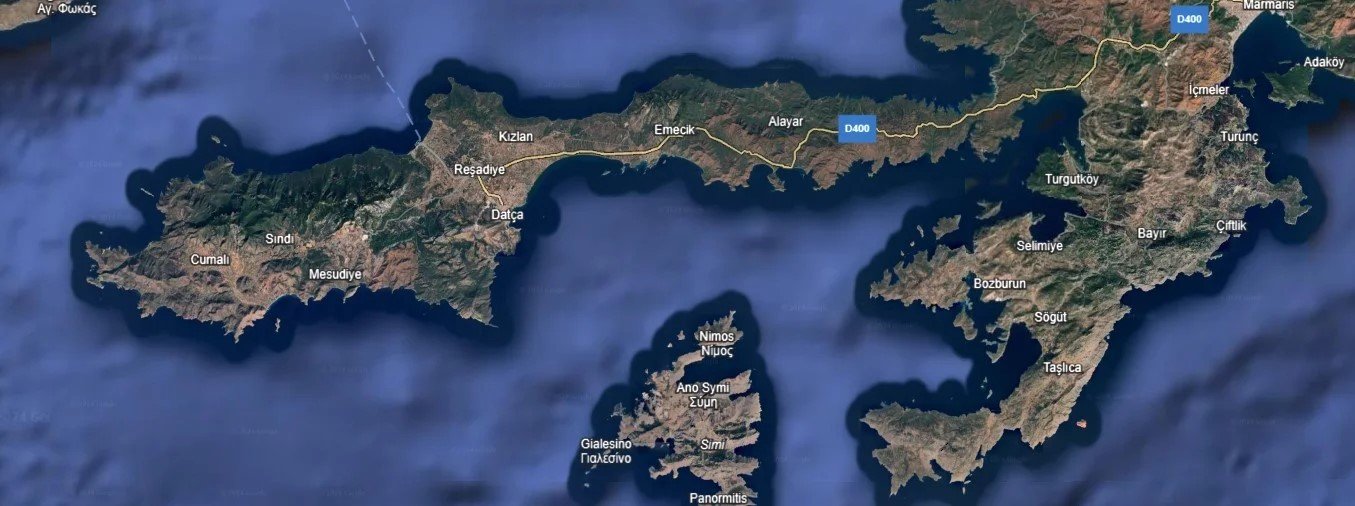
    The Gulf of Hisaronu, located on the breathtaking Datca Peninsula in southwestern Turkey, is one of the most peaceful and scenic corners of the Aegean coast. Famous for its crystal-clear turquoise waters, pine-covered hills, hidden coves, charming fishing villages, and excellent sailing conditions, Hisaronu Bay offers visitors a perfect combination of natural beauty, tranquility, adventure, and authentic Aegean culture.

    Unlike the crowded tourist centers of the Mediterranean, the Gulf of Hisaronu has managed to preserve its calm atmosphere and traditional character. Surrounded by untouched landscapes and protected bays, the region has become one of Turkey’s premier destinations for sailing, yacht tourism, gulet cruises, and eco-tourism.

    Stretching between the Datca Peninsula to the north and the Bozburun Peninsula to the east, while facing the Greek island of Symi (Sombeki) to the south, the gulf forms a spectacular natural harbor sheltered from strong winds and rough seas. This geography creates ideal conditions for boating, swimming, diving, and relaxing holidays along the Turkish Riviera.

    The Natural Beauty of Hisaronu Gulf

    The first thing visitors notice about the Gulf of Hisaronu is the extraordinary color of the sea. The waters shift between deep sapphire blue and bright turquoise depending on the sunlight and depth. Dense pine forests descend almost directly into the sea, creating dramatic landscapes where green mountains meet crystal-clear bays.

    The coastline is filled with hidden coves, small islands, quiet beaches, and untouched anchor points accessible mainly by boat. Unlike heavily urbanized resort areas, much of the gulf remains remarkably unspoiled.

    The peaceful environment, fresh sea air, and slow rhythm of life make the region especially attractive for travelers seeking relaxation and nature rather than mass tourism and crowded nightlife.

    Sunsets in Hisaronu are particularly unforgettable. As the sun disappears behind the mountains and islands of the Aegean, the sea reflects shades of orange, gold, and purple, creating one of the most romantic atmospheres on the Turkish coast.

    One of Turkey’s Best Sailing Destinations

    The Gulf of Hisaronu is internationally recognized as one of Turkey’s finest sailing and yachting destinations. Its calm waters, protected bays, favorable winds, and countless anchor points make it ideal for both experienced sailors and first-time visitors.

    Traditional wooden gulets, luxury yachts, catamarans, and sailing boats are common sights throughout the region. Many travelers explore the gulf through the famous Turkish “Blue Cruise” experience – multi-day sailing journeys along the Aegean coastline.

    The sailing routes around Hisaronu offer a perfect balance between natural beauty, historical sites, swimming opportunities, and peaceful overnight anchorages.

    Among the most popular stops are:

    Bencik Bay

    Bencik Bay is one of the narrowest and most picturesque points of the Datca Peninsula. Surrounded by pine-covered hills, the bay forms a natural shelter for boats and yachts.

    Its calm waters and quiet atmosphere make it a favorite stop for sailors seeking privacy and relaxation. The narrow passage connecting the Gulf of Gokova and the Gulf of Hisaronu also gives the area strategic historical importance dating back to ancient times.

    Selimiye Bay

    Selimiye is one of the most charming villages on the Bozburun Peninsula. Unlike many large resort towns, Selimiye has preserved its authentic fishing village atmosphere.

    The waterfront is lined with boutique hotels, small pensions, seafood restaurants, and traditional cafés overlooking the marina. Wooden piers extend into the clear sea while fishing boats gently sway beside luxury yachts.

    Selimiye is especially famous for its peaceful evenings, fresh seafood, and elegant simplicity. Many visitors consider it one of the most beautiful villages on the Turkish coast.

    Bozburun Peninsula

    The nearby Bozburun Peninsula is famous for traditional gulet construction. Skilled craftsmen in the area continue to build handmade wooden yachts using traditional techniques passed down through generations.

    The peninsula is filled with quiet villages, olive groves, hidden coves, and mountain roads offering spectacular sea views. Bozburun itself has become a popular destination for travelers seeking luxury combined with tranquility.

    Kizkumu Beach: Walking on the Sea

    One of the most unique attractions in the region is Kizkumu Beach in the village of Orhaniye.

    Kizkumu is famous for its extraordinary reddish sandbank stretching into the middle of the sea. Visitors can walk hundreds of meters across shallow water, creating the illusion of walking directly on the sea surface.

    According to local legend, a young girl tried to cross the bay to reunite with her lover by carrying sand in her skirt and pouring it into the sea. Before she reached the opposite shore, the sand ran out, and she disappeared beneath the water. The name “Kizkumu,” meaning “Girl’s Sand,” originates from this romantic story.

    The nearby ruins of an ancient castle overlooking the bay add an additional mystical atmosphere to the area.

    Ancient History and Hidden Ruins

    The Gulf of Hisaronu is not only rich in natural beauty but also in history. The coastline contains traces of ancient civilizations dating back thousands of years.

    One of the most fascinating sites is Bozukkale, believed to be the ancient city of Loryma. The ruins of a large ancient fortress still stand above the bay, offering panoramic views of the Aegean Sea.

    Historically, the sheltered bays of Hisarönü were used by sailors, merchants, and naval fleets for protection against storms and enemy attacks. The strategic position of the gulf made it an important maritime region throughout ancient Carian, Greek, Roman, and Ottoman periods.

    Scattered throughout the surrounding hills and forests, visitors can still discover ancient ruins, stone roads, watchtowers, and remnants of forgotten settlements.

    Outdoor Activities and Nature Tourism

    Beyond sailing and beaches, the Gulf of Hisaronu is also a paradise for outdoor enthusiasts and eco-tourism.

    The inland villages and forested mountains surrounding the gulf provide excellent opportunities for:

    • Hiking and trekking
    • Mountain biking
    • Horseback riding
    • Jeep safaris
    • Nature photography
    • Bird watching
    • Diving and snorkeling

    The pine-covered hills offer cooler temperatures during the summer and breathtaking panoramic views over the coastline and islands.

    Traditional villages hidden among the mountains allow visitors to experience authentic rural Aegean life far from crowded tourist areas.

    Traditional Cuisine of the Region

    The Gulf of Hisaronu is also famous for its delicious Aegean cuisine. Local restaurants serve fresh seafood, olive oil dishes, grilled meats, village breakfasts, and traditional Turkish meze.

    Sea bass, sea bream, calamari, octopus, shrimp casseroles, and stuffed mussels are among the region’s most popular dishes.

    The area is also known for high-quality local honey, almonds, olives, herbs, and handmade jams. Village breakfasts featuring organic vegetables, local cheeses, fresh bread, olives, and homemade honey are an essential part of the regional culture.

    Dining in Hisaronu is usually relaxed and intimate. Many restaurants are located directly beside the sea, where guests enjoy meals under the stars accompanied by gentle sea breezes and the sound of waves.

    Martı Marina and Luxury Tourism

    Martı Marina, located near Orhaniye, is one of the most important marinas in the region. Surrounded by forests and mountains, the marina provides modern facilities for yachts while maintaining harmony with the natural environment.

    Luxury yachts, boutique hotels, wellness resorts, and sailing clubs have contributed to the area’s growing reputation among international travelers seeking upscale but peaceful holidays.

    Despite increasing tourism, the region has largely avoided overdevelopment, preserving the natural charm that makes it special.

    Best Time to Visit

    The best time to visit the Gulf of Hisaronu is between May and October, when the Mediterranean climate offers warm temperatures, long sunny days, and calm sea conditions.

    During the summer months, temperatures are typically hot and dry, ideal for swimming, sailing, and outdoor activities. Spring and early autumn are especially popular among hikers and nature lovers because of the milder weather and greener landscapes.

    Even during peak season, many parts of the gulf remain peaceful compared to larger tourist centers on the Turkish coast.

    A Peaceful Alternative to Crowded Resorts

    One of the greatest attractions of the Gulf of Hisaronu is its peaceful atmosphere. Unlike highly commercialized destinations filled with large hotels and crowded beaches, the region offers a slower, more authentic style of tourism.

    Visitors come here not only for luxury and comfort but also for silence, nature, sea, and genuine hospitality.

    Whether exploring hidden coves by yacht, walking across the waters of Kizkumu, enjoying fresh seafood in Selimiye, or watching the sunset from a quiet mountain village, the Gulf of Hisaronu offers an unforgettable experience where the beauty of the Aegean remains beautifully untouched.

  • Turkey’s Most Visited Towns and Tourist Destinations

    Turkey is a country where East meets West, offering an extraordinary blend of ancient civilizations, vibrant cities, spectacular coastlines, diverse landscapes, and rich cultural traditions. Although official tourism statistics are generally published by province and region rather than by individual towns, a number of destinations stand out as the country’s most popular visitor hubs.

    From the historic streets of Istanbul and the Mediterranean resorts of Antalya and Muğla to the fairy-tale landscapes of Cappadocia and the cultural treasures of Anatolia, Turkey offers unforgettable experiences for every type of traveller.

    Below are some of the most visited towns, cities, and destination centres across Turkey.

    Major Cities and Tourism Hubs

    Istanbul

    Turkey’s largest city and cultural capital, Istanbul is the only major metropolis in the world located on two continents. Famous landmarks such as Hagia Sophia, the Blue Mosque, Topkapı Palace, the Grand Bazaar, and the Bosphorus make it one of the world’s most fascinating urban destinations.

    Antalya

    Known as the tourism capital of the Turkish Mediterranean, Antalya attracts millions of visitors with its beautiful beaches, luxury resorts, historic old town of Kaleiçi, Roman heritage, and spectacular coastal scenery.

    İzmir

    Located on the Aegean coast, İzmir is a modern and lively city known for its seaside promenade (Kordon), historic Kemeraltı Bazaar, vibrant atmosphere, and its role as a gateway to ancient sites such as Ephesus and Pergamon.

    Ankara

    Turkey’s capital city combines modern government districts with important historical attractions, including Anıtkabir, the mausoleum of Mustafa Kemal Atatürk, and several museums showcasing Anatolian history and culture.

    Konya

    A city deeply connected with Turkish spiritual heritage, Konya is famous for the Mevlana Museum and the traditions of the Whirling Dervishes inspired by the teachings of the poet and philosopher Rumi.


    Aegean and Mediterranean Coastal Resorts

    Turkey’s Aegean and Mediterranean coasts are among the country’s most popular holiday regions, offering crystal-clear waters, ancient ruins, charming harbours, and world-class resorts.

    Bodrum Town, Muğla

    A stylish coastal destination known for its luxury marina, vibrant nightlife, beautiful beaches, and the impressive medieval Bodrum Castle overlooking the harbour.

    Fethiye Town, Muğla

    Fethiye is famous for the turquoise waters of Ölüdeniz (Blue Lagoon), scenic boat trips, the Lycian rock tombs, and thrilling activities such as paragliding.

    Marmaris Town, Muğla

    A lively resort surrounded by pine-covered hills and a beautiful bay, Marmaris is popular for its marina, beaches, nightlife, and traditional Blue Cruise routes.

    Alanya Town, Antalya

    A historic Mediterranean resort featuring Cleopatra Beach, the dramatic Alanya Castle, ancient ruins, and a lively waterfront atmosphere.

    Kuşadası Town, Aydın

    A major cruise port and popular holiday centre, Kuşadası serves as a convenient base for visiting the ancient city of Ephesus and the surrounding Aegean attractions.

    Kaş Town, Antalya

    A charming coastal town with a relaxed bohemian atmosphere, Kaş is famous for diving, sea kayaking, ancient Lycian ruins, and stunning Mediterranean views.

    Kemer Town, Antalya

    Located between the Taurus Mountains and the sea, Kemer offers beautiful beaches, nature parks, marinas, and a wide range of all-inclusive resorts.

    Didim Town, Aydın

    Known for its long sandy beaches and the impressive Temple of Apollo, Didim combines seaside relaxation with ancient history.

    Datça Town, Muğla

    A peaceful peninsula famous for untouched coves, traditional villages, crystal-clear waters, and the ancient ruins of Knidos.

    Çeşme Town, İzmir

    An elegant Aegean resort known for thermal springs, beautiful beaches, luxury hotels, and excellent windsurfing conditions.

    Alaçatı Town, İzmir

    One of Turkey’s most fashionable coastal villages, Alaçatı is famous for stone houses, boutique hotels, charming streets, cafés, and world-class windsurfing.

    Side Town, Antalya

    An ancient harbour town built on a peninsula, Side combines magnificent beaches with remarkable historical sites, including the Temple of Apollo and Roman ruins.

    Belek Town, Antalya

    A modern luxury resort destination internationally recognized for its championship golf courses, five-star hotels, and beautiful Mediterranean coastline.

    Kaş–Kalkan Town, Antalya

    A scenic Mediterranean destination offering hillside views, boutique accommodation, elegant restaurants, and a peaceful luxury holiday atmosphere.

    Ayvalık Town, Balıkesir

    A historic Aegean town known for olive oil production, traditional stone houses, nearby islands, and its unique blend of Turkish and Greek heritage.


    Cappadocia and Central Anatolia

    The Cappadocia region is one of Turkey’s most extraordinary landscapes, famous for volcanic rock formations, underground cities, cave dwellings, and unforgettable hot-air balloon experiences.

    Göreme Town, Nevşehir

    The heart of Cappadocia’s tourism scene, Göreme is famous for its cave hotels, the Göreme Open-Air Museum, and spectacular sunrise balloon flights over fairy chimneys.

    Ürgüp Town, Nevşehir

    A popular Cappadocian town known for boutique hotels, local wineries, historic cave houses, and lively restaurants.

    Uçhisar Town, Nevşehir

    Home to Cappadocia’s highest viewpoint, Uçhisar is famous for its impressive rock castle and panoramic views across the region.

    Avanos Town, Nevşehir

    Located along the Kızılırmak (Red River), Avanos is renowned for centuries-old pottery traditions and charming riverside scenery.

    Safranbolu Town, Karabük

    A UNESCO World Heritage town celebrated for its beautifully preserved Ottoman houses, historic streets, traditional architecture, and cultural heritage.


    Historical and Cultural Destinations

    Selçuk Town, İzmir

    The gateway to the ancient city of Ephesus, Selçuk is home to remarkable attractions including the Temple of Artemis, the Basilica of St. John, and the House of the Virgin Mary.

    Pamukkale Town, Denizli

    One of Turkey’s most iconic natural wonders, Pamukkale features dazzling white travertine terraces formed by mineral-rich thermal waters, alongside the ancient city of Hierapolis.

    Amasya

    A picturesque historic town located beside the Yeşilırmak River, Amasya is famous for Ottoman houses, dramatic mountain scenery, and ancient rock-cut royal tombs.

    Mardin

    A unique city in southeastern Turkey known for its golden stone architecture, narrow streets, traditional houses, and Artuqid-era historical heritage.

    Gaziantep

    A world-famous culinary destination, Gaziantep is celebrated for its exceptional cuisine, especially baklava, as well as the Zeugma Mosaic Museum and rich cultural traditions.


    Black Sea and Eastern Turkey Destinations

    The Black Sea region offers a completely different side of Turkey, with lush forests, mountain landscapes, traditional villages, and authentic local culture.

    Trabzon

    The main tourism centre of the Eastern Black Sea region, Trabzon is famous for the spectacular Sümela Monastery, historic landmarks, and dramatic mountain scenery.

    Uzungöl, Trabzon

    A scenic mountain village built around a beautiful alpine lake, Uzungöl attracts visitors with its forests, hiking opportunities, and peaceful natural surroundings.

    Rize

    Known as Turkey’s tea capital, Rize is surrounded by green landscapes and serves as a gateway to the Kaçkar Mountains and highland villages.

    Ağva, Istanbul

    A peaceful Black Sea village near Istanbul, Ağva is located between the Göksu and Yeşilçay rivers and is popular for river cruises, nature escapes, and weekend getaways.

    Bursa

    The first major capital of the Ottoman Empire, Bursa combines historic mosques, traditional markets, thermal springs, and winter sports at Mount Uludağ.


    Discover the Endless Diversity of Turkey

    From ancient cities and Ottoman heritage to Mediterranean beaches, mountain villages, and unique natural wonders, Turkey offers one of the world’s most diverse travel experiences.

    Whether exploring Istanbul’s historic treasures, relaxing on the turquoise coast, watching balloons rise over Cappadocia, or discovering the traditional towns of Anatolia, every destination reveals a different chapter of Turkey’s fascinating history and culture.