Category: Tourism

  • A Peninsula On The Marmara Sea Kapidag

    kapidag peninsula turkey

    The Kapıdağ Peninsula is one of the hidden gems of northwestern Turkey, extending into the southern waters of the Marmara Sea in Balıkesir Province. Connected to the mainland by a narrow isthmus, the peninsula is renowned for its unspoiled natural beauty, crystal-clear coves, charming fishing villages, olive groves, and scenic coastal landscapes.

    Often referred to as one of the most picturesque regions of the Marmara Sea, Kapıdağ offers visitors a peaceful alternative to Turkey’s more crowded coastal destinations. The peninsula combines rich history, traditional culture, and spectacular scenery, making it an ideal destination for nature lovers, outdoor enthusiasts, and travelers seeking authentic Turkish coastal life.

    Natural Beauty

    The peninsula is characterized by forested hills, rugged coastlines, secluded beaches, and numerous small bays. Pine forests cover much of the landscape, while olive groves and vineyards contribute to the region’s agricultural heritage. The surrounding waters of the Marmara Sea are known for their exceptional clarity, making them ideal for swimming, snorkeling, and boating.

    Sunsets over the sea are particularly spectacular, with panoramic views stretching across the Marmara region and neighboring islands.

    Erdek

    The resort town of Erdek serves as the main gateway to the peninsula and is one of Turkey’s oldest seaside holiday destinations. Erdek features long sandy beaches, a pleasant waterfront promenade, restaurants, cafés, and a lively summer atmosphere.

    The town is especially popular with domestic tourists who come to enjoy its beaches, seafood restaurants, and relaxed coastal lifestyle.

    Villages and Coastal Settlements

    Several traditional villages dot the peninsula’s coastline, each offering unique charm and hospitality. Visitors can explore fishing harbors, historic stone houses, local markets, and waterfront cafés while experiencing the authentic culture of the Marmara region.

    Many villages maintain traditional lifestyles centered around fishing, olive cultivation, and small-scale agriculture.

    Outdoor Activities

    Kapıdağ Peninsula is an excellent destination for outdoor recreation, including:

    • Hiking and nature walks through pine forests
    • Mountain biking along scenic coastal roads
    • Swimming in secluded bays
    • Sailing and yachting in the Marmara Sea
    • Fishing excursions
    • Camping and nature photography
    • Birdwatching and wildlife observation

    The winding coastal roads also provide spectacular driving routes with breathtaking sea views.

    Islands and Boat Tours

    Boat trips from Erdek and surrounding villages allow visitors to explore nearby islands and hidden coves. The calm waters of the Marmara Sea make the region particularly suitable for day cruises, swimming excursions, and sailing adventures.

    Many tours stop at quiet beaches accessible only by boat, offering visitors opportunities to enjoy the peninsula’s pristine natural environment.

    History and Culture

    The Kapıdağ Peninsula has a long history dating back to ancient times. Throughout the centuries, the region was influenced by Greek, Roman, Byzantine, and Ottoman civilizations. Archaeological remains, historic churches, monasteries, and traditional settlements reflect this rich cultural heritage.

    Nearby historical sites provide fascinating insights into the area’s maritime and trading past.

    Local Cuisine

    The region’s cuisine reflects the abundance of the Marmara Sea and the fertile lands surrounding the peninsula. Fresh seafood, olive oil dishes, seasonal vegetables, and locally produced olives are staples of the local menu.

    Visitors can enjoy grilled fish, seafood mezes, traditional Turkish specialties, and regional desserts while dining at waterfront restaurants overlooking the sea.

    Best Time to Visit

    The ideal time to visit Kapıdağ Peninsula is from May to October, when warm temperatures and sunny weather create perfect conditions for outdoor activities and beach holidays. Spring and autumn are particularly attractive for hiking and sightseeing, offering pleasant weather and fewer crowds.

    A Hidden Paradise on the Marmara Sea

    With its beautiful coastline, crystal-clear waters, charming villages, rich history, and peaceful atmosphere, the Kapıdağ Peninsula remains one of the Marmara Sea’s most rewarding destinations. Whether you are seeking relaxation, adventure, cultural discovery, or simply stunning natural scenery, Kapıdağ offers an unforgettable Turkish coastal experience away from the crowds.
  • The Most Visited Small Towns in Turkiye

    Turkey is home to countless charming small towns that combine spectacular natural scenery, fascinating history, rich cultural heritage, and warm hospitality. From the turquoise waters of the Mediterranean and Aegean coasts to the fairy chimneys of Cappadocia and the lush mountains of the Black Sea, these destinations offer unforgettable experiences beyond the country’s major cities.

    While visitor numbers vary from year to year, the following 25 small towns consistently rank among Turkey’s most popular destinations thanks to their historical significance, scenic beauty, unique architecture, and thriving tourism industries.

    1. Kaş (Antalya)

    A picturesque harbor town on the Turkish Riviera, Kaş is renowned for its crystal-clear waters, relaxed atmosphere, boutique hotels, and vibrant marina. It is one of Turkey’s premier destinations for scuba diving, sea kayaking, sailing, and boat trips to nearby islands and hidden coves. Visitors can also explore the ancient Lycian ruins scattered throughout the surrounding countryside.

    Highlights: Kaputaş Beach, Kekova Island, Lycian Way, diving, yacht cruises.


    2. Alaçatı (İzmir)

    One of the Aegean’s most fashionable destinations, Alaçatı charms visitors with its narrow cobbled streets, beautifully restored stone houses, colorful bougainvillea, stylish cafés, boutique hotels, and lively nightlife. Constant winds also make it one of the world’s leading windsurfing and kitesurfing destinations.

    Highlights: Stone architecture, windsurfing, boutique shopping, gourmet restaurants.


    3. Bodrum (Muğla)

    Although larger than many towns on this list, Bodrum retains the character of a coastal resort centered around its historic harbor. Famous for luxury marinas, whitewashed houses, vibrant nightlife, and the impressive Bodrum Castle, it is one of Turkey’s best-known holiday destinations.

    Highlights: Bodrum Castle, marina, beaches, nightlife, yacht tourism.


    4. Fethiye (Muğla)

    Surrounded by mountains and turquoise bays, Fethiye serves as the gateway to the world-famous Ölüdeniz Blue Lagoon and the Lycian Way. It combines spectacular natural scenery with ancient Lycian history and excellent outdoor activities.

    Highlights: Ölüdeniz, Butterfly Valley, paragliding, Saklıkent Gorge.


    5. Kuşadası (Aydın)

    One of Turkey’s busiest cruise ports, Kuşadası welcomes millions of visitors every year. Its lively waterfront, beaches, shopping streets, and proximity to the ancient city of Ephesus make it a favorite holiday destination.

    Highlights: Ephesus, Ladies Beach, Güvercinada Castle, cruise tourism.


    6. Marmaris (Muğla)

    Located where pine forests meet the Mediterranean Sea, Marmaris is famous for its long waterfront promenade, vibrant nightlife, modern marina, and Blue Cruise yacht excursions.

    Highlights: Marmaris Marina, boat tours, beaches, water sports.


    7. Side (Antalya)

    Unique among Mediterranean resorts, Side combines sandy beaches with remarkably preserved Roman ruins. Visitors can stroll among ancient temples, theaters, and city walls before relaxing beside the sea.

    Highlights: Temple of Apollo, Roman Theatre, beaches, ancient harbor.


    8. Kalkan (Antalya)

    Once a small fishing village, Kalkan has become one of Turkey’s most elegant seaside resorts. Its hillside setting offers panoramic Mediterranean views, luxury villas, rooftop restaurants, and a charming old town.

    Highlights: Boutique hotels, Kaputaş Beach, boat trips, fine dining.


    9. Akyaka (Muğla)

    Located at the eastern end of Gökova Bay, Akyaka is celebrated for its distinctive Ula-style architecture, peaceful atmosphere, and crystal-clear Azmak River. As a member of the Cittaslow network, it promotes sustainable tourism and a relaxed lifestyle.

    Highlights: Azmak River, kiteboarding, Gökova Bay, eco-tourism.


    10. Datça (Muğla)

    Stretching between the Aegean and Mediterranean seas, Datça offers untouched beaches, almond orchards, charming villages, and the nearby ruins of ancient Knidos.

    Highlights: Old Datça, Knidos, secluded coves, hiking.


    11. Çıralı (Antalya)

    A peaceful eco-tourism destination, Çıralı is famous for its protected beach, nesting loggerhead turtles, the ancient city of Olympos, and the eternal flames of Chimaera.

    Highlights: Olympos, Yanartaş, Caretta caretta turtles, nature tourism.


    Historic and Cultural Towns

    12. Safranbolu (Karabük)

    A UNESCO World Heritage Site, Safranbolu preserves one of the world’s finest collections of Ottoman houses. Its cobbled streets, caravanserais, baths, and historic bazaars transport visitors back centuries.

    Highlights: Ottoman mansions, Cinci Han, traditional crafts.


    13. Göreme (Nevşehir)

    The heart of Cappadocia, Göreme is internationally famous for its fairy chimneys, cave churches, underground cities, and spectacular sunrise hot-air balloon flights.

    Highlights: Göreme Open-Air Museum, balloon rides, cave hotels.


    14. Amasya

    Set along the Yeşilırmak River, Amasya enchants visitors with riverside Ottoman houses, dramatic rock-cut tombs of the Pontic Kings, and a rich Ottoman heritage.

    Highlights: Rock Tombs, Hazeranlar Mansion, riverside promenade.


    15. Beypazarı (Ankara)

    Known for its beautifully restored Ottoman architecture, silver filigree craftsmanship, and delicious local cuisine, Beypazarı is one of Central Anatolia’s finest historic towns.

    Highlights: Ottoman houses, İnözü Valley, silver workshops.


    16. Mardin

    Perched on a hillside overlooking the Mesopotamian plains, Mardin captivates visitors with honey-colored limestone buildings, ancient monasteries, and a remarkable multicultural history.

    Highlights: Stone architecture, Deyrulzafaran Monastery, panoramic views.


    17. Şirince (İzmir)

    Nestled among vineyards and olive groves, Şirince is a beautifully preserved former Greek village known for its traditional houses, fruit wines, artisan shops, and village breakfasts.

    Highlights: Wine tasting, historic streets, local handicrafts.


    18. Birgi (İzmir)

    A hidden gem of the Aegean, Birgi features magnificent Ottoman mansions, Seljuk monuments, peaceful streets, and centuries of history. It is listed on UNESCO’s Tentative World Heritage List.

    Highlights: Çakırağa Mansion, Ulu Mosque, Ottoman architecture.


    19. Tirilye (Bursa)

    This charming seaside town on the Sea of Marmara preserves beautiful Greek houses, historic churches, monasteries, and centuries-old olive groves.

    Highlights: Historic waterfront, seafood restaurants, olive heritage.


    20. Mudurnu (Bolu)

    Recognized as a Cittaslow destination, Mudurnu offers beautifully preserved Ottoman streets, historic mansions, traditional markets, and easy access to the forests of Bolu.

    Highlights: Ottoman architecture, Yıldırım Bayezid Mosque, forest landscapes.


    Nature and Mountain Retreats

    21. Uzungöl (Trabzon)

    Surrounded by lush mountains and dense forests, Uzungöl is one of Turkey’s most photographed natural destinations. The alpine scenery, wooden lodges, and cool mountain climate attract visitors throughout the year.

    Highlights: Lake views, hiking, mountain scenery.


    22. Ayder (Rize)

    Situated high in the Kaçkar Mountains, Ayder is famous for its alpine meadows, thermal springs, waterfalls, traditional wooden chalets, and outdoor adventures.

    Highlights: Highlands, rafting, trekking, hot springs.


    23. Gölyazı (Bursa)

    Located on a small peninsula extending into Lake Uluabat, Gölyazı is a peaceful fishing village known for its historic stone houses, lakeside cafés, fishing culture, and iconic centuries-old weeping willow tree.

    Highlights: Lake Uluabat, fishing boats, photography.


    24. Cunda Island (Balıkesir)

    Also known as Alibey Island, Cunda combines Greek and Turkish heritage with narrow streets, restored stone houses, seafood restaurants, and spectacular Aegean sunsets.

    Highlights: Taksiyarhis Church, seafood, boutique hotels, sunset views.


    25. Assos (Çanakkale)

    Overlooking the northern Aegean Sea, Assos is one of Turkey’s most atmospheric ancient settlements. The hilltop Temple of Athena, charming stone village, and peaceful harbor attract history lovers and photographers alike.

    Highlights: Temple of Athena, ancient ruins, stone houses, boutique accommodations.


    Why Visit Turkey’s Small Towns?

    Turkey’s small towns reveal the country’s remarkable diversity. Visitors can wander through UNESCO-listed Ottoman neighborhoods, relax on idyllic Mediterranean beaches, hike mountain trails, explore ancient ruins, enjoy world-class cuisine, and experience authentic local traditions far from the bustle of major cities.

    Whether you’re seeking history, adventure, culture, gastronomy, or simply a peaceful escape, these 25 destinations represent some of the finest small-town experiences Turkey has to offer.

  • Manavgat Waterfall, a Natural Wonder Worth Seeing in the Mediterranean

    Manavgat Waterfall, a Natural Wonder Worth Seeing in the Mediterranean

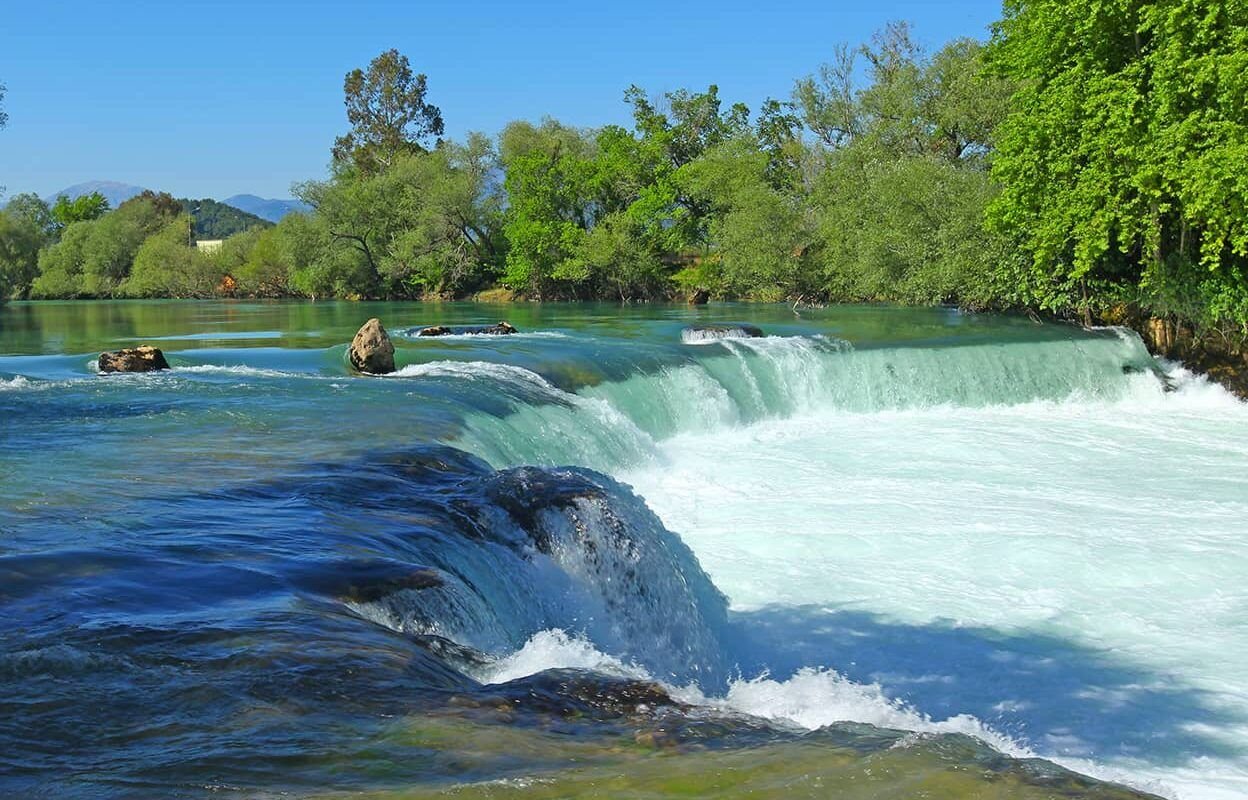
    Nestled in the heart of Antalya Province, Manavgat Waterfall is one of Türkiye’s most famous natural attractions. Renowned for its broad curtain of rushing water, lush riverside scenery, and peaceful atmosphere, the waterfall attracts hundreds of thousands of visitors every year. Located just a few kilometers from the town of Manavgat and within easy reach of the ancient city of Side, it is an ideal destination for nature lovers, photographers, and families seeking a relaxing escape from the Mediterranean beaches.

    Although the waterfall is not exceptionally high, its impressive width and the powerful flow of the Manavgat River create a spectacular natural landscape that has become one of the region’s most photographed sights.

    The Manavgat River

    The Manavgat River is among the most important rivers in southern Türkiye. Rising on the slopes of Mount Şeytan, approximately 2,130 meters above sea level in the Taurus Mountains, the river travels nearly 94 kilometers before reaching the Mediterranean Sea.

    For thousands of years, the river has played a vital role in the region’s development. During the Roman period, its waters supplied nearby settlements, including the ancient cities of Side and Seleucia, through an impressive system of aqueducts that demonstrated the remarkable engineering skills of the time.

    Today, the river continues to support agriculture, hydroelectric power generation, tourism, and recreational activities throughout the Manavgat region.

    From the Taurus Mountains to the Mediterranean

    As it descends from the mountains, the Manavgat River winds through deep forested valleys, dramatic canyons, and fertile plains. One of its most significant modern features is the Oymapınar Dam, completed in 1984, which created a reservoir covering approximately 500 hectares.

    Beyond the dam, the river continues its journey across the plain before forming the beautiful Manavgat Waterfall, just north of Manavgat town. Eventually, it reaches the Mediterranean Sea, creating a scenic estuary approximately 7 kilometers long. Near its mouth, the river widens to about 180 meters while remaining relatively shallow, with an average depth of around 4 meters.

    The contrast between the cool freshwater of the river and the warm Mediterranean Sea creates a unique natural environment that supports a rich variety of wildlife.

    The Beauty of Manavgat Waterfall

    Unlike many waterfalls that plunge from great heights, Manavgat Waterfall captivates visitors with its wide cascade and powerful current. Water rushes over low limestone formations, producing a continuous white curtain of foam and a soothing roar that fills the surrounding landscape.

    The surrounding park is beautifully landscaped with mature plane trees, flowering gardens, and shaded walking paths. Wooden viewing platforms allow visitors to admire the waterfall from different angles, making it an excellent destination for photography throughout the year.

    Spring is particularly spectacular, when melting snow from the Taurus Mountains increases the river’s flow, creating an even more dramatic display.

    Things to Do at Manavgat Waterfall

    A visit to Manavgat Waterfall offers much more than simply admiring the scenery. Popular activities include:

    • Walking along riverside paths surrounded by lush greenery.
    • Relaxing in shaded picnic areas beneath centuries-old plane trees.
    • Taking photographs from panoramic observation terraces.
    • Enjoying the cool breeze created by the rushing water.
    • Watching local birdlife and river wildlife.
    • Shopping for handmade souvenirs at nearby market stalls.
    • Visiting traditional cafés overlooking the river.

    The peaceful atmosphere makes the waterfall a favorite destination for both locals and tourists seeking a break from the busy coastal resorts.

    Taste Fresh River Trout

    One of the highlights of visiting Manavgat Waterfall is dining at one of the riverside restaurants.

    The cool, crystal-clear waters of the Manavgat River are ideal for raising trout, and freshly grilled river trout has become one of the area’s signature dishes. Many restaurants serve the fish alongside traditional Turkish mezes, seasonal salads, local olive oil dishes, and freshly baked bread.

    Dining beside the flowing river while listening to the sound of the waterfall creates an unforgettable Mediterranean experience.

    Boat Trips on the Manavgat River

    Many visitors combine a trip to the waterfall with a relaxing boat cruise along the Manavgat River.

    These excursions typically travel downstream toward the river delta, where the freshwater of the river meets the Mediterranean Sea. Along the way, passengers can admire lush vegetation, riverside villages, and a variety of bird species.

    Some tours include swimming stops, lunch on board, and opportunities to visit local bazaars in Manavgat.

    Nearby Attractions

    Manavgat Waterfall is ideally located for exploring several of Antalya’s most popular attractions.

    Nearby places worth visiting include:

    • Side Ancient City, famous for its Roman theater, Temple of Apollo, and ancient harbor.
    • Side Museum, housed in restored Roman baths.
    • Oymapınar Dam and Green Canyon, offering scenic boat cruises through emerald-green waters.
    • Köprülü Canyon National Park, one of Türkiye’s top destinations for white-water rafting and hiking.
    • Titreyengöl, a tranquil lake surrounded by pine forests and walking trails.

    Many visitors include several of these attractions in a full-day excursion from Antalya, Side, or Alanya.

    Best Time to Visit

    Manavgat Waterfall can be visited throughout the year, but the most pleasant months are from April to June and September to November, when temperatures are comfortable and the surrounding landscape is particularly green.

    During spring, increased water levels from mountain snowmelt make the waterfall especially impressive. Summer offers warm weather and extended daylight hours, although mornings and late afternoons are generally the most comfortable times to visit.

    Getting There

    Manavgat Waterfall is located approximately 5 kilometers from the center of Manavgat and around 75 kilometers east of Antalya.

    Visitors can reach the waterfall by:

    • Rental car
    • Taxi
    • Local minibuses (dolmuş)
    • Organized day tours from Antalya, Side, Belek, Alanya, and nearby resorts

    Ample parking, cafés, souvenir shops, and visitor facilities make the site convenient for independent travelers as well as organized tour groups.

    Travel Tips

    • Visit early in the morning to avoid the largest crowds.
    • Bring a camera, as the waterfall is one of the most photogenic natural attractions on Türkiye’s Mediterranean coast.
    • Wear comfortable walking shoes, especially if you plan to explore the riverside paths.
    • Don’t miss the opportunity to sample locally farmed trout at one of the riverside restaurants.
    • Combine your visit with nearby attractions such as Side or the Green Canyon for a rewarding full-day excursion.

    A Must-Visit Natural Attraction

    Manavgat Waterfall beautifully combines natural beauty, history, and local culture in one easily accessible destination. Whether you’re enjoying the refreshing riverside atmosphere, photographing the rushing waters, tasting freshly caught trout, or exploring the surrounding attractions, a visit to this scenic waterfall offers a memorable glimpse into the diverse landscapes of Türkiye’s Mediterranean region.

    For travelers exploring Antalya Province, Manavgat Waterfall remains one of the area’s most rewarding and relaxing natural landmarks.

  • A treasure house of history and culture, Great Travel, Great Times!

    A treasure house of history and culture, Great Travel, Great Times!

    A treasure trove of history, culture, and natural beauty, Turkey serves as a gateway between Europe and Asia, offering visitors a unique blend of East and West. With its strategic location, world-class infrastructure, and rich cultural heritage, Turkey has become one of the most attractive destinations for meetings, incentives, conferences, exhibitions (MICE), and corporate events.

    Combining modern business facilities with breathtaking landscapes, ancient landmarks, and renowned hospitality, Turkey provides an exceptional setting for both professional gatherings and leisure travel. Visitors can enjoy luxurious accommodations, state-of-the-art conference centers, excellent transportation networks, and countless opportunities for sightseeing and entertainment. Furthermore, Turkey offers outstanding value for money, often providing high-quality services at a lower cost than many competing international destinations.

    Strategic Location and Easy Accessibility

    Turkey’s unique geographical position at the crossroads of Europe, Asia, and the Middle East makes it an ideal meeting point for international business travelers. Major European cities are only a few hours away by air, while direct and connecting flights link Turkey with destinations across North America, Asia, Africa, and the Middle East.

    The country’s modern airports, led by the impressive Istanbul Airport, provide convenient access to major Turkish cities such as Istanbul, Ankara, Izmir, and Antalya. National carrier Turkish Airlines, together with numerous international airlines, operates extensive global networks, making travel to Turkey simple and efficient.

    Istanbul: A World-Class Conference and Tourism Hub

    As Turkey’s largest city and cultural capital, Istanbul is among the world’s most captivating destinations for conferences, conventions, and incentive programs. Straddling two continents and overlooking the magnificent Bosphorus Strait, Istanbul offers a unique atmosphere that few cities can rival.

    The city boasts a wide range of luxury hotels, international conference centers, exhibition venues, and modern business facilities. Beyond business activities, visitors can explore extraordinary historical landmarks such as:

    • Hagia Sophia
    • Blue Mosque
    • Topkapi Palace
    • Grand Bazaar
    • Basilica Cistern

    Istanbul’s vibrant culinary scene, luxury shopping, nightlife, and cultural attractions provide endless opportunities for delegates and accompanying guests.

    Izmir and the Aegean Coast

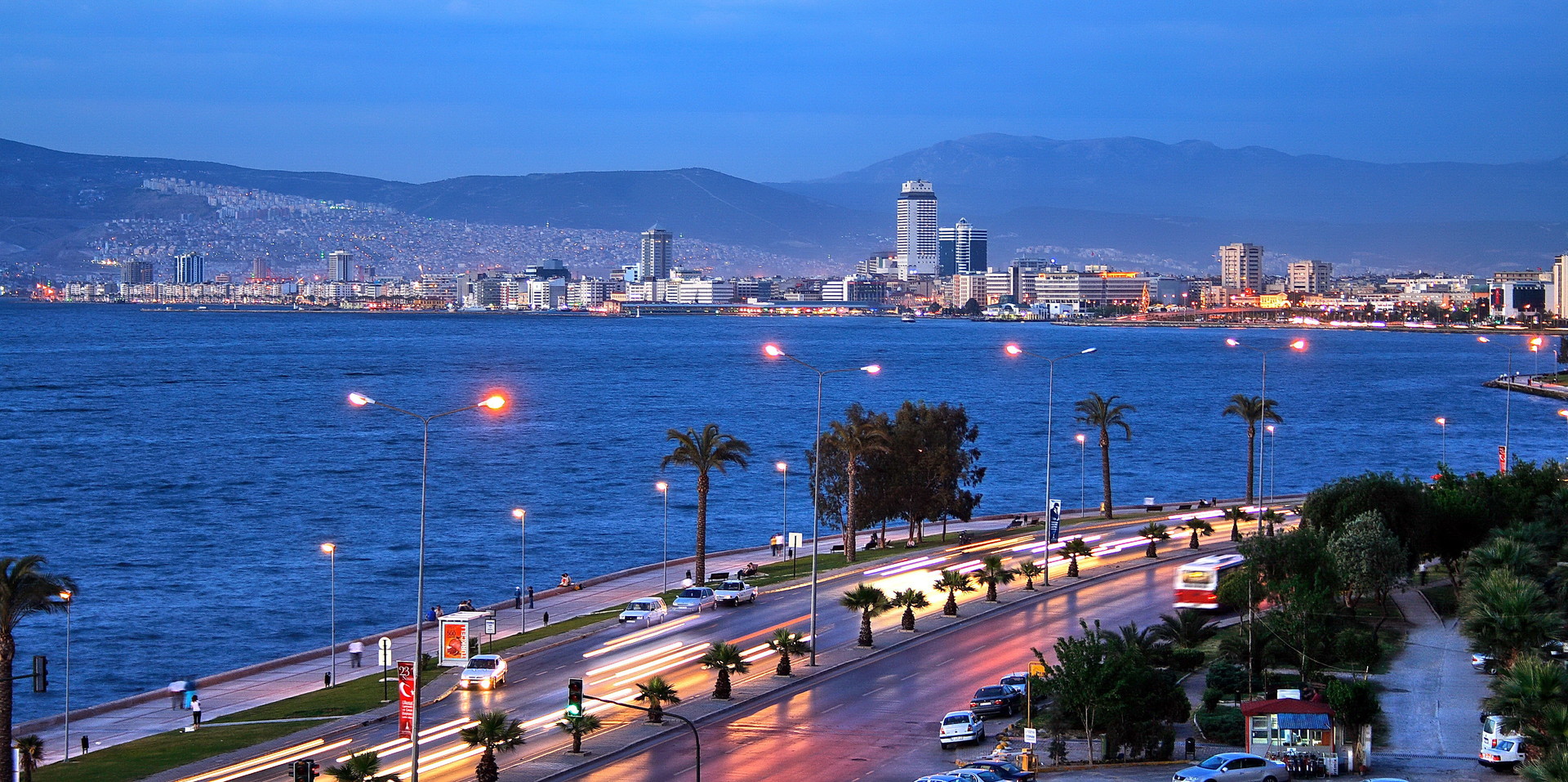
    Located on Turkey’s western coast, Izmir is a modern and cosmopolitan city known for its palm-lined boulevards, Mediterranean lifestyle, and proximity to some of the country’s most important historical sites.

    As the gateway to the Aegean Region, Izmir provides easy access to a collection of charming coastal destinations ideal for corporate retreats, incentive travel, and executive meetings, including:

    • Kusadasi
    • Bodrum
    • Marmaris
    • Fethiye

    These resorts offer luxury marinas, boutique hotels, pristine beaches, vibrant nightlife, and numerous recreational activities such as sailing, diving, and yacht cruises. The nearby ancient city of Ephesus is one of the Mediterranean’s most remarkable archaeological treasures and a popular excursion destination.

    Antalya and the Turkish Riviera

    The Mediterranean city of Antalya is one of Turkey’s leading tourism and conference destinations. Known as the heart of the Turkish Riviera, Antalya enjoys over 300 days of sunshine annually, making it an attractive year-round destination.

    Visitors can experience:

    • Spectacular sandy beaches
    • Luxury seaside resorts
    • Championship golf courses
    • Modern conference facilities
    • Ancient archaeological sites
    • Scenic mountain landscapes

    Nearby coastal regions and resorts offer excellent venues for international meetings and incentive programs while allowing participants to enjoy the region’s natural beauty and recreational opportunities.

    Ankara: Turkey’s Dynamic Capital

    As the capital of Turkey, Ankara serves as the country’s political and administrative center. The city features modern business districts, sophisticated hotels, international-standard conference facilities, fine dining establishments, and an efficient transportation network.

    Ankara also serves as an excellent starting point for exploring the extraordinary region of Cappadocia. Famous for its surreal landscapes, fairy chimneys, underground cities, and rock-carved churches, Cappadocia offers one of the most unique cultural and natural experiences in the world.

    Bursa and Uludağ

    The historic city of Bursa, the first capital of the Ottoman Empire, combines rich heritage with modern hospitality facilities. Surrounded by lush greenery and historic monuments, Bursa is renowned for its thermal spas, wellness resorts, and traditional Ottoman architecture.

    Just outside the city lies Uludağ, one of Turkey’s premier ski destinations. During winter, Uludağ attracts visitors from across the region for skiing, snowboarding, and mountain recreation, while the surrounding area remains popular year-round for nature tourism.

    Outstanding Hospitality and Event Infrastructure

    Turkey has invested heavily in tourism and business infrastructure, enabling it to host events of every scale—from executive board meetings and incentive programs to large international congresses and exhibitions.

    Key advantages include:

    • Modern convention and exhibition centers
    • Luxury international hotel chains
    • Advanced transportation networks
    • Experienced event management services
    • Competitive pricing and excellent value
    • Diverse leisure and cultural activities
    • High-quality cuisine and internationally acclaimed wines

    Turkey’s long-standing tradition of hospitality ensures that visitors receive warm, professional service throughout their stay.

    An Unforgettable Business and Travel Experience

    Whether hosting a multinational conference in Istanbul, organizing an incentive trip along the Aegean coast, conducting meetings in Ankara, or enjoying a corporate retreat on the Mediterranean Riviera, Turkey offers an unmatched combination of business efficiency, cultural richness, and natural beauty.

    With its strategic location, world-class facilities, remarkable historical heritage, stunning coastlines, exceptional hospitality, and competitive costs, Turkey continues to rank among the world’s most appealing destinations for meetings, incentives, conferences, exhibitions, and corporate travel. Any event organized in Turkey is not only professionally rewarding but also an unforgettable cultural experience for every participant.

  • Mountaineering in Turkey – A Premier Destination for Mountain Adventures

    Turkey is one of Europe’s most rewarding destinations for mountaineering and outdoor adventure. Stretching across two continents, the country boasts an extraordinary variety of mountain landscapes, from snow-capped volcanic peaks and dramatic limestone ranges to glacier-covered summits and lush alpine valleys.

    Whether you are an experienced mountaineer seeking a challenging ascent or a nature enthusiast looking to explore spectacular highland scenery, Turkey offers countless opportunities for adventure throughout the year.

    A Land of Mountains

    Much of Turkey is dominated by mountain ranges that shape its geography, climate, and cultural heritage. Vast forests, deep valleys, alpine meadows, glacial lakes, and rugged peaks create some of the country’s most breathtaking natural landscapes.

    These mountains are home to rich biodiversity, including rare plants, wildlife, and bird species, making them attractive not only to climbers but also to hikers, photographers, and nature lovers.

    The country’s varied terrain offers routes suitable for beginners, experienced trekkers, and technical climbers alike.

    Famous Peaks of Turkey

    Turkey is home to numerous mountains that attract climbers from around the world.

    Mount Ararat (5,137 m)

    The country’s highest peak, Mount Ararat, rises dramatically above Eastern Anatolia near the borders with Armenia and Iran. This dormant volcano is internationally renowned both for its impressive elevation and for its association with the biblical story of Noah’s Ark.

    Its snow-covered summit, glaciers, and demanding ascent make it one of Turkey’s premier mountaineering destinations.

    Mount Erciyes (3,917 m)

    Located near Kayseri in Central Anatolia, Mount Erciyes is an extinct volcano whose striking volcanic landscape dominates the surrounding plains.

    In winter it becomes one of Turkey’s leading ski destinations, while during the warmer months it attracts climbers and hikers eager to reach its summit.

    Kaçkar Mountains (3,932 m)

    The Kaçkar Mountains in the Eastern Black Sea Region are among Turkey’s most scenic mountain ranges. Characterised by alpine lakes, glaciers, waterfalls, dense forests, and traditional highland villages, they are especially popular with trekkers and nature photographers.

    Aladağlar (3,756 m)

    Often called the “Alps of Turkey,” the Aladağlar Mountains in the Central Taurus Range feature steep limestone cliffs, dramatic valleys, and excellent climbing routes for mountaineers and rock climbers.

    Cilo and Sat Mountains (4,136 m)

    Situated near Hakkâri in southeastern Turkey, the Cilo and Sat Mountains contain some of the country’s largest remaining glaciers and offer spectacular scenery for experienced climbers seeking remote alpine environments.

    The Yayla Tradition

    Turkey’s mountain culture extends far beyond climbing.

    For centuries, nomadic and semi-nomadic communities migrated each summer to the cool highland pastures known as yaylas. These alpine meadows provided fresh grazing land for livestock while allowing families to escape the intense summer heat of the lowlands.

    Today, many yaylas remain vibrant cultural destinations where visitors can experience traditional wooden houses, local cuisine, folk music, festivals, and warm hospitality amid stunning mountain scenery.

    Why Climbers Choose Turkey

    Turkey’s mountains offer exceptional diversity for outdoor enthusiasts.

    Visitors can experience:

    • Snow-covered volcanic peaks
    • Glacial landscapes
    • Limestone cliffs and canyons
    • Alpine lakes
    • Dense mountain forests
    • High-altitude trekking routes
    • Remote wilderness areas
    • Rich wildlife and endemic plant species

    The combination of natural beauty, geological diversity, and relatively uncrowded climbing routes makes Turkey increasingly popular among international mountaineers.

    Popular Mountains for Mountaineering

    Some of Turkey’s best-known mountain destinations include:

    • Mount Ararat
    • Mount Erciyes
    • Kaçkar Mountains
    • Aladağlar Mountains
    • Bolkar Mountains
    • Bey Mountains
    • Munzur Mountains
    • Mount Süphan
    • Mount Nemrut
    • Cilo and Sat Mountains
    • Taurus Mountains

    Each region offers different climbing conditions, scenery, and levels of technical difficulty.

    Best Climbing Regions

    Turkey provides excellent climbing opportunities across several regions.

    Eastern Anatolia

    Home to Mount Ararat, Mount Süphan, and the Cilo-Sat Mountains, Eastern Anatolia offers high-altitude expeditions and challenging alpine climbs.

    Central Anatolia

    Mount Erciyes and the Aladağlar range provide a mixture of volcanic ascents, trekking routes, and technical rock climbing.

    Mediterranean Region

    The Bey Mountains and Bolkar Mountains combine dramatic limestone formations with breathtaking coastal scenery, making them popular for hiking and mountaineering.

    Black Sea Region

    The Kaçkar Mountains are famous for their glaciers, alpine lakes, lush valleys, and multi-day trekking routes through spectacular landscapes.

    Beyond Mountaineering

    Turkey’s mountain regions also support a wide variety of outdoor activities, including:

    • Trekking
    • Hiking
    • Rock climbing
    • Ice climbing
    • Camping
    • Mountain biking
    • Wildlife observation
    • Birdwatching
    • Nature photography
    • Ski mountaineering in winter

    Many national parks and protected areas provide excellent facilities for eco-tourism and adventure travel.

    Planning Your Climb

    Successful mountain expeditions require careful preparation.

    Before setting out, climbers should:

    • Research weather conditions and seasonal accessibility.
    • Choose routes appropriate to their level of experience.
    • Carry suitable climbing and safety equipment.
    • Hire experienced local mountain guides when necessary.
    • Obtain any required permits, particularly for restricted areas such as Mount Ararat.
    • Respect environmental regulations and practice responsible outdoor ethics.

    The best climbing season varies by region and altitude, but late spring through early autumn generally provides the most favourable conditions.

    Discover Turkey from Its Highest Peaks

    Turkey’s mountains reveal a completely different side of the country. Beyond the famous beaches and historic cities lies a world of towering summits, untouched wilderness, alpine lakes, glaciers, and centuries-old mountain traditions.

    Whether climbing the majestic slopes of Mount Ararat, trekking through the flower-filled Kaçkar Mountains, or exploring the dramatic limestone peaks of the Taurus Range, mountaineering in Turkey offers unforgettable adventures for outdoor enthusiasts of every level.