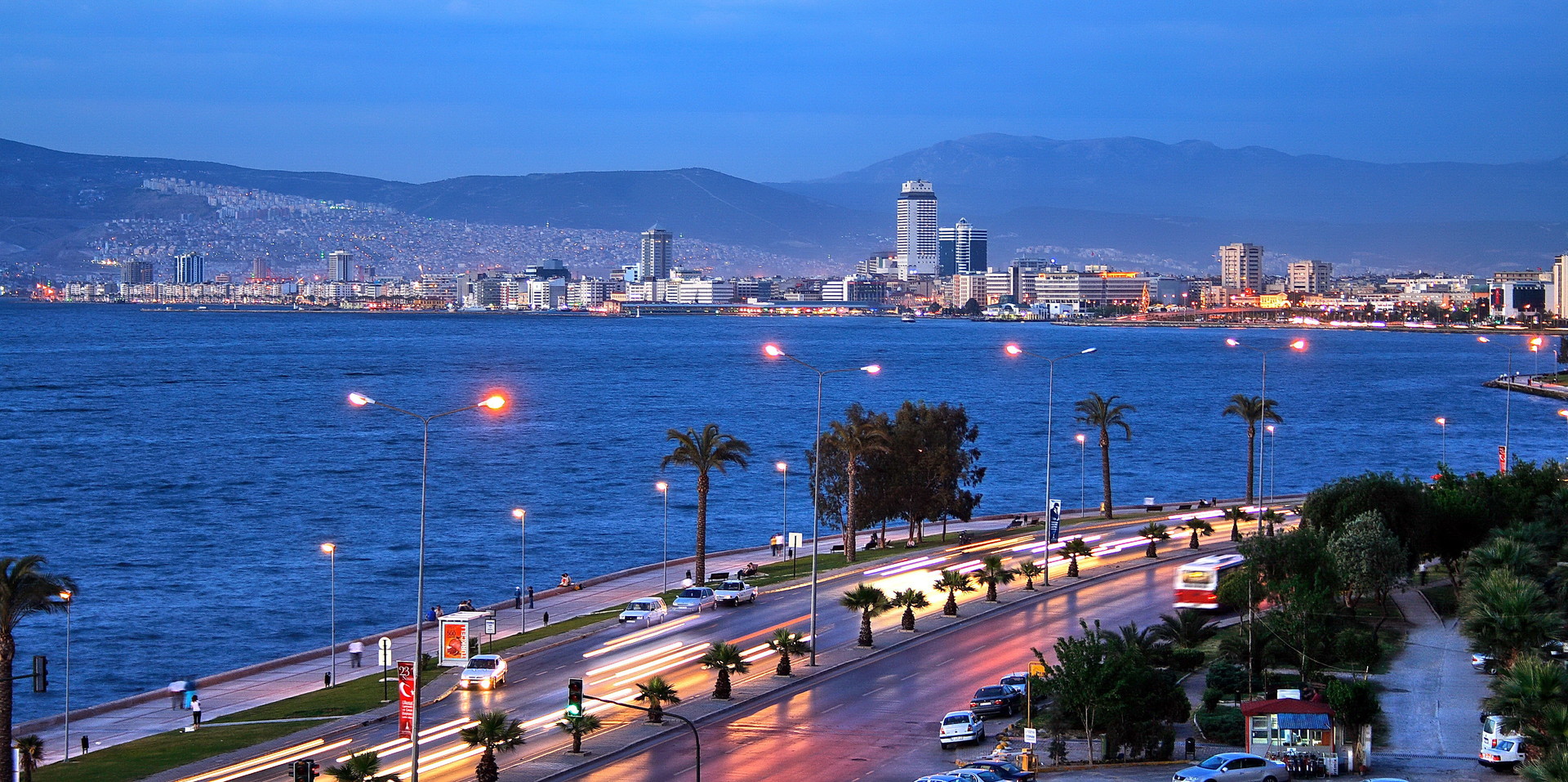
The vibrancy of Turkish culture is so rich and layered that it cannot be confined to a single definition. It is shaped by the deep and diverse history of Anatolia and influenced by the Mediterranean, the Middle East, the Caucasus, Eastern Europe, and the Aegean world. This unique geographical position has made Turkey a historical bridge between continents and civilizations.
Throughout history, Anatolia—like Istanbul—has hosted and nurtured numerous cultural centers. Many great civilizations have risen, flourished, and left lasting legacies in this region, including architectural monuments, languages, traditions, and artistic expressions. These overlapping layers of civilization continue to define and enrich Turkey’s cultural identity today.
One of the most distinctive elements of this heritage is the tradition of coexistence. Over centuries, different religions, languages, and ethnic communities have lived together in Anatolia and Istanbul. This culture of tolerance, rooted in imperial capitals that once governed vast and diverse populations, has been passed down and remains an important aspect of modern Turkish society. In this sense, Turkey carries forward a historical legacy of multicultural interaction that continues to influence its social fabric.
Between 1923 and the early 21st century, Turkey underwent profound transformation. In less than a century, the country shifted from a predominantly rural and traditional society into a largely urban and modern one, where most of the population now lives in metropolitan areas. This rapid urbanization has reshaped lifestyles, education, communication, and cultural production.
Economically, Turkey also experienced significant change. What was once largely an agriculture-based economy gradually evolved into a more diversified and industrialized system. Today, Turkey participates in global trade networks and maintains strong economic relations, including its Customs Union with the European Union. This transition reflects both structural modernization and integration into the global economy.
Politically, the transformation has been equally profound. The end of the Ottoman Empire and the establishment of the Republic in 1923 marked the transition from a sultanate to a secular, constitutional, multi-party democracy. This shift fundamentally redefined governance, citizenship, and national identity, replacing imperial rule with republican institutions and representative government.
The Ottoman Empire’s historically diverse and multi-religious structure has left a complex legacy that continues to influence modern Turkey. Today, Christian communities, Assyrian monasteries, the Jewish population, and various other minority groups continue to exist alongside the Muslim majority. While challenges remain, this coexistence reflects an enduring historical pattern of diversity within Anatolia.
At the same time, there is often a perception that Turkey’s cultural depth and historical achievements are not fully recognized internationally. As a result, moments of national success in sports, such as during major football tournaments, or achievements in music, arts, and cinema, are often sources of collective pride and visibility for the Turkish people.
Ultimately, Turkey’s cultural identity is the result of centuries of interaction between civilizations, continuous transformation, and adaptation. It is a country where ancient heritage and modern development coexist, forming a dynamic and evolving cultural landscape that continues to shape its role in the world today.
Leave a Reply
You must be logged in to post a comment.