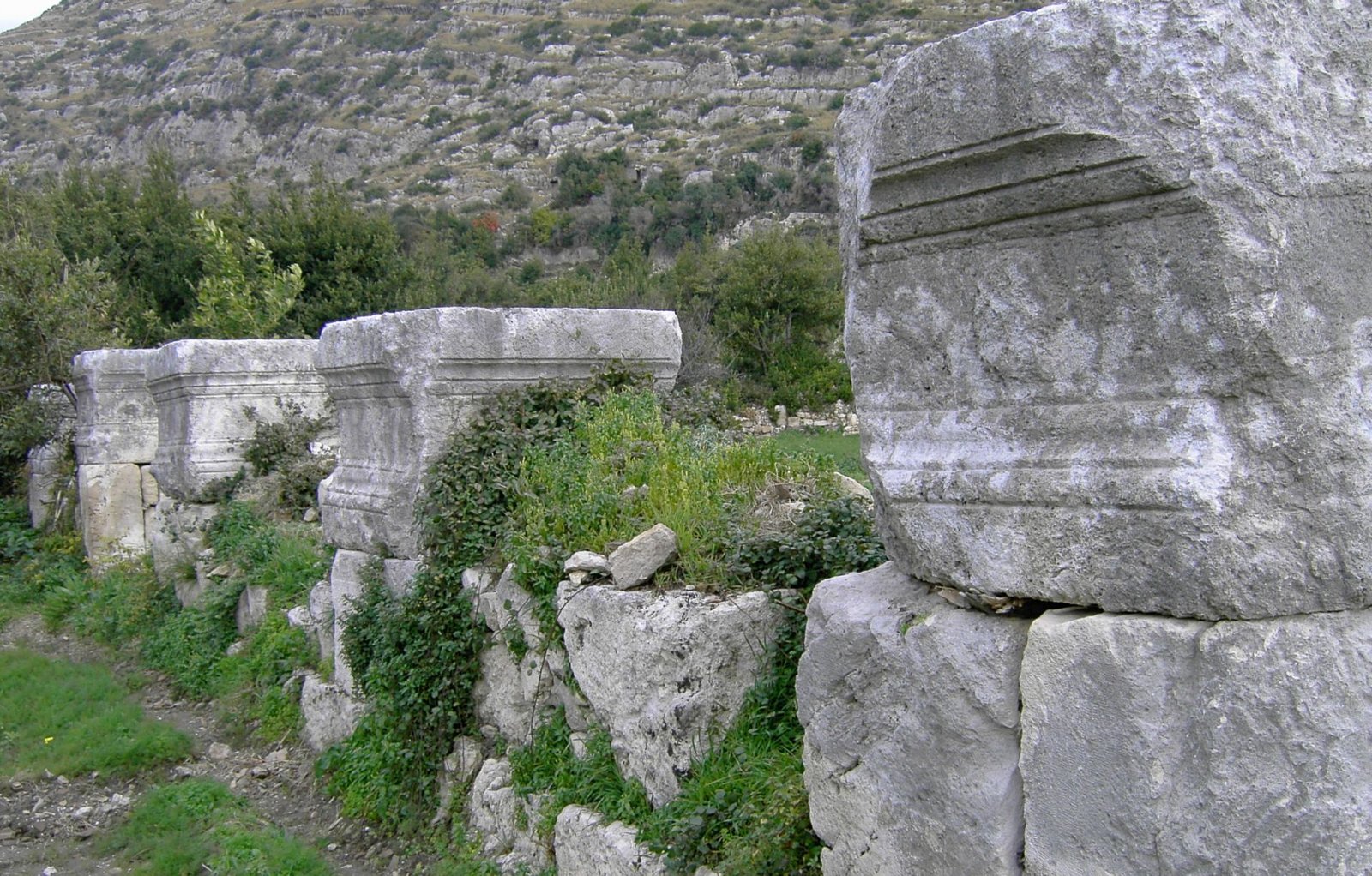
Seleucia Pieria: The Ancient Port City and Gateway of the Eastern Mediterranean
Located approximately 6 kilometers south of Samandağ in Hatay Province, the ancient city of Seleucia Pieria was one of the most important harbor cities of the ancient Mediterranean world. Founded as the port of Antioch on the Orontes, Seleucia Pieria played a major role in commerce, military movements, and religious history.
The city is especially famous for its connection with the early Christian world, as it was the departure point for the first missionary journey of Saint Paul and Barnabas. Today, the impressive remains of the city, including the remarkable Titus–Vespasianus Tunnel, ancient rock tombs, and archaeological structures, make it one of Hatay’s most fascinating historical sites.
Historical Background of Seleucia Pieria
Seleucia Pieria was founded around 300 BC by Seleucus I Nicator, one of the generals of Alexander the Great and the founder of the Seleucid Empire.
The city was named after its founder and the nearby mountain region of Pieria.
Its strategic location on the Mediterranean coast made it the natural maritime gateway for the inland city of Antioch, one of the greatest cities of the ancient world.
Through its harbor, goods, armies, travelers, and ideas moved between:
- Anatolia
- Syria
- The Eastern Mediterranean
- The Roman Empire
Seleucia Pieria and Antioch
Although Antioch was located inland along the Orontes River, Seleucia Pieria served as its main seaport.
The relationship between the two cities was essential:
- Antioch became a political and cultural center.
- Seleucia Pieria provided maritime access.
The port connected the region with major Mediterranean trade routes and contributed greatly to the prosperity of both cities.
Religious Importance: The Journey of Saint Paul
Seleucia Pieria holds a special place in Christian history.
According to the Acts of the Apostles, Saint Paul and Barnabas departed from this port on their first missionary journey around AD 46–48.
From Seleucia Pieria they sailed to Cyprus, beginning one of the most important missions in the spread of Christianity throughout the Roman world.
Because of this connection, the ancient harbor is an important destination for visitors interested in early Christian history.
The Titus–Vespasianus Tunnel
One of the most remarkable monuments near Seleucia Pieria is the Titus–Vespasianus Tunnel, an extraordinary example of Roman engineering.
The tunnel was constructed during the reigns of the Roman emperors Vespasian and Titus in the 1st century AD.
Purpose of the Tunnel
The surrounding mountains caused seasonal floods that threatened the city and harbor.
Roman engineers built the tunnel system to:
- Divert rainwater away from the settlement
- Protect the harbor area
- Control flooding
The project demonstrates the advanced engineering skills of Roman builders.
Architecture and Engineering Importance
The Titus Tunnel remains impressive even by modern standards.
Its construction involved:
- Cutting through solid rock
- Creating a long water channel
- Managing mountain drainage
- Protecting an important commercial harbor
The structure reflects the importance of Seleucia Pieria as a major Roman port city.
Rock Tombs of Seleucia Pieria
Near the ancient city are approximately 12 rock-cut tombs carved into the surrounding landscape.
These tombs provide valuable information about ancient burial traditions.
Features include:
- Chambers carved into stone
- Burial niches
- Decorative elements
- Evidence of Roman and Hellenistic customs
The tombs offer visitors a glimpse into the funerary practices of ancient communities in the region.
Archaeological Remains
Although much of ancient Seleucia Pieria has been affected by natural changes and historical events, visitors can still explore important remains, including:
- Ancient harbor areas
- Rock-cut structures
- Burial sites
- Water management systems
- The Titus Tunnel
The archaeological landscape reveals the importance of the city as both a commercial and strategic center.
Things to See and Do
A visit to Seleucia Pieria can include:
Explore the Titus Tunnel
Walk through one of the finest examples of Roman hydraulic engineering.
Visit the Rock Tombs
Discover ancient burial chambers carved into the mountainside.
Explore Samandağ
The nearby town offers:
- Mediterranean scenery
- Local cuisine
- Coastal landscapes
- Cultural attractions
Discover Hatay’s Heritage
The region is famous for:
- Ancient civilizations
- Religious history
- Gastronomy
- Multicultural traditions
Nearby Attractions
Ancient City of Antioch (Antakya)
Once one of the largest cities of the Roman Empire, Antioch was famous for:
- Roman mosaics
- Early Christian history
- The Orontes River
- St. Pierre Church
St. Pierre Church
One of the earliest Christian worship sites, associated with the first followers of Christianity in Antioch.
Hatay Archaeology Museum
Home to one of the world’s richest collections of Roman mosaics.
Highlights include:
- Ancient mosaics
- Sculptures
- Archaeological artifacts from the region
Samandağ Beach
A long Mediterranean beach known for:
- Natural landscapes
- Sea turtle nesting areas
- Peaceful coastal scenery
Getting There
From Hatay (Antakya)
Distance:
- Approximately 35 km
Transportation options:
- Rental car
- Taxi
- Local transport
From Samandağ
Distance:
- Approximately 6 km south
The site is easily combined with a visit to Samandağ and Antakya.
Travel Tips
- Wear comfortable shoes as the terrain around the archaeological areas can be uneven.
- Bring water during summer visits.
- Combine the visit with Antioch and Hatay Museum for a complete historical experience.
- Visit in spring or autumn for comfortable weather.
- Allow extra time to explore the surrounding natural landscapes.
The Ancient City of Seleucia Pieria is one of the most significant historical sites on Turkey’s Mediterranean coast. Once a powerful port connecting Antioch with the wider ancient world, it witnessed important events in Hellenistic, Roman, and early Christian history.
From the remarkable Titus–Vespasianus Tunnel to its ancient harbor and rock tombs, Seleucia Pieria offers visitors a fascinating journey through engineering, trade, and religious heritage in one of Turkey’s most historically rich regions.
Leave a Reply
You must be logged in to post a comment.