Author: tur

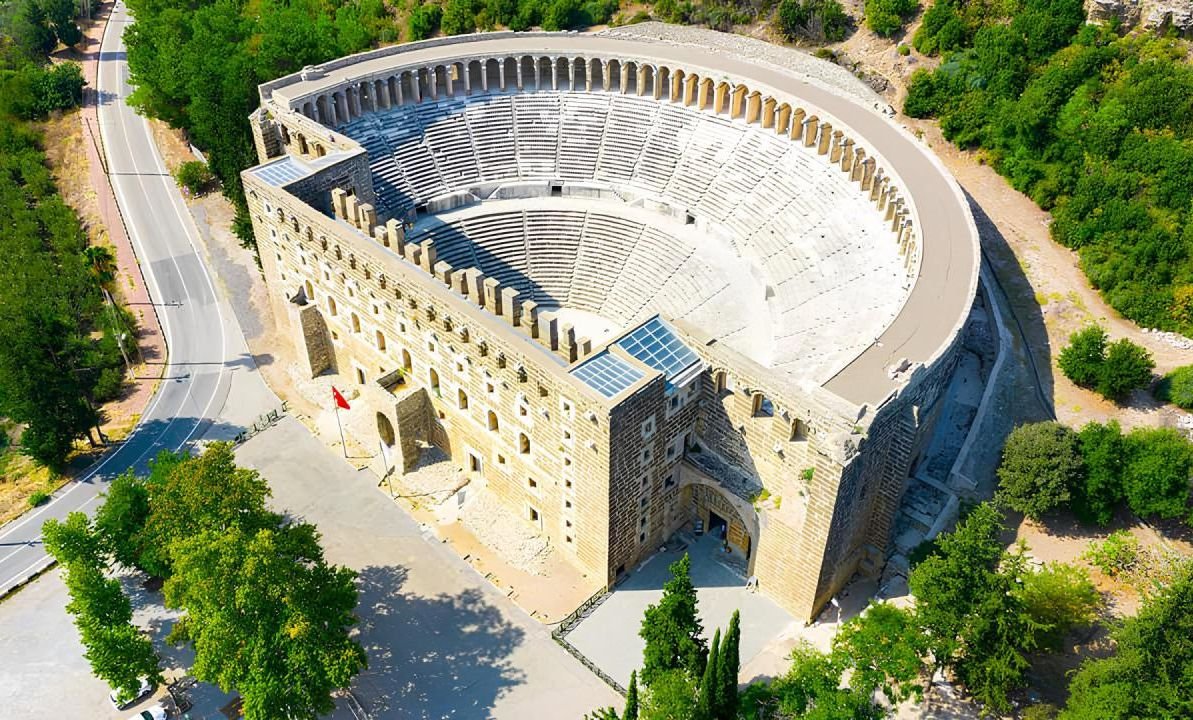
  • The Aspendos Ancient Theatre one of the best-preserved Roman-era theatres in the world

    The Aspendos Ancient Theatre one of the best-preserved Roman-era theatres in the world

    Turning off the AntalyaAlanya road at kilometer 30 in the direction of the village of Belkis we come to the best-preserved ancient theater in Turkey. According to Strabo, the city of Aspendos was founded by colonists who came from Argos under the leadership of Mopsos. Coins minted in the 4th and 5th centuries B.C. give the city’s name as Estwediya. (Aspendos had the distinction of being the only city besides Side that coined money in its own name at that early period.)

    For a while, the city was a member of the Athenian maritime alliance (the Delian League). A naval battle was fought off Aspendos in 469 B.C. during which the Persian fleet was defeated by the forces of the Athenian general Cimon. Despite this however we see Aspendos being used as a Persian base in 411 B.C. With Alexander’s defeat of the Persians in 334 B.C., Aspendos was freed of Persian rule. It was ruled by various Hellenistic period kings following the death of Alexander and like most other cities in Asia Minor it came under Roman rule in 133 B.C.

    The city particularly flourished in the 2nd and 3rd centuries A.D. In the 5th century the city’s name was changed to Primupolis. Aspendos was badly affected by the Arab incursions in the 8th century. The Seljuks, who arrived in the area in the 12th century, appear to have made use of some of the ancient structures, the theater being among them. One may approach the ruins by car as far as the theater and we shall begin our tour there.

    The Aspendos theater is built of regularly dressed blocks of conglomerate while the door and window frames are of a cream-coloured limestone. One enters the skene through five doors, the one in the middle on the east being larger than the other four on located two on either side. The stage building is a two-tiered facade with four rows of windows, each row of which is of a different form and size. The niches contained decorative statuary. Even today the facade has an attractive appeal.

    From inscriptions at the theater we know that the structure was built during the reign of Marcus Aurelius (161-180) by two brothers, Curtius Crispinus and Curtius Auspicatus, to be dedicated to the gods and the emperors. The architect’s name was Zeno. The auditorium is divided in two by a diazoma and there is a gallery of columns surmounting the top row of seats. While the theater appears to be built on barrel vaulted substructures, parts of it do rest against the hillside. With a seating capacity of 20,000 the Aspendos theater is still useable today.

    North of the theater at the same level is the stadium. The Aspendos stadium resembles the one at Perge: the spectator’s seats are also set on vaults. To the south of the theater are the remains of a gymnasium and baths now in ruins.If we ascend to the acropolis on the hill above the theater from the path connecting the theater and stadium we pass through the eastern of the city’s three gates into the ruins of the city proper.

    Proceeding west from this gate, we come upon a basilica, part of which was used for government and civic affairs and as a courthouse. Much of this section is still standing. The triple-nave basilica extending 105 meters to the west was a commercial building while the agora lay to its west. The agora was surrounded by public buildings. West of the agora is a covered marketplace measuring 70 meters in length.

    The front was open consisting of a row of shops with a stoa in front. North of the agora are the remains of a nymphaion (fountain) of which only the facade measuring 32.50 meters in length and 15 meters in height remains. This elaborately decorated facade has two rows of niches. Northwest of the fountain are the remains of the bouleuterion, which was used as the city state’s parliament hall.

    In the center of the ruin are the traces of the foundations of a monumental arch. At the southern end of the basilica are the remains of exedrae, which served both as pedestals for statues and stone benches for the public. Another of the remains worth mentioning at Aspendos are the city’s magnificent aqueducts, parts of which are in the nearby village and on the site of the ruins.

  • Medical Tourism Hubs of Türkiye: Leading Cities for Healthcare, Wellness, and Recovery

    Türkiye: A Global Destination for Medical Tourism

    Türkiye has become one of the world’s most recognized destinations for medical tourism, combining advanced healthcare infrastructure, internationally accredited hospitals, experienced medical professionals, competitive treatment costs, and unique tourism opportunities.

    Located at the crossroads of Europe, Asia, and the Middle East, Türkiye welcomes millions of international visitors every year, many of whom travel not only for treatment but also for recovery, rehabilitation, and wellness experiences.

    The country’s healthcare system offers a wide range of specialized services, including:

    • Cosmetic and plastic surgery
    • Dental treatments
    • Hair transplantation
    • Eye surgery
    • Orthopedics
    • Cardiovascular procedures
    • Oncology treatments
    • Fertility treatments
    • Rehabilitation services
    • Thermal and wellness therapies

    A major advantage of Türkiye’s health tourism sector is the combination of modern medical facilities with cultural attractions, natural landscapes, thermal resources, and comfortable recovery environments.

    Among Türkiye’s leading medical tourism destinations are Istanbul, Ankara, İzmir, Antalya, Bursa, Konya, Kayseri, Muğla, Samsun, and many other cities that provide world-class healthcare services.


    Istanbul: The Heart of Health Tourism in Türkiye

    Istanbul, the largest city in Türkiye and a historic bridge between Europe and Asia, is the country’s leading medical tourism destination.

    With centuries of history, world-class hospitals, international transportation connections, and a large number of specialized healthcare providers, Istanbul has become the primary choice for international patients seeking advanced medical treatment.

    Advanced Healthcare Infrastructure

    Istanbul has one of the most comprehensive healthcare networks in Türkiye, including:

    • 216 hospitals
      • 146 private hospitals
      • 17 university hospitals
      • 53 public hospitals
    • 4 modern city hospitals equipped with advanced medical technologies

    For international health visitors, the city provides an extensive accredited network consisting of:

    • 187 fully equipped hospitals
    • 99 medical centers
    • 659 dental and specialist clinics
    • 1,643 medical practice offices
    • 773 health tourism facilitators

    Accredited healthcare institutions employ multilingual medical teams experienced in assisting international patients, ensuring easier communication and a comfortable treatment journey.

    Medical Excellence and Tourism Opportunities

    Istanbul is particularly popular for:

    • Hair transplantation
    • Cosmetic surgery
    • Dental treatments
    • Eye surgery
    • Orthopedic procedures
    • Advanced diagnostics

    Beyond healthcare, patients can enjoy Istanbul’s historical landmarks, including Ottoman palaces, Byzantine monuments, museums, and world-famous culinary experiences.

    Many health travelers also extend their stay to nearby destinations such as Sapanca and Kartepe, where forests, lakes, and peaceful natural surroundings provide ideal environments for recovery and relaxation.


    Ankara: Türkiye’s Capital and Healthcare Powerhouse

    As the capital city of Türkiye, Ankara plays a central role in the country’s healthcare system.

    Known for its universities, research institutions, government hospitals, and advanced medical facilities, Ankara offers high-quality healthcare services in a calm and organized urban environment.

    Healthcare Infrastructure

    The city has:

    • 37 public hospitals
    • 38 private hospitals

    Its international healthcare network includes:

    • 56 fully equipped hospitals
    • 29 medical centers
    • 131 dental and specialist clinics
    • 408 medical practice offices
    • 127 health tourism facilitators

    Multilingual healthcare professionals and internationally experienced medical teams support foreign patients throughout their treatment process.

    Medical and Thermal Tourism

    Ankara combines modern medicine with wellness opportunities. The city and surrounding regions offer thermal resources, rehabilitation centers, and wellness facilities that complement medical treatments.

    Its central location also provides easy access to other Anatolian destinations, making Ankara an attractive option for patients seeking reliable healthcare away from the coastal tourist crowds.


    İzmir: Healthcare Excellence on the Aegean Coast

    Located on Türkiye’s beautiful Aegean coastline, Izmir combines modern healthcare facilities with a relaxed Mediterranean lifestyle.

    The city’s mild climate, international airport connections, coastal atmosphere, and historical surroundings make it one of Türkiye’s most attractive medical tourism destinations.

    International Healthcare Network

    İzmir provides international patients with:

    • 56 fully equipped hospitals
    • 25 medical centers
    • 170 dental and specialist clinics
    • 293 medical practice offices
    • 85 health tourism facilitators

    The city’s medical professionals include many multilingual specialists experienced in international healthcare services.

    Recovery and Wellness Environment

    Patients visiting İzmir benefit from:

    • Coastal relaxation areas
    • Thermal springs
    • Healthy Mediterranean cuisine
    • Historic attractions

    Nearby destinations such as Çeşme, Alaçatı, Foça, and Ephesus allow visitors to combine treatment with cultural exploration and peaceful recovery.


    Antalya: A Mediterranean Leader in Medical Tourism

    Located on Türkiye’s southern Mediterranean coast, Antalya is one of the country’s fastest-growing medical tourism destinations.

    Known worldwide for its beaches, luxury resorts, historical sites, and year-round mild climate, Antalya provides an excellent environment for both treatment and recovery.

    Healthcare Infrastructure

    Antalya’s accredited medical tourism network includes:

    • 34 fully equipped hospitals
    • 10 medical centers
    • 253 dental and specialist clinics
    • 236 medical practice offices
    • 164 health tourism facilitators

    Ideal Destination for Recovery

    The city’s advantages include:

    • International airport connections
    • Modern private hospitals
    • Experienced medical specialists
    • Accessible treatment costs
    • Comfortable hotels and rehabilitation environments

    Antalya is especially popular among patients seeking:

    • Cosmetic procedures
    • Dental care
    • Eye treatments
    • Rehabilitation services
    • Wellness programs

    The combination of professional healthcare and Mediterranean lifestyle makes Antalya one of Türkiye’s most appealing destinations for international patients.


    Bursa: Historic Thermal and Medical Tourism Centre

    Located near Istanbul, Bursa is one of Türkiye’s most important destinations for thermal tourism and healthcare.

    Known as the first capital of the Ottoman Empire, Bursa has a centuries-old tradition of healing through thermal waters and Turkish baths.

    Healthcare and Wellness Infrastructure

    Bursa offers:

    • 42 hospitals
    • 21 public hospitals

    Its accredited international medical tourism network includes:

    • 21 fully equipped hospitals
    • 8 medical centers
    • 33 dental and specialist clinics
    • 79 medical practice offices
    • 15 health tourism facilitators

    Thermal Heritage

    Bursa’s thermal springs have been used since Roman and Ottoman times. Historic bathhouses and modern thermal hotels continue this tradition by offering:

    • Thermal pools
    • Rehabilitation programs
    • Wellness treatments
    • Relaxation therapies

    The city’s combination of advanced healthcare, Ottoman heritage, and natural healing resources creates a unique medical tourism experience.

  • Traditional Turkish Folk Beliefs Related to Men, Women, and Family Life

    Throughout Türkiye, generations have passed down a wide variety of traditional folk beliefs concerning men, women, marriage, children, and family life. These customs developed over centuries in rural communities and were shaped by local traditions, agricultural life, and social values of their time.

    Today, most of these beliefs are regarded as fascinating examples of Turkish folklore rather than practices based on scientific evidence or religious teachings. They provide valuable insight into how earlier generations understood luck, fertility, prosperity, and social relationships.

    Folk Beliefs About Men and Prosperity

    In traditional Anatolian culture, certain everyday actions performed by men were believed to influence a family’s fortune.

    One popular belief suggested that:

    • If a man was the first to turn on the light in a house, the household would enjoy prosperity and abundance.

    Although symbolic today, this saying reflects the importance that earlier generations placed on good fortune and the well-being of the family.

    Encounters on the Road

    Many old Turkish superstitions relate to chance encounters while traveling.

    Among the better-known beliefs are:

    • If a woman crossed a man’s path while he was setting out on an important journey, some believed it could bring bad luck.
    • Hunters in particular traditionally believed that meeting a woman before beginning a hunt might reduce their chances of success.

    These beliefs developed during periods when hunting and travel were uncertain and often dangerous. Similar superstitions can be found in many cultures around the world.

    Passing Between People

    Several traditional sayings concern people walking between others.

    According to old folk beliefs:

    • If a woman walked between two men, it was once believed she might experience difficulty having children.
    • If a man passed between two women, some believed that others would not respect or listen to his words.
    • If a man walked between two unmarried girls, folklore humorously claimed that his beard would grow sparsely.

    These customs are now generally viewed as playful expressions of folklore rather than beliefs that people genuinely expect to come true.

    Beliefs About Marriage

    Marriage has always occupied an important place in Turkish family life, and many customs developed around wedding ceremonies and the beginning of married life.

    One traditional belief states that:

    • Brides leaving their parents’ home to begin married life should ideally depart on a Thursday or Sunday, as these days were considered especially fortunate in some regions.

    Such customs varied considerably throughout Anatolia, with each community preserving its own preferred wedding traditions.

    Hair-Cutting Traditions for Children

    Several folk customs concern a baby’s first haircut.

    Traditional beliefs include:

    • A baby girl’s first haircut should be performed by her maternal uncle, who was believed to ensure that her hair would grow thick and healthy.
    • Likewise, a baby boy’s first haircut was also traditionally entrusted to his maternal uncle in many regions.

    These customs emphasize the important role of extended family members, particularly maternal relatives, within traditional Turkish society.

    Tea and Domestic Happiness

    Tea is an essential part of Turkish daily life, and even this beloved beverage has inspired its own folk beliefs.

    One old saying claims:

    • If a woman drinks only half a glass of tea before leaving it unfinished, she may lose her husband.

    Today, this belief is usually shared humorously and is regarded as a lighthearted example of traditional superstition rather than a serious warning.

    Beliefs Connected with Farming

    Rural life gave rise to numerous customs associated with livestock and agriculture.

    One interesting tradition relates to sheep breeding.

    According to folk belief:

    • During the annual ram mating season, placing a young girl on the ram was believed to increase the likelihood of female lambs being born.
    • Placing a young boy on the ram was thought to encourage the birth of male lambs.

    Although there is no scientific basis for this belief, it illustrates how farming communities sought symbolic ways to influence nature and improve their livelihoods.

    Reflections of Traditional Society

    Many of these beliefs emerged in a period when daily life was closely connected to agriculture, family relationships, and village customs. They also reflect the gender roles and social expectations that existed in earlier centuries.

    Modern Turkish society is diverse and dynamic, and these traditional sayings should be understood within their historical and cultural context rather than as descriptions of contemporary attitudes or practices.

    Preserving an Intangible Cultural Heritage

    Today, most Turkish people regard these beliefs as an important part of the country’s rich folkloric heritage. They are often recalled by grandparents, shared during family gatherings, or mentioned with affection and humor as reminders of earlier generations.

    For visitors, these customs offer a fascinating glimpse into the traditions, imagination, and everyday life of rural Anatolia. They demonstrate how folklore once helped communities explain the uncertainties of life, celebrate important milestones, and pass cultural values from one generation to the next.

    While few people today take these superstitions literally, they remain a colorful and enduring element of Türkiye’s cultural identity, enriching the country’s remarkable heritage of stories, customs, and oral traditions.

  • Traditional Turkish Beliefs About Special Days, Water, and Nature

    Türkiye’s rich cultural heritage extends far beyond its monuments, cuisine, and festivals. For centuries, communities throughout Anatolia have preserved a fascinating collection of folk beliefs associated with special days, nature, water, stones, and everyday life. These traditions, passed from generation to generation through oral storytelling, reflect humanity’s long-standing desire to explain the unknown, protect loved ones, and live in harmony with nature.

    Although modern Turkish society is firmly rooted in science and contemporary life, many of these customs continue to be remembered and, in some families, observed as expressions of cultural identity rather than religious obligation.

    Beliefs Associated with Hıdırellez

    One of Türkiye’s most celebrated traditional festivals is Hıdırellez, observed each year on 6 May. It marks the arrival of spring and symbolizes renewal, fertility, prosperity, and hope. According to folklore, Hızır and İlyas—two revered figures in Turkish tradition—meet on this day, bringing blessings to nature and humanity.

    Numerous customs and superstitions are associated with Hıdırellez.

    Traditional beliefs include:

    • Sewing, knitting, or mending clothes should be avoided on Hıdırellez.
    • Cutting down trees, pruning plants, or damaging vegetation is believed to disturb nature’s renewal and may bring bad luck.
    • Hunting or killing animals on this day is traditionally discouraged.
    • Fresh water collected before sunrise is believed to possess healing and life-giving qualities.
    • A jug filled with spring or river water is often brought into the home before sunrise as a symbol of health, abundance, and prosperity.
    • According to popular belief, bathing in a river before sunrise promotes good health and protects against illness throughout the coming year.
    • Some communities believe that yogurt can be made on Hıdırellez using only fresh spring water without adding traditional starter culture, as nature itself provides the necessary blessing.

    These customs celebrate the close relationship between people and the natural world and reflect ancient seasonal traditions that long predate the modern era.

    Beliefs Related to Arefe Day

    Arefe, the day before the major Islamic religious festivals (Ramazan Bayramı and Kurban Bayramı), has long been regarded as a day of preparation, remembrance, and respect.

    Traditional customs observed in various regions include:

    • Heavy work is often avoided.
    • Sewing is traditionally discouraged, particularly by those mourning the recent loss of a family member.
    • Cutting trees or gathering wood is considered inappropriate.
    • Flour sacks that have remained closed are opened in preparation for the holiday meals.
    • Bringing firewood into the house is believed by some to invite snakes or other unwanted visitors.
    • In certain communities, using soap on Arefe is avoided as part of local tradition.

    These customs vary considerably from one region to another and are generally regarded as elements of local folklore rather than religious requirements.

    Beliefs During the Month of Aşure

    The period associated with Aşure (Ashura), remembered through the preparation of the traditional dessert made from grains, legumes, dried fruits, and nuts, is also accompanied by several folk traditions.

    One widely known belief holds that:

    • Young trees should not be cut down during this period, reflecting respect for nature and hopes for future growth and abundance.

    Although practices differ across Türkiye, the emphasis on protecting young trees symbolizes renewal and continuity.

    Beliefs Concerning Livestock

    In rural Anatolia, many beliefs developed around farming and animal husbandry.

    One traditional custom states that:

    • Newborn lambs should not be officially counted before Hıdırellez, as doing so was once believed to bring misfortune or reduce the prosperity of the flock.

    Such beliefs reveal the importance of livestock to village life and the desire to protect valuable animals from harm.

    Folk Beliefs About Water

    Water has always held a special place in Turkish folklore. Rivers, lakes, springs, and fountains have long been viewed as sources of life, purification, and mystery.

    Many traditional beliefs are connected with water.

    Lakes After Dark

    According to old Anatolian legends:

    • Swimming or entering a lake at night is discouraged because supernatural beings such as spirits, genies, or fairies were believed to visit the water after sunset.

    These stories likely served as practical warnings against the real dangers of swimming in darkness.

    Respect for Water

    Several customs emphasize treating water with respect.

    Traditional beliefs include:

    • Spitting into rivers, lakes, fountains, or springs is considered disrespectful and may bring bad luck.
    • Knives should not be placed into boiling water, a belief associated with protecting the household from misfortune.
    • Jumping over water used for washing clothes was traditionally discouraged because harmful spirits were believed to dwell there.

    While these beliefs are rooted in folklore, they also encourage cleanliness and careful behavior around water.

    Water Before Sunrise

    Many Turkish traditions consider water collected before sunrise to possess special qualities.

    Fresh spring or river water gathered early in the morning is often associated with:

    • Good health
    • Prosperity
    • Purity
    • Protection from illness

    These customs continue to be observed in some villages during Hıdırellez celebrations.

    Stones and Sacred Places

    Large rocks, ancient stones, and unusual natural formations often occupy an important place in Anatolian folklore.

    Traditional beliefs include:

    • Sleeping on or beside large stones, especially those with ancient roots or mysterious appearances, is believed to attract evil spirits or supernatural beings.
    • Certain isolated rocks are thought to possess spiritual significance or mysterious powers.

    Many of these stories originated as explanations for unusual geological formations or as warnings to travelers spending nights outdoors.

    Nighttime Folk Beliefs

    Darkness has long inspired legends in every culture, and Turkish folklore is no exception.

    Among the better-known traditional beliefs are:

    • Going outdoors unnecessarily late at night may expose a person to supernatural beings.
    • Urinating outdoors after dark was traditionally believed to invite punishment from invisible spirits or pixies.
    • Sleeping beside isolated fountains was discouraged because such places were thought to attract supernatural creatures after sunset.

    Although these stories are now largely regarded as folklore, they often served practical purposes by encouraging people to avoid potentially dangerous places during the night.

    Folklore as Cultural Heritage

    Today, most Turkish people recognize these beliefs as part of the country’s rich oral tradition rather than literal truths. They are valuable cultural expressions that illustrate how earlier generations sought to understand nature, explain unexplained events, and encourage respectful behavior toward the environment.

    Many customs also contain practical wisdom. Discouraging nighttime swimming, protecting trees, respecting water sources, and avoiding unnecessary work before important celebrations all contributed to healthier communities and stronger social traditions.

    Discovering Traditional Türkiye

    Visitors traveling through Türkiye—particularly in rural villages and smaller towns—may still hear many of these traditional sayings from older generations. Learning about these customs offers fascinating insight into Turkish folklore and provides a deeper appreciation of the country’s living cultural heritage.

    Whether connected to Hıdırellez, Arefe, rivers, lakes, or ancient stones, these beliefs continue to form a colorful and enduring part of Türkiye’s cultural landscape, linking the modern nation with centuries of shared traditions and storytelling.

  • Beliefs in Turkiye: Religion, Traditions, and Cultural Heritage


    Turkey is a country where ancient civilizations, diverse cultures, and centuries of history have shaped a rich tapestry of religious beliefs and cultural traditions. Situated at the crossroads of Europe and Asia, Turkey has long served as a meeting point for different faiths, customs, and ways of life.

    Today, the country is a secular republic with freedom of religion guaranteed by its Constitution. While the majority of the population identifies as Muslim, Turkey is also home to Christian, Jewish, and other religious communities, as well as people who are non-religious. This diversity contributes to the country’s unique cultural identity.

    Islam in Turkey

    Islam is the largest religion in Turkey, with most Muslims identifying as Sunni, while a significant minority follows the Alevi tradition. Mosques are an integral part of cities, towns, and villages, and the call to prayer can be heard throughout the day in many parts of the country.

    For many people, religion plays an important role in family life, festivals, charitable giving, and major life events such as weddings and funerals. At the same time, levels of religious observance vary greatly, particularly between urban and rural areas.

    A Legacy of Religious Diversity

    Turkey’s history includes many civilizations and faiths. The country contains important sites associated with Christianity, Judaism, and Islam, reflecting its role as a crossroads of cultures for thousands of years.

    Among Turkey’s historic religious landmarks are:

    • Ancient churches and monasteries from the Byzantine period
    • Ottoman-era mosques and religious schools
    • Historic synagogues in cities such as Istanbul and İzmir
    • Pilgrimage sites connected with prophets and saints
    • Archaeological sites that predate the world’s major religions

    These monuments continue to attract visitors from around the globe.

    Cultural Beliefs and Traditions

    Alongside formal religious practices, many traditional beliefs and customs have been passed down through generations. These customs often reflect Anatolia’s rich folklore and regional heritage rather than official religious teachings.

    Some well-known traditions include:

    • Hanging the Nazar Boncuğu (evil eye bead) to symbolize protection against envy and misfortune.
    • Offering prayers before beginning important journeys or new ventures.
    • Showing great respect to parents, elders, and guests.
    • Sharing food with neighbors during religious festivals and family celebrations.
    • Giving charity and helping those in need, especially during holy occasions.

    These customs are deeply rooted in Turkish hospitality and community life.

    Festivals and Religious Holidays

    Several important religious festivals are celebrated throughout Turkey each year.

    Ramadan (Ramazan)

    During the holy month of Ramadan, many Muslims fast from dawn until sunset. Evenings are marked by family meals (iftar), community gatherings, and charitable activities.

    Eid al-Fitr (Ramazan Bayramı)

    Celebrated at the end of Ramadan, this joyful holiday is a time for visiting relatives, exchanging gifts, and enjoying traditional sweets and festive meals.

    Eid al-Adha (Kurban Bayramı)

    This important religious holiday commemorates the willingness of Prophet Ibrahim (Abraham) to sacrifice in obedience to God. Families gather, charitable donations are made, and meat is traditionally shared with relatives, neighbors, and those in need.

    Respecting Local Customs

    Visitors are welcome throughout Turkey and will generally find local people warm and hospitable. While there is no strict dress code in most public places, modest clothing is appreciated when visiting mosques and other religious sites.

    Basic etiquette includes:

    • Removing shoes before entering a mosque.
    • Dressing respectfully, with shoulders and knees covered.
    • Speaking quietly inside places of worship.
    • Asking permission before photographing worshippers.
    • Respecting prayer times and religious ceremonies.

    Following these simple customs demonstrates courtesy and respect for local traditions.

    Modern Turkey

    Modern Turkey is a vibrant and diverse society where traditional customs exist alongside contemporary lifestyles. Large cities such as Istanbul, Ankara, and İzmir are cosmopolitan and multicultural, while many rural communities continue to preserve centuries-old customs and traditions.

    This blend of history and modernity is one of Turkey’s defining characteristics and contributes to its appeal as a travel destination.

    A Culture Built on Respect and Hospitality

    Regardless of personal beliefs, values such as hospitality, generosity, family ties, and respect for others are widely appreciated throughout Turkish society. Visitors are often welcomed with tea, conversation, and genuine warmth, reflecting a long-standing tradition of hospitality that has become one of the country’s most admired cultural traits.

    Discovering Turkey’s Spiritual Heritage

    Exploring Turkey offers more than visits to historic monuments and beautiful landscapes. It also provides an opportunity to experience living traditions, centuries-old places of worship, colorful festivals, and diverse cultural practices that continue to shape everyday life.

    Understanding Turkey’s beliefs and traditions helps visitors gain a deeper appreciation of the country’s remarkable history, cultural richness, and enduring spirit of hospitality.