Author: tur

  • Winter Sports in Turkiye: Skiing and Snow Adventures in Anatolia

    Turkey’s diverse geography and unique climate create excellent opportunities for winter sports. Although the country is famous worldwide for its Mediterranean beaches, ancient cities, and cultural heritage, its mountains and high plateaus also offer outstanding conditions for skiing, snowboarding, mountaineering, and winter tourism.

    With an average elevation of around 1,000 meters, the Anatolian peninsula contains some of the most impressive mountain landscapes in the region. The country’s high mountains, long winter season, abundant snowfall, and natural beauty make Turkey an increasingly popular destination for winter sports enthusiasts.


    Turkey’s Mountain Geography and Winter Conditions

    Turkey’s winter sports potential is mainly created by three major mountain systems:

    The North Anatolian Mountains

    Stretching along the Black Sea coast, the North Anatolian Mountains include many high peaks ranging between approximately 2,500 and 3,900 meters.

    These mountains are characterized by:

    • Heavy snowfall
    • Dense forests
    • Alpine landscapes
    • Traditional mountain villages

    Important winter destinations in this region include:

    • Kartalkaya
    • Ilgaz Mountain
    • Zigana Mountain
    • Sarıkamış

    The Taurus Mountains (Toros Mountains)

    Located in southern Turkey, the Taurus Mountains rise above the Mediterranean coast.

    With peaks reaching over 4,000 meters in some areas, they provide excellent conditions for:

    • Skiing
    • Snowboarding
    • Mountain trekking
    • Alpine sports

    The contrast between snowy mountains and the nearby Mediterranean coastline creates a unique tourism experience.

    Important winter areas include:

    • Saklıkent near Antalya
    • Davraz near Isparta
    • Aladağlar Mountains

    Central and Eastern Anatolian Mountains

    The high plateaus of Central and Eastern Anatolia are among Turkey’s most important winter sports regions.

    The landscape is dominated by volcanic mountains, including:

    • Mount Erciyes (3,917 m) near Kayseri
    • Mount Ağrı (5,137 m), the highest peak in Turkey

    These regions offer:

    • Long ski seasons
    • Dry powder snow
    • Wide slopes
    • Spectacular mountain scenery

    Snow Conditions in Turkey

    During normal winter seasons, snow depth in mountainous regions can reach approximately 2–3 meters, especially in Eastern Anatolia and high-altitude ski areas.

    The combination of:

    • High elevation
    • Cold continental climate
    • Long winters
    • Natural snowfall

    creates excellent conditions for winter activities from December until March or April.

    Many ski centers are surrounded by forests, creating beautiful landscapes suitable for both sports and nature tourism.


    Major Ski Resorts in Turkey

    Uludağ Ski Resort – Bursa

    Uludağ is Turkey’s oldest and most famous ski resort.

    Located near Bursa and only a few hours from Istanbul, it is popular because of:

    • Easy accessibility
    • Modern hotels
    • Ski schools
    • Restaurants
    • Entertainment facilities

    Activities include:

    • Alpine skiing
    • Snowboarding
    • Snow trekking
    • Winter holidays

    Uludağ is especially popular among families and visitors from Istanbul.


    Erciyes Ski Resort – Kayseri

    Located on the slopes of Mount Erciyes, this is one of Turkey’s most modern ski destinations.

    Advantages include:

    • High-quality ski infrastructure
    • Long ski season
    • Wide ski slopes
    • International standards

    The nearby city of Kayseri also provides access to:

    • Cappadocia
    • Historical sites
    • Traditional cuisine

    Visitors can combine skiing with cultural tourism.


    Palandöken Ski Resort – Erzurum

    Palandöken is one of Turkey’s leading winter sports centers.

    Located near Erzurum in Eastern Anatolia, it is known for:

    • High altitude
    • Excellent snow quality
    • Long ski runs
    • Professional facilities

    It hosted the:

    2011 Winter Universiade

    and has become an important international winter sports destination.


    Sarıkamış Ski Resort – Kars

    Sarıkamış is famous for its unique snow conditions.

    The resort offers:

    • Crystal powder snow similar to some famous Alpine destinations
    • Pine forest landscapes
    • Peaceful mountain surroundings

    It is located near the historic city of Kars, allowing visitors to combine skiing with cultural exploration.


    Kartalkaya Ski Resort – Bolu

    Located in the Köroğlu Mountains between Istanbul and Ankara, Kartalkaya is one of Turkey’s most popular ski resorts.

    It offers:

    • Ski slopes
    • Snowboarding areas
    • Mountain hotels
    • Forest scenery

    Its location makes it a convenient winter escape from Turkey’s largest cities.


    Davraz Ski Resort – Isparta

    Situated in the Taurus Mountains, Davraz offers:

    • Beautiful mountain views
    • Modern facilities
    • Skiing and snowboarding opportunities

    It is especially attractive because of its proximity to the Mediterranean region.


    Winter Activities Beyond Skiing

    Turkey offers many winter experiences besides traditional skiing.

    Popular activities include:

    • Snowboarding
    • Snowshoe hiking
    • Winter trekking
    • Mountain climbing
    • Ice climbing
    • Snowmobile tours
    • Photography tours
    • Winter camping

    Mountain villages also provide opportunities to experience:

    • Local traditions
    • Regional cuisine
    • Traditional hospitality

    Mountaineering and Alpine Adventures

    Turkey’s mountains attract climbers throughout the year.

    Important climbing destinations include:

    Mount Ararat (Ağrı Dağı)

    At 5,137 meters, Mount Ararat is Turkey’s highest mountain and a major destination for experienced climbers.

    Kaçkar Mountains

    Located in the Eastern Black Sea region, the Kaçkar Mountains are famous for:

    • Alpine landscapes
    • Glaciers
    • Hiking routes
    • Natural beauty

    Aladağlar Mountains

    Known as the “Turkish Alps,” Aladağlar offers:

    • Rock climbing
    • Trekking
    • Winter mountaineering

    Combining Winter Sports with Cultural Tourism

    One of Turkey’s greatest advantages is the possibility of combining winter sports with cultural experiences.

    Visitors can enjoy:

    • Skiing in Erciyes and exploring Cappadocia
    • Skiing in Uludağ and visiting Bursa’s Ottoman heritage
    • Skiing in Palandöken and discovering Eastern Anatolian culture
    • Skiing in Sarıkamış and exploring Kars and Ani

    This combination of nature, history, and sport makes Turkey different from many traditional winter destinations.


    The Future of Winter Tourism in Turkey

    Turkey continues to invest in winter tourism infrastructure, improving:

    • Ski facilities
    • Mountain hotels
    • Transportation networks
    • International promotion

    With its high mountains, reliable snowfall, modern resorts, and cultural attractions, Turkey has the potential to become one of the leading winter sports destinations between Europe, Asia, and the Middle East.

    From the forests of Uludağ to the volcanic slopes of Erciyes and the dramatic peaks of Eastern Anatolia, Turkey offers unforgettable winter experiences for skiers, adventurers, and nature lovers.

  • The Sea of Marmara, Turkiye: The Inland Sea Between Europe and Asia

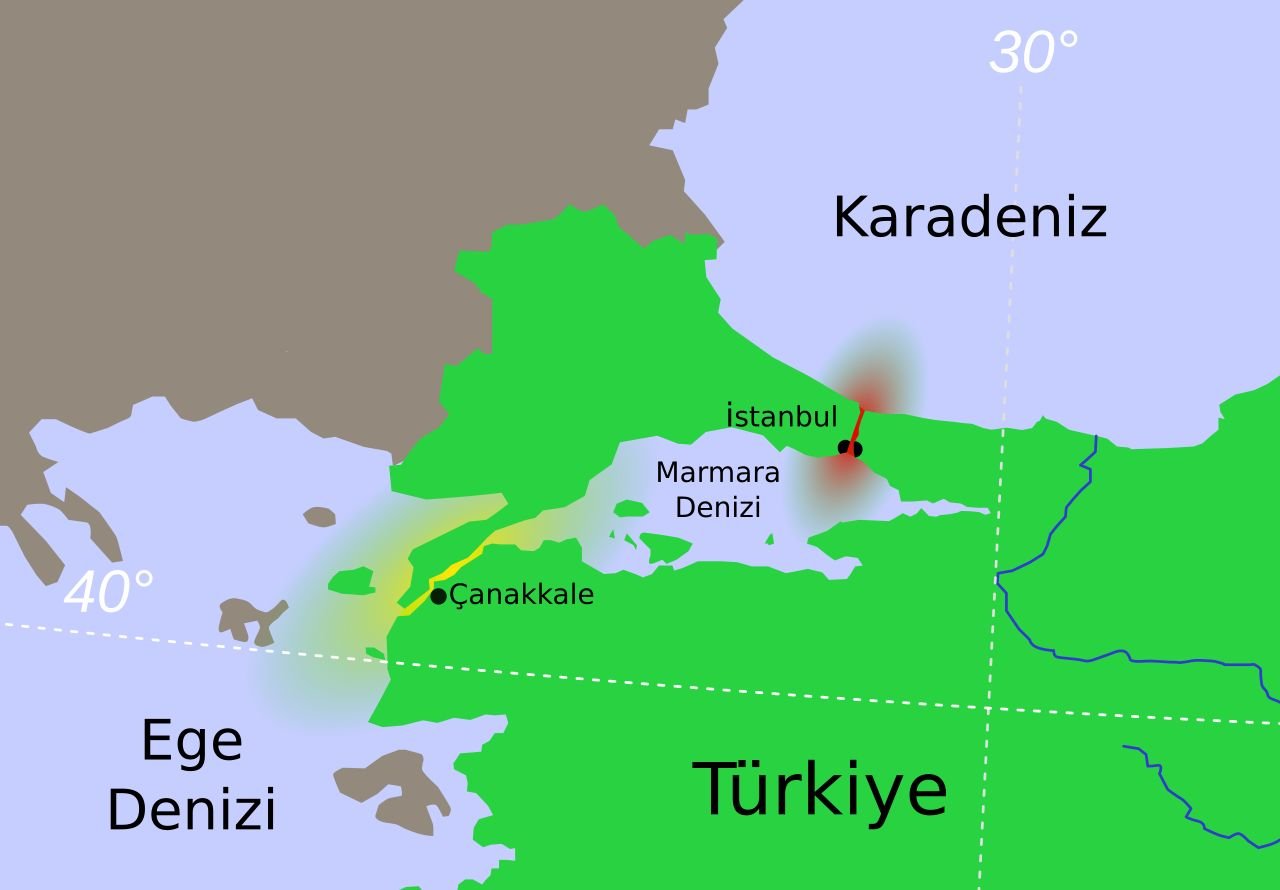
    The Sea of Marmara is one of Turkey’s most unique geographical features and the only inland sea located entirely within the country. Positioned between Europe and Asia, it forms a natural connection between the Black Sea and the Aegean Sea, separating the European region of Thrace from the Asian region of Anatolia.

    For thousands of years, the Sea of Marmara has been a vital maritime crossroads, influencing trade routes, military campaigns, migrations, and the development of some of history’s greatest civilizations. Today, it remains an important transportation route as well as a popular destination for tourism, sailing, fishing, and coastal exploration.


    Geography and Location of the Sea of Marmara

    The Sea of Marmara is connected:

    • To the Black Sea through the Bosporus Strait
    • To the Aegean Sea through the Dardanelles Strait

    Together, the Bosporus, Sea of Marmara, and Dardanelles form the Turkish Straits system, one of the world’s most strategically important waterways.

    The Bosporus divides Istanbul, Turkey’s largest city, into two continents:

    • The European side (Thrace)
    • The Asian side (Anatolia)

    This unique position makes Istanbul one of the few cities in the world located on two continents.


    Size and Physical Characteristics

    The Sea of Marmara covers approximately:

    • Area: 11,350 square kilometres
    • Length: About 280 kilometres from east to west
    • Maximum width: Around 80 kilometres
    • Maximum depth: Approximately 1,370 metres

    Although much smaller than Turkey’s surrounding seas, the Marmara Sea has exceptional geographic importance because it controls maritime access between the Black Sea and the Mediterranean region.


    Water Characteristics and Marine Environment

    The Sea of Marmara has a unique two-layer water system.

    The surface waters have an average salinity of around 22 parts per thousand, making them:

    • More saline than the Black Sea
    • Less saline than the Mediterranean Sea

    At deeper levels, salinity rises to approximately 38 parts per thousand, similar to Mediterranean waters.

    Because the deep water is denser, it remains below the surface and mixes only slowly with upper layers. This creates a special marine ecosystem with different conditions at various depths.


    Rivers Flowing into the Sea of Marmara

    Several rivers contribute freshwater to the Marmara basin.

    Important rivers include:

    • Biga River
    • Gönen River
    • Susurluk River
    • Kocabaş River (ancient Granicus)

    Most of these rivers originate in Anatolia. Since the Thrace region has fewer large rivers flowing southward, the freshwater contribution mainly comes from the Asian side.

    The rivers have historically supported fertile agricultural areas around Bursa, Balıkesir, and Çanakkale.


    The Islands of the Sea of Marmara

    The Sea of Marmara contains two important island groups that have played significant roles throughout history.


    The Princes’ Islands (Adalar)

    Located close to Istanbul, the Princes’ Islands are among Turkey’s most popular island destinations.

    The group consists of several islands, including:

    • Büyükada
    • Heybeliada
    • Burgazada
    • Kınalıada

    The islands are famous for:

    • Historic wooden mansions
    • Pine forests
    • Peaceful atmosphere
    • Horse-drawn carriages (historically)
    • Cycling routes
    • Sea views of Istanbul

    They provide a relaxing escape from the busy urban environment of Istanbul.


    The Marmara Islands

    Located in the southwestern part of the sea, the Marmara Islands have been famous since antiquity for their marble quarries.

    The name Marmara comes from the ancient Greek word:

    mármaron (μάρμαρον) meaning “marble.”

    The islands supplied high-quality marble used in important buildings throughout the Greek, Roman, Byzantine, and Ottoman periods.

    Today, the islands are known for:

    • Beaches
    • Fishing villages
    • Traditional island life
    • Nature tourism

    Historical Name: Propontis

    In ancient times, the Sea of Marmara was known as Propontis.

    The name comes from ancient Greek:

    • Pro = before
    • Pontos = sea

    Meaning:

    “The sea before the sea.”

    Ancient Greek sailors travelling from the Aegean Sea toward the Black Sea passed through Propontis before reaching the northern waters.

    Because of its strategic position, controlling the Sea of Marmara was essential for ancient powers including:

    • Greeks
    • Persians
    • Romans
    • Byzantines
    • Ottomans

    The Sea of Marmara in Greek Mythology

    The Sea of Marmara appears in one of the most famous stories of Greek mythology: the voyage of the Argonauts.

    According to legend, Jason and the Argonauts encountered a violent storm while crossing the Propontis and were forced back to the island of Cyzicus.

    The heroes were mistaken for enemies by King Cyzicus and his warriors. A tragic battle followed during the night, resulting in the accidental death of the king.

    Different versions of the myth attribute the fatal blow either to:

    • Jason
    • Heracles (Hercules)

    The story remains one of the most memorable legends connected with the ancient Propontis.


    Ancient Cities Around the Sea of Marmara

    The shores of the Sea of Marmara have been home to many important settlements.

    Notable ancient and historic sites include:

    Cyzicus (Kyzikos)

    Located near modern-day Erdek, Cyzicus was one of the most important cities of ancient Mysia.

    It was famous for:

    • The Temple of Hadrian
    • Large harbor facilities
    • Trade connections
    • Marble architecture

    Byzantium

    Founded on the Bosporus, Byzantium later became:

    • Constantinople
    • The capital of the Byzantine Empire
    • Istanbul

    Nicomedia

    Modern İzmit was the capital of the Roman province of Bithynia and later became one of the most important cities of the Eastern Roman Empire.


    Earthquakes and the North Anatolian Fault

    The Sea of Marmara lies above the North Anatolian Fault, one of the most active earthquake zones in the world.

    This fault system has produced many powerful earthquakes throughout history.

    One of the most significant recent events was:

    The 1999 İzmit Earthquake

    which caused extensive damage in the Marmara region.

    Because of this geological activity, earthquake research and preparedness remain important issues for cities around the sea, especially Istanbul.


    Tourism Around the Sea of Marmara

    The Sea of Marmara offers visitors a combination of:

    • History
    • Islands
    • Beaches
    • Nature
    • Sailing
    • Local cuisine
    • Cultural experiences

    Popular destinations include:


    Istanbul Coastline

    The Marmara coastline of Istanbul offers:

    • Bosporus and Marmara cruises
    • Historic neighborhoods
    • Seafood restaurants
    • Waterfront promenades

    Bursa and Mudanya

    Located on the southern coast, Bursa and Mudanya offer:

    • Ottoman heritage
    • Thermal springs
    • Coastal villages
    • Traditional seafood restaurants

    Yalova

    Known for:

    • Thermal springs
    • Green landscapes
    • Forests
    • Weekend tourism from Istanbul

    Balıkesir and Erdek

    The northern shores provide:

    • Beaches
    • Island excursions
    • Fishing villages
    • Nature tourism

    Sailing and Maritime Activities

    The Sea of Marmara is popular for:

    • Yacht cruises
    • Sailing trips
    • Fishing tours
    • Island excursions
    • Coastal exploration

    Its protected waters make it suitable for both experienced sailors and leisure travelers.


    Environmental Challenges

    Despite its importance, the Sea of Marmara faces environmental pressures, including:

    • Urban pollution
    • Industrial waste
    • Overfishing
    • Marine ecosystem changes

    The protection of this unique inland sea has become an important environmental priority for Turkey.


    Discovering the Sea of Marmara

    The Sea of Marmara is much more than a body of water between two continents. It is a place where geography, mythology, history, and modern life meet.

    From the ancient Propontis of Greek sailors to the maritime heart of the Byzantine and Ottoman empires, this inland sea has shaped the destiny of civilizations for more than two thousand years.

    Today, visitors can explore historic islands, ancient ports, coastal towns, and vibrant Istanbul shores while experiencing one of the world’s most fascinating maritime regions – a sea that truly connects Europe and Asia.

  • Noah’s Ark in Türkiye: Exploring the Legend, History, and Archaeological Debate

    The story of Noah’s Ark has fascinated people for thousands of years and remains one of the most famous biblical traditions connected with the lands of the Near East. According to the Book of Genesis, after the great flood, the Ark came to rest “upon the mountains of Ararat” (Genesis 8:4). For centuries, explorers, historians, religious scholars, and archaeologists have searched the region of eastern Türkiye for possible evidence connected with this ancient story.

    Today, the area around Mount Ararat (Ağrı Dağı) and eastern Anatolia continues to attract visitors interested in biblical history, archaeology, geology, and religious heritage.

    The Biblical Reference to the Mountains of Ararat

    The Bible states:

    “And the ark rested upon the mountains of Ararat.” — Genesis 8:4

    The ancient name Ararat is generally associated with the Kingdom of Urartu, an Iron Age civilization that existed around parts of modern eastern Türkiye, Armenia, and neighboring regions.

    While many people associate the biblical reference directly with modern Mount Ararat, scholars have debated the exact geographical meaning of the term. The biblical wording refers to a broader mountainous region rather than providing a precise location.

    Mount Ararat itself, located in eastern Türkiye near the borders of Armenia and Iran, has become the most famous candidate because of its historical association with the Ark tradition and its dramatic appearance as the highest peak in Türkiye.

    Ancient Historical References

    References to the Ark have appeared in several historical and religious writings.

    The Jewish historian Flavius Josephus (1st century CE) mentioned traditions that remains of the Ark were still known in the region of Armenia during his time. Earlier writers, including the Babylonian historian Berosus, also recorded traditions about the Ark and people collecting pieces of the vessel as religious objects.

    These accounts demonstrate that the Ark tradition was well known throughout the ancient Near East, although they do not provide archaeological proof of the Ark’s exact location.

    The Durupınar Formation Discovery

    One of the most famous modern claims related to Noah’s Ark is the Durupınar Formation, located near the village of Üzengili in Ağrı Province, eastern Türkiye.

    The formation gained international attention after it was identified in aerial photographs taken during a 1959 NATO mapping survey by Turkish Army Captain İlhan Durupınar. The unusual boat-like shape of the geological formation led some researchers and explorers to suggest that it could represent the remains of Noah’s Ark.

    In 1960, a team of researchers visited the site and photographs of the formation were published internationally, including in Life Magazine. The discovery generated worldwide interest.

    Research and Exploration

    Several explorers and researchers have investigated the Durupınar site over the decades. Among them was Ron Wyatt, who believed the formation represented the remains of the Ark.

    Supporters of the Ark identification have pointed to:

    • The boat-like shape of the formation
    • Its approximate dimensions compared with biblical descriptions
    • Internal formations interpreted by some as possible structural features
    • Ground surveys and scanning studies

    However, many mainstream geologists and archaeologists consider the formation to be a natural geological structure created by sedimentary and volcanic processes.

    Scientific studies have not confirmed that the site contains the remains of a wooden vessel or a man-made structure.

    The Turkish Government and Visitor Site

    The Durupınar Formation has become an important cultural and tourism attraction in eastern Türkiye. The area has received official protection status, and facilities have been developed to allow visitors to observe the formation.

    Visitors can explore:

    • The viewpoint overlooking the formation
    • Information areas explaining the Ark tradition
    • The surrounding landscapes of Ağrı Province
    • Nearby cultural and natural attractions

    The site attracts both religious pilgrims and travelers interested in archaeology, history, and unusual geological formations.

    Visiting the Noah’s Ark Region

    The eastern Anatolian region offers many attractions beyond the Ark tradition, including:

    Mount Ararat (Ağrı Dağı)

    Türkiye’s highest mountain and an important destination for mountaineering and nature tourism.

    Doğubayazıt

    A historic town near Mount Ararat, famous for:

    • Ishak Pasha Palace
    • Traditional markets
    • Mountain views

    Eastern Anatolian Landscapes

    Visitors can experience:

    • High mountain scenery
    • Kurdish and Turkish cultural traditions
    • Local cuisine
    • Ancient historical sites

    Faith, History, and Exploration

    The search for Noah’s Ark represents the intersection of faith, history, archaeology, and exploration. For many believers, possible discoveries connected with biblical events provide spiritual inspiration. For scientists and historians, the region remains an important area for studying ancient civilizations, geology, and cultural traditions.

    Although the exact location and physical evidence of Noah’s Ark remain a subject of debate, the legend continues to make eastern Türkiye one of the world’s most fascinating destinations for those interested in ancient stories, religious heritage, and exploration.

    A Journey Through One of Türkiye’s Most Mysterious Landscapes

    Whether approached from a religious, historical, or scientific perspective, the Noah’s Ark tradition adds another layer of mystery to the remarkable landscapes of eastern Türkiye. The mountains, ancient cultures, and dramatic scenery of the region offer visitors a memorable journey into one of humanity’s oldest and most enduring stories.

  • The Most Visited Small Towns in Turkiye

    Turkey is home to countless charming small towns that combine spectacular natural scenery, fascinating history, rich cultural heritage, and warm hospitality. From the turquoise waters of the Mediterranean and Aegean coasts to the fairy chimneys of Cappadocia and the lush mountains of the Black Sea, these destinations offer unforgettable experiences beyond the country’s major cities.

    While visitor numbers vary from year to year, the following 25 small towns consistently rank among Turkey’s most popular destinations thanks to their historical significance, scenic beauty, unique architecture, and thriving tourism industries.

    1. Kaş (Antalya)

    A picturesque harbor town on the Turkish Riviera, Kaş is renowned for its crystal-clear waters, relaxed atmosphere, boutique hotels, and vibrant marina. It is one of Turkey’s premier destinations for scuba diving, sea kayaking, sailing, and boat trips to nearby islands and hidden coves. Visitors can also explore the ancient Lycian ruins scattered throughout the surrounding countryside.

    Highlights: Kaputaş Beach, Kekova Island, Lycian Way, diving, yacht cruises.


    2. Alaçatı (İzmir)

    One of the Aegean’s most fashionable destinations, Alaçatı charms visitors with its narrow cobbled streets, beautifully restored stone houses, colorful bougainvillea, stylish cafés, boutique hotels, and lively nightlife. Constant winds also make it one of the world’s leading windsurfing and kitesurfing destinations.

    Highlights: Stone architecture, windsurfing, boutique shopping, gourmet restaurants.


    3. Bodrum (Muğla)

    Although larger than many towns on this list, Bodrum retains the character of a coastal resort centered around its historic harbor. Famous for luxury marinas, whitewashed houses, vibrant nightlife, and the impressive Bodrum Castle, it is one of Turkey’s best-known holiday destinations.

    Highlights: Bodrum Castle, marina, beaches, nightlife, yacht tourism.


    4. Fethiye (Muğla)

    Surrounded by mountains and turquoise bays, Fethiye serves as the gateway to the world-famous Ölüdeniz Blue Lagoon and the Lycian Way. It combines spectacular natural scenery with ancient Lycian history and excellent outdoor activities.

    Highlights: Ölüdeniz, Butterfly Valley, paragliding, Saklıkent Gorge.


    5. Kuşadası (Aydın)

    One of Turkey’s busiest cruise ports, Kuşadası welcomes millions of visitors every year. Its lively waterfront, beaches, shopping streets, and proximity to the ancient city of Ephesus make it a favorite holiday destination.

    Highlights: Ephesus, Ladies Beach, Güvercinada Castle, cruise tourism.


    6. Marmaris (Muğla)

    Located where pine forests meet the Mediterranean Sea, Marmaris is famous for its long waterfront promenade, vibrant nightlife, modern marina, and Blue Cruise yacht excursions.

    Highlights: Marmaris Marina, boat tours, beaches, water sports.


    7. Side (Antalya)

    Unique among Mediterranean resorts, Side combines sandy beaches with remarkably preserved Roman ruins. Visitors can stroll among ancient temples, theaters, and city walls before relaxing beside the sea.

    Highlights: Temple of Apollo, Roman Theatre, beaches, ancient harbor.


    8. Kalkan (Antalya)

    Once a small fishing village, Kalkan has become one of Turkey’s most elegant seaside resorts. Its hillside setting offers panoramic Mediterranean views, luxury villas, rooftop restaurants, and a charming old town.

    Highlights: Boutique hotels, Kaputaş Beach, boat trips, fine dining.


    9. Akyaka (Muğla)

    Located at the eastern end of Gökova Bay, Akyaka is celebrated for its distinctive Ula-style architecture, peaceful atmosphere, and crystal-clear Azmak River. As a member of the Cittaslow network, it promotes sustainable tourism and a relaxed lifestyle.

    Highlights: Azmak River, kiteboarding, Gökova Bay, eco-tourism.


    10. Datça (Muğla)

    Stretching between the Aegean and Mediterranean seas, Datça offers untouched beaches, almond orchards, charming villages, and the nearby ruins of ancient Knidos.

    Highlights: Old Datça, Knidos, secluded coves, hiking.


    11. Çıralı (Antalya)

    A peaceful eco-tourism destination, Çıralı is famous for its protected beach, nesting loggerhead turtles, the ancient city of Olympos, and the eternal flames of Chimaera.

    Highlights: Olympos, Yanartaş, Caretta caretta turtles, nature tourism.


    Historic and Cultural Towns

    12. Safranbolu (Karabük)

    A UNESCO World Heritage Site, Safranbolu preserves one of the world’s finest collections of Ottoman houses. Its cobbled streets, caravanserais, baths, and historic bazaars transport visitors back centuries.

    Highlights: Ottoman mansions, Cinci Han, traditional crafts.


    13. Göreme (Nevşehir)

    The heart of Cappadocia, Göreme is internationally famous for its fairy chimneys, cave churches, underground cities, and spectacular sunrise hot-air balloon flights.

    Highlights: Göreme Open-Air Museum, balloon rides, cave hotels.


    14. Amasya

    Set along the Yeşilırmak River, Amasya enchants visitors with riverside Ottoman houses, dramatic rock-cut tombs of the Pontic Kings, and a rich Ottoman heritage.

    Highlights: Rock Tombs, Hazeranlar Mansion, riverside promenade.


    15. Beypazarı (Ankara)

    Known for its beautifully restored Ottoman architecture, silver filigree craftsmanship, and delicious local cuisine, Beypazarı is one of Central Anatolia’s finest historic towns.

    Highlights: Ottoman houses, İnözü Valley, silver workshops.


    16. Mardin

    Perched on a hillside overlooking the Mesopotamian plains, Mardin captivates visitors with honey-colored limestone buildings, ancient monasteries, and a remarkable multicultural history.

    Highlights: Stone architecture, Deyrulzafaran Monastery, panoramic views.


    17. Şirince (İzmir)

    Nestled among vineyards and olive groves, Şirince is a beautifully preserved former Greek village known for its traditional houses, fruit wines, artisan shops, and village breakfasts.

    Highlights: Wine tasting, historic streets, local handicrafts.


    18. Birgi (İzmir)

    A hidden gem of the Aegean, Birgi features magnificent Ottoman mansions, Seljuk monuments, peaceful streets, and centuries of history. It is listed on UNESCO’s Tentative World Heritage List.

    Highlights: Çakırağa Mansion, Ulu Mosque, Ottoman architecture.


    19. Tirilye (Bursa)

    This charming seaside town on the Sea of Marmara preserves beautiful Greek houses, historic churches, monasteries, and centuries-old olive groves.

    Highlights: Historic waterfront, seafood restaurants, olive heritage.


    20. Mudurnu (Bolu)

    Recognized as a Cittaslow destination, Mudurnu offers beautifully preserved Ottoman streets, historic mansions, traditional markets, and easy access to the forests of Bolu.

    Highlights: Ottoman architecture, Yıldırım Bayezid Mosque, forest landscapes.


    Nature and Mountain Retreats

    21. Uzungöl (Trabzon)

    Surrounded by lush mountains and dense forests, Uzungöl is one of Turkey’s most photographed natural destinations. The alpine scenery, wooden lodges, and cool mountain climate attract visitors throughout the year.

    Highlights: Lake views, hiking, mountain scenery.


    22. Ayder (Rize)

    Situated high in the Kaçkar Mountains, Ayder is famous for its alpine meadows, thermal springs, waterfalls, traditional wooden chalets, and outdoor adventures.

    Highlights: Highlands, rafting, trekking, hot springs.


    23. Gölyazı (Bursa)

    Located on a small peninsula extending into Lake Uluabat, Gölyazı is a peaceful fishing village known for its historic stone houses, lakeside cafés, fishing culture, and iconic centuries-old weeping willow tree.

    Highlights: Lake Uluabat, fishing boats, photography.


    24. Cunda Island (Balıkesir)

    Also known as Alibey Island, Cunda combines Greek and Turkish heritage with narrow streets, restored stone houses, seafood restaurants, and spectacular Aegean sunsets.

    Highlights: Taksiyarhis Church, seafood, boutique hotels, sunset views.


    25. Assos (Çanakkale)

    Overlooking the northern Aegean Sea, Assos is one of Turkey’s most atmospheric ancient settlements. The hilltop Temple of Athena, charming stone village, and peaceful harbor attract history lovers and photographers alike.

    Highlights: Temple of Athena, ancient ruins, stone houses, boutique accommodations.


    Why Visit Turkey’s Small Towns?

    Turkey’s small towns reveal the country’s remarkable diversity. Visitors can wander through UNESCO-listed Ottoman neighborhoods, relax on idyllic Mediterranean beaches, hike mountain trails, explore ancient ruins, enjoy world-class cuisine, and experience authentic local traditions far from the bustle of major cities.

    Whether you’re seeking history, adventure, culture, gastronomy, or simply a peaceful escape, these 25 destinations represent some of the finest small-town experiences Turkey has to offer.

  • Villages in Turkiye: Rural Life, Traditions and Anatolian Culture

    Villages have played an important role in the social and cultural history of Turkey. Although Turkey has experienced rapid urbanization over the last decades, rural areas continue to preserve many traditional customs, agricultural practices, crafts, and forms of community life that reflect the country’s deep Anatolian heritage.

    Today, a significant part of Turkey’s population lives in rural settlements, although the proportion of people living in villages has decreased considerably compared with the past as many residents have moved to cities for education, employment, and better economic opportunities.

    Traditional Structure of Turkish Villages

    A traditional Turkish village is usually built around a central area where important community buildings are located. Houses are often surrounded by courtyards, gardens, and small agricultural areas, while farmland, orchards, and grazing areas extend beyond the settlement.

    A typical village traditionally includes:

    • A mosque
    • A village school
    • A coffeehouse (kahvehane)
    • Small shops
    • Communal areas
    • Guest rooms (misafir odası) in some homes

    The village mosque is often not only a place of worship but also an important meeting point for the community.

    Daily Life in Anatolian Villages

    Village life traditionally begins early in the morning, often before sunrise. The rhythm of daily activities follows the agricultural calendar and the needs of animals and crops.

    A typical morning may include:

    • Cleaning and preparing the household
    • Feeding animals
    • Milking sheep, goats, or cows
    • Preparing breakfast
    • Going to fields, gardens, or workshops

    Agriculture and animal husbandry have traditionally been the foundation of rural life, although many villages today have diversified into tourism, small businesses, and other economic activities.

    Food Production and Self-Sufficiency

    Historically, many Anatolian villages were largely self-sufficient, producing much of their own food and preparing supplies for the winter months.

    Traditional preparations include:

    • Bulgur – cracked wheat
    • Yufka – thin dried sheets of bread dough
    • Kavurma – preserved cooked meat
    • Dried fruits and vegetables
    • Tomato paste
    • Pickles
    • Jams
    • Molasses (pekmez)
    • Cheese
    • Butter
    • Flour and grains

    These preparations are still an important part of Turkish village culture, especially during seasonal festivals and family gatherings.

    Traditional Agriculture

    In the past, farming methods in many villages depended heavily on traditional tools and animal power. The wooden plow (saban), ox carts (kağnı), sickles, and other handmade tools were common features of rural life.

    Harvesting traditionally involved:

    • Sowing seeds by hand
    • Cutting crops with sickles
    • Transporting harvests by animal-drawn carts
    • Threshing grain using traditional methods

    Today, modern agricultural machinery has replaced many traditional techniques, although some villages continue to preserve old methods as part of cultural heritage.

    Traditional Village Houses and Interiors

    Traditional village homes were designed according to local climate and lifestyle. Many houses included:

    • Courtyards
    • Storage areas
    • Stone or wooden floors
    • Built-in seating areas (sedir)
    • Rooms arranged around family life

    In the past, families commonly sat on carpets and floor cushions rather than using tables and chairs. Today, modern furniture is common in most villages, although traditional elements can still be found.

    Traditional Clothing

    Traditional clothing in Turkish villages varies greatly from region to region. Historically, clothing reflected local identity, occupation, age, and marital status.

    Common traditional elements included:

    • Baggy trousers (şalvar)
    • Long skirts and aprons
    • Headscarves
    • Regional embroidered clothing

    Men traditionally wore practical clothing suited to farming and outdoor work. Shepherds in mountainous regions used the kepenek, a thick felt wool cloak that provided protection from cold weather.

    While everyday traditional clothing has largely disappeared in many areas, it remains visible during festivals, cultural events, and traditional celebrations.

    Village Crafts and Local Skills

    Many Turkish villages historically had skilled craftsmen who produced essential goods for the community.

    Traditional occupations included:

    • Weaving
    • Carpentry
    • Blacksmithing
    • Metalwork
    • Basket making
    • Pottery
    • Stonework

    Some specialists traveled between villages offering services, continuing old traditions of mobile craftsmanship.

    Today, many traditional crafts have become important elements of cultural tourism, especially in regions famous for carpets, textiles, ceramics, and handmade products.

    Social Life and Community Values

    Village communities traditionally placed great importance on:

    • Respect for elders
    • Hospitality
    • Family relationships
    • Cooperation
    • Social reputation

    The village coffeehouse (kahvehane) has historically been an important gathering place where men meet, discuss local issues, drink tea, and maintain social connections.

    Guest rooms (misafir odası) in some homes represented the importance placed on hospitality. These rooms were traditionally reserved for welcoming visitors, relatives, and community guests.

    Leadership and Social Structure

    Traditionally, villages had an elected headman called the muhtar, who represented the village officially and handled administrative matters.

    However, informal influence often depended on factors such as:

    • Family reputation
    • Economic status
    • Education
    • Social experience
    • Community trust

    Large landowners historically had significant influence in some regions, although social structures have changed considerably with modernization and economic development.

    Women and Family Life

    Women have traditionally played a central role in village life, contributing to:

    • Farming activities
    • Food preparation
    • Textile production
    • Childcare
    • Household management

    Women’s roles have changed significantly with increased access to education, employment, and social opportunities, although traditional family values remain important in many rural communities.

    Village Tourism in Turkey

    Today, Turkish villages attract visitors interested in authentic experiences, nature, and traditional culture.

    Popular village tourism activities include:

    • Staying in village houses
    • Learning traditional cooking
    • Visiting local markets
    • Hiking through rural landscapes
    • Exploring historical villages
    • Experiencing festivals and handicrafts

    Famous examples include villages in regions such as:

    • Cappadocia
    • The Black Sea mountains
    • The Aegean countryside
    • The Taurus Mountains
    • Southeastern Anatolia

    Conclusion

    Turkish villages represent an important part of Anatolia’s cultural identity. Although rural life has changed dramatically due to modernization and urbanization, many villages continue to preserve traditions of hospitality, agriculture, craftsmanship, and community cooperation.

    For travelers, visiting a Turkish village offers a chance to experience a slower rhythm of life and discover the traditions that have shaped Anatolian culture for centuries.