Author: tur

  • Spelunking in Turkey – Exploring One of the World’s Great Cave Destinations

    Spelunking in Turkey – Exploring One of the World’s Great Cave Destinations

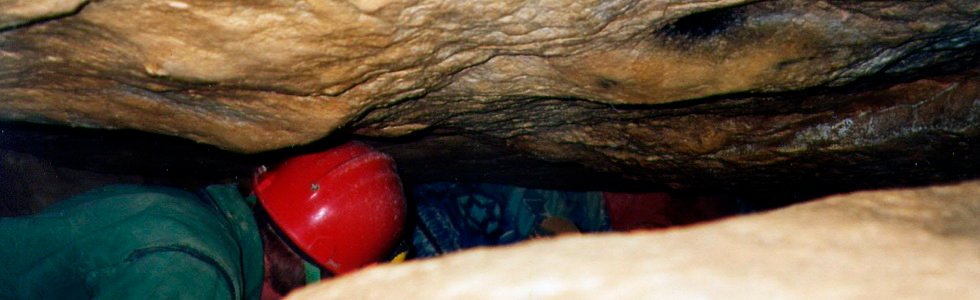
    Spelunking, also known as caving or cave exploration, is an exciting outdoor adventure that involves exploring natural caves and underground passages. Unlike spectator sports, spelunking is a personal journey into hidden landscapes shaped over millions of years by geological processes. Combining adventure, science, and nature, it attracts explorers, photographers, geologists, and outdoor enthusiasts from around the world.

    Thanks to its remarkable geological diversity, Turkey is one of the richest countries in Europe and the Middle East for cave exploration. With an estimated 40,000 caves and caverns, only a small percentage have been fully explored, making the country a fascinating destination for both amateur and experienced cavers.

    Turkey – A Paradise for Cave Explorers

    Turkey’s extraordinary cave systems are largely the result of karstification, a natural process in which slightly acidic water gradually dissolves limestone and other soluble rocks. Over thousands and even millions of years, this creates spectacular underground landscapes featuring chambers, tunnels, sinkholes, underground rivers, and impressive stalactite and stalagmite formations.

    The country’s most extensive karst regions are found along the Western and Central Taurus Mountains, particularly in the provinces of:

    • Muğla
    • Antalya
    • Isparta
    • Burdur
    • Konya
    • Karaman
    • Mersin
    • Adana

    These mountainous regions contain some of Turkey’s most spectacular underground systems and continue to be important areas for scientific exploration.

    Turkey’s Remarkable Caves

    Turkey is home to several caves of international significance.

    Pınargözü Cave, located near Beyşehir Lake in Isparta Province, is the country’s longest known cave system, extending for more than 16 kilometres, with exploration still continuing.

    Another extraordinary natural feature is the Çukurpınar Sinkhole near Anamur in Mersin Province. Reaching a depth of approximately 1,880 metres, it is among the deepest cave systems in the world and presents a serious challenge even for highly experienced cave explorers.

    In addition to these famous sites, hundreds of other caves throughout Turkey offer breathtaking underground scenery, crystal-clear lakes, vast chambers, and unique geological formations.

    The History of Cave Exploration in Turkey

    Organised cave exploration in Turkey began during the 1960s.

    The Cave Research Society (MAD) was established in 1964, laying the foundations for modern speleological studies in the country.

    In 1973, Boğaziçi University Cave Research Club (BUMAK) became Turkey’s first university-based cave exploration organisation. The club has played an important role in training generations of cavers while contributing to scientific research and mapping projects.

    A major milestone followed in 1979, when the Karst and Cave Research Unit was established within the General Directorate of Mineral Research and Exploration (MTA). Since then, Turkish and international researchers have surveyed and documented hundreds of cave systems, although the majority of the country’s estimated caves remain unexplored.

    Why Are Caves Important?

    Caves are far more than natural attractions. They serve scientific, environmental, historical, and economic purposes while providing valuable information about the Earth’s geological history.

    Researchers study caves to better understand:

    • Geological evolution
    • Underground water systems
    • Climate history
    • Ancient ecosystems
    • Archaeological remains
    • Human settlement patterns
    • Rare animal species adapted to underground environments

    Many caves also contain delicate ecosystems that are home to bats and other unique wildlife, making their conservation especially important.

    Uses of Caves

    Throughout history, caves have served a wide variety of practical purposes. Today they continue to be valuable for numerous scientific and commercial applications.

    Tourism

    Many caves have been carefully developed for visitors, with lighting systems, walkways, and guided tours that allow people to experience spectacular underground landscapes safely.

    Natural Cold Storage

    Because cave temperatures remain relatively constant throughout the year, they have traditionally been used as natural refrigeration chambers for storing food and agricultural products.

    Food Preservation

    The cool, stable environment inside caves is ideal for ageing and preserving products such as cheese, butter, and other dairy products.

    Mushroom Cultivation

    Some caves provide the humidity and temperature conditions required for successful mushroom farming.

    Health and Wellness

    Certain caves have historically been used for speleotherapy, where the clean, humid air is believed to benefit people with particular respiratory conditions. While some visitors report positive experiences, medical advice should always be sought before considering this type of therapy.

    Energy and Industrial Storage

    Suitable underground caverns can be engineered to store natural gas, liquefied petroleum gas (LPG), and other strategic energy resources.

    Scientific Research

    Caves help scientists map underground aquifers, investigate groundwater movement, monitor water quality, and better understand regional geology, hydrology, geomorphology, and palaeoecology.

    Wildlife Conservation

    Many cave systems provide essential habitats for bat colonies and numerous specialised species that cannot survive elsewhere.

    Responsible Cave Exploration

    Caving is an adventurous activity that should always be undertaken responsibly. Many cave systems contain fragile mineral formations that have taken thousands of years to develop and can be permanently damaged by careless visitors.

    When exploring caves:

    • Never enter difficult caves without proper training.
    • Always use appropriate safety equipment.
    • Visit with experienced guides or recognised caving organisations.
    • Avoid touching delicate rock formations.
    • Do not leave litter or disturb wildlife.
    • Respect all conservation regulations.

    Discover Turkey’s Hidden Underground World

    While Turkey is internationally famous for its beaches, ancient cities, and mountain landscapes, its underground world remains one of its greatest natural treasures. From enormous limestone chambers and mysterious sinkholes to spectacular stalactites, underground rivers, and untouched cave systems, the country offers endless opportunities for adventure and scientific discovery.

    Whether you are an experienced speleologist or simply curious about nature, exploring Turkey’s caves reveals a fascinating side of the country that few travellers ever experience.

  • Antalya Cuisine – Discover the Flavours of Turkey’s Mediterranean Coast

    Antalya Cuisine – Discover the Flavours of Turkey’s Mediterranean Coast

    Antalya’s cuisine is as colourful and diverse as its coastline. Influenced by the fertile lands of the Mediterranean, centuries of cultural exchange, and the abundance of fresh local ingredients, the city’s culinary traditions offer visitors an unforgettable gastronomic experience.

    From traditional village recipes and freshly caught seafood to elegant waterfront restaurants and lively cafés, Antalya is a destination where every meal celebrates the flavours of the region.

    A Cuisine Inspired by Nature

    The fertile plains surrounding Antalya produce an impressive variety of fruits, vegetables, herbs, and grains throughout the year. Combined with excellent olive oil, fresh seafood, and locally raised meat, these ingredients form the foundation of the region’s healthy and flavourful Mediterranean cuisine.

    Common ingredients found in many local dishes include:

    • Citrus fruits such as oranges, lemons, mandarins, and bergamot
    • Tomatoes, cucumbers, peppers, and eggplants
    • Courgettes (zucchini) and green beans
    • Sesame seeds and tahini
    • Bananas, grown in the warmer coastal districts
    • Fresh herbs and aromatic spices
    • Olive oil
    • Locally produced dairy products

    The result is a cuisine that is fresh, colourful, and perfectly suited to Antalya’s warm climate.

    Traditional Dishes You Should Try

    Antalya is home to numerous regional specialities that have been enjoyed for generations.

    One of the city’s signature dishes is Antalya Piyaz, a distinctive bean salad made with white beans and a rich tahini-based sauce rather than the simple vinaigrette found elsewhere in Turkey. It is often served alongside grilled meatballs and is considered one of the city’s culinary icons.

    Other traditional favourites include:

    • Hibeş – a creamy appetiser prepared with tahini, lemon juice, garlic, and spices.
    • Laba – a traditional local dish prepared with regional ingredients.
    • Tandoor Kebab – slow-cooked meat that becomes exceptionally tender.
    • Saç Kavurma – finely sliced meat cooked with vegetables and spices on a large metal griddle.
    • Arab Kadayif – a popular local dessert featuring crispy pastry and sweet syrup.

    Many restaurants continue to prepare these dishes using traditional family recipes that have been passed down through generations.

    Fresh Seafood from the Mediterranean

    With hundreds of kilometres of coastline, it is no surprise that seafood plays a major role in Antalya’s cuisine.

    Restaurants along the coast and in the historic harbour serve freshly caught fish alongside a wide selection of seafood, including:

    • Sea bream
    • Sea bass
    • Red mullet
    • Octopus
    • Squid
    • Mussels
    • Shrimp

    Simply grilled with olive oil, herbs, and a squeeze of fresh lemon, these dishes perfectly reflect the fresh flavours of the Mediterranean.

    Sweet Traditions

    Antalya is equally famous for its remarkable variety of homemade jams and preserves.

    Thanks to the region’s abundant fruit harvests, local producers create delicious preserves from:

    • Oranges
    • Lemons
    • Grapefruit
    • Bergamot
    • Mandarins
    • Figs
    • Watermelon rind
    • Eggplant

    These unusual preserves are a fascinating part of the region’s culinary heritage and make excellent souvenirs for visitors.

    Street Food and Local Snacks

    Travellers exploring Antalya will find plenty of delicious snacks available throughout the city.

    Popular choices include:

    • Gözleme (traditional stuffed flatbread)
    • Grilled trout
    • Spicy pickled vegetables
    • Hummus
    • Haydari yoghurt dip
    • Şakşuka
    • Grilled meatballs
    • Freshly baked pastries

    Whether purchased from a local market, a family-run café, or a seaside restaurant, these dishes provide an authentic taste of everyday life in Antalya.

    Dining in Antalya

    Antalya offers dining experiences to suit every taste and budget.

    The city’s historic Kaleiçi district is filled with charming cafés, boutique restaurants, and traditional taverns tucked among centuries-old stone streets. As evening falls, visitors gather in its lively squares and shaded courtyards to enjoy Turkish tea, coffee, or refreshing cold drinks while soaking up the relaxed Mediterranean atmosphere.

    The picturesque Old Harbour (Marina) is another favourite dining destination, where restaurants overlook luxury yachts and the sparkling sea. Here, fresh seafood and regional specialities are served with spectacular sunset views.

    Modern districts such as Konyaaltı are home to stylish waterfront restaurants, international cafés, and luxury hotel dining venues offering everything from Turkish classics to world cuisine.

    International Flavours

    As one of Turkey’s leading tourism destinations, Antalya also boasts an impressive selection of international restaurants.

    Visitors can enjoy cuisines from around the world, including:

    • Italian
    • French
    • Chinese
    • Japanese
    • Mexican
    • Mediterranean fusion
    • Middle Eastern cuisine

    This international culinary scene perfectly complements the city’s traditional food culture.

    Tea Gardens and Evening Relaxation

    One of Antalya’s most enjoyable traditions is spending a peaceful evening in one of its shaded tea gardens.

    Many gardens are surrounded by pine trees, ornamental pools, fountains, and colourful flowers, providing a cool retreat during the warmer months. Visitors often order tea served in a traditional samovar, allowing them to enjoy freshly brewed Turkish tea in a relaxed setting.

    Some traditional cafés also offer hookah (nargile), creating a leisurely atmosphere where locals and visitors alike gather to socialise long into the evening.

    A Mediterranean Feast to Remember

    Antalya’s cuisine reflects the richness of its land, sea, and cultural heritage. Fresh local produce, exceptional seafood, fragrant olive oil, traditional recipes, and warm Turkish hospitality combine to create one of the most rewarding culinary experiences on the Mediterranean coast.

    Whether you are enjoying a simple plate of Antalya piyaz, freshly grilled fish overlooking the harbour, or homemade citrus jam at a village breakfast, every meal offers a delicious introduction to the flavours and traditions that make Antalya one of Turkey’s finest gastronomic destinations.

  • Postal System in Turkiye: PTT Services and Useful Information for Travelers

    Turkey’s postal system is operated by PTT (Posta ve Telgraf Teşkilatı), the national postal and communication service provider. PTT branches are easy to recognize by their distinctive black “PTT” letters on a yellow background and can be found throughout cities, towns, and many tourist areas.

    For visitors, PTT offices provide a wide range of services, including sending letters and packages, receiving mail, currency exchange, telephone services, and purchasing postage stamps.

    PTT Office Hours

    Opening hours may vary depending on the location and size of the branch:

    • Main post offices: Generally open from 08:00 to 12:00 and 13:30 to 17:00, Monday to Saturday in many locations. Some major branches in busy tourist areas may have extended hours.
    • Smaller post offices: Usually follow working hours similar to other government offices.
    • Tourist area branches: Some may offer longer opening hours during the high season.

    Travelers should check local opening times, especially during public holidays.

    Sending and Receiving Mail

    Postal charges in Turkey vary depending on the type of service, weight, and destination. PTT provides domestic and international postal services for:

    • Letters and postcards
    • Documents
    • Small parcels
    • Express shipments

    Visitors who wish to receive mail while traveling can use the post restante service. Letters should be addressed with:

    Recipient’s name – Post Restante – Merkez Postanesi (Central Post Office) – City/Town, Turkey

    To collect post restante mail, travelers must present a valid identification document, such as a passport.

    Money Exchange and Financial Services

    Many PTT branches provide additional financial services, including:

    • Currency exchange at current international exchange rates
    • International postal money orders
    • Payment and transfer services

    Some branches also provide other banking-related services through PTT’s financial network.

    Express Postal Services

    PTT offers an express delivery service known as APS (Acele Posta Servisi) for faster international and domestic shipments. This service is available for letters, important documents, and small packages to numerous countries around the world.

    Postage Stamps and Collecting

    Turkey has a long tradition of stamp production, and PTT regularly issues special commemorative stamps featuring themes such as:

    • Turkish history
    • Cultural heritage
    • Important personalities
    • Natural landscapes
    • National events

    Philatelists and collectors can find a variety of special stamps at PTT centers.

    Telephone Services at PTT

    Historically, PTT offices played an important role in Turkey’s public telephone network. Many PTT locations provide telephone services, and public telephone booths can be found in various areas.

    To use traditional PTT telephone booths, visitors can purchase:

    • Telephone cards
    • Jetons (telephone tokens), available in different values

    Calls can be made for:

    • Local destinations
    • Intercity connections
    • International numbers

    Most travelers today use mobile phones and internet-based communication services, but PTT branches remain useful for postal, financial, and official services.

    PTT Services for Travelers

    In addition to regular postal services, PTT offers several useful facilities in tourist destinations, including:

    • Package shipping for souvenirs and purchases
    • Delivery services
    • Communication services
    • Tourist assistance through selected branches

    Mobile PTT services are also available in some popular tourism regions during busy travel periods.

    Telephone and Area Codes in Turkey

    Turkey uses regional telephone area codes for landline communication. Major cities and tourist destinations have their own area codes, while international calls require the country code +90 followed by the local number.

    Visitors making international calls should check the relevant country and city codes before dialing.

    Travel Tips for Using PTT in Turkey

    • Keep your passport or identification document when collecting mail.
    • Visit larger PTT branches for international services.
    • Keep receipts for valuable packages and shipments.
    • Allow extra time for international deliveries.
    • During summer months, tourist-area branches may be busier due to increased visitor demand.

    The Turkish PTT network remains an important part of daily life in Turkey and continues to provide reliable postal, communication, and financial services for both residents and international visitors.

  • Above the amazing landscapes of Cappadocia in a hot air balloon

    Above the amazing landscapes of Cappadocia in a hot air balloon

    The best place on the earth for hot air balloon tours is Cappadocia region. It is the place where nature and history come together most beautifully within the world. while geographic events are forming strange rock formations, during the historical period, humans had carried the signs of thousand years old civilizations with carving houses and churches within these earth pillars and decorating them with frescoes. there are many places that are ‘must see’ in Cappadocia, such as; the various ‘fairy chimneys’, Goreme valley, Goreme national park, rock churches, the underground cities of kaymakli, derinkuyu or ozkonak, zelve valley, avanos, with its pottery, the uchisar and ortahisar rock fortress, the ihlara valley, red valley and soganli.

    Excursions

    Flight via balloon sport, whose initial existence in the world reaches to the end of 18th century, is also densely drawing attention in our country. For long years, as well as it is performed with the aim of individual sports, city tours with balloons are also performed during regional activities in touristic regions of our country. Balloon takes off with heating of liquid propane gas filled into it. You can stay on air for long periods with a calm flight under appropriate wind (under 10 km/h). Directing balloon, whose appropriate flight height is between 500 – 1500 feet, altitude gain and loss, change its speed can be made easily by an experienced pilot easily.

    Structure of the Balloon
    There are propane gas tubes, altimeter, thermometer, wireless for communication with airport, variometer and fire extinguishers in the basket, manufactured from “vimin”, generally a light and synthetic material, and which carries the passangers of the balloon. Propane tubes, with approximately 20 kg. weight each within the basket, includes propane gas maintaining the expand of the balloon. Each tube maintains an approximately 40 – 45 minutes of flight possibility to the balloon. Total lifting force of the balloon is around 1.700 pounds.

    Taking off of the balloon is maintained with heating of propane gas filled into the balloon via furnaces under it. Furnaces can be 2 or 3 pieces according to the volume of the balloon. Heat within the balloon should never exceed 120 degrees. For maintaining landing with stopping flight, red rope is pulled within it. In this way, activated falling valve maintains the air within it run out rapidly. In case of insufficiency of emptying speed of the internal air emergency hole at the top of the balloon is opened.

    Flight Rules for Foreigners
    Prior to the flight via balloon, air vessel to be flight registration sign, flight aim, flight date, flight hour, flight region is informed and applied to Ministry of Communication, Civil Aviation General Directorate. In case of a flight via balloon exceeding 15 days in our country; licenses of foreign pilots should be validated by Ministry of Communication, Civil Aviation General Directorate.

    Excursions

  • The Turkish Nazar Boncugu: The Little Blue Bead That Protects Against the Evil Eye

    One of the most recognizable symbols of Turkey is the Nazar Boncuğu, the famous blue glass bead believed to protect people from the Evil Eye. Whether you are strolling through the bustling bazaars of Istanbul, exploring the picturesque villages of the Aegean Coast, or visiting seaside resorts along the Turkish Riviera, you will encounter this distinctive blue charm almost everywhere.

    The Nazar Boncuğu (pronounced nah-zar bon-joo) is far more than a decorative souvenir. It is one of Turkey’s oldest and most cherished cultural symbols, representing protection, good fortune, and positive energy. Many visitors choose to take one home not only because of its striking appearance but also because of the fascinating beliefs and traditions surrounding it.

    What Is the Evil Eye?

    The belief in the Evil Eye, known in Turkish as Nazar, has existed for thousands of years and is shared by many cultures throughout the Mediterranean, the Middle East, Central Asia, and parts of Europe. The concept is based on the idea that feelings of envy, jealousy, or excessive admiration can unintentionally bring bad luck, illness, or misfortune to another person through a powerful glance.

    The Turkish word nazar literally means “to look,” “to gaze,” or “to cast one’s eyes upon.” According to traditional belief, not every evil eye is intentional. Even sincere compliments, if expressed without offering a blessing, are sometimes thought to carry unintended negative energy.

    Although modern Turkish society is highly contemporary, belief in Nazar continues to be deeply rooted in everyday life and remains an important part of the country’s cultural heritage.

    The Legend Behind the Nazar

    Like many ancient traditions, the story of the Nazar Boncuğu is accompanied by an enduring legend.

    Long ago, there stood an enormous rock beside the sea. It was so massive that even hundreds of strong men, using every tool available, could neither move nor break it apart. No amount of force seemed capable of cracking the stone.

    In the nearby town lived a man who was believed to possess an exceptionally powerful evil eye. The villagers eventually invited him to look at the mysterious rock.

    The man gazed at it for a moment and simply remarked,

    “What an enormous rock!”

    The instant the words left his mouth, a tremendous roar echoed through the valley. The seemingly indestructible rock split cleanly into two pieces.

    From that day forward, people believed that the mysterious power of the evil eye could affect even the strongest objects in nature.

    Nazar in Everyday Turkish Life

    For centuries, Turks have believed that Nazar can influence health, prosperity, relationships, animals, crops, and even businesses.

    Traditional expressions such as “Nazar değdi” (“The evil eye has struck”) are still commonly heard when something unfortunate happens unexpectedly.

    According to folklore, a beautiful young woman may suddenly become ill after receiving excessive admiration. A successful business may experience unexpected setbacks after attracting envy. Livestock, gardens, and even newly purchased homes were traditionally thought to require protection from negative energy.

    One of the most frequently told examples concerns a newborn baby. Family members, neighbors, and friends gather to admire the healthy child, praising its bright eyes, rosy cheeks, and cheerful appearance. If too much attention is given without expressing a blessing or protective phrase, any illness or unexplained misfortune that follows may traditionally be attributed to Nazar.

    While modern medicine provides scientific explanations for such events, these stories remain an important part of Turkish folklore and continue to illustrate how deeply the belief has influenced everyday customs.

    The Protective Power of the Blue Bead

    To guard against the evil eye, people wear or display the Nazar Boncuğu. The bead is traditionally handcrafted from layers of blue, white, black, and light-blue glass, creating an eye-like design that is believed to reflect harmful energy back to its source.

    The charm can be found almost everywhere in Turkey:

    • Hanging above the entrance of homes
    • Inside shops and restaurants
    • Attached to automobiles
    • Worn as necklaces, bracelets, and earrings
    • Pinned to babies’ clothing
    • Sewn into wedding dresses
    • Decorated on handbags, wallets, and keychains
    • Displayed in offices and workplaces

    Many Turkish parents attach a small Nazar bead to a baby’s clothing with a safety pin shortly after birth. According to tradition, if the bead cracks or breaks unexpectedly, it is believed to have absorbed the negative energy intended for its owner. Once broken, it should be replaced with a new one to continue providing protection.

    A Popular Turkish Souvenir

    Today, the Nazar Boncuğu has become one of Turkey’s most popular souvenirs. Skilled glassmakers, particularly in the Aegean region, continue the centuries-old craft of producing these beautiful blue beads using traditional techniques.

    Visitors can purchase Nazar charms in countless forms, from tiny keyrings to elaborate wall decorations, jewelry, ceramics, textiles, and home décor. Whether bought as a meaningful gift or a personal keepsake, the blue bead serves as a lasting reminder of Turkey’s rich cultural traditions.

    More Than Just a Superstition

    Whether one believes in the mystical power of the Evil Eye or simply appreciates its symbolism, the Nazar Boncuğu represents an enduring aspect of Turkish identity. It embodies hope, protection, and the universal desire to safeguard loved ones from misfortune.

    For many people, the little blue bead is not merely an ornament—it is a timeless cultural emblem that connects ancient beliefs with modern life, making it one of the most fascinating and recognizable symbols of Turkey.