Author: tur

  • Ancient City of Seleucia Pieria, Hatay, Turkey

    Ancient City of Seleucia Pieria, Hatay, Turkey

    Seleucia Pieria: The Ancient Port City and Gateway of the Eastern Mediterranean

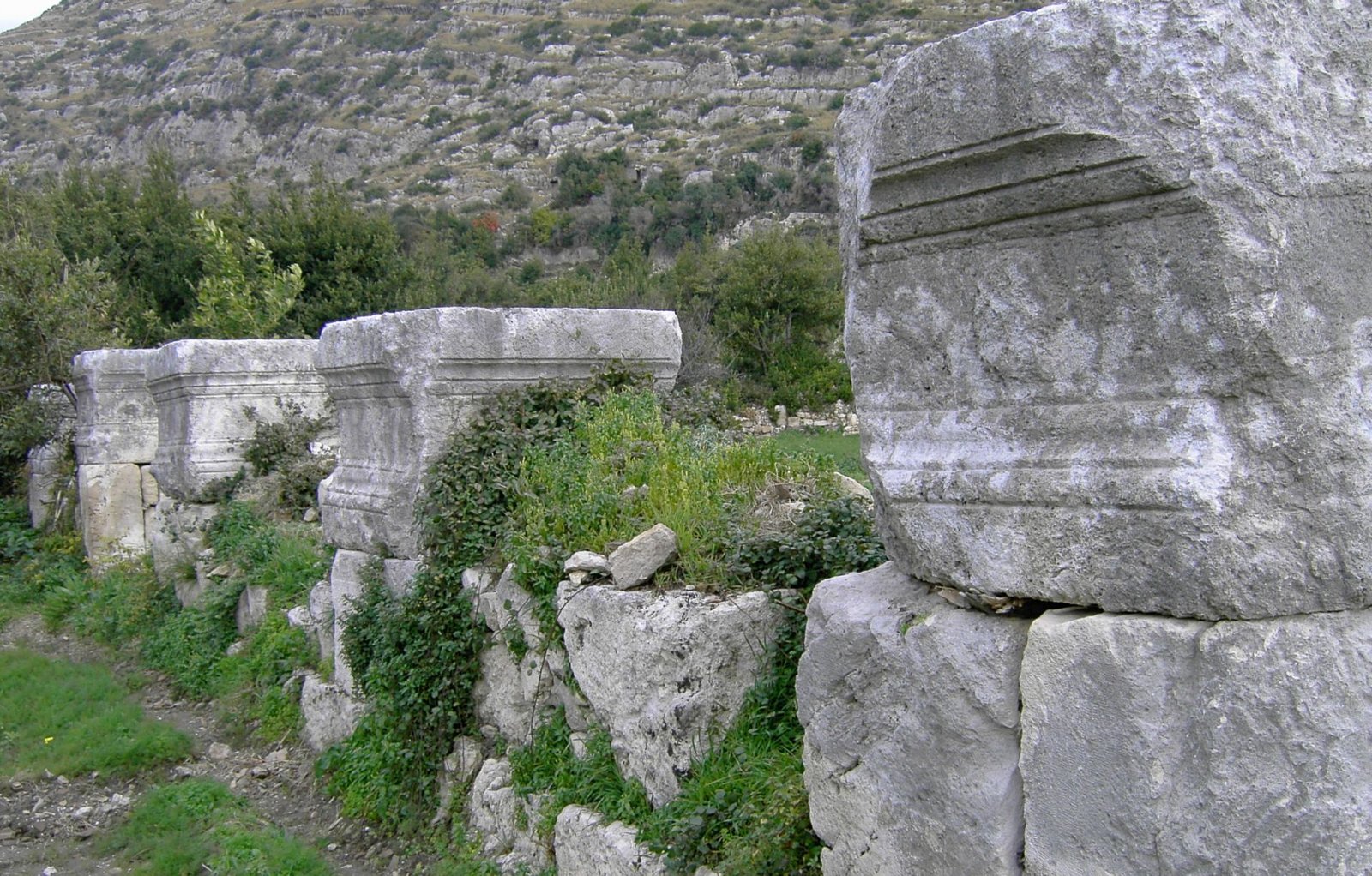
    Located approximately 6 kilometers south of Samandağ in Hatay Province, the ancient city of Seleucia Pieria was one of the most important harbor cities of the ancient Mediterranean world. Founded as the port of Antioch on the Orontes, Seleucia Pieria played a major role in commerce, military movements, and religious history.

    The city is especially famous for its connection with the early Christian world, as it was the departure point for the first missionary journey of Saint Paul and Barnabas. Today, the impressive remains of the city, including the remarkable Titus–Vespasianus Tunnel, ancient rock tombs, and archaeological structures, make it one of Hatay’s most fascinating historical sites.


    Historical Background of Seleucia Pieria

    Seleucia Pieria was founded around 300 BC by Seleucus I Nicator, one of the generals of Alexander the Great and the founder of the Seleucid Empire.

    The city was named after its founder and the nearby mountain region of Pieria.

    Its strategic location on the Mediterranean coast made it the natural maritime gateway for the inland city of Antioch, one of the greatest cities of the ancient world.

    Through its harbor, goods, armies, travelers, and ideas moved between:

    • Anatolia
    • Syria
    • The Eastern Mediterranean
    • The Roman Empire

    Seleucia Pieria and Antioch

    Although Antioch was located inland along the Orontes River, Seleucia Pieria served as its main seaport.

    The relationship between the two cities was essential:

    • Antioch became a political and cultural center.
    • Seleucia Pieria provided maritime access.

    The port connected the region with major Mediterranean trade routes and contributed greatly to the prosperity of both cities.


    Religious Importance: The Journey of Saint Paul

    Seleucia Pieria holds a special place in Christian history.

    According to the Acts of the Apostles, Saint Paul and Barnabas departed from this port on their first missionary journey around AD 46–48.

    From Seleucia Pieria they sailed to Cyprus, beginning one of the most important missions in the spread of Christianity throughout the Roman world.

    Because of this connection, the ancient harbor is an important destination for visitors interested in early Christian history.


    The Titus–Vespasianus Tunnel

    One of the most remarkable monuments near Seleucia Pieria is the Titus–Vespasianus Tunnel, an extraordinary example of Roman engineering.

    The tunnel was constructed during the reigns of the Roman emperors Vespasian and Titus in the 1st century AD.

    Purpose of the Tunnel

    The surrounding mountains caused seasonal floods that threatened the city and harbor.

    Roman engineers built the tunnel system to:

    • Divert rainwater away from the settlement
    • Protect the harbor area
    • Control flooding

    The project demonstrates the advanced engineering skills of Roman builders.


    Architecture and Engineering Importance

    The Titus Tunnel remains impressive even by modern standards.

    Its construction involved:

    • Cutting through solid rock
    • Creating a long water channel
    • Managing mountain drainage
    • Protecting an important commercial harbor

    The structure reflects the importance of Seleucia Pieria as a major Roman port city.


    Rock Tombs of Seleucia Pieria

    Near the ancient city are approximately 12 rock-cut tombs carved into the surrounding landscape.

    These tombs provide valuable information about ancient burial traditions.

    Features include:

    • Chambers carved into stone
    • Burial niches
    • Decorative elements
    • Evidence of Roman and Hellenistic customs

    The tombs offer visitors a glimpse into the funerary practices of ancient communities in the region.


    Archaeological Remains

    Although much of ancient Seleucia Pieria has been affected by natural changes and historical events, visitors can still explore important remains, including:

    • Ancient harbor areas
    • Rock-cut structures
    • Burial sites
    • Water management systems
    • The Titus Tunnel

    The archaeological landscape reveals the importance of the city as both a commercial and strategic center.


    Things to See and Do

    A visit to Seleucia Pieria can include:

    Explore the Titus Tunnel

    Walk through one of the finest examples of Roman hydraulic engineering.

    Visit the Rock Tombs

    Discover ancient burial chambers carved into the mountainside.

    Explore Samandağ

    The nearby town offers:

    • Mediterranean scenery
    • Local cuisine
    • Coastal landscapes
    • Cultural attractions

    Discover Hatay’s Heritage

    The region is famous for:

    • Ancient civilizations
    • Religious history
    • Gastronomy
    • Multicultural traditions

    Nearby Attractions

    Ancient City of Antioch (Antakya)

    Once one of the largest cities of the Roman Empire, Antioch was famous for:

    • Roman mosaics
    • Early Christian history
    • The Orontes River
    • St. Pierre Church

    St. Pierre Church

    One of the earliest Christian worship sites, associated with the first followers of Christianity in Antioch.

    Hatay Archaeology Museum

    Home to one of the world’s richest collections of Roman mosaics.

    Highlights include:

    • Ancient mosaics
    • Sculptures
    • Archaeological artifacts from the region

    Samandağ Beach

    A long Mediterranean beach known for:

    • Natural landscapes
    • Sea turtle nesting areas
    • Peaceful coastal scenery

    Getting There

    From Hatay (Antakya)

    Distance:

    • Approximately 35 km

    Transportation options:

    • Rental car
    • Taxi
    • Local transport

    From Samandağ

    Distance:

    • Approximately 6 km south

    The site is easily combined with a visit to Samandağ and Antakya.


    Travel Tips

    • Wear comfortable shoes as the terrain around the archaeological areas can be uneven.
    • Bring water during summer visits.
    • Combine the visit with Antioch and Hatay Museum for a complete historical experience.
    • Visit in spring or autumn for comfortable weather.
    • Allow extra time to explore the surrounding natural landscapes.

    The Ancient City of Seleucia Pieria is one of the most significant historical sites on Turkey’s Mediterranean coast. Once a powerful port connecting Antioch with the wider ancient world, it witnessed important events in Hellenistic, Roman, and early Christian history.

    From the remarkable Titus–Vespasianus Tunnel to its ancient harbor and rock tombs, Seleucia Pieria offers visitors a fascinating journey through engineering, trade, and religious heritage in one of Turkey’s most historically rich regions.

  • Ablution in Islam: Ritual Purity, Water, and Traditional House Design

    In Islamic tradition, ablution (wudu) is an important practice of ritual purification performed before the five daily prayers (namaz/salah). It symbolizes physical cleanliness, spiritual preparation, and respect for worship.

    In traditional Muslim societies, especially in historic Turkish homes, the importance of ablution influenced domestic architecture. Houses were often designed with spaces and facilities that allowed residents to perform purification privately and comfortably while maintaining family intimacy.


    The Importance of Ablution in Islam

    Muslims are required to perform ritual ablution before each of the five daily prayers unless they are already in a state of purity.

    The process generally includes washing:

    • Hands
    • Mouth
    • Nose
    • Face
    • Arms up to the elbows
    • Wiping the head
    • Washing the feet

    Ablution is considered both a physical and spiritual preparation for prayer.

    Beyond cleanliness, it represents:

    • Renewal
    • Discipline
    • Humility
    • Readiness to stand before God

    Ablution Facilities in Traditional Homes

    Traditional Muslim houses were often adapted to accommodate religious practices and daily hygiene.

    Many homes included:

    • Private washing areas
    • Ablution spaces
    • Water facilities near living areas
    • Separate washing sections for family use

    Each room, as a basic living unit in traditional house design, could include an area where residents could complete personal washing and purification.

    This arrangement reflected an architectural understanding of:

    • Privacy
    • Family life
    • Religious customs
    • Practical household needs

    Relationship Between Washing Areas and Toilets

    In traditional homes, the washing area was often closely connected with sanitation facilities.

    Because both activities involved water and personal hygiene, toilets were frequently combined with washing rooms.

    This design provided:

    • Convenience
    • Efficient use of space
    • Improved household hygiene

    The arrangement also reflected traditional approaches to cleanliness and water management.


    Water Use and Traditional Environmental Practices

    Water was highly valued in traditional Muslim societies, and household water management followed practical customs.

    One notable tradition was the separation of water used for washing dishes from household sewage.

    Instead of mixing with wastewater, dishwashing water was often:

    • Collected in a separate pool
    • Directed through channels
    • Allowed to flow into gardens

    This practice helped:

    • Reuse water resources
    • Support household gardens
    • Maintain cleaner drainage systems

    It also reflected traditional awareness of water conservation.


    Prayer Spaces in Traditional Homes

    Unlike some religions that require a dedicated worship room, Islam generally does not require a permanent prayer space within a house.

    Traditional Muslim homes usually did not have a specific room reserved exclusively for worship.

    The belief is that prayer may be performed wherever the place is:

    • Clean
    • Suitable
    • Respectful

    As a result, any room in the house could become a temporary prayer area.


    Influence on Turkish Traditional Architecture

    In Ottoman and traditional Anatolian houses, religious customs influenced many aspects of domestic design.

    Important features included:

    • Private courtyards
    • Washing areas
    • Water fountains
    • Bathing facilities
    • Flexible living spaces

    The famous Turkish bath (hamam) tradition also developed from the importance placed on cleanliness and purification.


    Water as a Cultural Element

    Water has always held a special place in Islamic culture and Turkish architecture.

    It appears in:

    • Courtyard fountains
    • Garden channels
    • Public fountains (çeşme)
    • Bathhouses
    • Decorative pools

    Water represented:

    • Purity
    • Life
    • Hospitality
    • Beauty

    Traditional architecture often integrated water systems into both practical and aesthetic designs.


    Ablution in Islam is more than a physical act of washing; it is a preparation for spiritual connection and worship. Its importance influenced the design of traditional Muslim homes, where privacy, cleanliness, and efficient water use were carefully considered.

    In Turkish and Ottoman architecture, these principles can still be seen in washing facilities, fountains, baths, and household designs that reflect the close relationship between religion, daily life, and the environment.

  • Traditions, Customs, and Religion in Safranbolu, Turkey

    A Philosophy of Simplicity, Contentment, and Traditional Living

    The historic town of Safranbolu, located in Karabük Province in northern Turkey, is renowned not only for its well-preserved Ottoman houses but also for the traditional way of life that shaped its society for centuries.

    The culture of Safranbolu developed around values of simplicity, moderation, hospitality, thrift, and respect for traditions. The daily lives of its inhabitants were influenced by family customs, religious beliefs, and a philosophy of being satisfied with what one has.

    This traditional lifestyle created a unique social environment where material simplicity existed together with comfort, generosity, and abundance.


    The Philosophy of Contentment

    One of the most important characteristics of traditional Safranbolu society was the belief that happiness did not depend on luxury or excessive possessions.

    People valued:

    • Modesty
    • Self-sufficiency
    • Hard work
    • Family relationships
    • Community cooperation

    A simple lifestyle was not considered a sign of poverty but rather a reflection of wisdom, discipline, and good character.


    Simplicity in Daily Life

    Traditional Safranbolu homes were designed around practical living rather than displays of wealth.

    Many households followed customs such as:

    • Sitting on cushions placed on the floor
    • Working and socializing on low seating arrangements
    • Sleeping on floor mattresses that could be stored during the day
    • Eating around low tables (sofra)

    Furniture was limited because rooms were designed to serve multiple purposes.

    A single room could function as:

    • Living space
    • Dining area
    • Sleeping area
    • Workspace

    This flexible use of space was an important feature of traditional Turkish house culture.


    Traditional Safranbolu Houses

    The famous Safranbolu houses reflect the values of the community.

    Their design emphasized:

    • Functionality
    • Comfort
    • Family privacy
    • Harmony with nature

    Typical features included:

    • Large rooms
    • Wooden interiors
    • Built-in cupboards (yüklük)
    • Decorative ceilings
    • Spacious kitchens
    • Separate areas for daily activities

    The houses were often large despite their simple interiors, providing enough space for extended families.


    Beauty Through Natural Materials

    Traditional decoration in Safranbolu was based on the natural qualities of materials rather than excessive ornamentation.

    Beauty came from:

    • Wood grain
    • Natural colors
    • Textures of fabrics
    • Handcrafted details

    The result was an elegant simplicity where craftsmanship and natural materials created the decorative character of the home.


    Social Equality and Modesty

    The simple appearance of traditional homes meant that it was often difficult to distinguish between the houses of wealthy and less wealthy families from the outside.

    This reflected social values emphasizing:

    • Humility
    • Community identity
    • Avoidance of excessive displays of wealth

    Although some families were economically stronger than others, traditional architecture often maintained a shared cultural style.


    Abundance Within Simplicity

    Although Safranbolu life appeared modest, it was not lacking in comfort.

    Traditional households were characterized by abundance in important areas:

    Food Culture

    Food was an essential part of hospitality.

    Homes often had:

    • Large kitchens
    • Food storage areas
    • Homemade products
    • A wide variety of dishes

    Traditional cuisine included:

    • Local pastries
    • Meat dishes
    • Homemade breads
    • Preserves
    • Regional specialties

    Guests were always welcomed with generosity.


    Spacious Living Areas

    Safranbolu houses were known for:

    • Large rooms
    • Multiple floors
    • Separate summer and winter sections
    • Comfortable family spaces

    Many houses included both:

    • Main living areas
    • Additional guest rooms

    Religion and Social Values

    Islamic traditions influenced many aspects of life in Safranbolu.

    Religious values encouraged:

    • Hospitality
    • Cleanliness
    • Charity
    • Respect for neighbors
    • Family responsibility

    Religious celebrations and community gatherings played an important role in maintaining social connections.

    The local mosque, neighborhood relationships, and shared traditions formed important parts of community life.


    Hospitality in Safranbolu Culture

    Hospitality has always been one of the strongest characteristics of Safranbolu society.

    Visitors were traditionally welcomed with:

    • Food and drinks
    • Comfortable accommodation
    • Friendly conversation

    Offering hospitality was considered both a social responsibility and a reflection of good character.


    A Healthy Traditional Society

    The traditional lifestyle of Safranbolu created a balanced community based on:

    • Moderate consumption
    • Strong family ties
    • Physical activity
    • Fresh local foods
    • Social cooperation

    The combination of healthy habits, environmental harmony, and community support contributed to a stable and peaceful way of life.


    Safranbolu Today

    Today, Safranbolu is recognized as one of Turkey’s most important cultural heritage destinations and is listed as a UNESCO World Heritage Site.

    Visitors come to experience:

    • Historic Ottoman houses
    • Traditional cuisine
    • Crafts and markets
    • Local customs
    • Preserved urban architecture

    Although modern life has changed many aspects of daily living, Safranbolu continues to preserve the spirit of its traditional culture.


    The traditions, customs, and religious values of Safranbolu created a unique lifestyle based on simplicity, generosity, and harmony. Its people demonstrated that comfort and prosperity do not necessarily depend on luxury, but can come from strong communities, meaningful traditions, and a balanced relationship with everyday life.

    Safranbolu remains a remarkable example of how architecture, culture, and social values can preserve the identity of a historic Anatolian community.

  • Traditional Ironmongery and Coppersmithing in Safranbolu, Turkey

    Craftsmanship and Metalworking Heritage of an Ottoman Town

    The historic town of Safranbolu, famous for its Ottoman architecture and traditional way of life, was also an important center of craftsmanship and trade. Among the most significant traditional occupations were ironworking and coppersmithing, which played a vital role in the daily life, agriculture, construction, and household economy of the region.

    The craftsmen of Safranbolu produced essential tools and objects that supported both rural life and urban development. The markets and workshops of the town were once filled with the sounds of hammers, furnaces, and skilled artisans shaping metal by hand.


    Ironmongery in Safranbolu

    Ironmongers (demirciler) were among the most respected craftsmen in old Safranbolu. Their workshops, many of which were located in the traditional market area, formed an important branch of local industry.

    Even today, some ironworking businesses continue to preserve this heritage, although modern production methods have replaced much of the traditional manufacturing.


    Products Made by Safranbolu Ironmongers

    The ironmongers produced a wide range of practical items needed for everyday life.

    Their work included:

    Agricultural Tools

    Farmers depended on local blacksmiths for equipment such as:

    • Axes
    • Hoes
    • Plough parts
    • Cutting tools
    • Other farming implements

    These tools were essential for agriculture in the surrounding villages.


    Tools for Traditional Crafts

    Ironworkers produced equipment used by other craftsmen, including tools for:

    • Woodworking
    • Leatherworking
    • Construction activities

    Examples included:

    • Hammers
    • Adzes
    • Gimlets
    • Chisels
    • Specialized hand tools

    Household Objects

    Ironmongers manufactured many items used in traditional homes, including:

    • Kitchen utensils
    • Metal containers
    • Hooks
    • Fasteners
    • Household hardware

    These objects were designed to be durable and practical.


    Building and Architectural Elements

    Safranbolu’s famous wooden houses required many iron components.

    Local craftsmen produced:

    • Nails
    • Screws
    • Hinges
    • Locks
    • Door handles
    • Door knockers
    • Window shutter hooks
    • Latches
    • Iron brackets and fittings

    These handmade details contributed to the durability and character of traditional Safranbolu architecture.


    The Ironmongers’ Market

    The traditional ironmongers’ market was an important commercial area where craftsmen produced and sold their goods.

    The market served as:

    • A place of production
    • A center of trade
    • A meeting point for craftsmen and customers

    Each workshop represented generations of accumulated knowledge, with skills passed from masters to apprentices.


    Coppersmithing in Safranbolu

    Alongside ironworking, coppersmithing (bakırcılık) was another important traditional craft in Safranbolu.

    The town became known as the copper market of the surrounding region, supplying households with essential copper goods.

    Copper objects were valued because they were:

    • Durable
    • Practical
    • Attractive
    • Suitable for cooking and storage

    Traditional Copper Production

    In the past, Safranbolu coppersmiths did not simply sell finished products; they produced them directly in their workshops.

    The process involved:

    • Heating copper sheets
    • Shaping metal by hammering
    • Creating decorative patterns
    • Polishing finished objects

    The rhythmic sound of copper being shaped by craftsmen was once a characteristic feature of Safranbolu’s market streets.


    Copper Products

    Traditional coppersmiths produced many household items, including:

    • Cooking pots
    • Trays
    • Bowls
    • Coffee pots
    • Water containers
    • Serving dishes
    • Kitchen utensils

    Many items were decorated with traditional engraved designs, reflecting both practical use and artistic skill.


    Decline and Preservation of Traditional Crafts

    Modern industrial production has reduced the demand for many handmade metal products.

    Changes include:

    • Factory-made goods replacing handmade items
    • Reduced numbers of traditional craftsmen
    • Changing household habits

    However, Safranbolu continues to protect its craft heritage through:

    • Traditional markets
    • Artisan workshops
    • Cultural tourism
    • Handmade souvenir production

    Crafts as Part of Safranbolu’s Cultural Identity

    Ironmongery and coppersmithing were not only economic activities; they were an important part of Safranbolu’s social identity.

    These crafts represent:

    • Traditional knowledge
    • Ottoman-era craftsmanship
    • Local economic history
    • The relationship between artisans and the community

    Together with its historic houses, bazaars, cuisine, and customs, traditional metalworking contributes to Safranbolu’s reputation as one of Turkey’s most important cultural heritage towns.


    The ironmongers and coppersmiths of Safranbolu played an essential role in shaping the town’s traditional life. From agricultural tools and household objects to architectural details and decorative copperware, their craftsmanship supported generations of residents.

    Today, these historic crafts remain a valuable reminder of Safranbolu’s rich Ottoman heritage and continue to attract visitors interested in traditional Turkish arts and artisan culture.

  • Saddlers, Leather Workers, and Farriers in Safranbolu, Turkey

    Traditional Animal-Based Crafts and Transportation Heritage

    The historic town of Safranbolu was once a lively center of traditional crafts that supported everyday life in the Ottoman period and the early years of the Turkish Republic. Before modern transportation became widespread, animals such as horses, donkeys, and mules played an essential role in travel, trade, agriculture, and communication.

    Because of the importance of animal transportation, specialized crafts developed around the care and equipment of these animals. Among the most important were saddlery, leatherworking, and farriery, occupations that formed an important part of Safranbolu’s traditional marketplace.


    Saddlers and Leather Workers in Safranbolu

    The Importance of Saddlery

    For centuries, horses and donkeys were among the main means of transportation in Safranbolu and the surrounding region.

    They were used for:

    • Carrying goods
    • Agricultural work
    • Local transportation
    • Travel between villages
    • Commercial activities

    The widespread use of pack animals created a strong demand for skilled craftsmen who could produce and repair:

    • Saddles
    • Harnesses
    • Bridles
    • Leather straps
    • Animal equipment

    The Saddlers’ Market

    Saddlers and leather workers were organized in specialized areas of the traditional Çarşı (market district).

    Two streets were especially associated with these crafts:

    Semerciler İçi

    The street of saddle makers (semerciler) was where craftsmen produced and repaired saddles used mainly for riding and carrying loads.

    Saraçlar İçi

    The street of leather harness makers (saraçlar) specialized in producing leather equipment connected with animal transport.

    The names of these streets remain a reminder of the importance of these professions in Safranbolu’s economic history.


    Traditional Saddle Production

    Making a saddle required great skill and experience.

    A traditional saddle consisted of several parts:

    • Wooden framework
    • Leather covering
    • Padding materials
    • Decorative elements
    • Straps and attachments

    Craftsmen carefully shaped each piece to ensure:

    • Comfort for the animal
    • Durability during transportation
    • Safety for the rider

    Saddle-making was a respected profession, with skills traditionally passed from master craftsmen to apprentices.


    Saddlery in the Early 20th Century

    The importance of this craft can be seen from historical records.

    In 1923, approximately 120 people were involved in saddle-making in Safranbolu, demonstrating how significant the profession was at that time.

    The number of craftsmen declined as:

    • Motor vehicles replaced animal transport
    • Roads improved
    • Agricultural methods changed
    • Modern equipment became available

    Today, only a small number of traditional saddle makers continue this historic craft.


    Leatherworking Tradition

    Leather workers produced many items needed for daily life and transportation.

    Their products included:

    • Horse harnesses
    • Belts
    • Straps
    • Bags
    • Animal accessories
    • Agricultural leather equipment

    The quality of their work depended on:

    • Knowledge of leather preparation
    • Handcrafting skills
    • Understanding of animal movement and comfort

    Farriers in Safranbolu

    The Role of Horse Shoeing

    Because many households owned horses, farriers (nalbantlar) were another important group of craftsmen in traditional Safranbolu.

    Many families owned at least one or two saddle horses, creating a constant need for:

    • Horseshoe production
    • Hoof care
    • Animal maintenance

    The Work of Farriers

    Farriers were responsible for:

    • Preparing horseshoes
    • Shaping metal shoes
    • Fitting shoes to animals’ hooves
    • Maintaining animal health

    Their work required both metalworking knowledge and an understanding of animal anatomy.

    Farriers often worked closely with:

    • Saddlers
    • Farmers
    • Transport workers
    • Merchants

    The Decline of Traditional Animal Crafts

    The introduction of modern transportation greatly changed Safranbolu’s craft economy.

    The decline of saddlery and farriery was caused by:

    • Cars and trucks replacing pack animals
    • Mechanization of agriculture
    • Reduced use of horses for transportation

    Many traditional workshops disappeared or transformed into shops selling handmade products for visitors.


    Preservation of Traditional Crafts Today

    Although these professions are no longer as widespread as in the past, they remain valuable parts of Safranbolu’s cultural heritage.

    Efforts to preserve them include:

    • Artisan workshops
    • Cultural festivals
    • Traditional craft demonstrations
    • Tourism activities

    Visitors to Safranbolu can still discover examples of traditional leatherwork and handmade crafts that reflect the town’s Ottoman heritage.


    Saddlers, leather workers, and farriers played a crucial role in the historical life of Safranbolu. Their craftsmanship supported transportation, agriculture, and trade for generations.

    Today, these disappearing professions provide an important connection to the town’s past, preserving the skills, traditions, and craftsmanship that helped shape Safranbolu’s unique cultural identity.