Category: Attractions

  • Golf in Turkiye: World-Class Courses Along the Mediterranean

    Discover One of Europe’s Rising Golf Destinations

    Golf has been played in Turkey since 1895, and over the past few decades the country has established itself as one of Europe’s premier golf destinations. Combining championship-standard courses, luxury resorts, year-round sunshine, and spectacular Mediterranean scenery, Turkey now attracts golfers from around the world seeking both exceptional play and unforgettable holidays.

    Whether you’re an experienced golfer or a beginner looking to enjoy the game in beautiful surroundings, Turkey offers a wide range of courses designed to international standards.

    A Sport Surrounded by Nature

    Often described as one of the most environmentally harmonious sports, golf allows players to spend hours outdoors amid forests, lakes, rivers, and coastal landscapes.

    Beyond competition, golf offers numerous benefits:

    • Relaxation and stress relief
    • Gentle physical exercise
    • Opportunities for social interaction
    • Mental focus and strategic thinking
    • Enjoyment of nature and fresh air

    For many enthusiasts, golf is far more than a sport—it’s a lifelong passion and a rewarding lifestyle.

    The Growth of Golf in Turkey

    Turkey has experienced remarkable growth in golf tourism since the 1990s. Recognizing its potential to attract visitors throughout the year, tourism authorities and private investors have developed world-class golf facilities, particularly along the country’s Mediterranean coast.

    The goal has been to diversify Turkey’s tourism offerings beyond traditional summer beach holidays while creating destinations capable of hosting prestigious international tournaments.

    Today, Turkey welcomes thousands of golf travelers annually, thanks to its modern infrastructure, luxury accommodation, and high-quality courses.

    Belek: Turkey’s Golf Capital

    The resort town of Belek, located east of Antalya on the Turkish Riviera, has become the undisputed center of golf in Turkey.

    Surrounded by pine forests and situated just minutes from the Mediterranean Sea, Belek features more than a dozen championship golf courses designed by internationally renowned architects.

    Many of the region’s luxury resorts offer direct access to golf courses, allowing visitors to enjoy accommodation, spa facilities, fine dining, and golf in one convenient destination.

    The area’s mild climate makes it possible to play almost year-round, with spring and autumn being particularly popular seasons.

    Championship Courses and International Events

    Turkey’s leading golf courses have been designed to meet international championship standards and regularly host prestigious amateur and professional competitions.

    Players can expect:

    • Immaculately maintained fairways and greens
    • Challenging layouts suitable for all skill levels
    • Modern practice facilities
    • Golf academies with professional instruction
    • Clubhouses offering dining and leisure amenities

    These facilities have helped establish Turkey as a respected destination on the international golfing calendar.

    Golf Resorts Beyond Belek

    Although Belek remains the country’s premier golf destination, several other regions are gradually expanding their golf offerings as part of broader tourism development.

    Many golf resorts combine sporting facilities with:

    • Luxury beachfront hotels
    • Wellness and spa centers
    • Tennis courts
    • Swimming pools
    • Gourmet restaurants
    • Conference and event facilities

    This makes Turkey an attractive destination not only for golfers but also for families and groups with diverse interests.

    Sustainable Golf Tourism

    Modern golf course development in Turkey increasingly emphasizes environmental sustainability. Many facilities incorporate water conservation systems, native landscaping, and environmentally responsible maintenance practices designed to preserve the natural beauty of the surrounding landscape.

    Golf courses are carefully integrated into forests, wetlands, and coastal environments, creating attractive green spaces that support local biodiversity while offering memorable playing conditions.

    Learning to Play Golf

    Turkey’s golf clubs welcome players of all abilities. Many courses offer:

    • Beginner lessons
    • Professional coaching
    • Equipment rental
    • Junior golf programs
    • Practice ranges and putting greens

    Whether you’re trying golf for the first time or refining your technique, experienced instructors are available to help you improve your game.

    Why Choose Turkey for a Golf Holiday?

    Turkey offers a unique combination of championship golf, luxury hospitality, excellent value, and outstanding natural beauty. Visitors can spend the morning playing on world-class fairways and the afternoon relaxing on Mediterranean beaches, exploring ancient ruins, or enjoying Turkish cuisine.

    With its modern golf infrastructure, warm climate, and renowned hospitality, Turkey continues to strengthen its reputation as one of the finest golf destinations in Europe and the Mediterranean.

    Whether you’re planning a dedicated golf vacation or simply looking to include a few memorable rounds during your holiday, Turkey provides an exceptional golfing experience for players of every level.

  • Ancient City of Olympos, Antalya

    olympos valley antalya turkey

    Located on the Mediterranean coast of Antalya Province, the ancient city of Olympos is one of the most fascinating archaeological and natural destinations in southern Turkey. Situated on the southern slopes of Mount Tahtalı in the Beydağları Mountains, Olympos combines ancient ruins, lush vegetation, secluded beaches, and legendary landscapes in a unique setting.

    Surrounded by oleander, laurel, pine, and Mediterranean vegetation, the ruins of Olympos are scattered along a beautiful river valley that reaches the turquoise waters of the Mediterranean. The site can be accessed both by road and by boat, with many visitors arriving as part of coastal excursions along the famous Lycian coast.

    History of Olympos

    Olympos was one of the most important cities of ancient Lycia, a region famous for its independent city-states and distinctive culture. The city was probably founded during the Hellenistic period and later became a member of the Lycian League, a political federation known for its advanced democratic traditions.

    Due to its strategic location near the sea, Olympos developed as an important harbor city. During antiquity, it was influenced by Greek, Roman, and Byzantine civilizations. The city was also associated with piracy before Roman forces brought the region under imperial control in the 1st century BC.

    During the Roman period, Olympos became a prosperous settlement with temples, baths, public buildings, and a theater. Later, during the Byzantine era, the city continued to have religious importance, particularly because of its connection with early Christian communities.

    Archaeological Remains

    Unlike many ancient cities with clearly preserved urban layouts, Olympos has a more mysterious atmosphere, with ruins hidden among forests and vegetation. Visitors can explore remains including:

    • Ancient bath complexes decorated with mosaic floors.
    • A Roman theater.
    • Temple remains and architectural fragments.
    • Byzantine churches.
    • Tombs and sarcophagi.
    • City walls and defensive towers from the medieval period.

    The combination of ancient structures and natural surroundings gives Olympos a unique character unlike many other archaeological sites in Turkey.

    The Legend of Chimaera and Yanartaş

    One of the most famous attractions near Olympos is Yanartaş (“Burning Stone”), located above Çıralı Beach on the slopes of Mount Chimaera.

    According to Greek mythology, the Lycian hero Bellerophon, riding the winged horse Pegasus, defeated the fire-breathing monster Chimaera at this location. The creature was said to have the body parts of different animals and breathed flames from its mouth.

    The natural flames at Yanartaş are caused by methane gas escaping from underground rocks. These flames have burned continuously for thousands of years and were considered sacred in ancient times. The site was also associated with religious activities during the Byzantine period and may have served as a place of worship connected with the ancient cult of Hephaestus.

    The flames are especially impressive after sunset, when visitors hike to the site to experience this extraordinary natural phenomenon.

    Olympos Beach and Çıralı

    The coastline around Olympos is famous for its peaceful atmosphere, clear waters, and unspoiled natural beauty. Olympos Beach and nearby Çıralı Beach are among the most attractive beaches on the Antalya coast.

    Unlike many developed resort areas, the region has preserved much of its natural character. The beach is also an important nesting area for the endangered loggerhead sea turtle (Caretta caretta), and conservation measures help protect these remarkable animals.

    Activities Around Olympos

    Visitors to Olympos can enjoy a variety of outdoor activities, including:

    • Exploring the ancient ruins among the forest.
    • Hiking to Yanartaş at night.
    • Swimming in crystal-clear Mediterranean waters.
    • Snorkeling and discovering marine life.
    • Boat trips along the Lycian coast.
    • Exploring sea caves and hidden coves.
    • Hiking sections of the famous Lycian Way trail.
    • Camping and staying in nature-oriented accommodations.

    Nearby Mount Tahtalı also offers spectacular views of the Mediterranean coastline and the surrounding Beydağları Mountains.

    Nearby Attractions

    Olympos is ideally located for exploring other important destinations along the Antalya coast, including:

    • Çıralı Beach – a peaceful coastal village famous for turtle nesting areas.
    • Mount Tahtalı – a dramatic mountain offering panoramic views.
    • Phaselis Ancient City – a Roman harbor city surrounded by pine forests.
    • Kemer – a popular Mediterranean resort town.
    • Adrasan Bay – known for its calm waters and boat excursions.

    Visiting Olympos

    The best time to visit Olympos is during spring and autumn when temperatures are comfortable for hiking and exploring the ruins. Summer is ideal for swimming and beach activities, although the area can become busy during peak holiday periods.

    The ancient city of Olympos offers a rare combination of archaeology, mythology, adventure, and natural beauty. With its forest-covered ruins, legendary flames of Yanartaş, peaceful beaches, and spectacular Mediterranean landscape, Olympos remains one of the most unforgettable destinations on Turkey’s Lycian Coast.

  • Cehennem (Hell) Pit Cave, Mersin

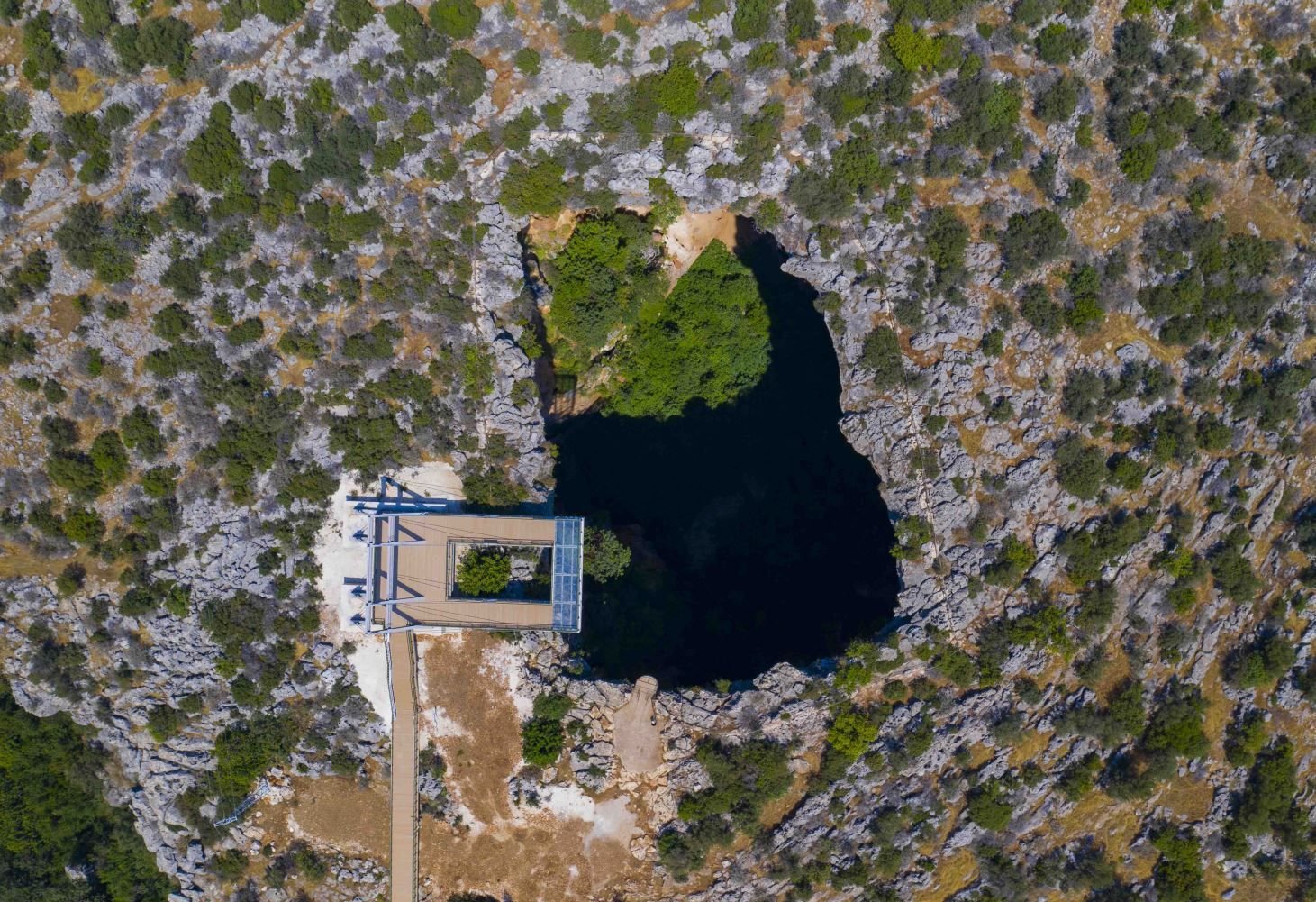
    Located in Mersin Province (historically İçel), southern Turkey, the Cehennem (Hell) Pit Cave is one of the most striking geological formations in the region. Situated approximately 63 km southwest of Mersin city center and about 22 km from Silifke, the pit lies only a short distance—around 75 meters east—from its famous counterpart, the Cennet (Paradise) Pit.

    Together, these two natural sinkholes form one of Turkey’s most fascinating karst landscapes, attracting geologists, nature lovers, and curious travelers alike.


    Geological Formation and Structure

    The Cehennem Pit was formed through a long and complex geological process that dates back to the Miocene period. It developed when an underground watercourse gradually eroded the surrounding limestone layers, weakening the structure above.

    Over time, the ceiling of a large subterranean cavity collapsed, creating a dramatic vertical shaft. Unlike typical caves formed by gradual hollowing, Cehennem Pit is the result of a sudden structural failure of the earth’s surface.

    The pit has an elliptical shape, measuring approximately 50 × 75 meters, and is notably steeper and more enclosed compared to the nearby Cennet Pit.


    Interior Characteristics

    Inside the pit, massive debris from the collapsed ceiling has accumulated at the base. This debris slopes downward from west to east at an approximate angle of 30 degrees, giving the interior a rugged and uneven appearance.

    The steep walls and deep vertical drop create a dramatic and somewhat intimidating atmosphere—one that explains the symbolic name “Cehennem,” meaning Hell in Turkish.


    Relationship with Cennet (Paradise) Pit

    Cehennem Pit is part of a dual natural formation system together with the nearby Cennet (Paradise) Pit. Both sinkholes were formed by the collapse of the roof of the same underground karst system.

    While Cehennem Pit is deep, steep, and inaccessible to visitors at its base, Cennet Pit is more open and allows partial descent via stairs leading to a large cave chamber.

    This contrast between the two formations inspired their names:

    • Cennet (Paradise) – open, green, and more accessible
    • Cehennem (Hell) – deep, dark, and steep

    Together, they represent a powerful natural metaphor and are among the most visited geological attractions in the Mersin region.


    Visitor Experience

    Although access to the bottom of Cehennem Pit is restricted due to its steep walls, visitors can view the formation from designated platforms above. The site is typically visited together with Cennet Pit, making it a popular half-day excursion from Silifke or Mersin.

    The surrounding landscape, with its Mediterranean vegetation and limestone formations, adds to the dramatic visual impact of the site.


    A Natural Contrast of Heaven and Hell

    The Cehennem Pit Cave is more than just a geological formation—it is part of a symbolic natural pair that reflects both the power and unpredictability of nature.

    Standing beside the nearby Cennet Pit, it offers one of the most unique landscape contrasts in Turkey: paradise and hell side by side, shaped by the same ancient underground forces.

  • Kaymakli Underground City – one of the largest underground settlements in the region

    Kaymakli Underground City – one of the largest underground settlements in the region

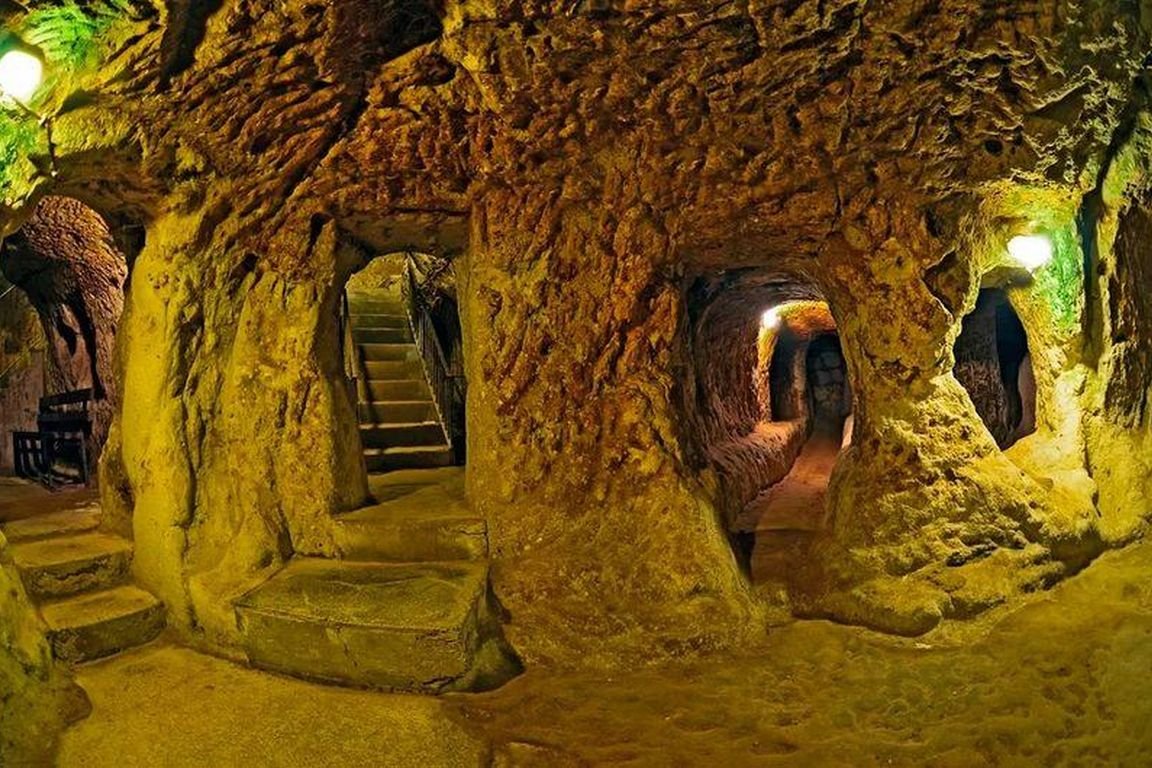
    Kaymakli Underground City is one of the largest and most fascinating underground settlements in Cappadocia. Located approximately 20 km south of Nevsehir and near the town of Kaymakli, this extraordinary subterranean city extends deep beneath the volcanic landscape of central Anatolia.

    Carved into soft volcanic tuff rock, Kaymakli served as a refuge for local populations during periods of invasion and religious persecution. Although eight levels have been identified, only four levels are currently open to visitors. The underground city could once accommodate thousands of people along with their livestock, food supplies, and valuables.


    History

    The earliest sections of Kaymaklı are believed to date back to the Hittite period, although the city was significantly expanded during the Byzantine era between the 6th and 10th centuries.

    Early Christians used the underground complex as a secure refuge from Arab raids and other threats. The interconnected chambers, tunnels, storage rooms, churches, ventilation shafts, and defensive systems allowed entire communities to survive underground for extended periods.

    Kaymakli is connected through a network of tunnels to other underground settlements in Cappadocia, illustrating the sophisticated defensive strategies developed by the region’s inhabitants.


    What to See

    Ventilation Shafts

    One of the engineering marvels of Kaymaklı is its extensive ventilation system. Deep vertical shafts provided fresh air to the underground levels and also served as water wells.

    Living Quarters

    Visitors can explore rooms that once served as homes, kitchens, communal areas, and workshops.

    Storage Rooms

    Large chambers were used to store grain, wine, oil, and other provisions, enabling residents to remain underground for months if necessary.

    Wine Cellars

    Cappadocia has a long wine-making tradition, and Kaymakli contains several underground wine production and storage areas.

    Stables

    Animals were housed in designated chambers near the upper levels, reducing the need for residents to surface frequently.

    Churches and Chapels

    Several religious spaces reveal the importance of Christianity in Cappadocia during the Byzantine period.

    Defensive Stone Doors

    Massive circular stone doors could be rolled into place to seal passages against intruders. These iconic doors remain among the most impressive features of the underground city.


    Things to Do

    • Explore the underground tunnels and chambers.
    • Learn about early Christian history in Cappadocia.
    • Photograph the unique architecture and engineering.
    • Join a guided archaeological tour.
    • Combine your visit with other underground cities.
    • Experience Cappadocia’s cultural heritage firsthand.

    Nearby Attractions

    Derinkuyu Underground City

    The deepest underground city in Cappadocia, descending approximately 85 meters below ground.

    Göreme Open Air Museum

    A UNESCO World Heritage Site featuring rock-cut churches and Byzantine frescoes.

    Avanos

    Famous for traditional pottery workshops and its location on the Kızılırmak River.

    Ürgüp

    Known for cave hotels, wineries, and historic architecture.

    Göreme

    The tourism hub of Cappadocia and departure point for hot-air balloon flights.

    Ihlara Valley

    A scenic canyon featuring hiking trails and rock-cut churches.


    Excursions and Tours

    Cappadocia Green Tour

    Typically includes:

    • Kaymakli Underground City
    • Ihlara Valley
    • Selime Monastery
    • Pigeon Valley

    Underground Cities Tour

    A full-day excursion visiting both Kaymakli and Derinkuyu, offering insight into Cappadocia’s remarkable subterranean civilization.

    Hot-Air Balloon Experience

    Many visitors combine an underground city visit with a sunrise balloon flight over Cappadocia’s fairy chimneys and valleys.


    Food & Drink Nearby

    After exploring underground, visitors can enjoy traditional Cappadocian cuisine in nearby towns.

    Popular local specialties include:

    • Testi Kebabı
    • Mantı
    • Gözleme
    • Lamb dishes
    • Local Cappadocian wines
    • Turkish tea and coffee

    Visitor Information

    Best Time to Visit

    • Spring (April–May): Mild temperatures and beautiful scenery.
    • Autumn (September–October): Pleasant weather and fewer crowds.
    • Summer: Busy tourist season but cool temperatures underground.
    • Winter: Quiet and atmospheric, often with snow-covered landscapes above ground.

    Visit Duration

    Allow approximately 1–2 hours to explore the accessible sections thoroughly.

    What to Bring

    • Comfortable walking shoes
    • Light jacket (temperatures underground remain cool)
    • Camera
    • Water

    Accessibility

    Some passages are narrow, steep, and low-ceilinged. Visitors with mobility issues or severe claustrophobia should consider this before entering.


    Why Visit Kaymakli?

    Kaymakli Underground City is one of Cappadocia’s most extraordinary archaeological treasures. It offers a rare opportunity to walk through a vast underground world where thousands of people once lived, worshipped, stored food, and protected themselves from danger. Combined with Cappadocia’s fairy chimneys, cave churches, and spectacular landscapes, a visit to Kaymakli provides an unforgettable journey into one of Turkey’s most remarkable historical regions.

  • Mevlana Museum, Mausoleum and Mevlevi Dervish Lodge, Konya, Turkiye

    The Mevlana Museum, also known as Mevlana Türbesi (Mausoleum of Rumi), is one of Turkey’s most important religious, cultural, and historical landmarks. Located in the heart of Konya, the complex houses the tomb of the renowned 13th-century Persian poet, Islamic scholar, philosopher, and Sufi mystic Mevlana Jalaluddin Rumi, whose teachings of love, tolerance, and spiritual unity continue to inspire millions of people around the world.

    Recognized by its magnificent turquoise-tiled Green Dome (Kubbe-i Hadra), the museum was originally built as a Mevlevi dervish lodge and became the spiritual center of the Mevlevi Order, widely known as the “Whirling Dervishes.” Today it is one of Turkey’s most visited museums, welcoming pilgrims, scholars, and travelers interested in Sufism, Islamic art, and Anatolian history.


    History

    The origins of the complex date back to 1230, when Bahaeddin Veled, the father of Mevlana and one of the most respected Islamic scholars of his time, passed away and was buried on this site.

    Following the death of Mevlana Jalaluddin Rumi on 17 December 1273, a magnificent mausoleum was commissioned by the Seljuk statesman Mu’in al-Din Pervane and his wife Gürcü Hatun (the Georgian Princess). Construction was carried out under the supervision of the architect Bedreddin of Tabriz, transforming the simple burial site into an elegant Seljuk monument.

    Over the following centuries, Ottoman sultans and benefactors expanded the complex with new buildings, including prayer halls, dervish quarters, libraries, kitchens, fountains, and ceremonial spaces. The site gradually evolved into the principal center of the Mevlevi Order.

    After the establishment of the Republic of Turkey and the closure of dervish lodges in 1925, the complex was converted into the Mevlana Museum, opening its doors to the public in 1927.


    The Green Dome (Kubbe-i Hadra)

    The most recognizable feature of the complex is the spectacular Green Dome, known in Turkish as Kubbe-i Hadra.

    Rising approximately 25 meters (82 feet) above the mausoleum, the dome rests on a sixteen-sided cylindrical drum topped by a sixteen-fluted conical roof. Both the drum and dome are covered with brilliant turquoise tiles that have become one of the defining symbols of Konya.

    The striking green-turquoise color gives the monument its distinctive appearance and has made it one of the most photographed landmarks in Turkey.


    The Mausoleum

    Inside the mausoleum lies the richly decorated wooden sarcophagus of Mevlana Jalaluddin Rumi, one of the finest surviving masterpieces of Seljuk wood craftsmanship.

    Beneath Mevlana’s elevated sarcophagus rests the simpler grave of his father, Bahaeddin Veled, in accordance with his wish that his son’s resting place should stand above his own.

    The mausoleum contains the tombs of approximately 65 members of Mevlana’s family, disciples, and important figures of the Mevlevi Order, making it one of the most significant Sufi burial sites in the Islamic world.

    The interior is adorned with exquisite examples of:

    • Ottoman calligraphy
    • Seljuk wood carving
    • Gold-leaf ornamentation
    • Painted floral decorations
    • Marble craftsmanship
    • Illuminated Qur’anic inscriptions

    The atmosphere inside the mausoleum is one of quiet reflection, attracting both pilgrims and visitors from across the globe.


    The Mevlevi Dervish Lodge

    The surrounding complex served for centuries as the headquarters of the Mevlevi Order.

    Its buildings include:

    • Dervish living quarters
    • Prayer rooms
    • Meditation spaces
    • A library
    • Kitchens
    • Guest accommodations
    • Courtyards
    • Ritual halls
    • Fountains
    • Gardens

    The architecture reflects both Seljuk elegance and later Ottoman additions, illustrating the continued importance of the complex over several centuries.


    The Semahane

    One of the most important buildings within the complex is the Semahane, the ceremonial hall where the famous Sema ceremony—the Whirling Dervishes’ ritual dance—was performed.

    The present structure was built during the reign of Sultan Süleyman the Magnificent in the 16th century.

    The Sema is a deeply symbolic act of worship in which dervishes rotate gracefully in white robes while accompanied by traditional Mevlevi music, representing the soul’s spiritual journey toward divine love and unity with God.

    Today, performances continue during special ceremonies and cultural events.


    Museum Collections

    The museum preserves one of Turkey’s richest collections of Islamic art and Mevlevi heritage.

    Among its treasures are:

    • Manuscripts of the Qur’an
    • Rare handwritten works
    • Mevlana’s personal belongings
    • Dervish clothing
    • Ceremonial hats (sikke)
    • Prayer beads
    • Illuminated manuscripts
    • Ottoman calligraphy
    • Musical instruments used during Sema ceremonies
    • Handwoven carpets and kilims
    • Wooden masterpieces
    • Metalwork
    • Historic textiles

    These collections provide valuable insight into the spiritual and artistic traditions of the Mevlevi Order.


    The Seb-i Arus Ceremony

    Each year, thousands of visitors gather in Konya between 7 and 17 December to commemorate the anniversary of Mevlana’s passing.

    Rather than mourning his death, followers celebrate it as Seb-i Arus, meaning “The Wedding Night” or “Night of Union.”

    According to Mevlana’s philosophy, death represents the reunion of the human soul with God rather than an ending.

    During the festival, visitors can experience:

    • Whirling Dervish ceremonies
    • Sufi music performances
    • Religious lectures
    • Poetry readings
    • Spiritual gatherings
    • Cultural exhibitions
    • Traditional Turkish arts

    The annual celebrations attract participants from all over the world.


    Architecture

    The Mevlana complex combines architectural elements from several historical periods.

    Visitors can admire:

    • Seljuk stone craftsmanship
    • Ottoman domes
    • Marble courtyards
    • Decorative arches
    • Wooden ceilings
    • Intricate tilework
    • Floral ornamentation
    • Arabic inscriptions
    • Elegant fountains
    • Peaceful gardens

    The harmonious blend of architecture reflects centuries of continuous devotion and artistic excellence.


    Spiritual Significance

    The Mevlana Museum is one of the most important centers of Sufism in the world.

    Rumi’s teachings emphasize:

    • Love
    • Compassion
    • Tolerance
    • Inner peace
    • Unity of humanity
    • Spiritual growth
    • Service to others

    His poetry has been translated into dozens of languages and continues to influence readers across cultures and religions.

    The complex remains an active place of remembrance where visitors of every faith are welcomed.


    Top Attractions

    Highlights of the Mevlana Museum include:

    • The Green Dome (Kubbe-i Hadra)
    • Mevlana Rumi’s tomb
    • The tomb of Bahaeddin Veled
    • The Semahane
    • Dervish cells
    • Museum galleries
    • Historic manuscripts
    • Ottoman calligraphy
    • Musical instrument collection
    • Courtyards and gardens
    • The Seb-i Arus Pool
    • Traditional fountains

    Things to Do

    • Visit the mausoleum of Mevlana Rumi.
    • Explore the museum’s remarkable collections.
    • Learn about Sufi philosophy and Mevlevi traditions.
    • Watch a Whirling Dervish (Sema) performance.
    • Admire Seljuk and Ottoman architecture.
    • Photograph the iconic Green Dome.
    • Browse the museum’s manuscript collections.
    • Visit during the Seb-i Arus Festival in December.
    • Explore Konya’s historic city center.
    • Reflect in the peaceful gardens and courtyards.

    Best Time to Visit

    The museum welcomes visitors throughout the year.

    Spring (April–June) and autumn (September–October) offer pleasant weather for sightseeing.

    The most spiritually significant time to visit is 7–17 December, during the Seb-i Arus commemorations, when Konya hosts special ceremonies honoring Mevlana’s life and teachings.


    Getting There

    The Mevlana Museum is located in the center of Konya and is easily accessible.

    By Air

    Konya Airport offers regular domestic flights and limited international connections.

    By High-Speed Train

    Fast train services connect Konya with Ankara, Eskişehir, and Istanbul.

    By Road

    Regular intercity buses serve Konya from all major Turkish cities.

    The museum is within walking distance of many hotels, restaurants, and other historical attractions in the city center.


    Nearby Attractions

    Visitors often combine the Mevlana Museum with other notable sites in Konya, including:

    • Alaeddin Hill and Alaeddin Mosque
    • Karatay Medrese (Tile Museum)
    • İnce Minare Medrese
    • Shams of Tabriz Mosque and Tomb
    • Konya Archaeological Museum
    • Tropical Butterfly Garden
    • Sille Ancient Village
    • Meram Gardens
    • Aziziye Mosque
    • Konya Panorama Museum

    Travel Tips

    • Dress modestly, as the mausoleum is a place of spiritual importance.
    • Speak quietly inside the tomb chamber to respect worshippers and pilgrims.
    • Allow at least two to three hours to explore the museum and its collections.
    • Audio guides or local guides provide valuable insights into Mevlana’s life and Sufi philosophy.
    • Visit early in the morning to enjoy a quieter atmosphere.
    • If possible, plan your trip during the Seb-i Arus Festival to witness the moving Whirling Dervish ceremonies and experience one of Turkey’s most meaningful cultural events.

    The Mevlana Museum is far more than an architectural monument—it is a timeless symbol of peace, spirituality, and the universal message of love that Mevlana Jalaluddin Rumi shared with the world more than seven centuries ago.