Category: Tourism

  • Are any vaccinations required for tourists entering Turkey

    vaccine

    There are no vaccination requirements for any international traveler. The World Health Organization web site, www.who.org, provides vaccination certificate requirements by country, geographic distributions of potential health hazards to travelers and information on health risks and their avoidance.

  • North Cyprus a Hidden Gem Destination in the Mediterranean

    Northern Cyprus is one of the Mediterranean’s best-kept secrets. Blessed with crystal-clear waters, dramatic mountain landscapes, ancient castles, charming villages, and centuries of fascinating history, it offers travelers an authentic escape from the crowds found in many of the region’s better-known destinations.

    From the picturesque harbor of Girne to the unspoiled beaches of the Karpas Peninsula, every corner of Northern Cyprus reveals a unique blend of natural beauty, cultural diversity, and warm hospitality.

    Sunset at Girne Harbour

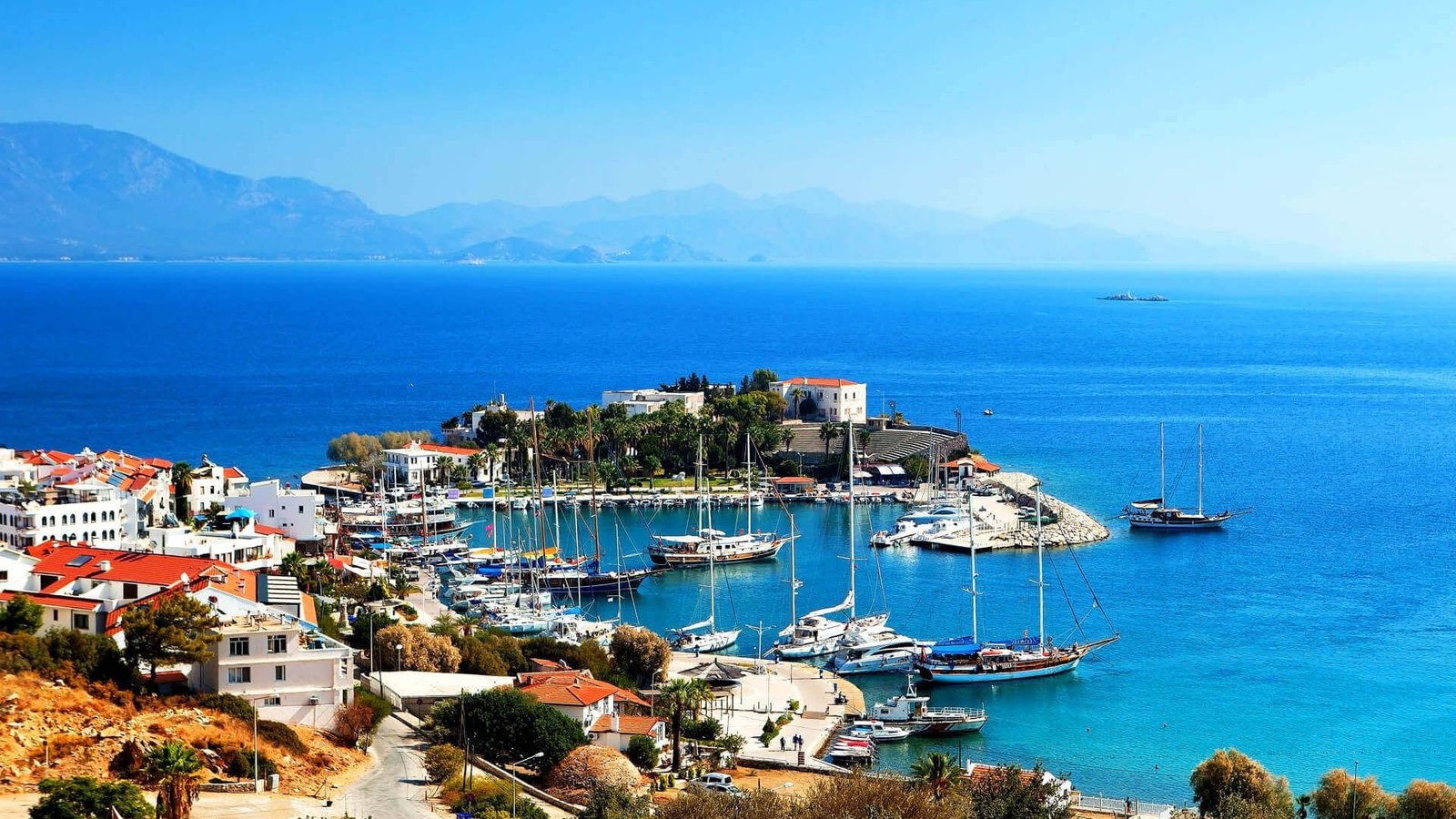
    As evening descends over Girne (Kyrenia), the harbor transforms into one of the island’s most enchanting scenes. Fishing boats and elegant yachts gently sway on the calm Mediterranean waters while cafés and restaurants light their terraces with candles that shimmer across the sea.

    Dominating the waterfront is the magnificent Girne Castle, whose imposing stone walls glow warmly beneath the setting sun. Watching daylight slowly fade over the harbor is one of those unforgettable travel moments that captures the peaceful spirit of Northern Cyprus.

    A Land of Fragrance and Tranquility

    Northern Cyprus delights not only through its landscapes but also through its atmosphere.

    The fragrance of blooming gardens drifts through the narrow streets of Girne, where traditional houses with blue shutters overlook quiet lanes. Orange groves perfume the countryside around Güzelyurt, while cool mountain breezes carry the scent of pine forests across the Beşparmak Mountains.

    Along the rugged coastline of the Karpas Peninsula, the salty Mediterranean air mingles with the aromas of wild herbs and flowers, creating an unforgettable sensory experience that lingers long after your journey ends.

    Exploring the Island by Road

    One of the best ways to discover Northern Cyprus is by renting a car or a four-wheel-drive vehicle and exploring at your own pace. The island’s compact size makes it easy to combine coastal resorts, mountain villages, archaeological sites, and scenic countryside in a single itinerary.

    Each region has its own distinctive character, rewarding travelers with hidden beaches, panoramic viewpoints, and traditional villages that have changed little over generations.

    Girne – The Jewel of the North Coast

    Girne is Northern Cyprus’s most popular holiday destination. Its attractive marina, luxury hotels, lively cafés, casinos, and beautiful beaches attract visitors throughout the year.

    The heart of the town is its historic harbor, lined with waterfront restaurants where fresh seafood and traditional Cypriot cuisine can be enjoyed while overlooking colorful fishing boats.

    Towering above the harbor is the impressive Girne Castle, one of the best-preserved medieval fortresses in the eastern Mediterranean. Within its walls are fascinating museums, archaeological exhibits, and panoramic views over the harbor and surrounding coastline.

    The Castles of the Beşparmak Mountains

    The Beşparmak (Kyrenia) Mountains are crowned by three spectacular medieval castles that once protected the island from invading armies.

    Saint Hilarion Castle, perched dramatically on a mountain peak, is widely believed to have inspired fairy-tale castles with its towers, terraces, and breathtaking views.

    Buffavento Castle, the highest fortress on the island, rewards adventurous hikers with magnificent panoramas stretching across the Mediterranean.

    Further east stands Kantara Castle, strategically positioned to guard the narrow Karpas Peninsula and offering sweeping views of both the northern and southern coastlines.

    Together, these castles provide some of the finest hiking and photography opportunities in Northern Cyprus.

    Charming Traditional Villages

    Away from the coast, visitors discover peaceful villages where life moves at a slower pace.

    Karmi is renowned for its beautifully restored whitewashed houses, colorful bougainvillea, stone lanes, and spectacular mountain setting. The village has become home to an international community while preserving its traditional Cypriot charm.

    Near Güzelyurt lies Koruçam, one of the island’s historic Maronite villages. Here, visitors encounter a rich cultural heritage reflected in traditional homes, churches, and local customs that have survived for centuries.

    Taste the Flavors of Northern Cyprus

    The island’s cuisine is another highlight of any visit.

    Traditional restaurants serve generous meze platters followed by locally produced hellim (halloumi) cheese, grilled meats, village salads, homemade bread, olives, tahini, pickled wild herbs, and slow-roasted lamb prepared using age-old techniques.

    Fresh seafood is plentiful along the coast, while locally produced wines and traditional desserts complete an authentic Cypriot dining experience.

    Hospitality is central to local culture, and visitors are often welcomed as honored guests rather than tourists.

    Lefkoşa – A Capital Divided by History

    Lefkoşa (Nicosia) is the world’s last divided capital, where history unfolds along ancient streets lined with Ottoman mansions, Gothic churches, Venetian fortifications, and bustling markets.

    Walking through districts such as Arabahmet and Selimiye reveals beautifully restored buildings featuring wooden balconies, stone façades, and traditional courtyards.

    The magnificent Selimiye Mosque, originally built as the Gothic Cathedral of Saint Sophia during the 13th and 14th centuries, remains one of the city’s architectural masterpieces and symbolizes the island’s rich multicultural heritage.

    Gazimağusa – A Living Museum

    The historic city of Gazimağusa (Famagusta) is one of Northern Cyprus’s greatest cultural treasures.

    Its impressive Venetian walls surround a remarkable collection of medieval churches, mosques, palaces, and historic streets. The stunning Lala Mustafa Paşa Mosque, originally constructed as the Cathedral of Saint Nicholas, stands as one of the finest examples of Gothic architecture in the eastern Mediterranean.

    Nearby are the remarkable ruins of ancient Salamis, once one of the island’s most prosperous classical cities. Visitors can also explore the Monastery of Saint Barnabas and the legendary Othello Castle, traditionally associated with William Shakespeare’s famous tragedy.

    The Untouched Karpas Peninsula

    The journey east culminates on the spectacular Karpas Peninsula, one of the Mediterranean’s last truly unspoiled coastal regions.

    Golden sandy beaches stretch for kilometers, interrupted only by rocky coves and crystal-clear turquoise waters. Traditional villages, grazing wild donkeys, rolling wheat fields, and secluded monasteries create an atmosphere far removed from modern mass tourism.

    At the peninsula’s eastern tip, visitors are rewarded with breathtaking views where land meets sea in complete tranquility—a fitting conclusion to an unforgettable journey across Northern Cyprus.

    A Destination Unlike Any Other

    Northern Cyprus is much more than a beach destination. It is a land where medieval castles overlook sparkling seas, ancient civilizations have left remarkable monuments, and timeless villages preserve traditions that have endured for centuries.

    Whether exploring mountain fortresses, wandering through historic towns, relaxing on secluded beaches, or enjoying the island’s renowned hospitality and cuisine, visitors quickly discover why Northern Cyprus remains one of the Mediterranean’s most rewarding hidden destinations.

  • Do I Need a Visa to Visit Turkey?

    Turkey Visa Requirements for International Travelers

    Before traveling to Turkey, every visitor must carry a valid passport or other accepted travel document that meets Turkey’s entry requirements. Passport validity requirements vary depending on nationality, but in general, travelers should ensure that their passport remains valid for at least six months beyond the date of arrival.

    Whether you need a visa depends on your nationality, the purpose of your visit, and the length of your stay. Turkey maintains different visa agreements with countries around the world, meaning entry requirements are not the same for every traveler.

    Visa-Free Travel

    Citizens of many countries can enter Turkey without obtaining a visa for short stays related to tourism or business. The permitted length of stay varies by nationality, so travelers should always verify the latest requirements before departure.

    Visa-free visitors must still comply with Turkey’s immigration regulations, including passport validity requirements and any limits on the duration of their stay.

    Turkey’s Electronic Visa (e-Visa)

    Turkey operates an efficient Electronic Visa (e-Visa) system that allows eligible travelers to apply online before their trip. The e-Visa is available for tourism and business travel and can usually be obtained within minutes through the official government website.

    The application process typically requires:

    • A valid passport.
    • Personal and travel information.
    • Payment of the applicable visa fee.
    • An email address to receive the approved e-Visa.

    Eligibility, visa validity, and permitted length of stay vary according to the applicant’s nationality. Some nationalities may also need to meet additional requirements or provide supporting documents.

    Embassy or Consulate Visas

    Travelers who are not eligible for visa-free entry or an e-Visa must apply for a visa through a Turkish embassy or consulate before traveling.

    This generally applies to visitors traveling for purposes such as:

    • Employment
    • Study
    • Research
    • Long-term residence
    • Family reunification
    • Other non-tourism activities

    Visa applications submitted through Turkish diplomatic missions may require supporting documents, interviews, and additional processing time. Applicants are therefore advised to apply well in advance of their planned departure.

    Transit Through Turkey

    Passengers transiting through Turkey without passing through immigration or leaving the international transit area generally do not require a Turkish visa. However, travelers who intend to leave the airport during a layover may need a visa, depending on their nationality and the applicable entry regulations.

    Important Travel Advice

    Visa regulations can change as Turkey updates its immigration policies and bilateral agreements with other countries. Travelers should always confirm the latest entry requirements before booking flights or departing for Turkey.

    The easiest way to determine whether you need a visa is by checking the official Turkish government visa portal or contacting the nearest Turkish embassy or consulate.

    Official Resources

    For the latest visa information and eligibility requirements, visit:

    Checking these official sources before traveling will help ensure that you have the correct documentation and can enjoy a smooth arrival in Turkey.

  • Tourism in Turkey

    Another considerably large sector of the Turkish economy is tourism. As a country of uniquely beautiful natural assets and vast historical treasures, Turkey constitutes a perfect center for touristy activities. There exists every kind of opportunity for every type of holiday maker, due to the richness of the land with respect to its geographical and climatic characteristics granted by nature. With its enormously diverse natural figures, ranging from high mountains to extensive coasts, from wide green forests to broad lakes, this country possesses great resources in the field of tourism.

    Consequently, investments in modern and large capacity touristy establishments, are being made to put this potential into good use. Hotels, motels and holiday villages of high standards, offer services in all touristy areas with their high quality facilities.

    The establishment of an infrastructure for the training of qualified tourism personnel constitutes another investment area, and training programs are carried out at the newly established tourism centers serving this purpose and increasing the number of professional personnel.

    As a result of all these processes, Turkey has achieved the goal of providing the high level services suitable to the needs and wishes of foreign tourists. With the promotion policies being pursued and further arrangements in the sector, tourism will continue to rapidly increase its share in the Turkish economy.

  • Did You Know That…?

    A country of sun and history, Turkey straddles the point where Europe and Asia meet. It is located where the three continents making up the old world, Asia, Africa and Europe, are closest to one another.
    Because of its geographical location, the mainland, Anatolia, has witnessed the mass migration of diverse peoples shaping the course of history. Home to countless civilizations, Anatolia has developed a unique blend of cultures—each with its own distinct identity, each linked to its predecessors through history.
    As an ancient land and modern nation, Turkey today holds and protects the common past of all people.
    Fascinating Facts Illustrating Turkey’s Rich Heritage
    Istanbul is the only city in the world located on two continents – Europe and Asia. During its 25,000-year history, it has been the capital of the Roman, Byzantine, and Ottoman Empires.
    Two of the Seven Wonders of the Ancient World stood in Turkey – the Temple of Artemis at Ephesus and the Mausoleum at Halicarnassus, Bodrum.
    St. Nicholas, known as Santa Claus today, was born and lived in Demre (Myra) on Turkey’s Mediterranean coast. The village contains the famous Church of St. Nicholas, which contains the sarcophagus believed to be his tomb.
    The first man ever to fly was Turkish. Using two wings, Hezarfen Ahmet Celebi flew from the Galata Tower over the Bosphorus to land in Usküdar in the 17th century.
    Many archeologists and biblical scholars believe Noah’s Ark landed on Agri Dagi (Mount Ararat) in eastern Turkey.
    The famous Trojan War took place in western Turkey, around the site where a wooden statue of the Trojan Horse rests today.
    Turks introduced coffee to Europe.
    According to Turkish tradition, a stranger at one’s doorstep is considered “a guest from God,” and should be accommodated accordingly.
    Julius Caesar issued his celebrated proclamation, Veni, Vidi, Vici (“I came, I saw, I conquered”), in Turkey upon defeating the Pontus, a formidable kingdom in the Black Sea region of Turkey.
    Alexander the Great conquered a large territory in what is now Turkey, and also cut the Gordion Knot in the
    Phrygian capital (Gordium), not far from Turkey’s present-day capital (Ankara).
    Aesop – famous all over the world for his fables and parables – was born in Anatolia.
    Homer was born in Izmir on the west coast of Turkey. He depicted Troy in his epic Iliad.
    Part of Turkey’s southwestern shore was a wedding gift from Marc Antony to Cleopatra.
    The number of archaeological excavations going on in Turkey every year is at least 150.
    Writing was first used by people in ancient Anatolia. The first clay tablets – in the ruins of Assyrian Karum (a merchant colony) – date back to 1950 B.C.
    The last home of the Virgin Mary is in Selçuk, Turkey.
    Leonardo da Vinci drew designs for a bridge over the Bosphorus, the strait that flows through Europe and Asia. (Although da Vinci’s bridge was never built, there are now two bridges over the Bosphorus.)
    In 1492, Sultan Beyazýd II, after learning about the expulsion of Jews, dispatched the Ottoman Navy to bring them safely to the Ottoman lands.
    Likewise, Jews expelled from Hungary in 1376, from Sicily early in the 15th century, from Bavaria in 1470, from Bohemia in 1542, and from Russia in 1881, 1891, 1897, and 1903 all took refuge in the Ottoman Empire.
    As was the case during the Bolshevik revolution, Turkey served as a safe passage and haven for those fleeing their native countries during World War II.
    Turkey was one of the few countries in the world to welcome Jewish refugees escaping the horrors of Nazism. During the Gulf War in 1991, Turkey welcomed nearly half a million Kurds from Northern Iraq. The Kurds were fleeing the danger posed by Saddam Hussein’s regime.
    Turkey provided homes for some 313,000 Bulgarian refugees of Turkish origin when they were expelled from their homelands in Bulgaria in 1989.