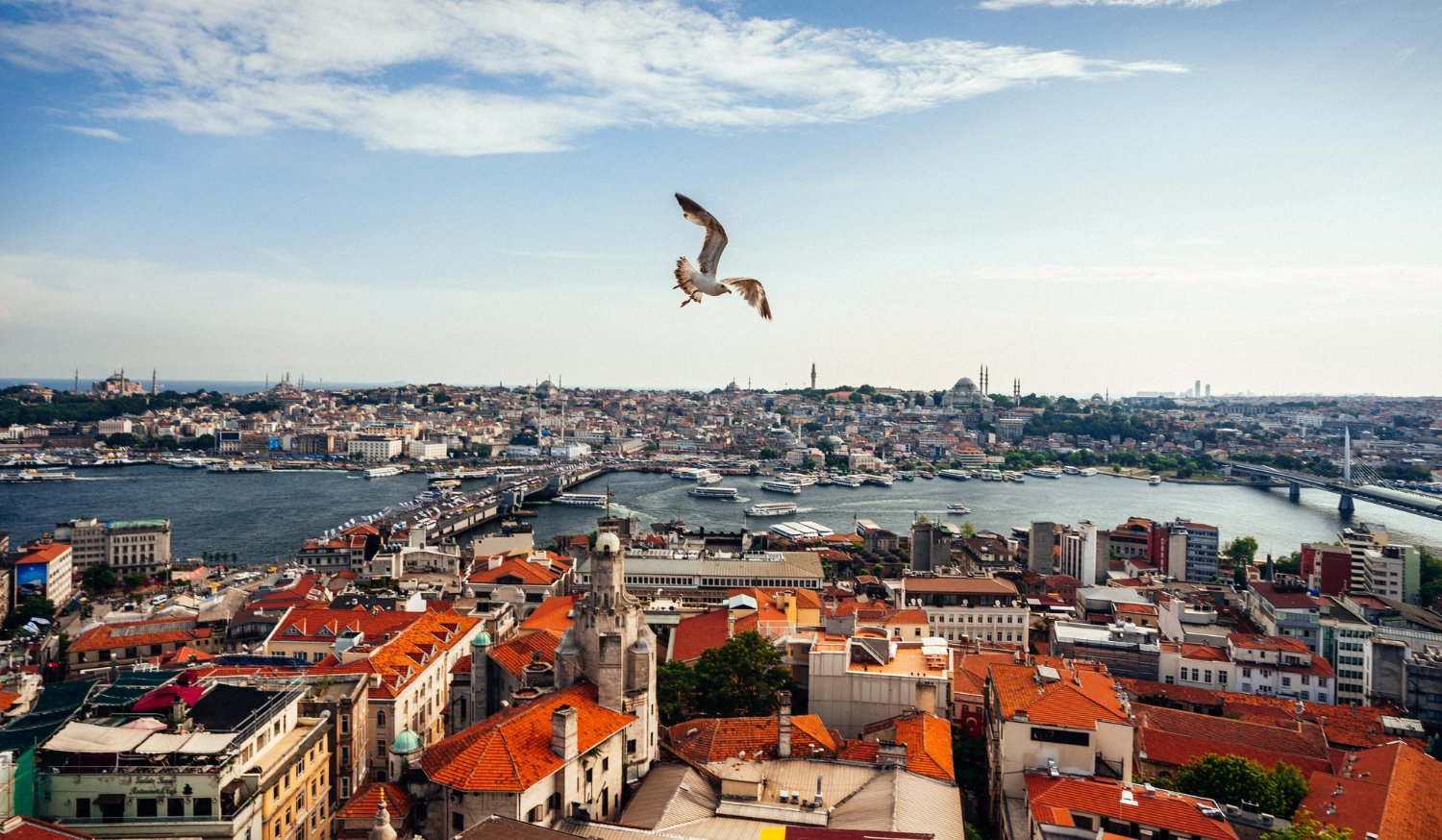
While Istanbul’s European Side is famous for its imperial monuments and bustling tourist attractions, the city’s Asian (Anatolian) Side offers a slower pace, authentic neighborhoods, and a glimpse into everyday local life. Stretching along the eastern shores of the Bosphorus and the Sea of Marmara, this part of Istanbul combines waterfront promenades, vibrant markets, elegant Ottoman architecture, and some of the city’s best cafés and restaurants.
Many visitors are surprised by the relaxed atmosphere, green parks, and welcoming communities that make the Asian Side an excellent destination for those wishing to experience Istanbul beyond its most famous landmarks.
Crossing the Bosphorus
One of the highlights of visiting the Asian Side is simply getting there. Public ferries regularly depart from European terminals such as Eminönü, Karaköy, Beşiktaş, and Kabataş, providing a scenic journey across the Bosphorus in approximately 20 to 30 minutes.
As the ferry glides between two continents, passengers enjoy magnificent views of Istanbul’s skyline, historic mosques, waterfront palaces, and the Bosphorus Bridge. The short voyage is considered one of the city’s most memorable and affordable sightseeing experiences.
Kadıköy – Istanbul’s Creative and Cultural Hub
Kadıköy is the cultural heart of the Asian Side and one of Istanbul’s most vibrant neighborhoods. Popular with artists, students, and young professionals, it offers a lively mix of traditional markets, modern cafés, independent bookstores, music venues, and colorful streets decorated with impressive murals.
The historic Kadıköy Market is a paradise for food lovers, featuring fresh seafood, seasonal produce, artisan cheeses, spices, olives, pastries, and traditional Turkish delicacies. The surrounding streets are filled with bakeries, boutique restaurants, and specialty coffee shops that reflect the neighborhood’s creative character.
From the town center, visitors can ride the nostalgic heritage tram to the charming seaside district of Moda.
Moda – A Relaxed Coastal Escape
Moda is one of Istanbul’s most beloved residential neighborhoods, known for its peaceful atmosphere, leafy streets, and beautiful coastline overlooking the Sea of Marmara.
Visitors can spend hours exploring antique shops, independent boutiques, artisan cafés, and waterfront tea gardens before relaxing in Moda Park or enjoying a leisurely walk along the coastal promenade. The neighborhood is especially popular during sunset, when locals gather to watch the changing colors over the sea while enjoying tea or traditional Turkish snacks.
Moda offers an excellent contrast to the busy tourist districts on the European Side, making it ideal for travelers seeking a quieter side of Istanbul.
Üsküdar – History Beside the Bosphorus
Located directly opposite the Historic Peninsula, Üsküdar is one of Istanbul’s oldest districts and has served as an important gateway between Europe and Asia for centuries.
Its waterfront promenade offers spectacular panoramic views of the city’s skyline, particularly during sunset when the domes and minarets of the European Side are beautifully illuminated.
Just offshore stands the famous Maiden’s Tower (Kız Kulesi), one of Istanbul’s most recognizable landmarks. Surrounded by legends and centuries of history, the small tower has served as a lighthouse, customs station, defensive fortress, and observation point throughout its long history.
Üsküdar is also home to numerous Ottoman-era mosques, lively local markets, traditional tea gardens, and peaceful squares where visitors can experience the rhythm of everyday Istanbul.
Bağdat Avenue – Shopping and Fine Dining
For luxury shopping and modern city life, Bağdat Avenue (Bağdat Caddesi) is one of Istanbul’s premier destinations. Stretching for approximately 14 kilometers through several upscale neighborhoods, this elegant boulevard is lined with international fashion brands, designer boutiques, stylish cafés, gourmet restaurants, and fashionable shopping centers.
The avenue is especially lively during weekends, when residents gather for shopping, outdoor dining, cycling, and evening strolls beneath its tree-lined streets.
Historic Palaces and Ottoman Heritage
The Asian Side is also home to remarkable examples of Ottoman architecture.
Among the most impressive is Beylerbeyi Palace, an elegant 19th-century summer residence of the Ottoman sultans. Situated directly beside the Bosphorus, the palace features beautifully decorated reception halls, crystal chandeliers, richly furnished rooms, and landscaped gardens overlooking the water.
Nearby, the graceful Şemsi Paşa Mosque, designed by the renowned Ottoman architect Mimar Sinan, stands peacefully along the waterfront. Despite its relatively modest size, it is admired for its elegant proportions and exceptional location beside the Bosphorus.
Getting Around the Asian Side
Transportation throughout Istanbul’s Asian Side is convenient and well integrated with the city’s public transit network.
Public ferries remain the most enjoyable option, linking Kadıköy and Üsküdar with major European terminals including Eminönü, Karaköy, Beşiktaş, and Kabataş. In addition to being affordable, ferry journeys provide some of the finest panoramic views in the city.
For faster travel, the Marmaray railway passes beneath the Bosphorus through an underwater tunnel, connecting the European and Asian sides in just a few minutes. Stations such as Üsküdar and Ayrılık Çeşmesi offer convenient access to many neighborhoods and allow seamless transfers to metro and suburban rail services.
An extensive network of buses, metro lines, taxis, and shared minibuses (dolmuş) also makes exploring the Asian Side simple and efficient.
Travel Tips
Take a ferry at sunset for some of the most spectacular views of Istanbul’s skyline.
Explore Kadıköy on foot to fully appreciate its street art, local markets, and independent cafés.
Visit Moda during weekdays for a quieter atmosphere and relaxed seaside walks.
Allow time to enjoy traditional Turkish breakfast or fresh seafood at one of the waterfront restaurants.
Use an Istanbulkart for convenient travel on ferries, metro lines, buses, trams, and Marmaray trains.
Why Visit Istanbul’s Asian Side?
Istanbul’s Asian Side offers visitors a refreshing perspective on the city. Rich in local culture, waterfront scenery, historic landmarks, and contemporary lifestyle, it provides an authentic experience that complements the grandeur of the European Side.
Whether you are wandering through the bustling streets of Kadıköy, watching the sunset from Üsküdar, shopping along Bağdat Avenue, or crossing the Bosphorus by ferry, the Asian Side reveals a quieter, more intimate side of Istanbul that rewards travelers looking beyond the city’s traditional tourist routes.
Turkey has a highly strategic maritime network, supported by several major shipping ports that play a vital role in global trade. Positioned between Europe, Asia, and the Middle East, the country serves as an important logistics bridge for international sea transportation. Its leading ports handle large volumes of containers, bulk cargo, general cargo, Ro-Ro (Roll-on/Roll-off) traffic, and energy shipments.
Turkey’s major ports are distributed across its four main coastal regions: the Marmara, Mediterranean, Aegean, and Black Sea coasts.
Marmara Region (Istanbul and Surroundings)
Ambarlı Port Complex
Located in the Beylikdüzü district of Istanbul, the Ambarlı Port Complex is the largest container-handling port in Turkey. It serves as a key gateway for the industrial Marmara region and plays a crucial role in both European and Black Sea maritime trade routes. The port specializes in container operations and high-volume cargo handling.
Haydarpaşa Port
Situated on the southern entrance of the Bosphorus in Istanbul, Haydarpaşa Port is one of the country’s most historic maritime hubs. It continues to operate as an important center for Ro-Ro traffic, general cargo, and container shipping, benefiting from its strategic urban location.
Derince Port
Located on the Gulf of İzmit, Derince Port is an important logistics point for container shipping, Ro-Ro services, and heavy cargo transportation. It supports the industrial regions surrounding the Marmara Sea.
Mediterranean Region
Mersin Port
Mersin Port is one of Turkey’s largest and most significant maritime facilities. Located on the southeastern Mediterranean coast, it functions as a major international trade hub. It is particularly important for exporting agricultural products, industrial goods, and handling large-scale container traffic.
İskenderun Port
Situated in Hatay Province, İskenderun Port plays a key role in handling bulk cargo, general cargo, and container shipments. It is especially important for steel, construction materials, and regional industrial exports.
Aegean Region
İzmir Port (Alsancak and Aliağa Terminals)
İzmir Port is a major gateway for the Aegean region, consisting of Alsancak Port and the industrial terminals in Aliağa. It supports a wide range of operations including container shipping, Ro-Ro services, dry cargo, and liquid bulk handling. The port system is essential for both imports and exports in western Turkey.
Black Sea Region
Samsun Port
Samsun Port is the largest port on Turkey’s Black Sea coast. It handles a wide variety of cargo including containers, dry bulk, and general cargo. Its strategic position makes it an important connection point for trade with Black Sea and inland regions.
Trabzon Port
Trabzon Port has long been a historically significant trading hub. It serves as a gateway between Turkey, the Caucasus, and Central Asia, handling general cargo and supporting regional maritime trade.
Turkey’s port network forms a crucial part of its economic infrastructure and global trade strategy. With strong maritime access across four seas, these ports collectively enhance the country’s position as a major logistics and transportation hub between continents.
Istanbul’s European Side is where the city’s remarkable past meets its dynamic present. Home to magnificent imperial monuments, bustling markets, stylish neighborhoods, and vibrant nightlife, this part of the city offers an unforgettable experience for every traveler. Divided by the historic Golden Horn, the European Side encompasses both the ancient heart of Constantinople and the cosmopolitan districts that define modern Istanbul.
Whether you are exploring centuries-old palaces, browsing traditional bazaars, dining at waterfront restaurants, or enjoying panoramic Bosphorus views, Istanbul’s European Side provides an ideal introduction to one of the world’s most fascinating cities.
The Historic Peninsula
South of the Golden Horn lies the Historic Peninsula, a UNESCO World Heritage Site that served as the capital of the Byzantine and Ottoman Empires for more than 1,500 years. This compact area is filled with architectural masterpieces, archaeological treasures, and cultural landmarks that attract millions of visitors each year.
Its narrow streets reveal layers of history, where Roman, Byzantine, and Ottoman monuments stand within walking distance of one another. The district is perfect for travelers who want to experience Istanbul’s rich heritage while exploring on foot.
Sultanahmet – The Heart of Historic Istanbul
Sultanahmet is the city’s most famous historic district and the starting point for many visitors. Here, some of Turkey’s most iconic landmarks stand side by side.
Visitors can admire the magnificent Hagia Sophia, once the world’s largest cathedral before becoming an imperial mosque and today one of Istanbul’s most celebrated monuments. Nearby, the elegant Blue Mosque captivates visitors with its six minarets and breathtaking blue İznik tilework.
Topkapı Palace, the residence of Ottoman sultans for nearly four centuries, offers fascinating museums, lavish courtyards, sacred relics, and spectacular views across the Bosphorus. Other highlights include the ancient Hippodrome, the mysterious Basilica Cistern, and the Archaeological Museums, making Sultanahmet an essential destination for history enthusiasts.
Eminönü and Fatih – Traditional Markets and Local Life
Just west of Sultanahmet, Eminönü and Fatih showcase Istanbul’s commercial traditions and authentic local atmosphere. These lively districts have been important trading centers since Ottoman times and continue to attract visitors with their colorful markets and historic streets.
The Grand Bazaar remains one of the world’s oldest and largest covered markets, offering thousands of shops selling handmade carpets, ceramics, jewelry, leather goods, antiques, textiles, and souvenirs.
A short walk away, the Spice Bazaar fills the air with the aromas of saffron, cinnamon, Turkish tea, dried fruits, herbs, and traditional Turkish delights. Exploring these historic marketplaces is an experience that combines shopping with centuries of living history.
The waterfront around Eminönü is equally vibrant, where locals and visitors gather to enjoy fresh seafood, take ferry rides, or admire the constant movement of boats crossing the Bosphorus.
Karaköy and Galata – Where History Meets Contemporary Culture
Across the historic Galata Bridge lies Karaköy, one of Istanbul’s most fashionable neighborhoods. Once a busy commercial port, it has transformed into a lively district filled with boutique cafés, contemporary art galleries, stylish restaurants, and creative spaces.
One of the area’s greatest landmarks is the medieval Galata Tower, which rewards visitors with breathtaking panoramic views of Istanbul’s skyline, the Bosphorus, and the Golden Horn.
Nearby, Istanbul Modern showcases Turkish and international contemporary art, while the surrounding streets are perfect for discovering independent boutiques, artisan coffee shops, and vibrant street art.
Karaköy’s waterfront also serves as a gateway for Bosphorus cruises and ferry services, making it an excellent base for sightseeing.
Taksim and Beyoğlu – Modern Istanbul
North of the Golden Horn, Taksim and Beyoğlu represent the cultural and entertainment center of modern Istanbul. This energetic district combines historic architecture with contemporary shopping, nightlife, music, and international cuisine.
Istiklal Avenue stretches for nearly 1.5 kilometers and is one of the city’s busiest pedestrian streets. Lined with historic buildings, elegant arcades, bookstores, theaters, boutiques, restaurants, and cafés, it offers a lively atmosphere throughout the day and well into the evening.
The nostalgic red tram that travels along the avenue has become one of Istanbul’s most recognizable symbols. At its northern end, Taksim Square serves as a major transportation hub and gathering place for both residents and visitors.
Getting Around Istanbul’s European Side
The European Side is served by one of Turkey’s most extensive public transportation networks, making it easy to explore the city’s diverse neighborhoods.
The Istanbul Metro is the fastest option for avoiding heavy traffic. The M2 Metro Line connects Yenikapı with Taksim, Şişli, Levent, and other important commercial districts, providing quick access across much of the European Side.
For tourists, the T1 Tram Line is especially convenient. It links many of Istanbul’s most visited attractions, including Sultanahmet, Eminönü, Sirkeci, Karaköy, and Kabataş, allowing visitors to travel comfortably between historic sites and the waterfront.
Ferries remain one of the city’s most enjoyable forms of transportation. Regular services depart from Eminönü, Karaköy, and Kabataş, connecting the European Side with Kadıköy, Üsküdar, and other destinations on the Asian Side. A Bosphorus cruise is also highly recommended, offering unforgettable views of palaces, mosques, waterfront mansions, and the city’s famous skyline.
For those traveling between Karaköy and Beyoğlu, the historic Tünel funicular provides one of the world’s oldest underground rail journeys while conveniently bypassing the neighborhood’s steep hillside streets.
Travel Tips
Purchase an Istanbulkart for affordable travel on metros, trams, buses, ferries, and funiculars.
Start sightseeing early in Sultanahmet to avoid the largest crowds at major attractions.
Wear comfortable walking shoes, as many historic streets feature cobblestones and steep inclines.
Visit local cafés and rooftop terraces to enjoy spectacular views of the Bosphorus and the city’s historic skyline.
Allow time to explore neighborhoods beyond the main tourist attractions, where authentic local culture, traditional bakeries, and hidden courtyards provide memorable experiences.
Why Visit Istanbul’s European Side?
Istanbul’s European Side offers an extraordinary blend of history, architecture, culture, shopping, and modern urban life. From the magnificent monuments of the Historic Peninsula to the artistic streets of Karaköy and the lively atmosphere of Taksim, every district reveals a different chapter of Istanbul’s story.
Whether you are visiting for a weekend or planning a longer stay, the European Side provides endless opportunities to discover the unique character of a city that has connected Europe and Asia for centuries.
Türkiye has emerged as one of the most attractive investment destinations connecting Europe, Asia, and the Middle East. With its strategic geographic location, dynamic economy, modern infrastructure, and business-friendly investment climate, the country offers exceptional opportunities for entrepreneurs, multinational corporations, startups, and international investors.
The Turkish government actively encourages foreign direct investment (FDI) through transparent legislation, investment incentives, and simplified company registration procedures. Foreign investors enjoy the same legal rights and protections as Turkish citizens, making Türkiye an appealing destination for establishing or expanding a business.
Whether you are planning to launch a small trading company, establish a manufacturing facility, invest in technology, or enter the tourism sector, understanding the legal framework and business environment is essential for long-term success.
Why Invest in Türkiye?
Türkiye’s unique position at the crossroads of Europe, Asia, and Africa provides direct access to markets of more than 1.5 billion consumers within a four-hour flight radius. This strategic location makes the country an ideal regional headquarters for companies engaged in international trade and logistics.
Some of the key advantages include:
A population of over 85 million people with a young and skilled workforce.
A diversified economy supported by manufacturing, agriculture, tourism, finance, technology, and logistics.
Customs Union with the European Union for industrial goods.
Modern transportation infrastructure, including international airports, ports, highways, and rail networks.
Competitive labor and operational costs compared with many European countries.
A rapidly growing startup and innovation ecosystem.
Equal treatment for domestic and foreign investors under Turkish law.
Foreign Investment Regulations
Türkiye’s Foreign Direct Investment Law provides a liberal investment environment that allows foreign individuals and companies to invest with confidence.
Foreign investors generally enjoy the same rights and obligations as Turkish citizens, including:
100% foreign ownership of companies in most sectors.
Freedom to transfer profits, dividends, and capital abroad, subject to applicable regulations.
Protection against nationalization except under extraordinary legal circumstances.
Access to international arbitration under certain investment agreements.
Equal access to investment incentives and government support programs.
Most sectors are fully open to foreign investment, although a limited number of strategic industries may require additional licenses or approvals.
Choosing the Right Business Structure
Selecting the appropriate legal entity is one of the first decisions an investor must make.
Limited Liability Company (Ltd. Şti.)
The Limited Liability Company (LLC) is the most common business structure for small and medium-sized enterprises. It offers a relatively simple incorporation process, limited liability for shareholders, and flexible management.
Typical characteristics include:
Minimum capital requirement of TRY 50,000.
One or more shareholders.
Liability limited to the company’s capital.
Suitable for trading, consulting, tourism, services, and manufacturing businesses.
Joint Stock Company (A.Ş.)
The Joint Stock Company is generally preferred by larger businesses, international corporations, and companies planning to raise capital or attract investors.
Advantages include:
Greater flexibility for future expansion.
Easier transfer of shares.
More suitable for public offerings.
Often preferred by international investors and holding companies.
Company Registration Process
Türkiye has significantly simplified business registration through its centralized Trade Registry system. In many cases, a company can be incorporated within a single business day once all required documentation has been prepared.
The typical incorporation process includes:
Choosing the company name and business activity.
Preparing the Articles of Association.
Obtaining a potential Tax Identification Number for foreign shareholders.
Opening a temporary bank account, if required.
Depositing the minimum share capital.
Registering the company with the Trade Registry Directorate.
Registering with the local Tax Office.
Obtaining signature declarations and notarizing required documents.
Registering employees with the Social Security Institution (if applicable).
Receiving the company’s official tax registration certificate.
Foreign-language documents such as passports, powers of attorney, and corporate documents generally require notarized Turkish translations.
Taxation in Türkiye
Understanding the Turkish tax system is essential before starting operations.
Major taxes include:
Corporate Income Tax
Companies are subject to corporate income tax on their profits. The standard corporate tax rate is currently 25%, although tax legislation may change through annual budget laws.
Value Added Tax (VAT)
VAT applies to most goods and services.
Current VAT rates generally include:
20% (standard rate)
10% (reduced rate)
1% (certain essential goods and services)
Withholding Tax
Certain payments, including dividends, professional services, royalties, and rental income, may be subject to withholding tax depending on applicable legislation and double taxation treaties.
Double Taxation Agreements
Türkiye has signed numerous Double Taxation Agreements (DTAs), helping foreign investors avoid paying taxes twice on the same income.
Work Permits for Foreign Business Owners
Owning a company does not automatically grant the right to work in Türkiye.
Foreign nationals actively managing or working within their company generally require a work permit issued by the Ministry of Labour and Social Security.
Passive shareholders who are not involved in daily operations may not require a work permit, depending on their circumstances.
Investment Incentives
Türkiye offers an extensive range of government incentives designed to encourage investment in priority industries and less-developed regions.
Available incentives may include:
VAT exemptions
Customs duty exemptions
Reduced corporate tax rates
Social security premium support
Interest rate support
Land allocation for qualifying projects
Research and development incentives
Export incentives
The level of support depends on the investment amount, industry, location, and strategic importance of the project.
Technology Development Zones and Free Zones
Technology Development Zones (Technoparks) encourage innovation and research by offering attractive tax advantages for technology companies, software developers, and research institutions.
Free Zones are strategically located near ports and major transportation hubs, providing benefits such as:
Customs exemptions
Reduced bureaucracy
Tax advantages for export-oriented businesses
Simplified international trade procedures
These zones are particularly attractive for manufacturing, logistics, electronics, and export companies.
Turkish Citizenship by Investment
Türkiye also offers one of the world’s most popular Citizenship by Investment programs.
Foreign nationals may qualify for Turkish citizenship by meeting specific investment criteria established by the government.
One of the best-known options involves purchasing qualifying real estate with a minimum value of USD 400,000 and satisfying the required holding period under the applicable regulations.
Applicants should always verify the latest eligibility requirements before making an investment, as government regulations may change.
Promising Business Sectors
Several industries continue to attract substantial domestic and international investment.
High-growth sectors include:
Manufacturing
Automotive
Renewable energy
Tourism and hospitality
Information technology
E-commerce
Healthcare
Construction and real estate
Agriculture and food processing
Logistics and transportation
Financial technology (FinTech)
Defense and aerospace
Each sector benefits from Türkiye’s strategic location and expanding regional trade network.
Best Cities for Business
While Istanbul remains Türkiye’s financial and commercial capital, investors should evaluate other cities depending on their business objectives.
Istanbul is ideal for finance, international trade, technology, consulting, and headquarters operations.
Ankara offers opportunities in government contracting, defense industries, education, and healthcare.
İzmir is a leading center for manufacturing, exports, tourism, agriculture, and renewable energy.
Bursa, Kocaeli, Gaziantep, Antalya, and Mersin also provide strong industrial, logistics, tourism, and export opportunities.
Legal and Professional Support
Although company formation is relatively straightforward, foreign investors are strongly advised to work with experienced local professionals.
A qualified Turkish lawyer and certified public accountant (CPA) can assist with:
Company incorporation
Tax registration
Employment regulations
Accounting compliance
Licensing procedures
Commercial contracts
Intellectual property protection
Ongoing corporate reporting
Professional guidance helps investors avoid administrative delays and ensures full compliance with the Turkish Commercial Code and applicable tax legislation.
Final Thoughts
Türkiye continues to strengthen its position as one of the region’s leading investment destinations. Its strategic location, skilled workforce, competitive operating costs, modern infrastructure, and investor-friendly legal framework create an attractive environment for businesses of all sizes.
Whether you are launching a startup, opening a regional office, investing in manufacturing, or expanding into new international markets, Türkiye offers a wide range of opportunities supported by government incentives and a growing economy. With careful planning and expert local advice, foreign investors can successfully establish and grow their businesses while benefiting from access to both European and Asian markets.
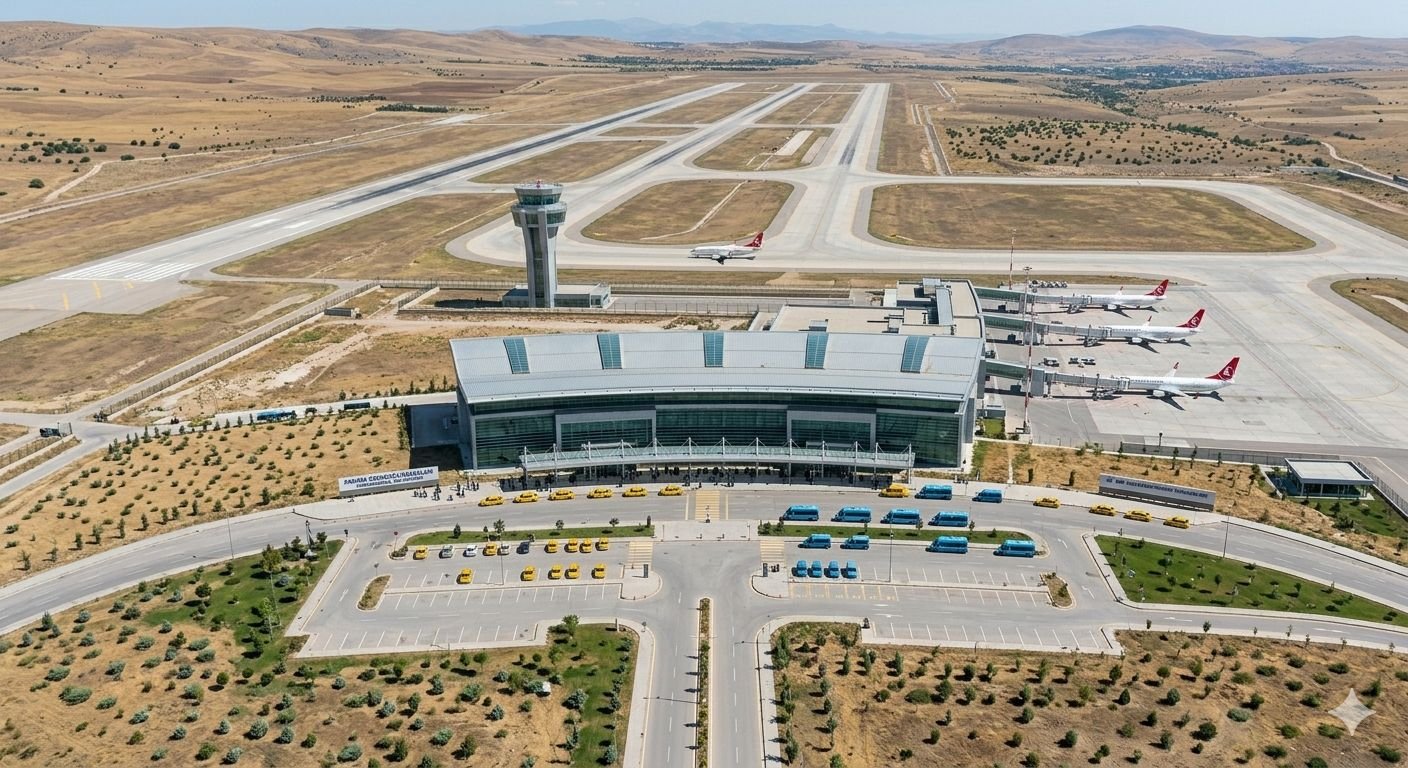
Ankara Esenboga Airport (IATA: ESB, ICAO: LTAC) serves as the main international airport for Turkey’s capital, Ankara. Located 28 kilometers northeast of the city center, this modern facility has undergone significant transformation in recent years, evolving from a modest mid-century airfield into a major regional hub .
The airport is named after the nearby village of Esenboğa, which itself derives from İsen Buğa, a 14th-century Timurid commander and descendant of Genghis Khan who established his headquarters in the area during the Battle of Ankara in 1402 . The name İsen Buğa translates roughly to “happy bull” in old Turkic—a far cry from the popular misconception that it means “thundering bull” .
Historical Development
Early Years and Construction
The story of Esenboğa Airport begins in the mid-20th century. On March 10, 1944, Turkey’s Council of Ministers issued a decision to begin expropriation procedures for land in Ankara’s Çubuk district to build an airport . Construction officially commenced in 1951 under the auspices of Westinghouse Electric International Company, working in conjunction with the Turkish Ministry of Public Works .
When the airport began operations in 1955, it became Turkey’s second fully equipped international airport, following Yeşilköy Airport (now Istanbul Atatürk Airport) . This timing coincided with a pivotal moment in Turkish civil aviation history, as the country sought to modernize its transportation infrastructure.
Modernization Era (2006)
For five decades, Esenboğa operated with separate domestic and international terminal buildings. That changed dramatically in October 2006, when a brand-new, unified terminal opened its doors. The 168,000-square-meter facility (later updated to 182,000 square meters in some sources) brought all operations under one roof, dramatically improving the passenger experience .
This transformation was spearheaded by TAV Airports, which took over operations in 2006 and has since increased passenger traffic nearly fourfold . The modern terminal features clean lines, abundant natural light, and intuitive wayfinding—a significant upgrade from the fragmented pre-2006 configuration.
The 2026 Expansion: A New Chapter
The most significant development in the airport’s recent history occurred in January 2026, when a major expansion project was completed. President Recep Tayyip Erdoğan inaugurated the new facilities on January 19, 2026, marking the first phase of a two-stage development plan .
Investment and Funding Structure
The expansion represented a total investment of €298 million (approximately $346 million) —notably, without direct expenditure from state coffers. The project was executed through a public-private partnership (PPP) model, under which the operating company will pay €560 million in rent (including VAT) to the state over a 25-year lease period . TAV Airports, the operator since 2006, contributed €230 million of this total, completing the work in under three years .
New Third Runway and Air Traffic Control Tower
The centerpiece of the expansion is a brand-new third runway, measuring 3,750 meters in length and 75 meters in width—considerably wider than the existing runways to accommodate larger aircraft and provide greater safety margins . This runway enables simultaneous takeoffs and landings, significantly increasing the airport’s capacity and reducing delays during peak hours.
The accompanying air traffic control tower stands 77 meters high and houses state-of-the-art navigation and surveillance equipment. A 13,500-square-meter technical block supports the tower’s operations .
Additional Infrastructure Improvements
The expansion also included:
A 27,000-square-meter taxiway system to improve ground movement efficiency
An 85,000-square-meter cargo apron with parking positions for six aircraft
945,000 square meters of paved surfaces, including associated taxiways and service roads
Future Second Phase
The work isn’t finished. The second phase of the expansion will see the terminal building expanded by at least 40,000 square meters, along with 58,000 square meters of additional apron space and 18,000 square meters of connecting taxiways. When fully completed, the airport’s annual passenger capacity will increase from 20 million to 30 million passengers.
Airport Infrastructure and Layout
Terminal Configuration
Esenboğa operates with an integrated terminal that houses both domestic and international flights under one roof. This unified layout simplifies connections for transfer passengers—particularly convenient for travelers connecting from domestic flights to international departures or vice versa .
The terminal spans 182,000 square meters (some sources cite 168,000 square meters from the original 2006 opening) and features :
Feature
Count
Check-in counters
129 (including self-checkin kiosks)
Passenger boarding bridges
18
Passport booths (departures)
18
Passport booths (arrivals)
18
Bus gates (domestic + international)
10 total (4 domestic, 6 international)
Baggage carousels
9 (5 domestic, 4 international)
Belt conveyors
8
Elevators
33
Escalators
38
Runway System
The airport now possesses three asphalt runways:
03R/21L: 3,750 m × 60 m
03L/21R: 3,750 m × 45 m
Third runway: 3,750 m × 75 m (opened January 2026)
This configuration makes Esenboğa one of the best-equipped airports in the region, capable of handling the largest commercial aircraft including the Airbus A380 and Boeing 747-8.
Parking Facilities
The airport features a multi-storey car park with capacity for 4,069 vehicles across 108,000 square meters of parking area . For context, this is roughly the size of two international soccer fields dedicated entirely to parking. The apron area (where aircraft park at gates) covers 296,000 square meters .
Cargo Facilities
A dedicated 85,000-square-meter cargo apron with six aircraft parking positions was completed as part of the 2026 expansion, significantly enhancing the airport’s freight handling capabilities . This positions Esenboğa as an increasingly important cargo hub for central Anatolia.
Passenger Services and Amenities
Lounges
Esenboğa offers four distinct CIP lounges catering to different passenger segments :
THY Domestic Lines CIP Lounge : Located outside the terminal near domestic arrivals, this lounge serves Turkish Airlines Business Class passengers and Elite Card holders
THY International Lines CIP Lounge : Situated on the upper floor of the international departures area, past passport control, serving Turkish Airlines’ premium passengers
Wings PrimeClass Lounge : Located in the domestic departures area after secondary security. Access is free for PrimeClass passengers, Akbank card holders, Priority Pass members, and contracted institution guests. Other passengers may pay for entry
İş Bankası Millennium Lounge : Found on the upper floor of international departures after passport control. İş Bankası credit card holders and contracted airlines’ first/business class passengers receive complimentary access; other travelers can pay for usage
Dining and Shopping
The airport features a 5,200-square-meter Food-Court Arena offering a range of dining options, from quick snacks to sit-down meals featuring Turkish and international cuisine . The duty-free area spans 2,387 square meters, stocked with perfumes, cosmetics, liquor, confectionery, and other travel essentials .
Additional Passenger Services
Free WiFi : Available throughout the terminal
Prayer rooms : Dedicated spaces for religious observances
Luggage services : Wrapping facilities and lost property office
Operational Statistics and Performance
Passenger Traffic
Esenboğa has demonstrated impressive growth, particularly in recent years. For context, in 2002, the airport handled just 2.84 million passengers and 37,421 aircraft movements. The growth trajectory since then has been remarkable.
2023 Performance
Total passengers: 11,914,082
Commercial aircraft traffic: 81,865
Year-over-year passenger growth: 37%
Year-over-year aircraft traffic growth: 34%
2024 Performance (as reported by President Erdoğan)
Total passengers: 12.91 million
Aircraft traffic: 96,910
2025 Performance
Total passengers: 13,987,298 (approaching 14 million)
Aircraft traffic: 103,928 (7% increase over 2024)
Direct international destinations: 46
Total destinations served: 79
November 2025 Snapshot (monthly data)
Total passengers (January–November 2025): 12,825,057 (8% increase over same period 2024)
Domestic passengers: 9,504,272 (+6%)
International passengers: 3,320,785 (+13%)
Cargo handled: 125,094 tons (+8%)
Historical Growth Patterns
The airport’s growth story becomes even clearer when examining historical data from 2003 to 2014 :
Year
Domestic Passengers
International Passengers
2003
1,773,531
1,010,396
2014
9,567,075
1,445,044
Domestic traffic increased more than fivefold during this period, while international traffic grew by approximately 43%. The international segment has accelerated further in the 2020s, with 2025’s January–November international figure of 3.32 million already exceeding full-year 2014 levels by a substantial margin.
Future Projections
Based on current growth trends, Turkish authorities project :
2035: Passenger traffic exceeding 23.1 million
2045: Passenger traffic reaching 31.5 million
These projections underpin the second-phase expansion plans, which will raise capacity from 20 million to 30 million passengers annually.
Airlines and Destinations
In 2025, Esenboğa served 79 total destinations, of which 46 were international. The airport is a hub for several major carriers, including Turkish Airlines, AJet (formerly AnadoluJet), and Pegasus Airlines.
International carriers serving the airport have historically included :
KLM (Amsterdam)
Lufthansa
Azerbaijan Airlines
Various carriers serving Middle Eastern and European destinations
The airport’s strategic position as the capital’s gateway makes it particularly important for diplomatic and government travel, in addition to serving business and leisure passengers.
Environmental Leadership
Ankara Esenboğa Airport has distinguished itself in environmental sustainability. Under the Airport Carbon Accreditation (ACA) program conducted by Airports Council International Europe (ACI EUROPE), Esenboğa became Turkey’s first carbon-neutral airport and the first in the country to receive Level 4+ certification.
This certification represents the highest level of the ACA program, requiring airports to not only reduce their own carbon emissions but also engage with third-party partners—airlines, ground handlers, concessionaires—to reduce their emissions as well. The achievement reflects TAV Airports’ commitment to sustainable operations.
Transportation and Access
Location
The airport is situated 28 kilometers (17 miles) northeast of Ankara’s city center, near the Esenboğa village in the Çubuk district . The airport sits at an elevation of 953 meters (3,125 feet) above sea level .
Ground Transportation Options
HAVAŞ Buses HAVAŞ operates dedicated airport shuttle buses connecting Esenboğa to various points in Ankara, including the AŞTİ (intercity bus terminal) and the city center. These are generally the most economical option for solo travelers.
Metro Connection The Ankara Metro’s M4 line (Kızılay-Şehitler) connects to the airport, providing a rail link to the city center. From Kızılay, passengers can transfer to other metro lines or buses.
Taxi and Ride-Hailing Taxis are readily available outside the arrivals terminal. The journey to Kızılay (the city center) typically takes 30-45 minutes depending on traffic.
Car Rental All major international and Turkish car rental agencies maintain desks at the airport, including Avis, Hertz, Enterprise, and local companies.
Private Transfer Many hotels and tour operators offer private transfer services, which can be arranged in advance.
Practical Information for Travelers
Check-In and Security
With 129 check-in counters, including self-service kiosks and bag-drop facilities, the airport is well-equipped to handle peak travel periods . Security screening is generally efficient, though travelers should still allow adequate time during busy periods.
Currency and Banking
Currency exchange offices (döviz bürosu) are available in both departures and arrivals areas. ATMs from multiple Turkish banks are located throughout the terminal.
Language
While Turkish is the primary language, airport signage is bilingual (Turkish and English), and many staff members speak English, particularly in information desks, lounges, and duty-free shops.
Wi-Fi and Connectivity
Free Wi-Fi is available throughout the terminal. Registration (typically via SMS to a Turkish mobile number or using a Wi-Fi registration kiosk) is required.
Future Outlook
With the third runway now operational and the second-phase terminal expansion on the horizon, Ankara Esenboğa Airport is positioning itself for continued growth. The airport’s transformation from a modest 1955 facility to a modern, carbon-neutral international gateway reflects Ankara’s broader evolution as a global capital.
The planned 40,000-square-meter terminal expansion will add new gates, additional lounge space, and enhanced retail and dining options. The cargo apron expansion and improved airside infrastructure will support Ankara’s growing role as a logistics and distribution hub for central Anatolia .
Perhaps most significantly, the airport’s operators have expressed a clear goal: increasing the number of direct international flights to make Ankara a more accessible destination for global travelers . Currently, many international travelers to Ankara connect through Istanbul; expanded direct service would be a game-changer for the capital’s accessibility.
Ankara Esenboğa Airport represents the best of modern Turkish infrastructure: purpose-built, efficiently operated, and continuously improving. From its origins as a 1950s-era airfield to its current status as a carbon-neutral international gateway with three runways, the airport has kept pace with Ankara’s growth and Turkey’s rising global profile.
For travelers, Esenboğa offers a stress-free alternative to Istanbul’s mega-airports—shorter walking distances, reasonable crowds, and all the essential amenities. The integrated terminal simplifies connections, the lounges provide comfortable pre-flight relaxation, and the ongoing expansion promises even better facilities in the years ahead.
Whether you’re visiting Turkey’s capital for business, diplomacy, or tourism, Ankara Esenboğa Airport provides a modern, efficient, and welcoming point of entry to the heart of Anatolia.