GTurkiye

Author: tur

  • The Aspendos Ancient Theatre one of the best-preserved Roman-era theatres in the world

    The Aspendos Ancient Theatre one of the best-preserved Roman-era theatres in the world

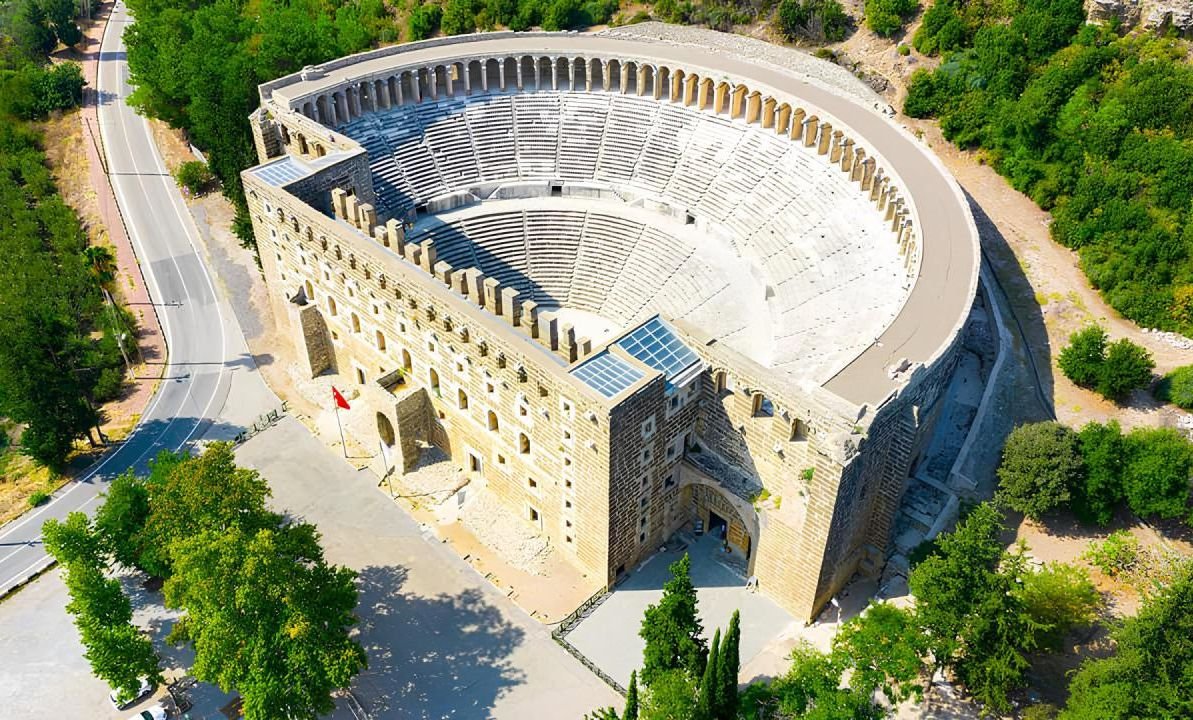
    Turning off the AntalyaAlanya road at kilometer 30 in the direction of the village of Belkis we come to the best-preserved ancient theater in Turkey. According to Strabo, the city of Aspendos was founded by colonists who came from Argos under the leadership of Mopsos. Coins minted in the 4th and 5th centuries B.C. give the city’s name as Estwediya. (Aspendos had the distinction of being the only city besides Side that coined money in its own name at that early period.)

    For a while, the city was a member of the Athenian maritime alliance (the Delian League). A naval battle was fought off Aspendos in 469 B.C. during which the Persian fleet was defeated by the forces of the Athenian general Cimon. Despite this however we see Aspendos being used as a Persian base in 411 B.C. With Alexander’s defeat of the Persians in 334 B.C., Aspendos was freed of Persian rule. It was ruled by various Hellenistic period kings following the death of Alexander and like most other cities in Asia Minor it came under Roman rule in 133 B.C.

    The city particularly flourished in the 2nd and 3rd centuries A.D. In the 5th century the city’s name was changed to Primupolis. Aspendos was badly affected by the Arab incursions in the 8th century. The Seljuks, who arrived in the area in the 12th century, appear to have made use of some of the ancient structures, the theater being among them. One may approach the ruins by car as far as the theater and we shall begin our tour there.

    The Aspendos theater is built of regularly dressed blocks of conglomerate while the door and window frames are of a cream-coloured limestone. One enters the skene through five doors, the one in the middle on the east being larger than the other four on located two on either side. The stage building is a two-tiered facade with four rows of windows, each row of which is of a different form and size. The niches contained decorative statuary. Even today the facade has an attractive appeal.

    From inscriptions at the theater we know that the structure was built during the reign of Marcus Aurelius (161-180) by two brothers, Curtius Crispinus and Curtius Auspicatus, to be dedicated to the gods and the emperors. The architect’s name was Zeno. The auditorium is divided in two by a diazoma and there is a gallery of columns surmounting the top row of seats. While the theater appears to be built on barrel vaulted substructures, parts of it do rest against the hillside. With a seating capacity of 20,000 the Aspendos theater is still useable today.

    North of the theater at the same level is the stadium. The Aspendos stadium resembles the one at Perge: the spectator’s seats are also set on vaults. To the south of the theater are the remains of a gymnasium and baths now in ruins.If we ascend to the acropolis on the hill above the theater from the path connecting the theater and stadium we pass through the eastern of the city’s three gates into the ruins of the city proper.

    Proceeding west from this gate, we come upon a basilica, part of which was used for government and civic affairs and as a courthouse. Much of this section is still standing. The triple-nave basilica extending 105 meters to the west was a commercial building while the agora lay to its west. The agora was surrounded by public buildings. West of the agora is a covered marketplace measuring 70 meters in length.

    The front was open consisting of a row of shops with a stoa in front. North of the agora are the remains of a nymphaion (fountain) of which only the facade measuring 32.50 meters in length and 15 meters in height remains. This elaborately decorated facade has two rows of niches. Northwest of the fountain are the remains of the bouleuterion, which was used as the city state’s parliament hall.

    In the center of the ruin are the traces of the foundations of a monumental arch. At the southern end of the basilica are the remains of exedrae, which served both as pedestals for statues and stone benches for the public. Another of the remains worth mentioning at Aspendos are the city’s magnificent aqueducts, parts of which are in the nearby village and on the site of the ruins.
  • Kefken Island is a Black Sea island 10 minutes away from Cebeci beach

    Kefken Island is a Black Sea island 10 minutes away from Cebeci beach

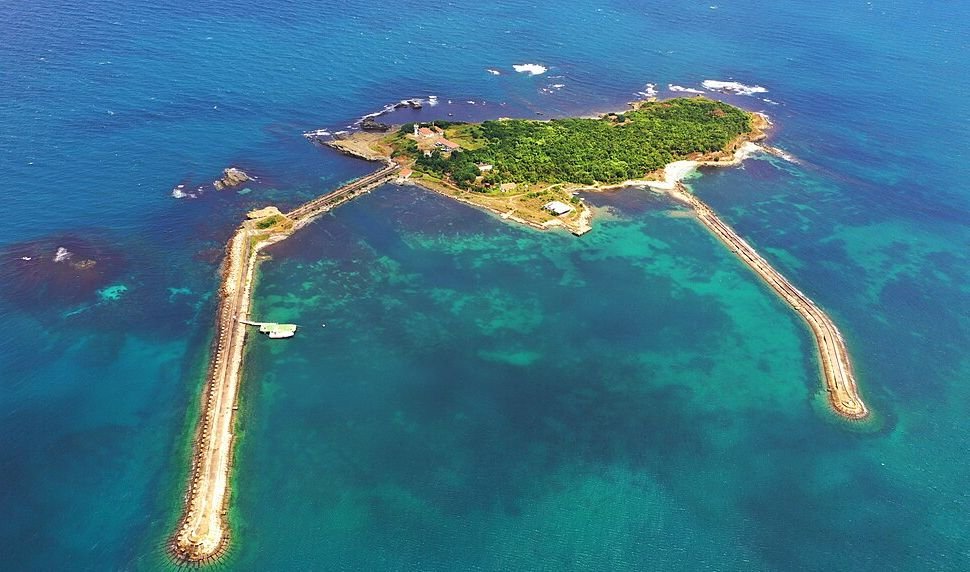
    Kefken Island is a Black Sea island within the borders of Kocaeli province, 10 minutes away from the Cebeci coast. Its shores are 1.7 kilometers long in total and the area of the island is 0.11 square kilometers. The distance to the nearest land is 0.8 kilometers. Most of the coast is rocky and consists of small beaches.

    On the island, there are castle walls dating back to the Genoese and there are nearly forty water wells. It is thought that these wells were built by the Genoese as cisterns to collect rainwater.

    The anise plant used in the production of raki and a 25 cm high plant called ‘wild melon’ by the islanders grow spontaneously. Laurel and fig trees are also abundant on the island.

    The island, which İpsiz Recep Emice used as a headquarters during the Turkish War of Independence, also contributed to the War of Independence.

    The fishing cooperative on the island has approximately 75 boats and fishing is highly developed. There is also underwater hunting on and around the island. However, interest in underwater fishing has decreased due to the salmon fish farms established on the island.

    The lighthouse on the island was built on November 30, 1879. The light of the lighthouse can be seen from about 13-17 miles away and gives direction to the ships traveling to and from the eastern coast of the Black Sea.

    Kefken Island is one of the two islands suitable for settlement in the Black Sea Region together with Giresun Island (Aretias) and is larger than Giresun Island in terms of surface area.

    The island, whose historical features are preserved, is a 1st degree protected area. The island belongs to the Ministry of Finance, and there is only a maritime control center as an official institution. Although there are many bays to swim in, there is no touristic activity or regular sea transportation.

  • Manavgat Waterfall, a Natural Wonder Worth Seeing in the Mediterranean

    Manavgat Waterfall, a Natural Wonder Worth Seeing in the Mediterranean

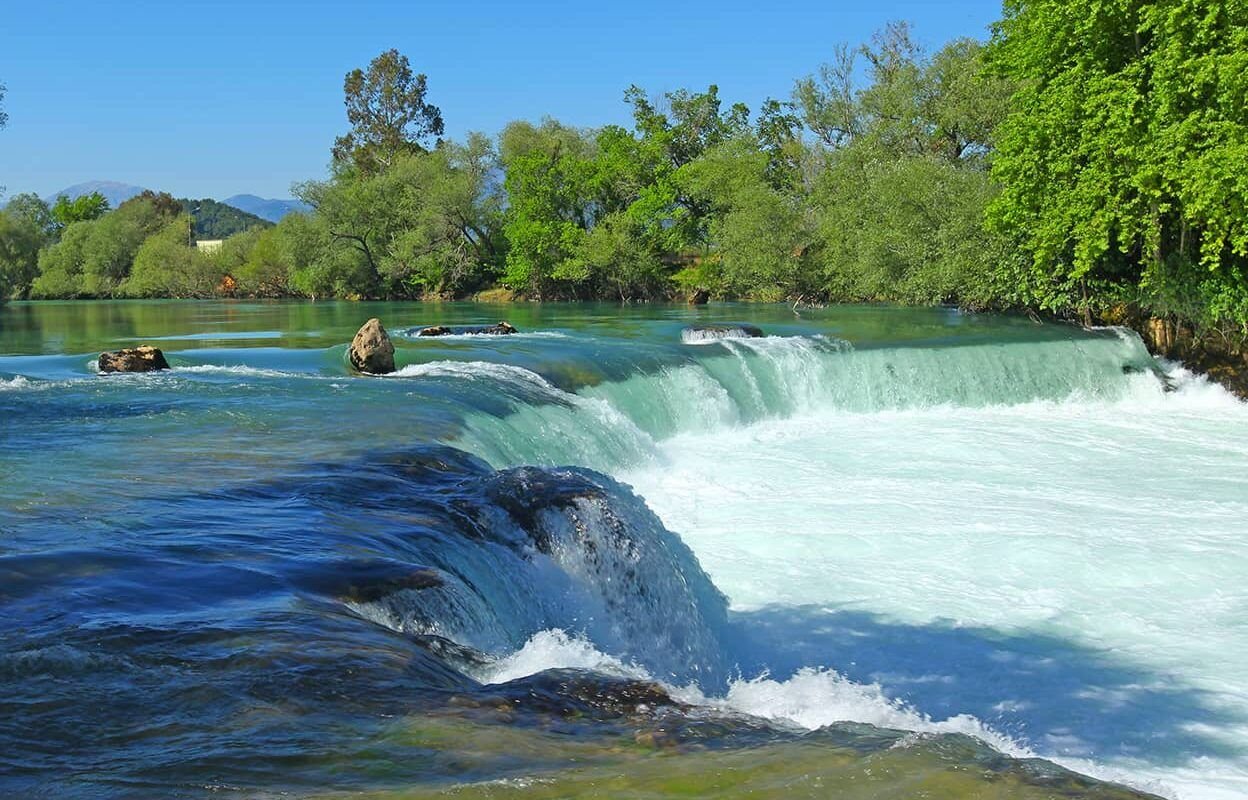
    Originating from the slopes of Mount Şeytan (2130 m), the 94 km long Manavgat River used to supply water to the cities of Seleucia and Side through aqueducts in ancient times. Flowing in a narrow canyon-shaped valley while passing through mountainous and forested areas, the stream continues to flow on the plain after forming an artificial lake of 500 hectares in Oymapınar Dam completed in 1984 and forms a beautiful waterfall to the north of Manavgat district center.

    From the seashore to the Manavgat district center, the stream makes a 7-kilometer estuary, its width is 180 m and its depth is only 4 m where it flows into the sea. There are restaurants, viewing terraces and tea gardens where you can watch the small eddies and listen to the peaceful sound of the water in the shade of plane trees. If you decide to eat here, you can taste the delicious trout grown in the cool waters of the Manavgat River.

  • Where Should I Stay in Turkey

    Where Should I Stay in Turkey

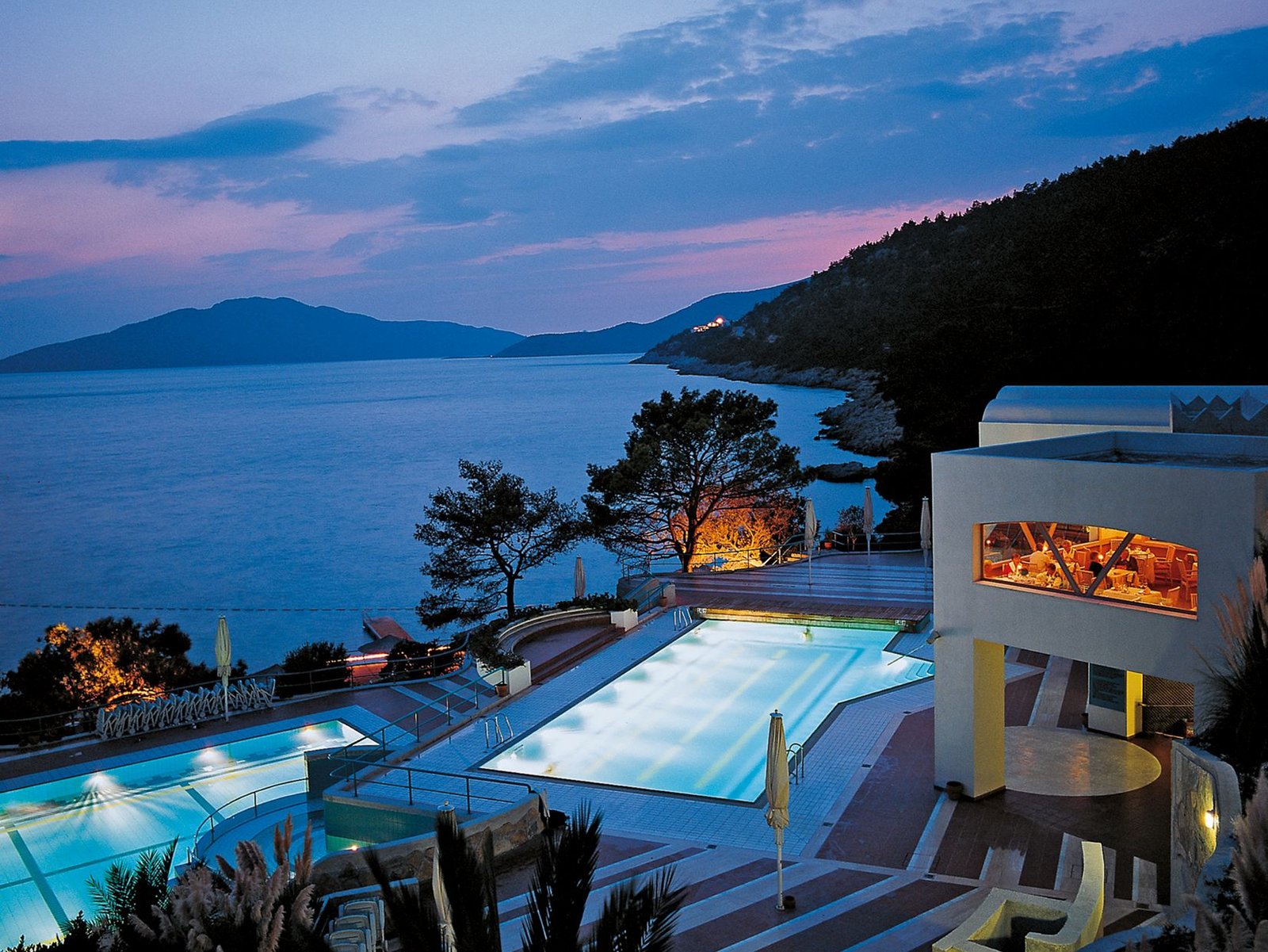
    Turkey offers a wide array of comfortable and modern lodgings to fit any budget. Larger cities such as Istanbul, Ankara and Izmir, offer a range of international chain hotels, as well as many charming locally run Turkish properties. Seaside resorts on the Aegean and Mediterranean coasts and other popular tourism destinations abound with hotels, pensions and holiday villages. Many of the Turkey tour specialists listed in our guide can make hotel reservations.

    The Ministry of Tourism licenses a number of hotels throughout the country. Rated from one to five stars, they must meet standards set forth by the Ministry. Renovated and refurbished Ottoman mansions, 19th century wooden houses and other historic buildings now operate as special licensed hotels.

  • Owning a House in Bodrum as a foreigner

    Owning a House in Bodrum as a foreigner

    For lovers of Bodrum, owning a house here is a good reason to come back at every opportunity for as the Fisherman of Halicarnassos said, “Entering the town of Bodrum from Yokusbasi, no one is ever able to foresee that leaving this town will be such an impossible thing to do.”

    You may prefer a refurbished original stone house or a newly built villa preserving the architectural features with the whitewashed silhouette of the town. Modern techniques such as’air conditioning, central heating, insulation, and doubleglazing are used for both types of houses.

    Local materials such as subterranean lime and wood are still preferred to suit the climate the lime is used both as a paint and a natural insulator, and wood window frames and doors help the house stay cool by allowing it to breathe and letting in less heat.

    Due to the mild climate, people in Bodrum spend time outside during most of the year and the terraces and gardens are an indispensable part of a typical house. A pergola, a spreading mulberry tree, or a grapevine climbing across the top of your house provides welcome shade from the sun. Annual maintenance and utility costs are relatively low. Knowledge about local customs is a bonus. Many people choose to rent a property before making the final decision about living here. Services for interior decoration and maintenance are developing, so your house can be expertly looked after when you’re away.

    Being a house owner in Turkey is not limited to Turkish citizens, but there are areas where foreigners cannot buy on the Peninsula, stay clear of them and only buy where you can have your name on the deed. There is an Association of Real Estate Agents in Bodrum, where help can be sought and complaints will be investigated.

    3% is the legal commission sought by the agent from both the buyer and seller. However, a potential buyer has the right to contact the owner directly without going through an agent. In both cases, it is recommended that you seek the advice of a qualified lawyer who speaks your language as you will need help checking all the paperwork involved regarding such things as the residential right of the house (iskan) and the deed (tapu).

    When you decide on buying a piece of land or property, a percentage of the whole amount may be paid when the paperwork starts, and the remainder should be paid on completion of the necessary papers. As a foreigner, this process could take three months as your papers will be investigated by the Turkish authorities. www.tkgm.gov.tr is the website for the Deed and Survey Office in Turkey.

    Visit on Foreign Affairs for lots of useful information, property location and reciprocal law. Always use a lawyer when Buying Property and if something sounds too good to be true, it probably is. Be prepared to be patient!