Author: tur

  • Kefken Island: A Historic Black Sea Gem Off the Coast of Kocaeli

    Kefken Island: A Historic Black Sea Gem Off the Coast of Kocaeli

    Discover One of the Black Sea’s Few Inhabitable Islands

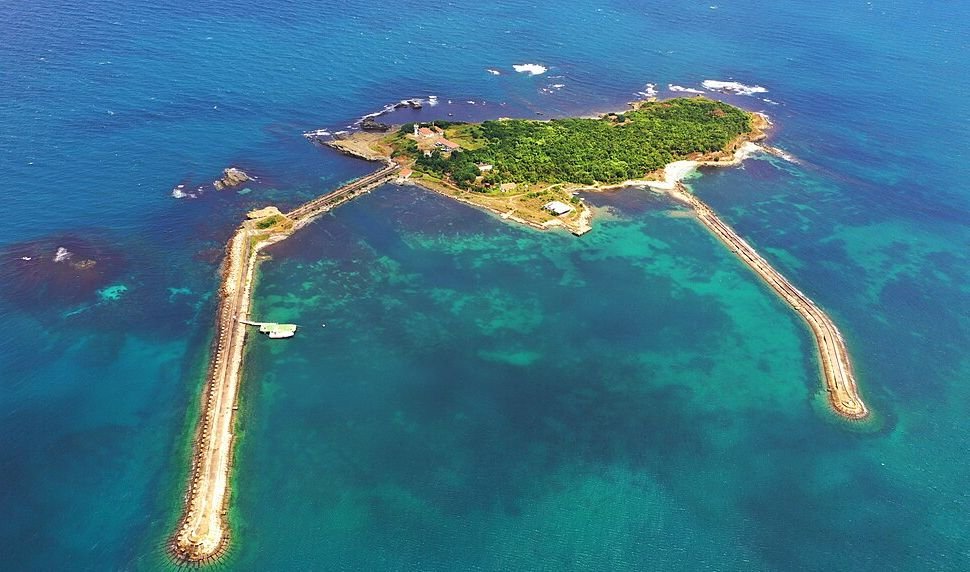
    Just offshore from the popular seaside village of Cebeci in Kandıra, Kocaeli Province, Kefken Island is one of the Black Sea’s most intriguing natural and historical landmarks. Surrounded by rugged cliffs, secluded coves, and crystal-clear waters, the island combines centuries of history with unspoiled natural beauty.

    Located only about 800 meters from the mainland—roughly a 10-minute boat ride from Cebeci Beach—Kefken Island remains a protected destination where history, wildlife, and coastal scenery coexist in a remarkably untouched setting.

    A Small Island with a Rich History

    Covering approximately 0.11 square kilometers and boasting a shoreline of around 1.7 kilometers, Kefken Island has played an important role throughout history despite its modest size.

    Archaeological remains indicate that the island was occupied during the medieval period, most notably by the Genoese, the powerful maritime traders who established colonies and fortifications throughout the Black Sea between the 13th and 15th centuries.

    Visitors can still discover sections of the old Genoese defensive walls, offering a fascinating glimpse into the island’s strategic importance along historic maritime trade routes.

    One of the island’s most remarkable features is its collection of nearly forty ancient stone cisterns. These carefully constructed reservoirs are believed to have been built by the Genoese to collect and store rainwater, ensuring a reliable freshwater supply for sailors, soldiers, and traders stationed on the island.

    A Place Connected to the Turkish War of Independence

    Kefken Island also holds an important place in modern Turkish history.

    During the Turkish War of Independence (1919–1923), the island served as a base for the legendary local militia leader İpsiz Recep, one of the region’s most celebrated national heroes. From here, resistance forces carried out operations and contributed to protecting the Black Sea coast during the struggle for independence.

    Today, the island remains a symbol of both regional history and national heritage.

    Rich Flora and Coastal Wildlife

    Despite its small size, Kefken Island supports a surprising variety of Mediterranean and Black Sea vegetation.

    Among the naturally occurring plants are:

    • Wild anise, traditionally associated with the production of rakı
    • A distinctive plant locally known as the “wild melon”
    • Laurel trees
    • Fig trees
    • Native shrubs and coastal vegetation adapted to the island’s rocky terrain

    The island’s protected status has helped preserve its unique ecosystem, making it an attractive destination for nature enthusiasts and birdwatchers.

    Fishing and Maritime Traditions

    Fishing has long been central to life around Kefken Island.

    The nearby fishing cooperative operates approximately 75 fishing boats, and the surrounding waters have traditionally supported a thriving fishing industry.

    The island’s clear waters have also attracted recreational divers and underwater hunters. In recent years, however, underwater fishing activity has declined due to the establishment of offshore fish farms in the surrounding area.

    The Historic Kefken Lighthouse

    Standing proudly on the island is the historic Kefken Lighthouse, first illuminated on 30 November 1879 during the late Ottoman period.

    For well over a century, the lighthouse has guided ships navigating the often-challenging waters of the western Black Sea. Its light is visible from approximately 13 to 17 nautical miles, providing an important navigational aid for vessels traveling along Turkey’s northern coastline.

    Today, the lighthouse remains one of the island’s most recognizable landmarks and a favorite subject for photographers.

    A Protected Natural and Archaeological Site

    Kefken Island is one of only two naturally inhabitable islands in Turkey’s Black Sea region, the other being Giresun Island (Aretias). In fact, Kefken is the larger of the two by surface area.

    Recognizing its outstanding historical and environmental significance, the island has been designated a First-Degree Archaeological and Natural Protected Site. This status safeguards its ancient remains, natural habitats, and landscapes from inappropriate development.

    Ownership of the island rests with the Turkish state, and the only permanent official presence is a maritime control station.

    Visiting Kefken Island

    Although Kefken Island lies just a short distance from the mainland, it remains largely undeveloped. There are no hotels, restaurants, or regular passenger ferry services, which has helped preserve its peaceful atmosphere and natural character.

    Private boats occasionally visit the island during the summer months, allowing visitors to admire its dramatic coastline, hidden coves, rocky shores, and crystal-clear waters.

    Because facilities are extremely limited, anyone planning a visit should bring sufficient drinking water, food, sun protection, and appropriate footwear.

    Nearby Attractions

    Many visitors combine Kefken Island with other attractions along the Kandıra coastline, including:

    • Cebeci Beach, known for its wide sandy shoreline and calm summer atmosphere.
    • Kerpe, a charming Black Sea resort famous for its dramatic rock formations and natural swimming areas.
    • Pink Rocks (Pembe Kayalar), a unique geological formation where soft pink sandstone was once quarried for use in historic Ottoman buildings.

    Together, these destinations make the Kefken Peninsula one of the most scenic coastal regions in northwestern Turkey.

    Why Visit Kefken Island?

    Kefken Island offers a rare opportunity to experience an untouched corner of Turkey’s Black Sea coast. Its medieval Genoese ruins, historic lighthouse, rich natural vegetation, and connection to the Turkish War of Independence create a fascinating blend of history and nature.

    Whether viewed from the mainland, explored by private boat, or admired from the surrounding coastline, Kefken Island remains one of Kocaeli’s hidden treasures and an unforgettable destination for travelers seeking authentic Black Sea landscapes.

  • Biking in Türkiye: Discover Ancient Trails, Mountains, Forests, and Coastal Landscapes by Bicycle

    Türkiye offers an extraordinary variety of cycling experiences thanks to its diverse geography, ancient heritage, and spectacular natural landscapes. From Mediterranean coastal routes and mountain trails to historic valleys and forest paths, cycling provides travelers with a unique way to explore the country beyond traditional sightseeing.

    Mountain biking in Türkiye is especially popular among adventure travelers because it combines outdoor exploration with cultural discovery. Cyclists can ride through traditional villages, ancient ruins, forests, canyons, and some of the country’s most beautiful landscapes.


    Mountain Biking Along the Lycian Coast

    The Mediterranean region around Kaş, Antalya, and Fethiye is one of Türkiye’s most impressive cycling destinations. The mountainous terrain offers challenging routes with breathtaking views of the turquoise coastline, valleys, rivers, and traditional villages.

    The trails around Kaş take cyclists through:

    • Scenic mountain roads
    • Deep canyons
    • Forest landscapes
    • Rural villages
    • Ancient archaeological sites

    One of the most remarkable cycling experiences is following sections of the famous Lycian Way, one of Türkiye’s best-known long-distance hiking routes.

    Stretching between Antalya and Fethiye, the Lycian Way passes through a landscape shaped by:

    • Pine forests
    • Mediterranean cliffs
    • Coastal paths
    • Ancient Lycian ruins
    • Historic settlements

    Cyclists exploring this region can combine adventure with cultural discoveries, passing remains of ancient civilizations while enjoying spectacular sea and mountain views.


    Cycling in Cappadocia: Valleys of History and Nature

    The unique landscape of Cappadocia provides one of Türkiye’s most unforgettable cycling experiences.

    The region’s famous valleys, shaped by volcanic activity and thousands of years of erosion, create a dramatic environment filled with:

    • Fairy chimneys
    • Rock formations
    • Cave settlements
    • Ancient churches
    • Underground cities
    • Historic villages

    Mountain biking through Cappadocia’s valleys offers both physical challenge and cultural exploration. Routes pass through areas such as:

    • Göreme Valley
    • Love Valley
    • Red Valley
    • Pigeon Valley
    • Zelve surroundings

    Riding through these landscapes allows visitors to experience the history and natural beauty of central Anatolia at a slower and more personal pace.


    Cycling in Belgrade Forest Near Istanbul

    For visitors staying in Istanbul, the Belgrade Forest offers an excellent cycling escape close to the city.

    Located on the European side of Istanbul, this large forest area provides:

    • Shaded cycling paths
    • Natural scenery
    • Fresh air
    • Historical remains
    • Outdoor recreation opportunities

    Cyclists can discover traces of history, including Roman-era water systems such as ancient aqueducts, while enjoying peaceful forest trails.

    Some routes continue toward the Black Sea coast, offering scenic descents and access to areas near Kilyos Beach.

    The combination of forest landscapes and proximity to Istanbul makes Belgrade Forest one of the most accessible cycling destinations in Türkiye.


    Cycling in the Black Sea Region

    The Black Sea region of Türkiye is a paradise for experienced cyclists seeking challenging routes and untouched nature.

    With its:

    • Dense forests
    • Mountain roads
    • National parks
    • Green valleys
    • Traditional villages
    • Rivers and waterfalls

    the region offers some of the most demanding and rewarding cycling experiences in the country.

    Popular areas for cycling include:

    • Trabzon and the surrounding mountains
    • Rize highlands
    • Artvin valleys
    • Kastamonu forests
    • Bolu nature areas

    The steep terrain creates challenging climbs, but cyclists are rewarded with spectacular views of forests, plateaus, and rural landscapes.


    Other Popular Cycling Areas in Türkiye

    Aegean Region

    The Aegean coast provides a mixture of relaxed cycling routes and cultural exploration.

    Popular cycling areas include:

    • İzmir surroundings
    • Çeşme Peninsula
    • Bodrum Peninsula
    • Datça Peninsula
    • Muğla countryside

    Cyclists can enjoy coastal roads, olive groves, ancient ruins, and traditional villages.


    Mediterranean Region

    Beyond the Lycian coast, the Mediterranean region offers many cycling opportunities around:

    • Antalya
    • Kemer
    • Olympos
    • Adrasan
    • Alanya

    Routes combine mountain landscapes with beaches, forests, and archaeological attractions.


    Central Anatolia

    Central Anatolia offers unique cycling environments featuring:

    • Wide open landscapes
    • Historic towns
    • Ancient caravan routes
    • Volcanic terrain

    Regions around Ankara, Konya, and Kayseri provide opportunities for long-distance cycling adventures.


    Best Time for Cycling in Türkiye

    The ideal cycling season depends on the region:

    • Mediterranean and Aegean coasts: March to June and September to November
    • Cappadocia: April to June and September to October
    • Black Sea mountains: May to October
    • Central Anatolia: Spring and autumn

    Summer can be very hot in some inland areas, while mountain regions remain cooler and more comfortable.


    Cycling Tips for Visitors

    Cyclists traveling in Türkiye should consider:

    • Carrying sufficient water, especially on mountain routes
    • Checking weather conditions before long rides
    • Using appropriate mountain bikes for rough terrain
    • Respecting local villages and natural areas
    • Carrying repair equipment for remote routes
    • Planning accommodation along long-distance trails

    Many destinations also offer bicycle rental services, guided cycling tours, and organized adventure programs.


    Explore Türkiye on Two Wheels

    Cycling in Türkiye offers much more than outdoor activity—it is a journey through landscapes, cultures, and thousands of years of history. Whether riding beside the Mediterranean coast, exploring Cappadocia’s valleys, crossing forest trails near Istanbul, or climbing the mountains of the Black Sea, cyclists can discover a side of Türkiye that remains hidden from traditional tourism routes.

    With its combination of natural beauty, historical treasures, and diverse terrain, Türkiye is becoming an increasingly attractive destination for cycling enthusiasts from around the world.

  • Houses and Housing in Türkiye: Traditional Homes, Modern Apartments, and Urban Living

    Housing in Türkiye has changed significantly over the past century due to population growth, urbanization, changing family structures, and economic development. While traditional houses remain an important part of the country’s cultural heritage, modern apartments and residential complexes have become the dominant form of housing, especially in large cities.

    Today, Türkiye offers a wide variety of housing styles, ranging from historic stone houses in villages and old towns to high-rise apartment buildings and modern residential projects in metropolitan areas.


    Traditional Houses in Türkiye

    Traditional Turkish houses reflect the country’s diverse climate, geography, and cultural history. These homes were designed according to local lifestyles and environmental conditions.

    Common characteristics of traditional houses include:

    • Courtyards and gardens
    • Stone or wooden construction
    • Spacious living areas
    • Upper floors extending over streets
    • Decorative wooden details
    • Separate areas for guests and family life

    Examples of famous traditional housing styles can be found in:

    • Safranbolu – Ottoman wooden houses
    • Mardin and Midyat – Stone houses with carved limestone details
    • Bursa – Historic Ottoman residences
    • Cappadocia – Rock-cut homes and cave dwellings
    • Mediterranean villages – Stone houses adapted to warm climates

    Many of these historic homes have been restored and converted into boutique hotels, museums, and cultural centers.


    Modern Housing in Urban Türkiye

    As family sizes have decreased and cities have expanded, apartment living has become increasingly common.

    Large urban centers such as:

    • Istanbul
    • Ankara
    • İzmir
    • Bursa
    • Antalya
    • Adana

    have experienced rapid development, leading to the construction of modern apartment buildings and residential complexes.

    Typical urban apartments commonly include:

    • Two or three bedrooms
    • A living room
    • Kitchen
    • Bathroom facilities
    • Balcony space

    Average apartment sizes often range from approximately 100–120 square meters, although newer developments may offer both smaller and larger options.


    Apartment Ownership and Property Prices

    Owning property is an important goal for many Turkish families, although housing costs vary greatly depending on location.

    Property prices are generally higher in major cities, particularly in:

    • Istanbul
    • İzmir
    • Antalya
    • Coastal tourism regions

    Factors affecting housing prices include:

    • Location
    • Distance from city centers
    • Building quality
    • Infrastructure
    • Transportation access
    • Seismic safety standards

    Due to increasing housing costs, purchasing a home can be challenging for many middle-income families, especially in major metropolitan areas.


    Renting a Home in Türkiye

    Renting is a common housing option, particularly among people living in large cities.

    Many residents choose rental accommodation because of:

    • High property prices
    • Employment mobility
    • University education
    • Temporary relocation

    Rental prices vary significantly depending on the city and neighborhood.

    In major cities, rental housing represents a large part of the residential market, while smaller cities generally have more affordable housing options and higher rates of home ownership.


    Government Housing Projects

    The Turkish government and municipalities have developed housing programs to increase access to affordable homes.

    One of the most important institutions in this field is TOKİ (Housing Development Administration of Türkiye), which builds large-scale residential projects throughout the country.

    These projects often provide:

    • Affordable apartments
    • Long-term payment plans
    • Mortgage-style financing options
    • Housing opportunities for middle and lower-income families

    Payment periods may extend over many years, making home ownership more accessible.


    Housing in Rural Areas

    Outside major cities, housing patterns are different. Rural homes are often:

    • Smaller
    • More connected to land and agriculture
    • Built with local materials
    • Surrounded by gardens or farmland

    Village houses may include:

    • Courtyards
    • Storage areas
    • Animal shelters
    • Outdoor spaces for agricultural activities

    Many rural regions still preserve traditional architectural styles adapted to local conditions.


    Public Sector Housing Benefits

    Some government employees in Türkiye have historically benefited from state-owned accommodation programs.

    Public institutions may provide housing opportunities for employees, particularly in areas where government workers are needed.

    These residences are generally offered at affordable rental rates compared with private housing markets.


    Real Estate Market and Foreign Property Buyers

    Türkiye has also become an attractive destination for foreign property buyers due to:

    • Mediterranean climate
    • Competitive property prices compared with many European markets
    • Tourism potential
    • Modern infrastructure
    • Investment opportunities

    Popular areas for international buyers include:

    • Istanbul
    • Antalya
    • Bodrum
    • Fethiye
    • Alanya
    • İzmir
    • Muğla coastal towns

    Foreign residents often purchase apartments, holiday homes, and investment properties in these regions.


    The Future of Housing in Türkiye

    With continued urban growth, housing development in Türkiye is increasingly focused on:

    • Earthquake-resistant construction
    • Smart buildings
    • Energy efficiency
    • Green residential projects
    • Modern transportation connections

    While traditional houses remain an important symbol of Turkish culture, modern apartments and planned residential communities continue to shape the future of housing throughout the country.

    From historic Ottoman mansions to contemporary city apartments, houses in Türkiye reflect the country’s unique combination of tradition, modernization, and changing lifestyles.

  • The Streets of Türkiye: Traditional Alleys, Stone Paths, and Cultural Heritage

    The streets of Türkiye reflect centuries of architectural traditions, local lifestyles, and adaptation to climate and geography. From the narrow stone lanes of Ottoman towns to the lively streets of modern cities, Turkish streets have always played an important role as places of social interaction, trade, and daily life.

    Traditional streets, especially those found in historic neighborhoods, preserve the character of old Anatolian settlements and provide visitors with a glimpse into the country’s architectural heritage.

    Traditional Turkish Streets

    Traditional streets in Türkiye were generally designed according to practical needs and environmental conditions. Many historic streets are narrow, winding, and paved with natural stone.

    The narrow layout helped to:

    • Provide shade during hot summer months
    • Protect pedestrians from strong winds
    • Create a close relationship between neighboring houses
    • Encourage social interaction among residents

    In many old towns, houses were built close together, creating a comfortable and protected urban environment.

    Stone-Paved Streets and Rainwater Management

    One of the most distinctive features of traditional Turkish streets is their stone paving system.

    The surfaces were often designed with a slight slope from both sides toward the center, allowing rainwater to flow safely through the street and away from house walls.

    This practical design helped protect buildings from:

    • Water damage
    • Moisture problems
    • Erosion of foundations

    The large roof overhangs, known as wide eaves, served a similar purpose by protecting exterior walls from rain and harsh weather conditions.

    Street Fountains: Water and Community Life

    In traditional Turkish neighborhoods, public fountains were an essential part of daily life.

    Small fountains were often built into the walls of houses, mosques, or public buildings. They provided water for:

    • Local residents
    • Travelers
    • Passers-by

    People could fill their water containers or drink fresh water while walking through the neighborhood.

    Some fountains were located at the end of cul-de-sacs (blind alleys), becoming important meeting points for local communities.

    These fountains reflected the Ottoman tradition of public charity and providing essential services for society.

    Colors of Traditional Streets and Houses

    Historical paintings, miniatures, and old photographs show that traditional Turkish houses were often painted in soft and natural colors.

    Common colors included:

    • White
    • Indigo blue
    • Pale pink
    • Light yellow
    • Green

    These colors created harmonious streetscapes and reflected regional preferences.

    In many historic towns today, restored houses continue to preserve these traditional colors, contributing to the unique atmosphere of old neighborhoods.

    Famous Historic Streets in Türkiye

    Visitors can experience traditional Turkish streets in many historic areas, including:

    • Safranbolu – Famous for Ottoman wooden houses and preserved streets
    • Mardin – Known for stone-paved alleys and limestone houses
    • Beypazarı – Traditional Ottoman architecture and narrow streets
    • Alaçatı – Stone houses, colorful streets, and Aegean charm
    • Şirince – Historic village streets surrounded by nature
    • Odunpazarı in Eskişehir – Restored Ottoman neighborhoods

    Walking through these areas offers a journey into Türkiye’s architectural past.

    Streets as a Reflection of Turkish Culture

    Traditional streets in Türkiye were not only transportation routes; they were places where community life developed.

    Neighbors interacted, children played, merchants traded, and travelers passed through these shared spaces. The design of streets encouraged a strong connection between homes and public life.

    Today, many historic streets continue to preserve this spirit, combining architectural beauty with living cultural traditions.

    Discovering Türkiye Through Its Streets

    Exploring the traditional streets of Türkiye provides visitors with a deeper understanding of the country’s history and lifestyle. The stone paths, historic fountains, colorful houses, and carefully designed neighborhoods reveal centuries of architectural knowledge and social values.

    From Ottoman towns to ancient Anatolian villages, Turkish streets remain among the most authentic places to experience the country’s cultural heritage.

  • Towns in Türkiye: Local Life, Commerce, and Community Traditions

    Towns in Türkiye have historically played an important role as centers of trade, administration, culture, and social interaction. They range from small settlements built around local marketplaces to larger urban centers providing a wide variety of goods, services, and public facilities.

    Throughout Anatolian history, towns have developed according to their economic activities, geographical location, and administrative importance. They have served as meeting points between rural villages and major cities, connecting agricultural communities with wider regional markets.

    The Role of Towns in Türkiye

    A town generally performs several important functions, including:

    • Economic activities
    • Local trade and commerce
    • Public administration
    • Education and healthcare services
    • Social and cultural activities

    Many towns act as service centers for surrounding villages, providing markets, shops, government offices, schools, and transportation connections.


    Economic-Based Towns

    Many smaller towns in Türkiye developed primarily around economic activities such as:

    • Agriculture
    • Livestock farming
    • Handicrafts
    • Local trade
    • Traditional markets

    These towns are often closely connected to the surrounding countryside and serve as commercial centers where villagers bring agricultural products and purchase essential goods.

    Typical characteristics of economically focused small towns include:

    • Smaller populations
    • Traditional lifestyles
    • Strong local identity
    • Close community relationships
    • Family-owned businesses

    Local merchants, traders, and artisans often have deep connections with the community and play important social roles beyond their economic activities.


    Social Life in Small Towns

    In smaller Turkish towns, relationships between residents are often more personal and informal compared with large cities.

    Community life is commonly shaped by:

    • Family connections
    • Neighbor relationships
    • Local traditions
    • Religious and cultural events
    • Weekly markets and festivals

    Because occupational groups are usually smaller, people often know each other personally, creating a strong sense of belonging and community cooperation.

    The local shopkeeper, craftsman, or trader is often not only a businessperson but also an important member of the social fabric of the town.


    Administrative and Political Centers

    Some towns develop beyond their original economic role when they become important administrative centers.

    Towns with stronger political or governmental functions often become:

    • Larger population centers
    • More modernized settlements
    • Regional service hubs

    They usually have:

    • Government institutions
    • Larger schools
    • Hospitals
    • Transportation facilities
    • Expanding commercial areas

    Provincial and district centers across Türkiye often combine administrative responsibilities with economic and cultural functions.


    Difference Between Towns and Villages

    Although some Turkish towns may appear rural in character, there is a clear distinction between a town and a village.

    Towns generally have:

    • More developed infrastructure
    • A wider range of services
    • Permanent marketplaces
    • Government offices
    • Larger commercial activity
    • More diverse occupations

    Villages, on the other hand, are usually smaller settlements where agriculture and livestock remain the main activities.

    The town traditionally serves as a bridge between rural villages and major cities, providing essential services and economic opportunities.


    Traditional Markets and Town Culture

    One of the most important features of Turkish towns is the traditional marketplace, known as the pazar or weekly market.

    Markets provide opportunities for:

    • Farmers to sell local products
    • Craftsmen to display handmade goods
    • Residents to purchase household necessities
    • Communities to gather socially

    Many towns are still famous for their traditional markets, local foods, handicrafts, and regional products.


    Historic Towns of Türkiye

    Türkiye has many towns known for their cultural heritage and traditional character, including:

    • Safranbolu – Famous for Ottoman houses and historic streets
    • Beypazarı – Known for traditional architecture and local crafts
    • Şirince – A historic Aegean village-town with stone houses
    • Alaçatı – Famous for stone architecture and Aegean atmosphere
    • Midyat – Known for Syriac heritage and limestone houses
    • Taraklı – A preserved Ottoman town
    • Birgi – A historic settlement with traditional Turkish houses

    These towns demonstrate the diversity of Türkiye’s regional architecture, economy, and cultural traditions.


    The Importance of Towns in Modern Türkiye

    Today, Turkish towns continue to adapt to changing economic and social conditions. While some have grown into modern urban centers, others maintain their traditional character and continue to serve agricultural regions.

    They remain important places where:

    • Traditional lifestyles meet modern services
    • Local economies develop
    • Cultural heritage is preserved
    • Rural and urban communities connect

    From small market settlements to important regional centers, towns in Türkiye continue to reflect the country’s long history, diverse landscapes, and strong community traditions.