Author: tur

  • City Hospitals in Türkiye: Modern, High-Capacity Healthcare Campuses

    Türkiye’s City Hospitals (Şehir Hastaneleri) represent one of the country’s most ambitious healthcare infrastructure initiatives, transforming the delivery of public healthcare through large-scale, technologically advanced medical campuses. Developed through government-led investments and public-private partnership (PPP) models, these modern healthcare complexes have significantly expanded Türkiye’s medical capacity while improving access to specialized care across the country.

    Designed to meet international healthcare standards, City Hospitals combine multiple specialty hospitals within a single integrated campus. Instead of operating separate facilities for different medical disciplines, these healthcare hubs bring together departments such as general medicine, cardiology, oncology, neurology, orthopedics, pediatrics, obstetrics and gynecology, cardiovascular surgery, emergency medicine, rehabilitation, and intensive care under one roof. This integrated approach allows patients to receive comprehensive diagnosis and treatment without the need to travel between different hospitals.

    One of the defining features of Türkiye’s City Hospitals is their impressive scale. Many campuses accommodate more than 1,000 inpatient beds, while some of the largest facilities have capacities exceeding 3,000 beds, making them among the largest hospitals in Europe. Their extensive infrastructure enables them to serve thousands of outpatients, emergency cases, and surgical patients every day while maintaining high standards of efficiency and patient care.

    These hospitals are equipped with the latest medical technologies, including advanced MRI and CT scanners, PET-CT imaging systems, hybrid operating rooms, robotic surgical platforms, digital pathology laboratories, high-capacity intensive care units, and fully integrated Hospital Information Management Systems (HIMS). Electronic medical records, digital imaging archives, automated laboratory services, and smart building technologies work together to improve clinical efficiency and patient safety.

    Emergency care is another major strength of the City Hospital network. Most facilities operate large emergency departments capable of handling major trauma, stroke, cardiac emergencies, and mass casualty incidents around the clock. Dedicated helipads, advanced ambulance access, and specialized emergency response units allow rapid treatment for critically ill patients.

    Patient comfort has also been prioritized in the design of these healthcare campuses. Most inpatient rooms are private or semi-private and feature modern amenities, accessible bathrooms, climate control, and accommodations for family members. Spacious waiting areas, clear wayfinding systems, landscaped outdoor spaces, and digital appointment management contribute to a more comfortable and efficient healthcare experience.

    Sustainability and smart infrastructure are integral to the design of many City Hospitals. Energy-efficient systems, intelligent climate control, water conservation technologies, automated facility management, and environmentally friendly construction practices help reduce operating costs while minimizing environmental impact.

    In addition to providing healthcare services, many City Hospitals serve as major education and research centers. Affiliated with leading medical universities, they support clinical training for physicians, nurses, and healthcare professionals while conducting medical research and participating in international clinical studies. This close collaboration between healthcare delivery, education, and research helps maintain high clinical standards and encourages continuous medical innovation.

    Several City Hospitals have also become important destinations for international patients seeking affordable, high-quality medical treatment. Their advanced infrastructure, multidisciplinary medical teams, internationally recognized standards of care, and growing experience in medical tourism have strengthened Türkiye’s reputation as a global healthcare destination.

    Today, City Hospitals operate in numerous provinces across Türkiye, including Ankara, Istanbul, Adana, Bursa, Elazığ, Eskişehir, Isparta, Kayseri, Kocaeli, Konya, Manisa, Mersin, Tekirdağ, Yozgat, and other major cities. Additional facilities continue to be developed as part of the country’s long-term healthcare modernization strategy.

    By combining advanced technology, large treatment capacity, specialized medical expertise, and patient-centered design, Türkiye’s City Hospitals have become a cornerstone of the national healthcare system. They play a vital role in delivering accessible, efficient, and high-quality public healthcare while supporting the country’s growing position as a leading destination for international medical tourism.
  • Sports in Turkiye: Tradition, Competition, and Outdoor Adventures

    Sports play an important role in Turkish culture and daily life. From traditional activities that date back centuries to modern international competitions, Turkey offers a wide variety of sporting opportunities throughout the country.

    Thanks to its diverse geography — including mountains, seas, forests, rivers, and long coastlines — Turkey provides excellent conditions for both professional sports and outdoor activities.

    The most popular sports in Turkey include football, basketball, wrestling, volleyball, athletics, sailing, swimming, cycling, martial arts, and many adventure sports.


    Football: The Most Popular Sport in Turkey

    Football (soccer) is by far the most popular sport in Turkey, followed passionately by millions of fans.

    The country has a strong football culture, with major clubs based mainly in Istanbul:

    • Galatasaray
    • Fenerbahçe
    • Beşiktaş
    • İstanbul Başakşehir

    Other important clubs exist in cities such as:

    • Trabzon
    • Bursa
    • İzmir
    • Antalya

    The Turkish national football team has achieved important international successes, including finishing third in the 2002 FIFA World Cup and reaching the semi-finals of UEFA Euro 2008.

    Turkey’s football stadiums are known for their passionate atmosphere and dedicated supporters.


    Basketball in Turkey

    Basketball is one of the fastest-growing sports in Turkey.

    The country has produced internationally recognized players and has hosted major basketball events.

    Turkey hosted the:

    • 2010 FIBA World Championship

    Important basketball clubs include:

    • Anadolu Efes
    • Fenerbahçe Beko
    • Galatasaray

    Turkish basketball teams have achieved success in European competitions, increasing the popularity of the sport nationwide.


    Traditional Turkish Wrestling

    Wrestling has a special place in Turkish history and culture.

    The most famous traditional sport is:

    Oil Wrestling (Yağlı Güreş)

    This ancient form of wrestling involves competitors wearing leather trousers and covering their bodies with olive oil.

    The most famous event is:

    Kırkpınar Oil Wrestling Festival

    held annually in Edirne.

    Dating back more than 650 years, Kırkpınar is one of the world’s oldest continuously organized sporting events.

    Other traditional wrestling styles include:

    • Turkish belt wrestling
    • Aba wrestling
    • Karakucak wrestling

    Athletics and Track & Field

    Track and field sports are practiced throughout Turkey, including:

    • Running
    • Long-distance races
    • Jumping events
    • Throwing competitions

    Turkey has invested in modern sports facilities and training programs to develop athletes in international competitions such as:

    • Olympic Games
    • European Championships
    • World Championships

    Volleyball

    Volleyball has become extremely popular in Turkey, especially among women’s teams.

    Turkish volleyball clubs have achieved major international success.

    Important teams include:

    • VakıfBank
    • Fenerbahçe
    • Eczacıbaşı

    Turkey’s women’s national volleyball team, known as the “Sultans of the Net”, is among the strongest teams in the world.


    Sailing and Water Sports

    With coastlines along:

    • The Mediterranean Sea
    • The Aegean Sea
    • The Black Sea
    • The Sea of Marmara

    Turkey is an ideal destination for sailing and marine sports.

    Popular activities include:

    • Sailing
    • Windsurfing
    • Diving
    • Swimming
    • Fishing
    • Yacht cruising

    Major sailing destinations include:

    • Bodrum
    • Marmaris
    • Fethiye
    • Çeşme
    • Antalya
    • Kaş

    The famous Blue Cruise routes along the Aegean and Mediterranean coasts attract sailors from around the world.


    Diving and Underwater Sports

    Turkey offers excellent diving opportunities because of its clear waters and rich marine life.

    Popular diving areas include:

    • Kaş
    • Kalkan
    • Bodrum
    • Fethiye
    • Antalya
    • Çanakkale

    Divers can explore:

    • Ancient shipwrecks
    • Underwater caves
    • Coral areas
    • Marine ecosystems

    Cycling in Turkey

    Cycling is becoming increasingly popular in Turkey.

    The country offers routes for:

    • Road cycling
    • Mountain biking
    • Long-distance cycling tours

    Popular cycling regions include:

    • Cappadocia
    • Mediterranean coast
    • Aegean villages
    • Taurus Mountains
    • Black Sea highlands

    The Presidential Cycling Tour of Türkiye is an international professional cycling race attracting athletes from around the world.


    Mountaineering and Adventure Sports

    Turkey’s mountains provide opportunities for outdoor sports.

    Popular activities include:

    • Mountaineering
    • Rock climbing
    • Hiking
    • Trekking
    • Camping

    Major mountain destinations include:

    • Mount Ararat (Ağrı Dağı)
    • Taurus Mountains
    • Kaçkar Mountains
    • Uludağ
    • Mount Erciyes

    Winter Sports

    Turkey has several modern ski resorts.

    Popular winter destinations include:

    • Uludağ near Bursa
    • Erciyes near Kayseri
    • Palandöken near Erzurum
    • Kartalkaya near Bolu
    • Sarıkamış near Kars

    Visitors can enjoy:

    • Skiing
    • Snowboarding
    • Winter trekking

    Swimming and Water Activities

    Swimming is widely practiced because Turkey has thousands of kilometres of coastline.

    Swimming facilities can be found in:

    • Sports centers
    • Hotels
    • Beaches
    • Olympic swimming pools

    Coastal regions offer excellent conditions for:

    • Recreational swimming
    • Competitive swimming
    • Open-water events

    Martial Arts and Combat Sports

    Various martial arts are practiced in Turkey, including:

    • Boxing
    • Karate
    • Taekwondo
    • Judo
    • Aikido

    Turkish athletes have achieved success in international competitions, including Olympic events.


    Other Popular Sports in Turkey

    Many other sports are practiced throughout the country:

    • Billiards
    • Table tennis
    • Chess
    • Handball
    • Bodybuilding
    • Volleyball
    • Basketball
    • Hunting
    • Archery
    • Horse riding
    • Bowling
    • Golf

    Golf has especially developed in the Antalya region, where modern golf resorts attract international visitors.


    Golf Tourism in Turkey

    Turkey has become an important golf destination, particularly around Belek, Antalya.

    The region offers:

    • International golf courses
    • Luxury resorts
    • Professional tournaments
    • Year-round golf conditions

    Belek has hosted many international golf events and attracts players from Europe and beyond.


    Sports Tourism in Turkey

    Turkey’s geography makes it a perfect destination for sports tourism.

    Visitors can combine travel with:

    • Sailing holidays
    • Diving trips
    • Ski vacations
    • Cycling tours
    • Hiking adventures
    • Golf holidays
    • Rafting experiences

    Popular adventure tourism locations include:

    • Köprülü Canyon for rafting
    • Cappadocia for hiking and hot-air ballooning
    • Fırtına Valley for outdoor activities
    • Lycian Way for trekking

    Major Sports Events in Turkey

    Turkey regularly hosts international sporting events, including:

    • Football competitions
    • Basketball tournaments
    • Cycling races
    • Wrestling championships
    • Sailing competitions
    • Marathon events

    Major cities such as Istanbul, Ankara, Antalya, and İzmir have modern sports facilities capable of hosting international competitions.


    The Future of Sports in Turkey

    With a young population, improving infrastructure, and strong sporting traditions, Turkey continues to expand its role in international sports.

    From the ancient tradition of oil wrestling to modern football stadiums and world-class sailing destinations, sports in Turkey represent a combination of history, passion, competition, and adventure.

    For visitors, Turkey offers not only the chance to watch exciting sporting events but also countless opportunities to participate in sports surrounded by some of the world’s most beautiful landscapes.

  • Types of Families in Turkiye: Tradition, Modern Life and Social Values

    Family has always held a central place in Turkish society. Throughout history, family relationships have played an important role in social organization, economic cooperation, cultural traditions, and personal identity. The structure of Turkish families has changed significantly over time due to urbanization, industrial development, education, and changing lifestyles, but family bonds remain one of the strongest social values in Turkey.

    Traditionally, Turkish families have been classified mainly into two types: the extended family and the nuclear family.

    Traditional Extended Family

    The traditional extended family was once common, especially in rural areas and agricultural communities. In this family structure, several generations lived together in the same household or close community.

    A typical extended family could include:

    • Grandparents
    • Married sons and their wives
    • Grandchildren
    • Unmarried daughters

    The household functioned as a unit of both production and consumption, with family members sharing responsibilities, property, income, and daily tasks.

    In traditional communities, the family home was often the center of economic activity. Men commonly worked in agriculture, trade, or family businesses, while women managed household responsibilities and contributed to family production through activities such as food preparation, textile work, and childcare.

    Historically, when a daughter married, she often became part of her husband’s household, reflecting traditional family structures found in many societies.

    Today, this type of large multi-generational household has become less common, especially in major cities. However, strong connections between parents, children, and grandparents continue to be an important feature of Turkish family life.

    The Modern Nuclear Family

    With industrialization, urban growth, and changing economic conditions, the nuclear family has become the most common family structure in modern Turkey.

    A nuclear family generally consists of:

    • Husband and wife
    • Their unmarried children

    This structure is especially common in urban areas such as Istanbul, Ankara, Izmir, Bursa, and Antalya, where modern lifestyles and smaller households are more practical.

    Although families are becoming smaller, many Turkish families maintain close relationships with grandparents, relatives, and extended family members. Regular visits, family celebrations, and mutual support remain important social traditions.

    Roles and Responsibilities Within the Family

    In modern Turkish families, responsibilities are shaped by a combination of tradition, personal choices, education, and economic circumstances.

    Traditionally:

    • The father was often viewed as the main financial provider and family representative.
    • The mother traditionally managed household responsibilities and childcare.

    Today, these roles are changing. Many Turkish women participate actively in education, professional life, and business, contributing significantly to household income and decision-making.

    Family responsibilities are increasingly shared according to individual circumstances, especially in urban and younger generations.

    The Importance of Family Support

    One of the strongest characteristics of Turkish family culture is mutual support between generations.

    Family members often help each other through:

    • Childcare
    • Education expenses
    • Housing support
    • Financial assistance
    • Caring for elderly relatives

    Grandparents frequently maintain a close relationship with grandchildren and may provide important support to working parents.

    Young adults may also continue receiving family support while completing education, beginning careers, or establishing their own households.

    Family Values in Turkish Culture

    Respect for parents and older generations remains a deeply valued tradition in Turkey. Important family occasions often include:

    • Weddings
    • Religious holidays such as Ramadan and Eid celebrations
    • Birth celebrations
    • Family gatherings
    • Traditional meals

    Hospitality and maintaining strong family relationships are considered important social responsibilities.

    Family Life in Contemporary Turkey

    Modern Turkish families reflect a mixture of traditional values and contemporary lifestyles. While urbanization has transformed household structures, the importance of family connection remains strong.

    Whether living in a large extended household or a modern apartment in a major city, Turkish families continue to place great importance on:

    • Respect between generations
    • Cooperation
    • Hospitality
    • Emotional support
    • Maintaining close relationships

    The Turkish family today represents a balance between centuries-old traditions and the realities of modern life.

  • Sunnet (Circumcision) in Turkiye: Tradition, Religious Meaning and Social Celebration

    Sünnet (circumcision) is one of the most important traditional ceremonies in Turkish Muslim culture. It refers to the surgical removal of the foreskin of the penis and is considered a significant religious and social milestone for boys.

    Circumcision has a very ancient history. It was practiced in ancient civilizations, including ancient Egypt, and later became an important religious tradition among Jews and Muslims. In Islam, circumcision is not specifically mentioned as a requirement in the Quran; rather, it is associated with the traditions and practices of the Prophet Muhammad. The Arabic word sunnah refers to the teachings, customs, and examples of the Prophet, and this term became sünnet in Turkish, meaning both the religious tradition and circumcision itself.

    Religious and Cultural Importance

    In Turkey, sünnet is widely practiced among Muslim families and is regarded as an important step in a boy’s social and religious development. Traditionally, it symbolizes:

    • Entry into the Muslim community
    • A transition toward maturity
    • The continuation of family and cultural traditions

    For many families, sünnet is not only a religious practice but also an important family celebration that brings relatives, friends, and neighbors together.

    The Circumcision Ceremony

    A sünnet ceremony is often organized as a festive event similar to a wedding or family celebration. The child may wear a special embroidered outfit, often including a decorated vest, cape, and a crown-like hat. Families usually invite relatives and friends, prepare traditional food, and organize celebrations with music and entertainment.

    In some communities, boys are dressed as a “sünnet child” (sünnet çocuğu) and are presented proudly to family members before the ceremony.

    Traditional celebrations may include:

    • Family gatherings
    • Special meals
    • Music and dancing
    • Gifts and congratulations
    • Visits from relatives and neighbors

    Age and Timing of Circumcision

    Traditionally, boys in Turkey have been circumcised at various ages, commonly between early childhood and adolescence. Today, many families prefer younger ages, often before school begins, while others follow family traditions.

    Circumcisions are frequently organized during the summer months, especially between June and September, when children are on school holidays and families have more time for celebrations.

    Some families choose to circumcise several sons together if they have more than one child, creating a larger family event.

    Social Traditions and Community Support

    Sünnet ceremonies also reflect Turkey’s strong traditions of community cooperation and generosity.

    In some regions:

    • Relatives and neighbors help families organize the celebration.
    • Communities may support families with limited financial resources.
    • Charity organizations arrange collective sünnet ceremonies for children from disadvantaged backgrounds.

    Historically, wealthy families sometimes included children from poorer families or orphans in their celebrations, reflecting values of social solidarity and sharing.

    Medical Considerations

    Today, circumcision in Turkey is generally performed by qualified medical professionals in hospitals or licensed healthcare facilities. Modern medical practice emphasizes safe procedures, hygiene, and appropriate care.

    Families increasingly consult healthcare professionals regarding the best timing and method, especially considering the child’s age and health.

    Sünnet in Modern Turkey

    Although Turkey is a modern and diverse society, sünnet remains an important cultural tradition for many families. While the religious meaning continues to be significant, the ceremony has also become a celebration of family identity, childhood, and social connection.

    For visitors interested in Turkish culture, witnessing a sünnet celebration offers insight into the importance of family traditions, hospitality, and community values in Turkish society.

  • The Grand Bazaar, Istanbul: A Historic Shopping Paradise and One of the World’s Oldest Covered Markets

    The Grand Bazaar, Istanbul: A Historic Shopping Paradise and One of the World’s Oldest Covered Markets

    The Grand Bazaar (Kapalıçarşı) in Istanbul is one of the largest and oldest covered markets in the world and one of the city’s most iconic cultural attractions. Located in the historic Beyazıt district of Istanbul’s Old City, this extraordinary marketplace has been at the heart of trade and commerce for centuries.

    More than just a shopping destination, the Grand Bazaar is a living symbol of Istanbul’s rich history, where traditional craftsmanship, Ottoman heritage, and modern tourism come together. With thousands of shops, winding streets, historic gates, and vibrant colors, exploring the bazaar feels like stepping into another era.

    History of the Grand Bazaar

    The origins of the Grand Bazaar date back to the 15th century, shortly after the Ottoman conquest of Constantinople in 1453. Sultan Mehmed II (Mehmed the Conqueror) ordered the construction of a marketplace to encourage trade and strengthen the economic life of the newly established Ottoman capital.

    Over the centuries, the bazaar expanded with the addition of new streets, shops, workshops, and commercial buildings. It became one of the most important trading centers of the Ottoman Empire, attracting merchants from across Europe, Asia, and the Middle East.

    The market has survived earthquakes, fires, and centuries of change while preserving its unique atmosphere and traditional character.

    Architecture and Layout

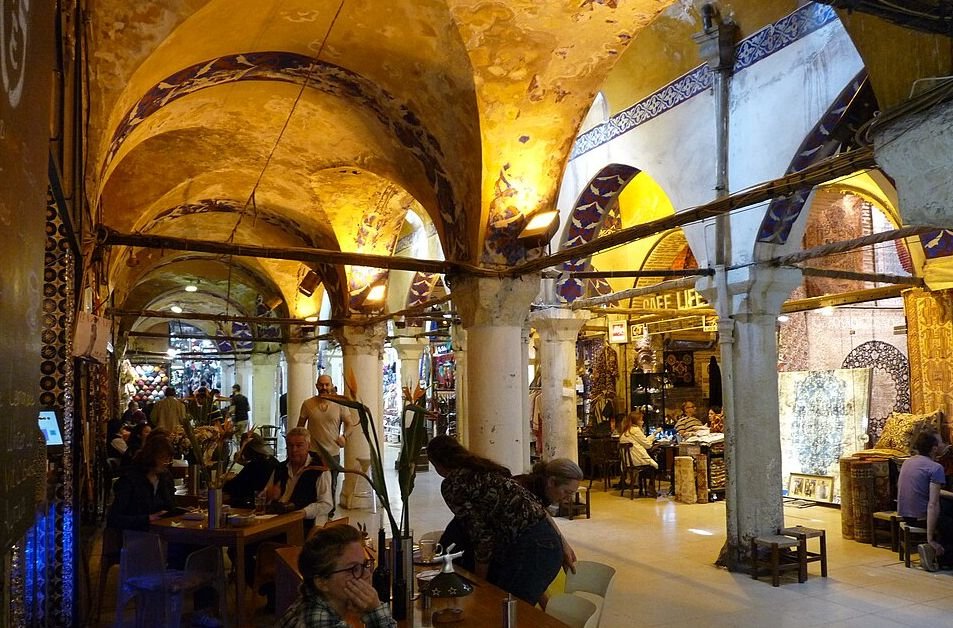
    The Grand Bazaar is a remarkable example of historic Ottoman commercial architecture. Its vast interior resembles a small city, with a network of:

    • Around 4,000 shops
    • More than 60 streets and lanes
    • Numerous courtyards
    • Historic fountains
    • Warehouses and workshops
    • Several monumental entrance gates

    The covered streets create a fascinating maze where visitors can wander among colorful displays, traditional shops, and centuries-old trading areas.

    Its layout reflects the organization of Ottoman markets, where different crafts and products were traditionally grouped together in specific sections.

    Shopping at the Grand Bazaar

    The Grand Bazaar offers an incredible variety of goods, making it one of the best places in Istanbul for shopping and discovering Turkish handicrafts.

    Popular products include:

    Turkish Carpets and Rugs

    The bazaar is famous for handmade Turkish carpets featuring traditional designs, intricate patterns, and centuries-old weaving techniques.

    Jewelry and Gold

    The Grand Bazaar has long been a center for gold and jewelry trading. Visitors can find:

    • Gold jewelry
    • Silver ornaments
    • Traditional Ottoman-style designs
    • Handmade accessories

    Leather Goods

    Turkey is known for quality leather production, and many shops in the bazaar sell:

    • Leather jackets
    • Bags
    • Wallets
    • Handmade accessories

    Ceramics and Decorative Arts

    Colorful Turkish ceramics, especially those inspired by Ottoman designs, are among the most popular souvenirs.

    Spices, Textiles, and Souvenirs

    Visitors can also find:

    • Silk scarves
    • Traditional clothing
    • Antiques
    • Hand-painted objects
    • Turkish delight
    • Decorative items
    • Gifts and souvenirs

    The Grand Bazaar Experience

    A visit to the Grand Bazaar is about more than shopping. The atmosphere itself is the main attraction. The sounds of merchants, the scent of spices and leather, the traditional architecture, and the friendly conversations between shopkeepers and visitors create a unique Istanbul experience.

    Many shopkeepers offer Turkish tea while visitors browse their products, continuing a tradition of hospitality that has existed for generations.

    Bargaining is also part of the shopping culture, especially when purchasing carpets, textiles, antiques, and handmade goods. Negotiating prices can be an enjoyable part of the experience.

    Best Time to Visit

    The Grand Bazaar is open throughout the year, but the best times to visit are usually:

    • Morning hours: Less crowded and ideal for exploring peacefully
    • Spring and autumn: Comfortable weather for walking around Istanbul’s historic areas

    Weekends and peak tourist seasons can be very busy, especially during the summer months.

    How to Get to the Grand Bazaar

    The Grand Bazaar is located in central Istanbul and is easily accessible by public transportation.

    Visitors can reach it by:

    • Tram: The Beyazıt–Kapalıçarşı tram stop is the closest stop.
    • Walking: It is within walking distance of major historic attractions such as Sultanahmet Square, Hagia Sophia, and the Blue Mosque.
    • Taxi: Taxis are available from all parts of Istanbul.

    Nearby Attractions

    The Grand Bazaar is surrounded by many important historical landmarks, including:

    • Sultanahmet Square
    • Hagia Sophia
    • Blue Mosque
    • Topkapı Palace
    • Basilica Cistern
    • Spice Bazaar
    • Süleymaniye Mosque

    A visit to the Grand Bazaar can easily be combined with a full day exploring Istanbul’s historic peninsula.

    Travel Tips

    • Take time to explore beyond the main streets; many hidden shops are located in smaller lanes.
    • Compare prices before making purchases.
    • Bargaining is expected in many shops but should be done politely.
    • Be careful when buying expensive items such as carpets, jewelry, and antiques.
    • Wear comfortable shoes because the bazaar is large and requires a lot of walking.
    • Keep personal belongings secure in crowded areas.

    The Grand Bazaar Istanbul is much more than a marketplace—it is a cultural landmark that represents centuries of Turkish history, craftsmanship, and trade. With its thousands of shops, historic architecture, and unforgettable atmosphere, Kapalıçarşı remains one of Istanbul’s most fascinating destinations.

    Whether searching for traditional handicrafts, enjoying Turkish hospitality, or simply exploring one of the world’s greatest historic markets, a visit to the Grand Bazaar is an essential Istanbul experience.