Author: tur

  • Historical Sites in Istanbul: A Journey Through the Crossroads of Civilizations

    Straddling Europe and Asia across the Bosphorus Strait, Istanbul is one of the world’s most extraordinary historical cities. Formerly known as Byzantium and later Constantinople, it served as the capital of the Roman, Byzantine, Latin, and Ottoman Empires for more than 1,600 years. Today, the city is home to thousands of years of history, where magnificent palaces, grand mosques, ancient churches, bustling bazaars, and impressive fortifications tell the story of civilizations that shaped Europe, Asia, and the Middle East.

    Whether you are a history enthusiast, an architecture lover, or a first-time visitor, Istanbul offers an unrivaled collection of historical monuments and UNESCO World Heritage Sites.


    Hagia Sophia (Ayasofya)

    Perhaps Istanbul’s most famous landmark, Hagia Sophia is one of the greatest architectural achievements in world history.

    Completed in 537 AD during the reign of Byzantine Emperor Justinian I, it remained the world’s largest cathedral for nearly one thousand years. Following the Ottoman conquest of Constantinople in 1453, it was converted into a mosque before becoming a museum in 1935. Today, it once again serves as a mosque while remaining open to visitors.

    Highlights include:

    • Enormous central dome
    • Byzantine mosaics
    • Marble columns
    • Islamic calligraphy
    • Imperial Gate
    • Upper galleries

    Hagia Sophia perfectly symbolizes the meeting of Eastern Orthodox Christianity and Islamic civilization.


    Topkapı Palace

    For nearly 400 years, Topkapı Palace served as the residence of Ottoman sultans and the administrative center of one of history’s greatest empires.

    Built shortly after the conquest of Constantinople by Sultan Mehmed II, the palace overlooks both the Bosphorus and the Golden Horn.

    Visitors can explore:

    • Imperial Treasury
    • Sacred Relics Chamber
    • Harem
    • Council Chamber
    • Royal kitchens
    • Beautiful courtyards
    • Panoramic terraces

    The palace houses priceless artifacts, including Ottoman jewels, manuscripts, weapons, and religious relics.


    Blue Mosque (Sultan Ahmed Mosque)

    Completed in 1616, the Blue Mosque remains one of Istanbul’s most recognizable landmarks.

    Commissioned by Sultan Ahmed I, it is famous for its:

    • Six elegant minarets
    • Blue İznik tiles
    • Massive central dome
    • Beautiful stained-glass windows
    • Large courtyard
    • Intricate calligraphy

    It continues to function as an active place of worship while welcoming visitors from around the world.


    Basilica Cistern (Yerebatan Sarnıcı)

    Beneath Istanbul’s historic streets lies one of the city’s most fascinating underground structures.

    Built during the reign of Emperor Justinian I in the 6th century, the Basilica Cistern once stored water for the Great Palace and surrounding buildings.

    Visitors can admire:

    • 336 marble columns
    • Atmospheric lighting
    • Reflective pools
    • Medusa head column bases
    • Ancient engineering

    The mysterious atmosphere has made it one of Istanbul’s most popular attractions.


    Hippodrome of Constantinople (Sultanahmet Square)

    The ancient Hippodrome was once the sporting and social heart of Byzantine Constantinople.

    Originally constructed by Emperor Septimius Severus and later expanded by Constantine the Great, it hosted:

    • Chariot races
    • Imperial ceremonies
    • Political gatherings
    • Public celebrations

    Today, visitors can still see:

    • Egyptian Obelisk
    • Serpent Column
    • Walled Obelisk
    • German Fountain

    Grand Bazaar (Kapalıçarşı)

    Dating back to the 15th century, the Grand Bazaar is one of the oldest and largest covered markets in the world.

    Its maze of more than 60 streets contains thousands of shops selling:

    • Carpets
    • Jewelry
    • Ceramics
    • Leather goods
    • Textiles
    • Antiques
    • Turkish lamps
    • Spices
    • Souvenirs

    The bazaar remains one of Istanbul’s busiest commercial centers.


    Spice Bazaar (Egyptian Bazaar)

    Built in the 17th century, the Spice Bazaar has long been the center of Istanbul’s spice trade.

    Visitors can browse stalls selling:

    • Turkish delight
    • Dried fruits
    • Herbal teas
    • Spices
    • Nuts
    • Honey
    • Coffee
    • Traditional sweets

    Its colorful displays and fragrant aromas create a uniquely Turkish shopping experience.


    Galata Tower

    Standing approximately 67 meters high, the medieval Galata Tower was constructed by the Genoese in 1348.

    The tower offers:

    • Panoramic city views
    • Bosphorus vistas
    • Golden Horn scenery
    • Historical exhibits
    • Observation deck

    It remains one of Istanbul’s most photographed landmarks.


    Dolmabahçe Palace

    Built during the 19th century, Dolmabahçe Palace represents the grandeur of the late Ottoman Empire.

    Designed in a blend of:

    • Baroque
    • Rococo
    • Neoclassical
    • Ottoman architecture

    Highlights include:

    • Crystal Staircase
    • Ceremonial Hall
    • World’s largest Bohemian crystal chandelier
    • Luxurious royal apartments
    • Magnificent gardens

    The palace was also the final residence of Mustafa Kemal Atatürk.


    Chora Church (Kariye)

    Originally built as a Byzantine monastery church, Chora Church is internationally renowned for its spectacular mosaics and frescoes depicting biblical scenes.

    Its interior represents some of the finest surviving examples of late Byzantine art.


    Theodosian Walls

    Constructed during the reign of Emperor Theodosius II in the 5th century, these massive defensive walls protected Constantinople for over a thousand years.

    Stretching more than six kilometers, the walls are considered among the greatest military fortifications ever built.


    Rumeli Fortress (Rumeli Hisarı)

    Built by Sultan Mehmed II in 1452 before the conquest of Constantinople, Rumeli Fortress occupies a strategic position along the Bosphorus.

    Today visitors enjoy:

    • Historic towers
    • Defensive walls
    • Museum exhibits
    • Spectacular Bosphorus views

    Maiden’s Tower (Kız Kulesi)

    Located on a small islet in the Bosphorus, the Maiden’s Tower has served various roles throughout history, including:

    • Lighthouse
    • Watchtower
    • Customs station
    • Defensive fortress

    It is surrounded by numerous legends and remains one of Istanbul’s iconic landmarks.


    Süleymaniye Mosque

    Designed by the legendary Ottoman architect Mimar Sinan, Süleymaniye Mosque was completed in 1557 during the reign of Sultan Suleiman the Magnificent.

    The complex includes:

    • Mosque
    • Library
    • Hospital
    • Schools
    • Public kitchens
    • Mausoleums

    It is considered one of the masterpieces of Ottoman architecture.


    Beylerbeyi Palace

    Located on the Asian side of the Bosphorus, Beylerbeyi Palace served as the Ottoman Empire’s summer residence.

    Visitors admire:

    • Elegant halls
    • Marble interiors
    • Waterfront gardens
    • Imperial reception rooms

    Yıldız Palace

    Once home to Sultan Abdulhamid II, Yıldız Palace consists of several elegant pavilions surrounded by beautiful gardens.

    The recently restored complex offers insight into the final decades of the Ottoman Empire.


    Valens Aqueduct

    Completed in the 4th century, the Valens Aqueduct supplied water to Constantinople for centuries.

    Its impressive stone arches remain one of the city’s most remarkable examples of Roman engineering.


    Little Hagia Sophia Mosque

    Originally built as the Church of Saints Sergius and Bacchus during the Byzantine period, this elegant building later became a mosque and is considered a precursor to Hagia Sophia.


    Constantine’s Column

    Erected by Emperor Constantine the Great in 330 AD to commemorate the founding of Constantinople as the new capital of the Roman Empire, Constantine’s Column remains an important symbol of the city’s Roman heritage.


    Archaeological Museums of Istanbul

    One of the world’s finest museum complexes, the Istanbul Archaeological Museums contain more than one million artifacts, including:

    • Alexander Sarcophagus
    • Ancient statues
    • Roman sculptures
    • Byzantine artifacts
    • Mesopotamian relics
    • Hittite inscriptions
    • Ottoman collections

    Museum of Turkish and Islamic Arts

    Located in the former Palace of Ibrahim Pasha, this museum showcases:

    • Ottoman carpets
    • Manuscripts
    • Calligraphy
    • Ceramics
    • Metalwork
    • Ethnographic collections
    • Wood carvings

    UNESCO World Heritage Sites in Istanbul

    The Historic Areas of Istanbul were inscribed on the UNESCO World Heritage List in 1985 and include several of the city’s most significant monuments:

    • Hagia Sophia
    • Topkapı Palace
    • Blue Mosque
    • Hippodrome of Constantinople
    • Süleymaniye Mosque
    • Theodosian Land Walls
    • Zeyrek Mosque (former Pantokrator Monastery)

    Tips for Exploring Istanbul’s Historical Sites

    • Purchase a museum pass if you plan to visit multiple attractions.
    • Wear comfortable walking shoes, as many historic districts feature cobblestone streets.
    • Visit major landmarks early in the morning to avoid large crowds.
    • Dress modestly when entering mosques and other active places of worship.
    • Allow at least three to five days to fully explore the city’s historical treasures.
    • Combine visits with Bosphorus cruises, traditional Turkish cuisine, and local markets for a complete Istanbul experience.

    Final Thoughts

    Few cities in the world can rival Istanbul’s extraordinary historical richness. From the soaring dome of Hagia Sophia and the opulent halls of Topkapı Palace to the ancient Hippodrome, the bustling Grand Bazaar, and the mighty Theodosian Walls, every corner of the city reflects centuries of imperial power, artistic achievement, and cultural exchange. Exploring Istanbul’s historical sites is not simply a sightseeing experience—it is a journey through the legacy of empires that shaped the course of world history.
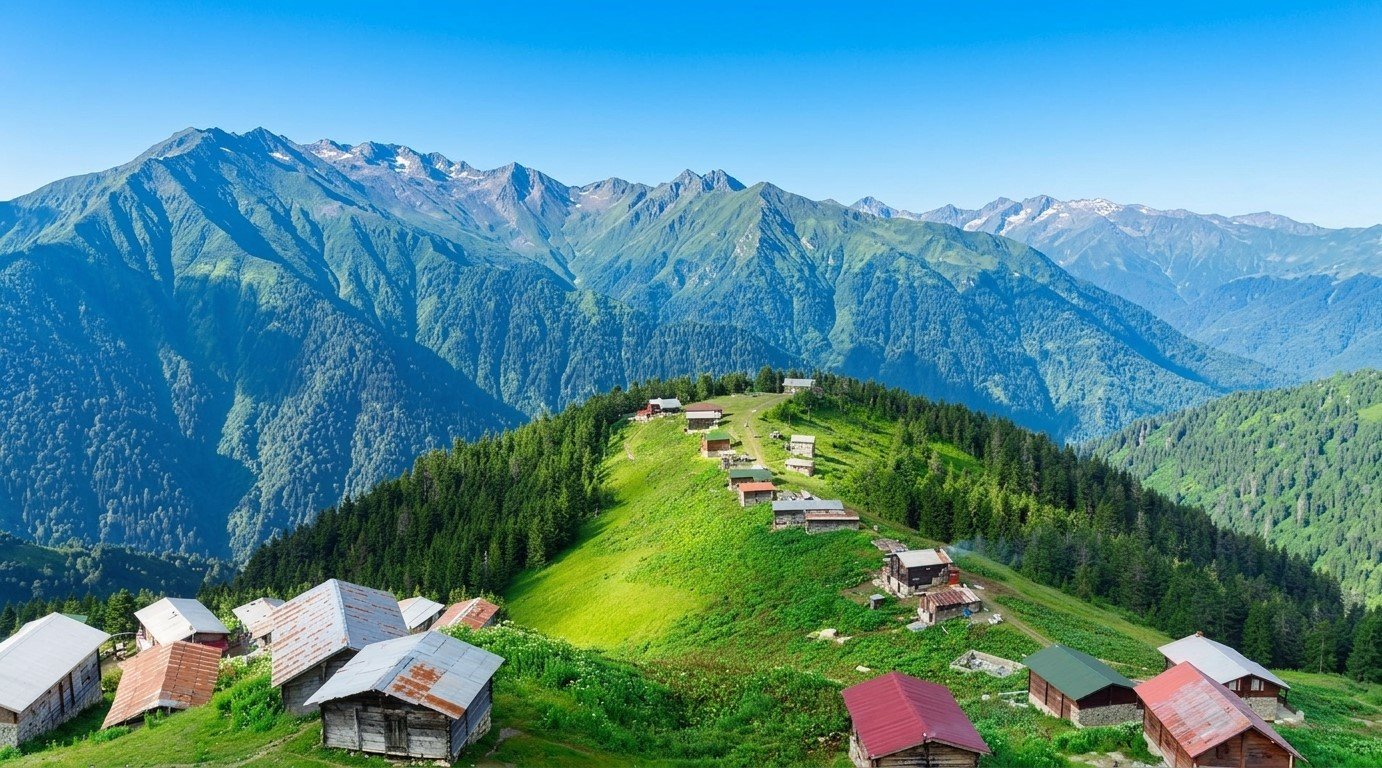
  • Wildlife of the Turkish Highlands: Nature and Mountain Animals of the Taurus Mountains

    The highlands and mountain regions of Turkey are home to an extraordinary variety of wildlife, reflecting the richness and diversity of their natural landscapes. From dense forests and alpine meadows to rocky valleys and high plateaus, Turkey’s mountains provide important habitats for numerous bird species, mammals, and other forms of wildlife.

    Among the most important mountain ecosystems in the country are the Taurus Mountains (Toros Dağları), which stretch across southern Turkey and form one of the country’s most impressive natural regions.

    Wildlife of the Taurus Mountains

    The Taurus Mountains support a wide range of animal species thanks to their varied landscapes, including forests, cliffs, rivers, and high-altitude grasslands.

    Birds of the Turkish Highlands

    The mountain forests and valleys of the Taurus region provide shelter for many resident and migratory birds. Visitors may encounter species such as:

    • Eagles
    • Falcons
    • Partridges
    • Quails
    • Turtledoves
    • Woodcocks
    • Pigeons
    • Blackbirds
    • Orioles
    • Chaffinches
    • Starlings

    Birdwatchers are especially attracted to the region because the mountains serve as important migration routes between Europe, Asia, and Africa.

    Mammals of the Taurus Mountains

    The remote forests and highland areas of southern Turkey are home to many wild mammals, including:

    • Red deer and fallow deer
    • Roe deer
    • Bezoar goats – wild mountain goats native to Anatolia
    • Wild boar
    • Foxes
    • Wolves
    • Golden jackals
    • Lynx
    • Martens
    • Rabbits
    • Hyenas (rare and mainly found in limited areas of southeastern Turkey)

    Some of these animals are difficult to observe because they avoid human activity and live in remote mountain environments. However, traces of their presence can often be discovered by experienced guides and nature enthusiasts.

    The Taurus Mountains: A Natural Paradise

    The Taurus Mountains extend along southern Turkey, creating spectacular scenery with deep valleys, pine forests, rivers, and high plateaus known as yaylas. These mountain areas have supported traditional pastoral lifestyles for centuries and continue to attract visitors interested in nature, hiking, and rural culture.

    The Taurus highlands cover parts of several provinces, including:

    • Antalya
    • Muğla
    • Mersin (İçel)
    • Adana
    • Hatay
    • Gaziantep

    Each region offers different landscapes and wildlife experiences, from Mediterranean forests near the coast to rugged mountain habitats inland.

    Wildlife Tourism and Outdoor Activities

    Turkey’s mountain regions provide excellent opportunities for:

    • Wildlife observation
    • Birdwatching
    • Hiking and trekking
    • Nature photography
    • Camping
    • Mountain biking
    • Eco-tourism experiences

    Popular nature areas connected with the Taurus Mountains include:

    • Köprülü Canyon National Park
    • Aladağlar National Park
    • Olympos–Beydağları coastal mountain region
    • Cilo and Sat Mountains National Park
    • Various highland villages and traditional yaylas

    Protecting Turkey’s Mountain Wildlife

    Conservation efforts are increasingly important as mountain ecosystems face challenges from urban expansion, tourism pressure, and habitat changes. National parks and protected areas help preserve Turkey’s unique biodiversity and provide safe environments for endangered and vulnerable species.

    The wildlife of Turkey’s highlands represents one of the country’s greatest natural treasures. Combined with breathtaking landscapes and ancient mountain traditions, the Taurus Mountains offer visitors a rare opportunity to experience the wild beauty of Anatolia.

  • Secularity and Secularism in Turkiye: History, Principles and Society

    Turkey is a country where religion, history, and modern state institutions have developed through a unique historical process. Although the majority of Turkey’s population is Muslim, the country is also home to various religious communities, including Orthodox Christians, Armenian Apostolic (Gregorian) Christians, Catholics, Protestants, Syriac Christians, Jews, and other faith groups.

    The Republic of Turkey defines itself as a secular state, meaning that state institutions are based on civil law rather than religious law, and citizens have the constitutional right to freedom of religion, belief, and conscience.

    The Development of Secularism in Turkey

    The foundations of modern Turkish secularism were established during the transformation from the Ottoman Empire to the Republic of Turkey in the early 20th century.

    After the Ottoman Empire came to an end following World War I, the Turkish War of Independence led by Mustafa Kemal Atatürk resulted in the establishment of the Republic of Turkey in 1923. The new republic introduced a series of political, legal, and social reforms aimed at creating a modern nation-state based on contemporary institutions.

    One of the central principles of these reforms was laiklik (Turkish secularism), which sought to separate religious authority from state administration while guaranteeing freedom of belief.

    Major Steps Toward Secularism

    Several important reforms shaped Turkey’s secular state structure:

    Abolition of the Caliphate (1924)

    On 3 March 1924, the Caliphate was abolished, ending the Ottoman institution that represented political and religious authority under the Ottoman system.

    At the same time:

    • Religious courts were replaced by a unified civil legal system.
    • The education system was unified under state control.
    • Religious and educational institutions were reorganized.

    These changes marked a major transition toward a modern state structure.

    Social and Legal Reforms

    Other reforms introduced during the early Republican period included:

    • Adoption of the Latin alphabet (1928)
    • Adoption of the Gregorian calendar
    • Changes to clothing regulations, including the Hat Reform
    • Modernization of legal institutions
    • Closure of religious orders and lodges (tekke and zaviye) in 1925
    • Changing the official weekly holiday from Friday to Sunday

    In 1937, secularism was officially added as one of the fundamental principles of the Turkish Constitution.

    Freedom of Religion and Belief

    Secularism in Turkey is based on the principle that citizens have freedom of conscience and religion. The Constitution protects the right of individuals to:

    • Practice their religion freely
    • Choose their beliefs
    • Have no religious belief
    • Participate or not participate in religious practices according to personal choice

    Religious discrimination based on personal beliefs is prohibited by law.

    The Presidency of Religious Affairs (Diyanet)

    Following the abolition of the Caliphate, the Presidency of Religious Affairs (Diyanet İşleri Başkanlığı) was established in 1924 as a state institution responsible for organizing religious services related mainly to Islam.

    Its responsibilities include:

    • Managing mosques
    • Providing religious services
    • Preparing educational and informational materials about Islam
    • Supporting religious affairs for Turkish citizens at home and abroad

    The institution operates through central offices, provincial and district organizations, and representatives abroad.

    Secularism in Contemporary Turkey

    Secularism remains one of the fundamental principles of the Republic of Turkey, although discussions about the relationship between religion, society, and the state continue to be part of public debate.

    Modern Turkish society includes a wide range of perspectives, from highly secular lifestyles to more traditional religious practices. The balance between secular state institutions and religious expression remains an important topic in Turkish social and political life.

    Religion and Daily Life

    Despite the secular structure of the state, religion continues to influence many aspects of cultural life in Turkey, including:

    • Religious holidays such as Ramadan and Eid celebrations
    • Family traditions
    • Architecture and historical heritage
    • Food culture
    • Social customs

    Visitors to Turkey will encounter a society where modern urban lifestyles, traditional customs, and religious practices exist together.

    Conclusion

    Turkey’s model of secularism represents a distinctive historical experience shaped by the transition from the Ottoman Empire to a modern republic. The country combines a predominantly Muslim population with a constitutional secular state system, creating a social environment where religion, culture, and modern institutions interact in complex and evolving ways.

  • Turkiye’s Neighbors and Geographic Location

    Turkey is a unique country located at the crossroads of Europe and Asia, connecting two continents through its strategic geographic position. The country’s location has shaped its history, culture, economy, and role as a bridge between different civilizations for thousands of years.

    Approximately 97% of Turkey’s territory lies in Asia (Anatolia), while around 3% is located in Europe (Eastern Thrace). These two parts are separated by a remarkable series of waterways: the Bosphorus Strait (İstanbul Boğazı), the Sea of Marmara, and the Dardanelles Strait (Çanakkale Boğazı).

    Size and Geography of Turkey

    Turkey covers approximately 783,562 square kilometers of land area, making it one of the largest countries in both Europe and the Middle East.

    To provide a comparison, Turkey is:

    • About 15 times larger than the Netherlands
    • Larger than many European countries combined
    • Similar in size to countries such as Chile or Zambia

    The country’s diverse geography includes:

    • High mountains
    • Fertile plains
    • Forest regions
    • Long coastal areas
    • Lakes and rivers
    • Semi-arid landscapes

    This geographical diversity creates a wide range of climates and ecosystems.

    Seas Surrounding Turkey

    Turkey is surrounded by four important seas, each contributing to the country’s natural beauty, economy, and tourism appeal:

    Black Sea (North)

    The Black Sea coastline stretches along northern Turkey and is known for:

    • Green mountain landscapes
    • Tea plantations
    • Traditional villages
    • Fishing communities
    • The scenic Black Sea coastal road

    Mediterranean Sea (South)

    The Mediterranean coast is famous for its warm climate, beaches, and tourism centers such as:

    • Antalya
    • Alanya
    • Kaş
    • Kemer
    • Side

    Aegean Sea (West)

    The Aegean coastline is rich in history and natural beauty, featuring:

    • Ancient Greek and Roman ruins
    • Island landscapes
    • Coastal towns such as Izmir, Bodrum, Çeşme, and Fethiye

    Sea of Marmara

    Located between Europe and Asia, the Sea of Marmara connects the Black Sea with the Aegean Sea through the Turkish Straits. It surrounds Istanbul and has great economic and historical importance.

    Turkey has approximately 8,000 kilometers of coastline, providing a remarkable variety of beaches, harbors, islands, and marine ecosystems.

    Turkey’s Neighboring Countries

    Turkey shares land borders with eight countries:

    Northwest

    • Greece – sharing a border in the European region of Thrace
    • Bulgaria – Turkey’s northern European neighbor

    Northeast

    • Georgia – located in the Caucasus region
    • Armenia – Turkey’s eastern neighbor

    East

    • Iran – one of Turkey’s oldest regional neighbors

    Southeast

    • Iraq
    • Syria

    These borders place Turkey at the meeting point of Europe, the Caucasus, the Middle East, and the Mediterranean world.

    Strategic Importance of Turkey’s Location

    Turkey’s geography has given it exceptional strategic importance throughout history. The Turkish Straits, especially the Bosphorus and Dardanelles, are among the world’s most important maritime passages, connecting the Black Sea with global shipping routes.

    This location has influenced:

    • Ancient trade routes
    • The Byzantine and Ottoman empires
    • Modern international commerce
    • Energy transportation corridors
    • Cultural exchange between continents

    Travel Perspective

    For visitors, Turkey’s geographic diversity means that a single country offers many different experiences:

    • Mediterranean beaches and resorts
    • Ancient archaeological sites
    • European-style cities
    • Asian landscapes
    • Mountain villages
    • Unique natural wonders such as Cappadocia and Pamukkale

    Turkey’s position between continents is not only a geographical fact – it is the foundation of the country’s extraordinary cultural and natural richness.

  • Customs Regulations in Turkiye: Entry and Exit Guide for Travelers

    Understanding Turkey’s customs regulations helps visitors enjoy a smooth arrival and departure. Customs procedures are generally straightforward, and most tourists pass through without difficulty. However, travelers should be aware of rules regarding valuable items, antiques, carpets, electronics, medicines, tobacco, alcohol, and restricted goods.

    Turkey has strict laws protecting its cultural heritage, and the export of archaeological artifacts and antiques is prohibited. Visitors who purchase traditional products such as carpets, handicrafts, or valuable souvenirs should keep all purchase documents to avoid problems when leaving the country.


    Arrival in Turkey (Entry Regulations)

    Customs officers generally do not inspect every tourist’s luggage upon arrival, but they have the right to examine baggage when necessary.

    Travelers may bring personal belongings into Turkey duty-free, provided they are intended for personal use and not for commercial purposes.


    Personal Electronic Items Allowed

    Visitors may bring personal electronic equipment, including:

    • One television set
    • One portable color television (maximum 16 cm screen)
    • One television-radio combination
    • One video camera and up to five blank video cassettes
    • Five records, audio cassettes, or compact discs
    • One video player
    • One 8 mm cine projector and ten blank film rolls
    • One slide projector
    • One pocket computer (maximum 128 KB RAM according to older regulations)
    • Electronic games and personal entertainment devices
    • One transistor radio or portable radio-tape player
    • One Walkman or portable cassette recorder
    • One portable compact disc player

    Cameras and Photography Equipment

    Tourists may bring:

    • One camera
    • Up to five rolls of film
    • Personal photography equipment

    Professional equipment or unusually valuable items may require documentation.


    Musical Instruments

    Visitors may bring personal musical instruments, including:

    • Harmonica
    • Mandolin
    • Flute
    • Guitar
    • Accordion

    A maximum of three instruments is generally permitted, provided they are for personal use.


    Sports Equipment and Personal Items

    Duty-free personal items include:

    • Sports equipment
    • Medical supplies needed during travel
    • Bicycle
    • Baby stroller
    • Children’s toys
    • Portable typewriter
    • Other personal travel necessities

    Tobacco Allowances

    Travelers may bring limited quantities of tobacco products.

    The duty-free allowance includes:

    • 200 cigarettes
    • 50 cigars
    • 200 grams of tobacco

    Alternative allowances may include:

    • 200 cigarette papers
    • 50 grams of chewing tobacco
    • 200 grams of pipe tobacco
    • 200 grams of snuff

    Additional tobacco products may be purchased from Turkish Duty Free Shops upon arrival according to current regulations.


    Food and Beverage Allowances

    Visitors may bring limited amounts of:

    Coffee and Tea

    • 1.5 kg coffee
    • 1.5 kg instant coffee
    • 500 grams of tea

    Sweets

    • 1 kg chocolate
    • 1 kg confectionery

    Alcohol

    • Five bottles of wine or spirits (100 ml bottles), or
    • Seven bottles of wine or spirits (70 ml bottles)

    Perfume

    • Five bottles of perfume (maximum 120 ml each)

    Valuable Items and Currency Declaration

    Valuable belongings and items worth more than US$15,000 should be declared and registered in the traveler’s passport upon entering Turkey.

    This registration helps prevent difficulties when taking these items out of the country.

    Examples include:

    • Expensive jewelry
    • Professional equipment
    • High-value electronic devices
    • Collectible items

    Mobile Phones and Electronic Devices

    Travelers entering Turkey with mobile phones should carry proof of ownership.

    The device may need to be registered or documented according to Turkish telecommunications regulations, especially for long-term use in Turkey.

    Visitors should keep:

    • Purchase receipts
    • Ownership documents
    • Passport information

    Restricted and Prohibited Items

    The following items require special permission or are prohibited:

    Weapons and Sharp Objects

    Weapons and sharp instruments, including camping knives, cannot be brought into Turkey without official authorization.

    Drugs and Narcotics

    The possession, import, sale, or consumption of:

    • Marijuana
    • Illegal drugs
    • Narcotic substances

    is strictly prohibited and may result in severe legal penalties.


    Gifts and Personal Imports

    Non-commercial gifts may be imported duty-free if they remain within the permitted value limits established by Turkish customs regulations.

    Gifts sent by post may also qualify for duty-free treatment under specific conditions, including certain holiday periods such as:

    • Şeker Bayramı (Eid al-Fitr)
    • Kurban Bayramı (Eid al-Adha)
    • Christmas
    • New Year

    Travelers should check the latest customs limits before sending valuable packages.


    Cultural Heritage and Antiques

    Turkey has some of the strictest laws in the world regarding the protection of historical artifacts.

    The export of:

    • Archaeological objects
    • Ancient coins
    • Historical artifacts
    • Antiquities

    is strictly forbidden.

    Even accidentally carrying a small historical object, such as an ancient stone fragment or archaeological piece, can lead to serious legal problems.

    Visitors should purchase antiques only from licensed dealers and keep official documentation.


    Buying Turkish Carpets and Handicrafts

    Turkish carpets are among the country’s most popular souvenirs, but special attention is required when purchasing older pieces.

    When taking a carpet out of Turkey:

    New carpets require:

    • Official purchase receipt
    • Proof of payment
    • Currency exchange documentation when required

    Older carpets may require:

    • A certificate from the seller
    • A document from a local museum confirming that the carpet is not an antique

    Always buy carpets from reputable shops that provide proper export documents.


    Leaving Turkey (Exit Regulations)

    Customs checks are generally more detailed when leaving Turkey, especially regarding cultural objects and valuable goods.

    Travelers may be asked to provide proof that items being exported were legally purchased.


    Exporting Souvenirs and Valuable Goods

    For carpets and handicrafts:

    • New carpets require proof of purchase.
    • Old carpets require certification from an authorized museum or cultural authority.

    Valuable personal items can only leave Turkey if:

    • They were registered upon arrival, or
    • The owner can prove they were legally purchased using documented currency exchange.

    Export of Minerals

    Minerals collected in Turkey may require official permission before export.

    A special document must be obtained from:

    General Directorate of Mineral Research and Exploration (MTA)
    Ankara, Turkey

    Travelers should not remove geological specimens from protected areas or archaeological locations without authorization.


    Practical Customs Tips for Travelers

    To avoid problems at Turkish customs:

    • Keep all receipts for expensive purchases.
    • Do not buy antiques without official documentation.
    • Never remove archaeological stones, coins, or artifacts from historical sites.
    • Declare valuable personal items when necessary.
    • Keep passport records and purchase documents together.
    • Purchase souvenirs from licensed businesses.
    • Check the latest regulations before traveling, as allowances may change.

    Enjoy Turkey with Confidence

    Turkey welcomes millions of visitors every year, and customs procedures are designed to protect both travelers and the country’s cultural heritage. By following simple rules—especially regarding antiques, carpets, valuable goods, and restricted items—visitors can enjoy their journey without unnecessary complications.

    Respecting Turkey’s customs regulations not only ensures a smooth trip but also helps preserve one of the world’s richest collections of historical and cultural treasures for future generations.