Author: tur

  • The Best Time to Visit Turkiye: A Seasonal Guide for Travelers

    The Best Time to Visit Turkiye: A Seasonal Guide for Travelers

    When Is the Best Time to Travel Around Turkey?

    Turkey is a year-round destination, but the ideal time to visit depends on the type of holiday you are planning. With its diverse geography, the country offers everything from sun-soaked Mediterranean beaches and alpine ski resorts to vibrant cities, ancient archaeological sites, and spectacular mountain landscapes.

    For travelers planning a sightseeing tour, the most pleasant seasons are spring (April to May) and autumn (September to October). During these months, temperatures are comfortable, popular attractions are less crowded than in peak summer, and much of the country enjoys sunny days with relatively little rainfall.

    Spring: Nature at Its Best

    Spring is one of the most beautiful times to explore Turkey. Wildflowers bloom across the countryside, parks and gardens come alive with color, and historical sites can be visited without the intense summer heat.

    Cities such as Istanbul, Ankara, and İzmir enjoy mild temperatures, making walking tours and outdoor sightseeing particularly enjoyable. Cappadocia’s valleys are especially picturesque in spring, while the Aegean and Mediterranean coastlines begin welcoming visitors before the busy holiday season arrives.

    Spring is also an excellent time for hiking, photography, cultural festivals, and exploring Turkey’s many UNESCO World Heritage Sites.

    Summer: Perfect for Beach Holidays

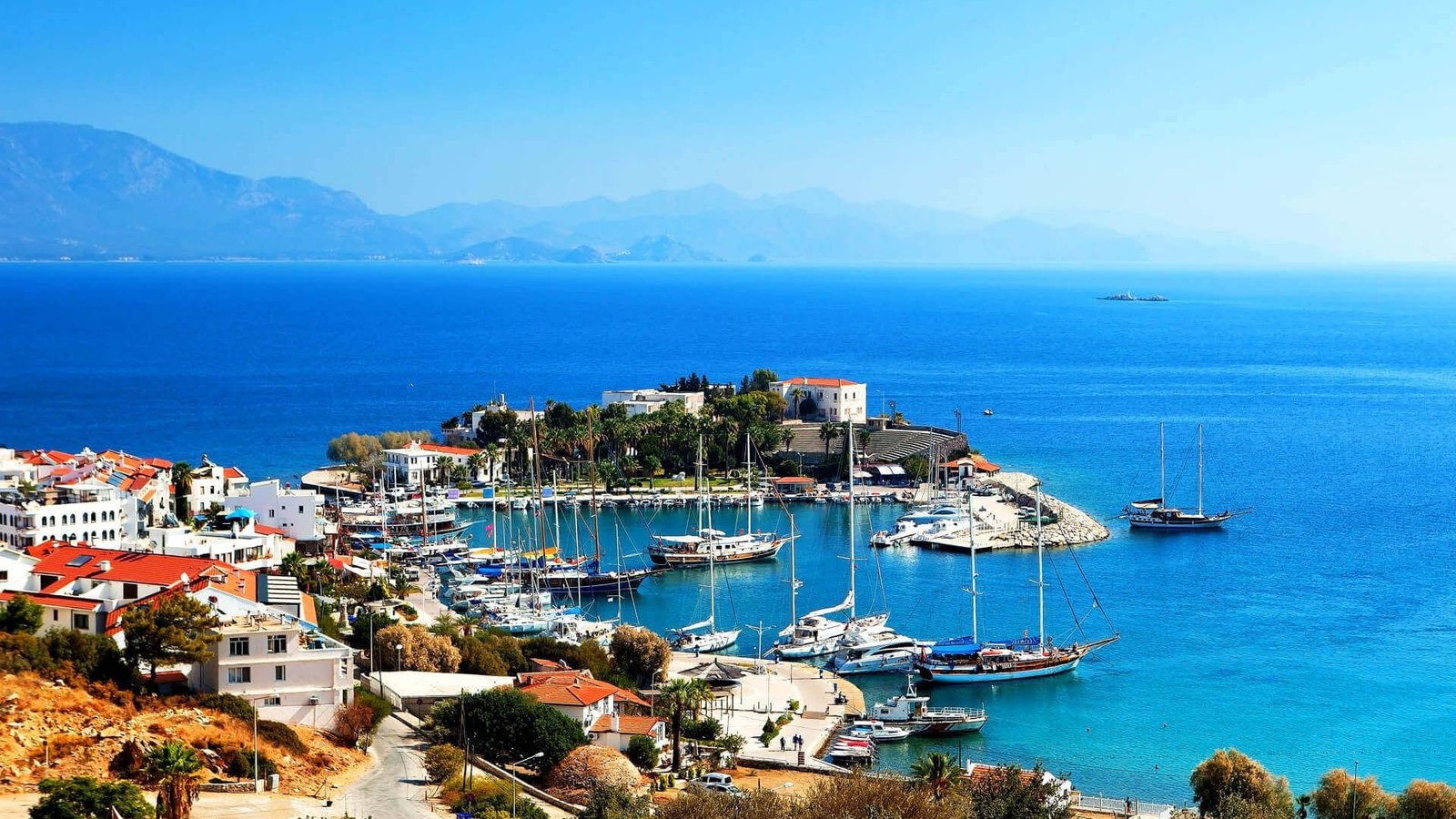
    From June through September, Turkey’s coastline becomes one of Europe’s most popular summer holiday destinations. The warm waters of the Mediterranean, Aegean, and southern Black Sea attract visitors looking for sunshine, swimming, sailing, and water sports.

    Resort towns such as Antalya, Bodrum, Marmaris, Fethiye, and Kuşadası enjoy long, sunny days and consistently warm sea temperatures throughout the season.

    While coastal breezes help moderate the heat, inland cities and central Anatolia can experience very high daytime temperatures during July and August. Travelers planning to visit archaeological sites or major cities during midsummer are advised to begin sightseeing early in the morning or later in the afternoon.

    Autumn: Comfortable Weather and Fewer Crowds

    Autumn is another outstanding season for touring Turkey. The intense summer heat gradually gives way to mild, pleasant weather, creating ideal conditions for exploring both cities and natural landscapes.

    September and October are particularly popular with travelers who wish to combine cultural sightseeing with a relaxing beach holiday, as sea temperatures remain warm while visitor numbers begin to decline.

    Harvest season also brings an abundance of fresh local produce, making autumn an excellent time to experience Turkey’s renowned cuisine and regional food festivals.

    Winter: A Different Side of Turkey

    Winter offers a completely different travel experience. Coastal regions along the Aegean and Mediterranean generally enjoy relatively mild winters, while the interior of Anatolia and Eastern Turkey experience cold temperatures and significant snowfall.

    These conditions create excellent opportunities for winter sports. Ski resorts in destinations such as Uludağ, Palandöken, Erciyes, and Kartalkaya welcome visitors from December through March.

    Although snow may occasionally affect travel in mountainous regions, winter also offers the chance to experience Turkey’s historic cities, museums, and cultural attractions with far fewer tourists.

    Understanding Turkey’s Diverse Climate

    Turkey’s climate varies considerably from one region to another:

    • The Mediterranean and Aegean coasts experience hot, dry summers and mild, rainy winters.
    • The Black Sea region enjoys lush green landscapes and receives rainfall throughout much of the year.
    • Central Anatolia has a continental climate with hot summers, cold winters, and relatively low rainfall.
    • Eastern Anatolia experiences long, snowy winters and pleasantly warm summers, with greater temperature differences between seasons.

    Because of these regional variations, travelers can often find favorable weather somewhere in Turkey regardless of the time of year.

    Planning the Perfect Turkish Holiday

    For most travelers interested in discovering Turkey’s rich history, vibrant culture, and breathtaking landscapes, April, May, September, and October offer the best combination of pleasant temperatures, comfortable sightseeing conditions, and excellent travel opportunities.

    Beach lovers will find June through September ideal for enjoying the country’s famous coastline, while winter visitors can experience snow-covered mountains, ski resorts, and quieter cultural attractions.

    No matter when you choose to visit, Turkey offers an extraordinary blend of history, nature, hospitality, and unforgettable experiences that make every season a rewarding time to explore this fascinating destination.

  • Driving in Turkiye – modern highways and excellent roadside facilities

    Exploring Turkey by Car

    Driving is one of the best ways to discover Turkey’s incredible diversity. From scenic Mediterranean coastal highways and winding mountain roads to historic villages and spectacular archaeological sites, traveling by car gives you the freedom to explore the country at your own pace.

    Turkey has an extensive and continually improving road network that connects major cities, seaside resorts, national parks, and remote cultural attractions. Whether you rent a vehicle or bring your own, careful planning will help ensure a safe and enjoyable journey.

    Driver’s License Requirements

    Visitors can drive in Turkey using a valid driver’s license that is recognized under Turkish regulations. Depending on your country of residence, an International Driving Permit (IDP) may be required or strongly recommended, particularly if your license is not issued in the Latin alphabet.

    When driving, always carry:

    • Your valid driver’s license.
    • An International Driving Permit, if required.
    • Your passport or another accepted form of identification.
    • Vehicle registration documents.
    • Valid vehicle insurance documentation.
    • Rental agreement (if using a rental car).

    These documents may be requested during routine traffic checks or in the event of an accident.

    Renting a Car in Turkey

    Renting a vehicle is straightforward, with major international car rental companies operating alongside numerous reputable local agencies. Rental offices are available at international airports, major cities, and many popular tourist destinations.

    A rental car is an excellent option for travelers wishing to explore regions such as Cappadocia, the Turquoise Coast, the Aegean coastline, or the scenic Black Sea region, where many attractions are spread across wide areas.

    Road Conditions

    Turkey’s highway infrastructure has improved significantly over recent decades. Modern divided highways connect many of the country’s largest cities, while well-maintained regional roads provide access to smaller towns and tourist attractions.

    Road signs generally follow international standards, making navigation straightforward for international visitors. Historical monuments, archaeological sites, museums, and other cultural attractions are often marked by distinctive brown or yellow tourist information signs.

    Mountain roads may be narrow and winding in some regions, so extra care should be taken, particularly during winter or adverse weather conditions.

    Driving Rules

    Vehicles drive on the right-hand side of the road, as in most European countries.

    Speed limits vary depending on the type of road and vehicle. While limits may change and are always indicated by road signs, the general limits for passenger cars are typically:

    • 50 km/h in urban areas.
    • 90 km/h on standard rural roads.
    • Higher limits apply on divided highways and motorways, where posted.

    Drivers should always obey local traffic signs, wear seat belts, avoid using handheld mobile phones while driving, and never drive under the influence of alcohol.

    Fuel and Roadside Services

    Fuel stations are widely available throughout Turkey, including in rural areas and along major highways. Many service stations operate 24 hours a day and offer additional amenities such as restaurants, cafés, convenience stores, rest areas, and clean restroom facilities.

    Both gasoline and diesel fuels are readily available, and most stations accept major credit and debit cards.

    Bringing Your Own Vehicle

    Travelers entering Turkey with their own vehicle must carry:

    • A valid passport.
    • A recognized driver’s license.
    • Vehicle registration documents.
    • Valid international motor insurance covering Turkey or another accepted insurance policy.

    Foreign-registered vehicles may generally remain in Turkey for a limited period, subject to Turkish customs regulations and the driver’s residency status. Travelers should verify the latest customs requirements before departure, as permitted lengths of stay and documentation requirements may change.

    If your existing vehicle insurance does not provide coverage in Turkey, border insurance may be available when entering the country through designated border crossings.

    Tips for a Safe Road Trip

    A little preparation can make your journey even more enjoyable:

    • Plan long-distance routes in advance.
    • Use a reliable GPS navigation app or offline maps.
    • Carry water, especially during the hot summer months.
    • Be prepared for changing weather conditions when driving through mountainous regions.
    • Take regular breaks during long journeys.
    • Observe local traffic regulations and speed limits at all times.

    Discover Turkey at Your Own Pace

    Traveling by car allows you to experience a side of Turkey that many visitors never see. From ancient ruins hidden among olive groves to charming villages, panoramic mountain passes, and secluded beaches, the country’s road network opens the door to countless unforgettable adventures.

    With modern highways, reliable rental services, and excellent roadside facilities, a self-drive holiday is one of the most rewarding ways to experience Turkey’s remarkable landscapes, rich history, and warm hospitality.

  • Buying Antiquities and Antiques in Turkiye: What Every Traveler Should Know

    Shopping for Historical Treasures in Turkey

    Turkey is a paradise for shoppers, offering everything from handcrafted ceramics and handwoven carpets to traditional jewelry, copperware, leather goods, and fine textiles. While browsing the country’s famous bazaars and antique shops can be an exciting part of any trip, visitors should understand the laws governing the purchase and export of historical objects.

    Turkey has one of the world’s richest archaeological heritages, with countless civilizations—including the Hittites, Greeks, Romans, Byzantines, Seljuks, and Ottomans—leaving behind invaluable cultural treasures. To protect this heritage, the country enforces strict regulations on the ownership and export of antiquities.

    Understanding Turkey’s Antiquities Laws

    The export of genuine antiquities and protected cultural artifacts from Turkey is strictly regulated by law. Objects considered part of the nation’s cultural heritage cannot be taken out of the country without official authorization.

    Attempting to export protected antiquities illegally may result in the confiscation of the item, substantial fines, legal proceedings, and, in serious cases, criminal penalties. Travelers should therefore exercise caution whenever purchasing objects that appear to be ancient or historically significant.

    How to Shop Safely

    When purchasing antiques or collectible items, buy only from reputable dealers and established galleries. If a seller claims that an object is an authentic historical artifact, always request documentation confirming that it may legally be sold and, if applicable, exported.

    If there is any uncertainty about an item’s status, avoid purchasing it until its legality has been verified.

    Many shops throughout Turkey specialize in high-quality reproductions inspired by ancient Anatolian, Greek, Roman, Byzantine, and Ottoman designs. These beautifully crafted replicas make excellent souvenirs and can usually be exported without difficulty.

    Export Certificates

    In cases where an item is eligible for legal export, an official export certificate may be required before it can leave Turkey.

    These certificates are issued by the appropriate museum authorities after the object has been examined and determined not to be a protected cultural artifact. Without the necessary documentation, customs officials may prevent the item from being exported while its status is investigated.

    Travelers should always keep receipts, invoices, and any official certificates with their purchases, as they may be requested during customs inspections.

    What Makes a Great Souvenir Instead?

    Fortunately, Turkey offers countless authentic souvenirs that reflect its rich artistic traditions without raising legal concerns. Popular choices include:

    • Handwoven Turkish carpets and kilims.
    • İznik-style ceramics and hand-painted pottery.
    • Traditional copper and brass handicrafts.
    • Handmade jewelry.
    • Leather goods.
    • Turkish delight and regional sweets.
    • Spices, teas, and Turkish coffee.
    • Evil eye (nazar) ornaments.
    • Ottoman-inspired decorative items and handcrafted home accessories.

    These locally made products allow visitors to take home a genuine piece of Turkish culture while supporting traditional artisans and local businesses.

    Protecting Turkey’s Cultural Heritage

    Turkey’s laws on antiquities are designed to preserve archaeological discoveries and historic objects for future generations. By respecting these regulations and purchasing responsibly, travelers play an important role in protecting one of the world’s richest cultural legacies.

    If you are ever unsure whether an item qualifies as an antique or cultural artifact, seek advice from the seller, a local museum, or the relevant authorities before making your purchase. A little extra care will help ensure that your shopping experience is both enjoyable and fully compliant with Turkish law.

  • The most convenient and affordable ways to travel around Turkiye is by using a dolmus

    One of the most convenient and affordable ways to travel around Turkey is by using a dolmuş, the country’s popular shared minibus or shared taxi service. Operating on fixed routes with set fares, dolmuş vehicles provide an efficient means of transportation for both locals and visitors.

    Unlike regular taxis, a dolmuş follows a designated route and picks up or drops off passengers along the way. Payment is made directly to the driver, and because the fare is fixed, there is no expectation of tipping.

    In many towns and cities, dolmuş services complement the public transportation network, offering frequent departures throughout the day. While municipal buses are also widely available, service quality can vary by location. In larger cities, buses are generally modern and comfortable, whereas some routes—particularly during rush hours—can become crowded.

    For travelers looking for an inexpensive and authentic way to explore Turkey, the dolmuş is a practical, reliable, and widely used transportation option.

  • Taxis Services in Turkiye

    Taxis are a convenient and widely available way to travel within Turkey’s cities and towns. Both metered taxis and shared taxi services operate throughout the country, making them a practical option for short journeys, airport transfers, and local sightseeing.

    Most taxis are equipped with taximeters, and fares are generally affordable when the meter is used correctly. Before beginning your journey, always ensure that the driver switches on the taximeter. If a driver refuses to use the meter or attempts to negotiate an inflated fare without prior agreement, it is advisable to choose another taxi whenever possible.

    In major tourist destinations such as Istanbul and Ankara, visitors should remain attentive, as a small number of drivers may attempt to overcharge tourists by not activating the meter or taking unnecessarily long routes. To avoid misunderstandings, confirm that the taximeter has been reset at the start of your trip and monitor the route using a navigation app if needed.

    Many taxis accept both cash and credit cards, although carrying some Turkish lira is recommended, especially in smaller towns. Tipping is appreciated but not obligatory; simply rounding up the fare is considered a polite gesture for good service.

    By choosing licensed taxis and ensuring the meter is in use, travelers can enjoy a safe, comfortable, and reliable way to explore Turkey.