Author: tur

  • Winter Sports in Turkey

    Turkey’s geographical position and conditions create great potential for Winter Sports. With an average altitude of 1000 in, the Anatolian peninsula is covered with North Anatolian Mountains (2587-3932 in) in the North and Toros (Taurus) Mountains (3086-4136 in) in the South. The Central and East Anatolian high plateaus are enchanted by extinct volcanic mountains such as Mt. Erciyes (3917 in) and Mt. Agri (5137 in). During the normal winter conditions the height of the snow reaches approximately 3 meters, and, covered with forests, the natural beauty of the mountainous areas is stunning.

  • The Cultural and Historical Identity of Turkey

    The Cultural and Historical Identity of Turkey

    The vibrancy of Turkish culture is so rich and layered that it cannot be confined to a single definition. It is shaped by the deep and diverse history of Anatolia and influenced by the Mediterranean, the Middle East, the Caucasus, Eastern Europe, and the Aegean world. This unique geographical position has made Turkey a historical bridge between continents and civilizations.

    Throughout history, Anatolia—like Istanbul—has hosted and nurtured numerous cultural centers. Many great civilizations have risen, flourished, and left lasting legacies in this region, including architectural monuments, languages, traditions, and artistic expressions. These overlapping layers of civilization continue to define and enrich Turkey’s cultural identity today.

    One of the most distinctive elements of this heritage is the tradition of coexistence. Over centuries, different religions, languages, and ethnic communities have lived together in Anatolia and Istanbul. This culture of tolerance, rooted in imperial capitals that once governed vast and diverse populations, has been passed down and remains an important aspect of modern Turkish society. In this sense, Turkey carries forward a historical legacy of multicultural interaction that continues to influence its social fabric.

    Between 1923 and the early 21st century, Turkey underwent profound transformation. In less than a century, the country shifted from a predominantly rural and traditional society into a largely urban and modern one, where most of the population now lives in metropolitan areas. This rapid urbanization has reshaped lifestyles, education, communication, and cultural production.

    Economically, Turkey also experienced significant change. What was once largely an agriculture-based economy gradually evolved into a more diversified and industrialized system. Today, Turkey participates in global trade networks and maintains strong economic relations, including its Customs Union with the European Union. This transition reflects both structural modernization and integration into the global economy.

    Politically, the transformation has been equally profound. The end of the Ottoman Empire and the establishment of the Republic in 1923 marked the transition from a sultanate to a secular, constitutional, multi-party democracy. This shift fundamentally redefined governance, citizenship, and national identity, replacing imperial rule with republican institutions and representative government.

    The Ottoman Empire’s historically diverse and multi-religious structure has left a complex legacy that continues to influence modern Turkey. Today, Christian communities, Assyrian monasteries, the Jewish population, and various other minority groups continue to exist alongside the Muslim majority. While challenges remain, this coexistence reflects an enduring historical pattern of diversity within Anatolia.

    At the same time, there is often a perception that Turkey’s cultural depth and historical achievements are not fully recognized internationally. As a result, moments of national success in sports, such as during major football tournaments, or achievements in music, arts, and cinema, are often sources of collective pride and visibility for the Turkish people.

    Ultimately, Turkey’s cultural identity is the result of centuries of interaction between civilizations, continuous transformation, and adaptation. It is a country where ancient heritage and modern development coexist, forming a dynamic and evolving cultural landscape that continues to shape its role in the world today.

  • Sports in Turkey

    There are number of sports which take place in Turkey and its districts.
    The Most Popular activities are:
    Track and Field, Basketball, Football (Soccer), Billiard, Wrestling, Bicycling, Marshall Art, Handball, Swimming, Body Building, Sailing, Table Tennis, Chess, Boy or Girl Scout, Volleyball, Boxing, Diving, Hunting

  • Turkish Economy

    Turkey is one of the only regional countries that export agricultural produce such as cotton, tobacco, fruit and vegetables. Agriculture accounts for over 15% of total economic output and is a major employer, particularly of women. There are also sizeable mining and manufacturing industries. Tourism is one of the largest service sectors and serves as a key source of foreign exchange. Turkey is attempting to become part of the European Union and as a result many social and economic reforms are taking place throughout the country. As a result of this European alignment, Turkey’s trading partners have expanded widely from the Middle East, Europe, Balkans, Asia, Australia to America.

    In the aftermath of the Cold War, Turkey has moved from the periphery of Europe to the center of the new political and economic reality of Eurasia. This region, which includes Central Asia, the Caucasus and the countries of the Black Sea, attracts increasing attention not only because of its potential as one of the world’s most important energy-producing areas, but also because of its position as a transport corridor linking East and West.

    Turkey has historic, cultural and linguistic ties with the majority of the countries in these regions. Turkey has significantly improved economic and trade relations in the region and Turkish companies have experienced phenomenal growth through their expansion into these markets. Since 1992, Turkey’s trade volume with the region has reached almost $6 billion. Turkey’s total volume of regional investment also exceeds $6 billion. Turkish contractors have become major players in the international construction market due to their reliability, creativity and cost effectiveness. Turkish contractors have undertaken projects in Central Asia, the Russian Federation and around the world with a total value of almost $40 billion.

  • The population of Turkey

    Turkey is one of the most populous and dynamic countries in its region, distinguished by its young population, cultural diversity, and rapidly developing urban centers. Positioned between Europe and Asia, the country has experienced significant demographic, economic, and social transformation over the past several decades.

    According to official population estimates for 2024, Turkey has a population of approximately 85.5 million people, making it one of the largest countries in Europe and the Middle East in terms of population size.

    A Young and Dynamic Population

    Turkey’s population is generally characterized by its youthful structure and energetic workforce. A significant portion of the population is made up of young people, contributing to the country’s economic growth, educational expansion, and cultural vitality.

    Although demographic trends have gradually shifted in recent years due to urbanization and changing family structures, Turkey still maintains a relatively young population compared to many European countries.

    Urbanization and Rural Population

    Over recent decades, Turkey has experienced rapid urbanization, with millions of people moving from villages and rural regions to major cities in search of employment, education, and better living standards.

    Today:

    • The majority of Turkey’s population lives in urban areas
    • Large metropolitan cities continue to expand rapidly
    • Rural communities remain important, particularly in agriculture and traditional industries

    While rural populations have declined compared to previous decades, many villages and smaller towns still preserve traditional lifestyles, customs, and regional cultures.

    Language in Turkey

    The official language of Turkey is Turkish, which is spoken throughout the country. Turkish is used in government institutions, education, media, and daily communication.

    Foreign languages are also widely taught and spoken, especially in major cities and tourist areas.

    English

    English is the most commonly spoken foreign language in Turkey, particularly among:

    • Young people
    • University students
    • Tourism workers
    • Hotel and restaurant staff
    • Business professionals

    Visitors to tourist destinations such as Istanbul, Antalya, Bodrum, Cappadocia, and Izmir can usually communicate in English without major difficulty.

    Other Foreign Languages

    German and French are also spoken by some segments of the population, especially among educated communities and people working in tourism, international trade, and academia.

    Many Turkish schools, colleges, and universities offer education programs that include:

    • English-language instruction
    • International curricula
    • Foreign language preparation programs

    Turkey is home to numerous universities where courses are taught partly or entirely in English.

    Major Cities of Turkey

    Istanbul

    Istanbul is Turkey’s largest and most internationally recognized city. Historically known as Byzantium and Constantinople, it served as the capital of the Roman, Byzantine, and Ottoman Empires.

    Today, Istanbul is:

    • Turkey’s economic and cultural center
    • One of the world’s largest metropolitan areas
    • Home to approximately 15–16 million inhabitants

    The city spans two continents — Europe and Asia — separated by the Bosphorus Strait.

    Ankara

    Ankara is the capital city of Turkey and the country’s political and administrative center.

    Ankara has a population of approximately 5.8 million people and is known for:

    • Government institutions
    • Universities
    • Diplomatic missions
    • Modern urban development

    Other Major Cities

    Izmir

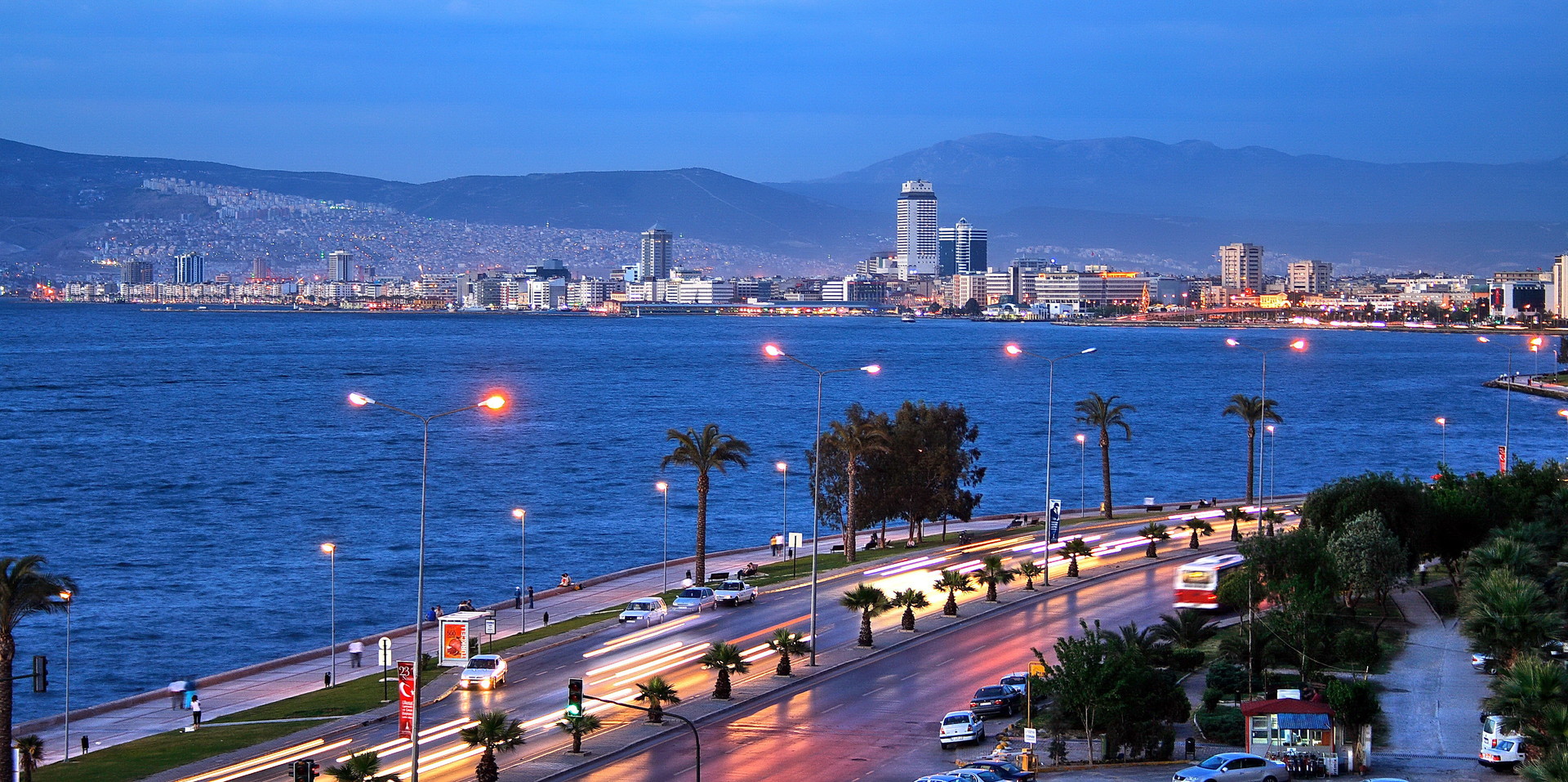
    Located on the Aegean coast, Izmir is Turkey’s third-largest city and an important commercial and cultural center.

    Bursa

    Bursa is one of Turkey’s major industrial cities and was the first capital of the Ottoman Empire.

    Antalya

    Antalya is internationally famous for tourism, Mediterranean beaches, and resort destinations.

    Konya

    Konya is known for its religious and historical significance, especially as the city of the famous Sufi philosopher Mevlana Rumi.

    Adana

    Adana is an important industrial and agricultural center located in southern Turkey.

    Cultural Diversity

    Turkey’s population reflects a rich mixture of regional traditions, cultural identities, and historical influences shaped by centuries of migration and empire. Different regions of the country preserve distinct customs, cuisines, dialects, music, and lifestyles.

    This diversity contributes to Turkey’s vibrant social life and unique cultural character.

    Conclusion

    Turkey is a large and dynamic country with a young population, rapidly growing cities, and a rich cultural heritage. Its blend of modern urban life and traditional communities creates a unique social landscape that continues to evolve.

    With major metropolitan centers such as Istanbul and Ankara, a growing education system, and increasing international connections, Turkey remains one of the most influential and strategically important countries in its region.