Category: Archaeology

  • Ancient City of Şuayb (Şuayb City), Harran, Şanlıurfa

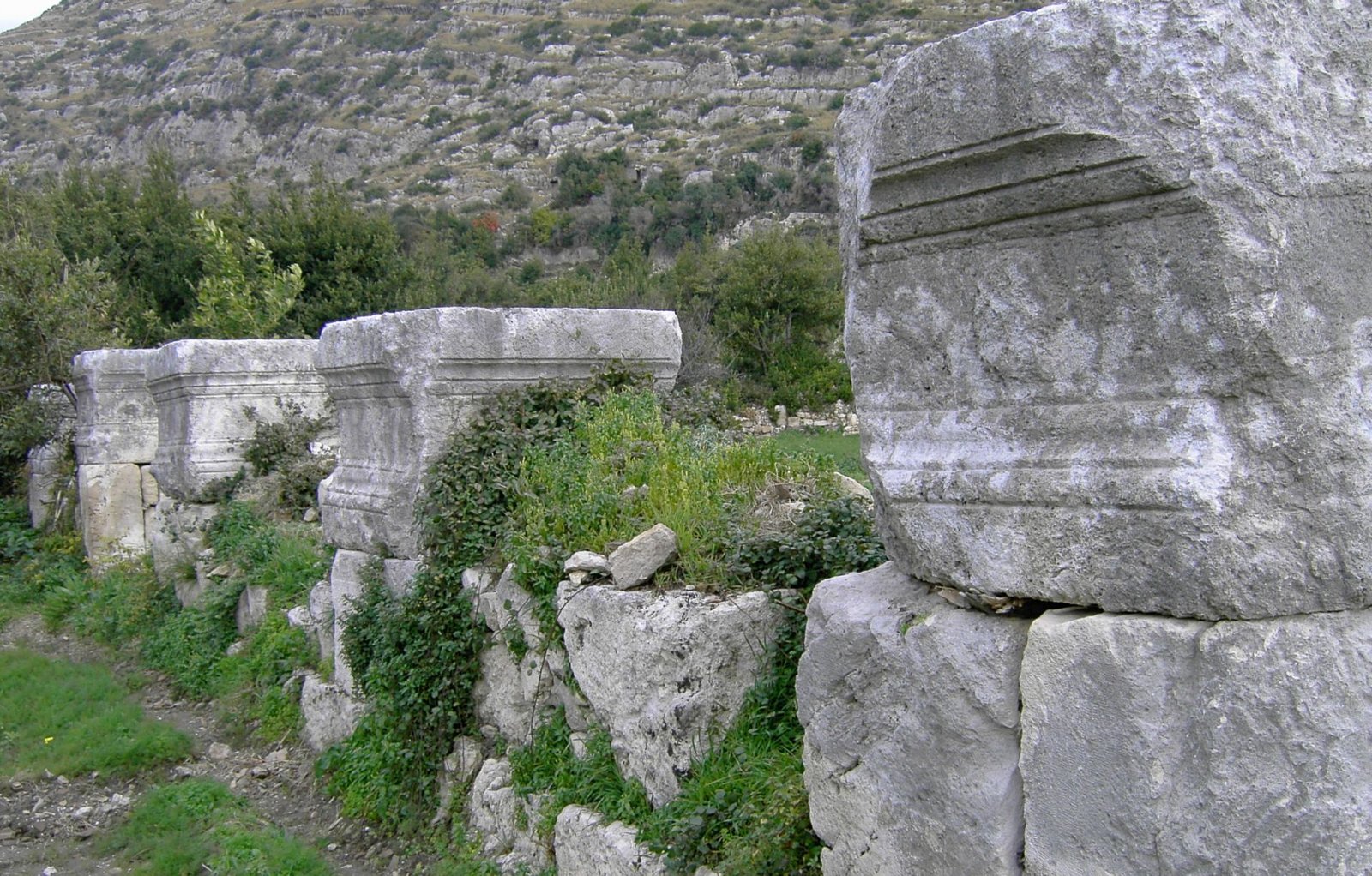
    Located approximately 45 kilometers south of Harran in Türkiye’s historic Şanlıurfa Province, the Ancient City of Şuayb (Şuayb Şehri) is one of the region’s lesser-known archaeological treasures. Surrounded by the vast plains of southeastern Anatolia, this fascinating site combines ancient Roman architecture with local religious traditions, attracting history enthusiasts, archaeologists, and pilgrims alike.

    A Roman-Era Settlement

    The visible remains of Şuayb City date primarily to the Roman and Late Roman periods, when the settlement was an important regional community. Archaeological evidence suggests that the city once contained numerous public buildings, residences, and religious structures constructed from carefully cut limestone blocks, a common building material throughout the region.

    The settlement flourished due to its strategic location near ancient trade and caravan routes that connected Mesopotamia with Anatolia and the Mediterranean.

    Ancient Ruins

    Although centuries of earthquakes, weathering, and human activity have reduced much of the city to ruins, visitors can still explore the remains of this once-thriving settlement.

    Among the surviving archaeological features are:

    • Foundations of residential and public buildings
    • Sections of ancient stone walls
    • Rock-cut tombs and mausoleums
    • Streets and building platforms carved into the landscape
    • Remains of churches and other monumental structures dating to the Byzantine period

    Many of the buildings were constructed using large, finely dressed limestone blocks, demonstrating the impressive craftsmanship of Roman builders.

    The Cave of Prophet Şuayb

    One of the most significant attractions within the archaeological site is a cave traditionally associated with Prophet Şuayb (Jethro), who is revered in Islamic tradition as a prophet sent to the people of Midian.

    According to local belief, Prophet Şuayb spent time in this cave, making it an important place of pilgrimage for many visitors. Although the historical connection cannot be confirmed archaeologically, the cave has long held religious and cultural significance for local communities.

    Historical and Religious Importance

    The Ancient City of Şuayb is notable not only for its Roman ruins but also for its connection to the rich spiritual heritage of the Harran region. Nearby attractions associated with prophets and early civilizations—including Harran itself—have made this area one of the most historically significant regions in southeastern Türkiye.

    The combination of archaeological remains and religious traditions offers visitors a unique opportunity to explore thousands of years of history in a single destination.

    Visiting Şuayb City

    Today, the archaeological site offers a peaceful atmosphere away from the crowds found at many of Turkey’s more famous historical attractions. Visitors can wander among the ancient stone ruins, admire the remains of Roman architecture, and experience the quiet landscape that has witnessed countless civilizations over the centuries.

    Many travelers combine a visit to Şuayb City with excursions to Harran, Göbekli Tepe, Soğmatar Ancient City, and other remarkable archaeological and religious sites in Şanlıurfa Province.

    Why Visit the Ancient City of Şuayb?

    The Ancient City of Şuayb provides an unforgettable glimpse into southeastern Türkiye’s rich cultural heritage. Its Roman ruins, rock-cut monuments, religious traditions, and tranquil setting make it a rewarding destination for travelers interested in archaeology, biblical and Islamic history, and the ancient civilizations that once flourished in Mesopotamia.

    Whether you are exploring the historic landscapes of Harran or discovering the hidden gems of Şanlıurfa, Şuayb City is a fascinating stop that reveals another chapter in Turkey’s remarkable past.

  • Ancient City of Olympos, Antalya

    olympos valley antalya turkey

    Located on the Mediterranean coast of Antalya Province, the ancient city of Olympos is one of the most fascinating archaeological and natural destinations in southern Turkey. Situated on the southern slopes of Mount Tahtalı in the Beydağları Mountains, Olympos combines ancient ruins, lush vegetation, secluded beaches, and legendary landscapes in a unique setting.

    Surrounded by oleander, laurel, pine, and Mediterranean vegetation, the ruins of Olympos are scattered along a beautiful river valley that reaches the turquoise waters of the Mediterranean. The site can be accessed both by road and by boat, with many visitors arriving as part of coastal excursions along the famous Lycian coast.

    History of Olympos

    Olympos was one of the most important cities of ancient Lycia, a region famous for its independent city-states and distinctive culture. The city was probably founded during the Hellenistic period and later became a member of the Lycian League, a political federation known for its advanced democratic traditions.

    Due to its strategic location near the sea, Olympos developed as an important harbor city. During antiquity, it was influenced by Greek, Roman, and Byzantine civilizations. The city was also associated with piracy before Roman forces brought the region under imperial control in the 1st century BC.

    During the Roman period, Olympos became a prosperous settlement with temples, baths, public buildings, and a theater. Later, during the Byzantine era, the city continued to have religious importance, particularly because of its connection with early Christian communities.

    Archaeological Remains

    Unlike many ancient cities with clearly preserved urban layouts, Olympos has a more mysterious atmosphere, with ruins hidden among forests and vegetation. Visitors can explore remains including:

    • Ancient bath complexes decorated with mosaic floors.
    • A Roman theater.
    • Temple remains and architectural fragments.
    • Byzantine churches.
    • Tombs and sarcophagi.
    • City walls and defensive towers from the medieval period.

    The combination of ancient structures and natural surroundings gives Olympos a unique character unlike many other archaeological sites in Turkey.

    The Legend of Chimaera and Yanartaş

    One of the most famous attractions near Olympos is Yanartaş (“Burning Stone”), located above Çıralı Beach on the slopes of Mount Chimaera.

    According to Greek mythology, the Lycian hero Bellerophon, riding the winged horse Pegasus, defeated the fire-breathing monster Chimaera at this location. The creature was said to have the body parts of different animals and breathed flames from its mouth.

    The natural flames at Yanartaş are caused by methane gas escaping from underground rocks. These flames have burned continuously for thousands of years and were considered sacred in ancient times. The site was also associated with religious activities during the Byzantine period and may have served as a place of worship connected with the ancient cult of Hephaestus.

    The flames are especially impressive after sunset, when visitors hike to the site to experience this extraordinary natural phenomenon.

    Olympos Beach and Çıralı

    The coastline around Olympos is famous for its peaceful atmosphere, clear waters, and unspoiled natural beauty. Olympos Beach and nearby Çıralı Beach are among the most attractive beaches on the Antalya coast.

    Unlike many developed resort areas, the region has preserved much of its natural character. The beach is also an important nesting area for the endangered loggerhead sea turtle (Caretta caretta), and conservation measures help protect these remarkable animals.

    Activities Around Olympos

    Visitors to Olympos can enjoy a variety of outdoor activities, including:

    • Exploring the ancient ruins among the forest.
    • Hiking to Yanartaş at night.
    • Swimming in crystal-clear Mediterranean waters.
    • Snorkeling and discovering marine life.
    • Boat trips along the Lycian coast.
    • Exploring sea caves and hidden coves.
    • Hiking sections of the famous Lycian Way trail.
    • Camping and staying in nature-oriented accommodations.

    Nearby Mount Tahtalı also offers spectacular views of the Mediterranean coastline and the surrounding Beydağları Mountains.

    Nearby Attractions

    Olympos is ideally located for exploring other important destinations along the Antalya coast, including:

    • Çıralı Beach – a peaceful coastal village famous for turtle nesting areas.
    • Mount Tahtalı – a dramatic mountain offering panoramic views.
    • Phaselis Ancient City – a Roman harbor city surrounded by pine forests.
    • Kemer – a popular Mediterranean resort town.
    • Adrasan Bay – known for its calm waters and boat excursions.

    Visiting Olympos

    The best time to visit Olympos is during spring and autumn when temperatures are comfortable for hiking and exploring the ruins. Summer is ideal for swimming and beach activities, although the area can become busy during peak holiday periods.

    The ancient city of Olympos offers a rare combination of archaeology, mythology, adventure, and natural beauty. With its forest-covered ruins, legendary flames of Yanartaş, peaceful beaches, and spectacular Mediterranean landscape, Olympos remains one of the most unforgettable destinations on Turkey’s Lycian Coast.

  • Museums in Turkiye: Opening Hours, Visiting Tips and Cultural Treasures

    Turkey is one of the world’s richest destinations for history and archaeology, offering thousands of years of cultural heritage from ancient civilizations such as the Hittites, Greeks, Romans, Byzantines, Seljuks, and Ottomans. Museums throughout the country preserve remarkable collections of artifacts, historical objects, artworks, and archaeological discoveries.

    For travelers exploring Turkey independently, it is recommended to check museum opening days and hours before planning a visit. Opening schedules may vary depending on the season, location, and special events.

    Museum Opening Days and Hours in Turkey

    Most museums in Turkey are open throughout the week, but some may be closed one day each week for maintenance, cleaning, or administrative reasons. Opening hours can also change between summer and winter seasons, especially at major archaeological sites.

    Generally, many museums operate approximately:

    • Opening time: Around 09:00
    • Closing time: Around 17:00–19:00 (depending on the season and location)

    Visitors should always confirm current schedules before traveling, particularly when visiting smaller regional museums or less frequently visited archaeological sites.

    Museum Tickets and Museum Pass

    Many major museums and archaeological attractions in Turkey accept the official Museum Pass, which can provide convenient access and savings for visitors planning to visit multiple sites.

    Museum Pass options are available for different regions, including:

    • Istanbul
    • Aegean Region
    • Mediterranean Region
    • Cappadocia
    • The Turkish Riviera

    The pass can be especially useful for travelers interested in exploring numerous historical sites during their stay.

    Important Museum Rules

    When visiting museums in Turkey, remember the following:

    • Photography may be restricted in certain areas.
    • Flash photography is often prohibited to protect delicate artifacts.
    • Do not touch historical objects or displays.
    • Follow instructions from museum staff.
    • Food and drinks are usually not permitted inside exhibition areas.

    Respecting these rules helps preserve Turkey’s priceless cultural heritage for future generations.

    Famous Museums to Visit in Turkey

    Some of the most important museums and cultural attractions include:

    • Istanbul Archaeology Museums – one of the world’s greatest archaeological collections
    • Topkapı Palace Museum, Istanbul – Ottoman imperial treasures and historical collections
    • Museum of Anatolian Civilizations, Ankara – outstanding Hittite and Anatolian artifacts
    • Ephesus Museum, Selçuk – finds from the ancient city of Ephesus
    • Göreme Open-Air Museum, Cappadocia – rock churches and Byzantine frescoes
    • Antalya Museum – exceptional Roman sculptures and Mediterranean archaeology
    • Zeugma Mosaic Museum, Gaziantep – famous Roman mosaics
    • Bodrum Museum of Underwater Archaeology – ancient shipwrecks and maritime history

    Travel Tips for Museum Visits

    • Visit early in the morning to avoid crowds, especially during summer.
    • Allow extra time for major museums; some require several hours to explore.
    • Wear comfortable shoes, as many archaeological museums include large outdoor areas.
    • Check whether your destination has seasonal opening changes.
    • Keep your ticket until the end of your visit, as some sites require it for entry or re-entry.

    Turkey’s museums are not only places to see ancient objects but also gateways into the civilizations that shaped world history. Whether you are interested in archaeology, art, religion, or everyday life from past centuries, Turkey’s museums offer unforgettable experiences for every traveler.

  • Ancient City of Laertes: The Mountain City Overlooking Alanya

    Perched high on the southern slopes of the Taurus Mountains, overlooking the Mediterranean coastline and the spectacular Dim Valley, the Ancient City of Laertes is one of Alanya’s most remarkable yet least-visited archaeological treasures. Located approximately 25 kilometers northeast of Alanya near the village of Gözüküçüklü, the city occupies a commanding position on the slopes of Cebel-i Reis Mountain, offering breathtaking panoramic views of the sea, forests, and surrounding mountains.

    Once an important city on the eastern frontier of ancient Pamphylia and western Cilicia (Cilicia Trachea), Laertes flourished during the Roman period and became known for its temples, public buildings, and strategic location overlooking the Mediterranean trade routes.

    Today, visitors can wander through impressive ruins surrounded by cedar forests and enjoy one of the most scenic archaeological sites along Turkey’s Mediterranean coast.


    A Strategic Mountain Settlement

    Laertes was built at an elevation of approximately 850 meters above sea level, allowing its inhabitants to control both the coastal plain and the inland mountain passes.

    The ancient geographer Strabo described Laertes as a city situated upon a hill with access to a harbor, emphasizing its importance as both a defensive stronghold and a regional commercial center.

    Its elevated position protected the city from invasion while maintaining visual communication with nearby coastal settlements.


    Between Pamphylia and Cilicia

    In antiquity, Laertes occupied a strategic location on the border between Pamphylia and Cilicia Trachea (Rugged Cilicia).

    This frontier position allowed the city to benefit from:

    • Coastal trade
    • Mountain agriculture
    • Timber production
    • Regional commerce
    • Military surveillance

    Its fertile surroundings supported vineyards, olive groves, orchards, and livestock, providing the economic foundation for centuries of prosperity.


    Early History

    Although visible remains mainly belong to the Roman period, archaeological discoveries indicate that settlement at Laertes began much earlier.

    One of the site’s most significant discoveries is a Phoenician inscription dating to approximately the 6th century BC, now preserved in the Alanya Archaeological Museum.

    This inscription demonstrates that the region was already inhabited during the Archaic Age and illustrates the extensive commercial and cultural contacts between the eastern Mediterranean civilizations.


    The Age of the Cilician Pirates

    During the Hellenistic period, much of the rugged Cilician coastline became a stronghold for the famous Cilician pirates.

    Historical evidence suggests that Laertes remained under pirate influence for much of this era, which may explain why relatively few Hellenistic buildings survive today.

    The pirates controlled important maritime trade routes until they were defeated by the Roman general Pompey the Great in 67 BC, bringing stability to the region and opening the way for rapid urban development.


    Prosperity Under Rome

    Laertes reached its greatest prosperity during the Roman Imperial period, particularly between the 1st and 3rd centuries AD.

    Public buildings, temples, baths, marketplaces, and entertainment venues transformed the city into a thriving regional center.

    Many of the impressive ruins visible today date from this golden age, when Laertes enjoyed the peace and prosperity of the Pax Romana.


    The Acropolis and City Plan

    The city occupies a naturally terraced hillside with magnificent views across the Mediterranean Sea.

    Visitors can still distinguish the carefully planned urban layout, including:

    • Public squares
    • Sacred areas
    • Residential quarters
    • Defensive structures
    • Water storage systems

    The combination of natural rock formations and monumental architecture creates a striking archaeological landscape.


    Observatory and Watch Towers

    Among the most distinctive remains are several watchtowers positioned around the city.

    These towers monitored both the coastline and inland routes, providing early warning of approaching enemies and ensuring communication with neighboring settlements.

    Their strategic placement reflects Laertes’ continuing military importance throughout antiquity.


    The Exedra of Emperor Caracalla

    One of Laertes’ most remarkable monuments is the Exedra of Emperor Caracalla, an elegant semicircular public structure dating to the early 3rd century AD.

    Exedrae were commonly used as meeting places, ceremonial spaces, or monuments honoring members of the imperial family.

    The dedication to Emperor Caracalla illustrates the city’s loyalty to Rome and its integration into the imperial administrative system.


    The Theatre (Odeon)

    Laertes possesses a small but well-preserved odeon, often described as a theatre.

    Built into the natural slope of the mountain, this venue served multiple purposes:

    • Musical performances
    • Public assemblies
    • Civic meetings
    • Educational events

    Its elevated location offers spectacular views that extend far beyond the stage toward the Mediterranean.


    Temples of the Gods

    Several important temples once dominated the city’s religious center.

    Temple of Zeus Megistos

    Dedicated to Zeus Megistos (“Zeus the Greatest”), this sanctuary served as the city’s principal place of worship.

    Although only foundations and architectural fragments survive, the temple demonstrates the importance of traditional Greek religion during the Roman period.

    Temple of Apollo

    Nearby stand the remains of a temple dedicated to Apollo, the god of music, prophecy, healing, and the sun.

    The sanctuary likely played an important role in the religious festivals of ancient Laertes.

    Imperial Temple (Caesar Temple)

    Another important monument is the so-called Caesar Temple, probably associated with the Roman Imperial Cult, where emperors were honored alongside the traditional gods.

    Such temples symbolized loyalty to Rome and strengthened political ties between provincial cities and the imperial government.


    Agora

    At the heart of the city lies the agora, the commercial and civic center of Laertes.

    This lively square once accommodated:

    • Markets
    • Public meetings
    • Religious ceremonies
    • Political discussions
    • Commercial exchanges

    Today, visitors can still trace the outlines of surrounding public buildings.


    Roman Baths

    The remains of a Roman bath complex demonstrate the high standard of urban life enjoyed by Laertes’ inhabitants.

    Like baths throughout the Roman Empire, the complex served not only hygienic purposes but also functioned as a center for social interaction, relaxation, and business.

    Architectural remains reveal sophisticated heating systems and carefully planned bathing rooms.


    Necropolis

    Beyond the city center stretches the necropolis, where numerous stone tombs and burial monuments remain scattered across the landscape.

    These tombs provide valuable insight into the burial customs and social structure of the Roman inhabitants of Laertes.


    The Roman Military Diploma

    Among the most important discoveries from Laertes is a rare Roman military diploma, now displayed in the Alanya Archaeological Museum.

    These bronze documents were awarded to soldiers upon completion of their military service, granting Roman citizenship and various legal privileges.

    The diploma provides valuable information about:

    • Roman military organization
    • Veteran settlements
    • Citizenship practices
    • Administrative history

    It is considered one of the most significant archaeological finds from the site.


    Visiting Ancient Laertes

    Ancient Laertes is located approximately:

    • 25 km northeast of Alanya
    • Near Gözüküçüklü Village
    • On the slopes of Cebel-i Reis Mountain

    The archaeological site can be reached by car, followed by a short walk through pine forests.

    Visitors are rewarded with:

    • Exceptional mountain scenery
    • Mediterranean panoramas
    • Peaceful surroundings
    • Rich archaeological remains
    • Cool summer temperatures due to the higher elevation

    Comfortable walking shoes and drinking water are recommended, especially during warmer months.


    Nearby Attractions

    A visit to Laertes can easily be combined with other highlights around Alanya, including:

    • Alanya Castle
    • Red Tower (Kızıl Kule)
    • Dim Cave
    • Dim River
    • Syedra Ancient City
    • Sapadere Canyon
    • Alanya Archaeological Museum
    • Cleopatra Beach

    Why Visit Ancient Laertes?

    Ancient Laertes is one of the hidden gems of Turkey’s Mediterranean coast. Set high above Alanya amid the pine-covered Taurus Mountains, it combines impressive Roman architecture with spectacular natural scenery. From its temples dedicated to Zeus and Apollo to its theatre, baths, agora, necropolis, and panoramic viewpoints, the city offers a fascinating glimpse into life on the frontier between Pamphylia and Cilicia.

    Far from the crowds that visit many of Turkey’s better-known archaeological sites, Laertes provides a peaceful and authentic experience where history and nature coexist in remarkable harmony. Whether you are interested in Roman civilization, ancient architecture, mountain landscapes, or off-the-beaten-path destinations, Laertes is an unforgettable stop on any journey through Antalya Province.

  • Ancient City of Myus: The Forgotten Ionian Port on Lake Bafa, Muğla

    Hidden among the tranquil landscapes of Lake Bafa in southwestern Turkey, the Ancient City of Myus is one of the twelve legendary cities of the Ionian League. Once a thriving Aegean seaport, Myus now lies several kilometers inland, its harbor long vanished beneath fertile plains created by the ever-advancing sediments of the Büyük Menderes (Maeander) River.

    Located near Avşar Village, approximately 15 kilometers east of Miletus in Muğla Province, Myus offers visitors a peaceful archaeological experience where ancient history, mythology, and nature come together in a remarkably scenic setting.

    Although less famous than neighboring Miletus, Priene, and Didyma, Myus played an important role in the political, commercial, and religious life of ancient Ionia.


    One of the Twelve Cities of Ionia

    According to the ancient geographer Strabo, Myus was founded by Kydrelos, a son of Kodros, the legendary king of Athens.

    Like the other Ionian colonies established along the western coast of Anatolia, Myus became part of the Ionian League (Panionion), a confederation of twelve independent Greek city-states that shared religious traditions, cultural ties, and mutual defense.

    Despite being the smallest member of the league, Myus occupied a strategic location at the mouth of the Maeander River, where maritime trade flourished for centuries.


    From Coastal Harbor to Inland Lake

    One of Myus’s most fascinating stories is the dramatic transformation of its landscape.

    In antiquity, the city stood directly on the shores of the Latmian Gulf, an inlet of the Aegean Sea that served as a natural harbor.

    Over thousands of years, however, the Maeander River deposited enormous quantities of silt into the gulf. Gradually, the sea retreated, the harbor disappeared, and the coastline shifted several kilometers westward.

    Eventually, the former gulf became today’s Lake Bafa, leaving Myus stranded far from the sea that had once ensured its prosperity.

    This remarkable geological process is one of the best examples in the Mediterranean of how nature can reshape an ancient civilization.


    Myus During the Persian Wars

    Myus played a modest but significant role during the Ionian Revolt against Persian rule.

    The Greek historian Herodotus records that in 499 BC, the Persian fleet anchored near Myus while suppressing the uprising of the Ionian cities.

    Later, during the famous Battle of Lade in 494 BC, Myus contributed three warships to the allied Ionian fleet. Although small compared with larger cities such as Miletus, its participation demonstrated its commitment to the common Ionian cause.

    The crushing Persian victory marked the end of the revolt and profoundly influenced the course of Greek history.


    Decline of the City

    As the Maeander River continued depositing silt, Myus gradually lost access to the sea.

    Without a functioning harbor, commerce declined rapidly. Ancient writers mention that the marshes surrounding the city became infested with mosquitoes, making life increasingly difficult.

    According to Strabo, many inhabitants eventually abandoned Myus and relocated to nearby Miletus, one of the greatest cities of ancient Ionia.

    By the Roman period, Myus had become only a small settlement, and its political importance had largely disappeared.


    Archaeological Remains

    Although much of ancient Myus remains buried beneath alluvial deposits, several important monuments are still visible today.

    Among the surviving remains are:

    • Sections of the Archaic city walls
    • Foundations of public buildings
    • Stone fortifications
    • Remains of the Byzantine castle
    • Scattered architectural fragments

    The city’s elevated acropolis offers beautiful panoramic views across Lake Bafa and the surrounding mountains.


    Temple of Dionysus

    One of the most significant discoveries at Myus is the Temple of Dionysus, dedicated to the Greek god of wine, theatre, and celebration.

    Ancient sources refer to this sanctuary, and archaeological excavations have uncovered impressive architectural elements made of white marble, including:

    • Column drums
    • Decorative blocks
    • Temple foundations
    • Sculptural fragments

    Although only portions of the temple survive today, they testify to the artistic quality and religious importance of the sanctuary during the Classical period.


    Byzantine Fortress

    Following the decline of the ancient city, the strategic hill continued to be occupied during the Byzantine period.

    A small fortress was constructed using stones recycled from earlier Greek and Roman buildings. Portions of its defensive walls can still be seen today, illustrating how successive civilizations adapted the ancient site to their own needs.


    Wildlife and Natural Beauty

    Today, Myus lies within one of Turkey’s most picturesque natural environments.

    Lake Bafa is a protected wetland renowned for:

    • Rich birdlife
    • Olive groves
    • Granite mountains
    • Walking trails
    • Traditional villages
    • Spectacular sunsets

    The combination of archaeological ruins and pristine nature creates a peaceful atmosphere unlike that of more heavily visited ancient cities.

    Birdwatchers frequently observe herons, cormorants, pelicans, kingfishers, and numerous migratory species throughout the year.


    Visiting Ancient Myus

    Ancient Myus is located:

    • Near Avşar Village
    • Approximately 15 km east of Miletus
    • Around 35 km from Söke
    • About 100 km from Muğla city

    The archaeological site is freely accessible and can easily be explored in combination with other attractions around Lake Bafa.

    Since excavation is still limited, visitors should expect a relatively undeveloped site where imagination plays an important role in appreciating its former grandeur.


    Nearby Attractions

    A visit to Myus can easily be combined with several outstanding historical and natural sites, including:

    • Ancient City of Miletus
    • Temple of Apollo at Didyma
    • Ancient City of Priene
    • Lake Bafa Nature Park
    • Herakleia at Latmos
    • Beşparmak Mountains
    • Kapıkırı Village
    • Euromos Ancient City

    Together, these destinations form one of the richest archaeological regions of the Aegean coast.


    Why Visit Ancient Myus?

    Although often overlooked in favor of its larger neighbors, Myus is one of the most fascinating ancient cities of western Anatolia. Its story is unique: a flourishing Ionian harbor gradually transformed into an inland archaeological site by the relentless forces of nature. Walking among its ancient walls, the remains of the Temple of Dionysus, and the Byzantine fortress while overlooking the tranquil waters of Lake Bafa offers a rare opportunity to experience both history and landscape in perfect harmony.

    For travelers interested in archaeology, Greek history, geology, and nature, Myus provides a peaceful and rewarding destination far from the crowds. It stands as a remarkable reminder of the rise and decline of one of the smallest yet historically significant members of the ancient Ionian League.