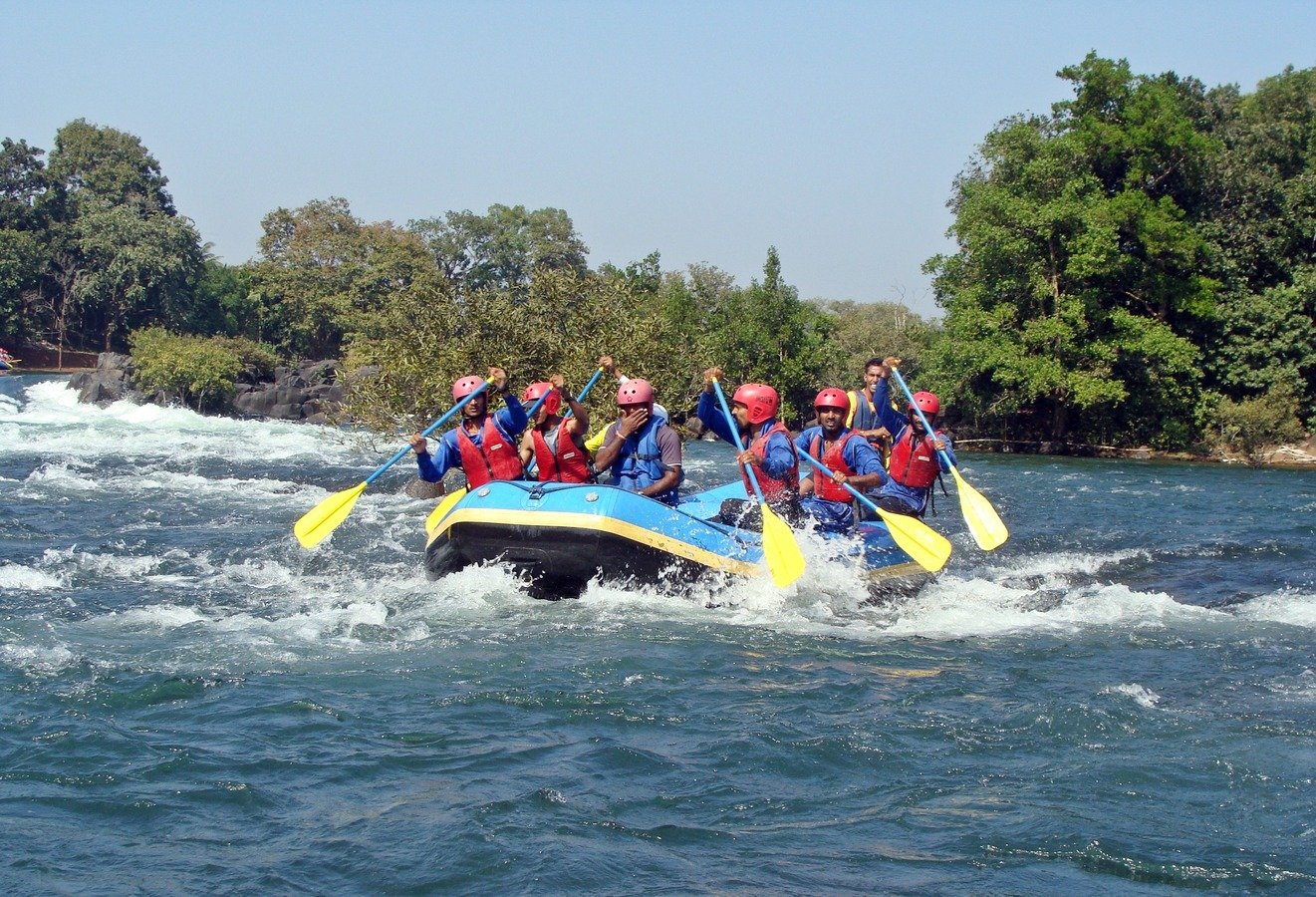
Turkey is one of the world’s emerging destinations for adventure tourism, offering spectacular landscapes, pristine rivers, and unforgettable outdoor experiences. As interest in nature-based tourism continues to grow, environmentally friendly sports have become increasingly popular among travelers seeking excitement while preserving the natural world. Among these activities, rafting stands out as one of the most thrilling and rewarding adventures.
Combining teamwork, physical endurance, strategy, and a deep connection with nature, rafting allows participants to challenge powerful river currents while experiencing some of the most beautiful and untouched landscapes on Earth.
The Spirit of Rafting
Human beings have always been fascinated by rivers. For thousands of years, rivers have provided water, transportation, food, and inspiration for civilizations. Today, they also offer adventure seekers the opportunity to test their skills against one of nature’s most powerful forces.
Modern rafting is practiced using inflatable boats made from durable materials and typically accommodates groups of four to twelve participants. Success depends not only on physical strength but also on teamwork, coordination, quick decision-making, and mental resilience.
Equipped with life jackets, helmets, and paddles, rafters navigate turbulent waters, powerful rapids, and challenging river passages. The sense of accomplishment that comes from conquering a river’s wild currents and reaching the finish point is one of the sport’s greatest rewards.
Beyond the excitement, rafting offers participants a unique opportunity to explore remote landscapes, hidden valleys, dramatic canyons, and untouched natural environments that are often inaccessible by other means.
Rafting and Sustainable Tourism
One of rafting’s greatest advantages is its minimal environmental impact. Unlike many tourism developments that require extensive construction and infrastructure, rafting relies primarily on natural waterways and responsible outdoor recreation.
As a result, rafting promotes:
- Nature conservation awareness
- Sustainable tourism development
- Protection of river ecosystems
- Local economic growth
- Environmentally responsible travel
For this reason, rafting has become an important component of Turkey’s adventure tourism industry.
Turkey’s Best Rafting Rivers
Turkey is blessed with numerous rivers suitable for rafting, kayaking, and canoeing. Some of the country’s most famous rafting destinations include:
Black Sea Region
- Coruh River
- Firtina River
- Berta River
- Barhal River
- Oltu River
- Harsit River
Mediterranean Region
- Goksu River
- Koprucay River
- Manavgat River
- Dragon River
- Cehennem Stream
Among all these rivers, the Coruh River is widely considered Turkey’s premier rafting destination and one of the world’s most exciting white-water rivers.
Rafting on the Çoruh River
Flowing through the dramatic landscapes of northeastern Turkey, the Coruh River is internationally recognized as one of the fastest-flowing rivers in the world and one of the finest rafting destinations in Europe.
Originating in the Mescit Mountains at an elevation of approximately 3,225 meters, the river travels nearly 466 kilometers before crossing into Georgia and eventually reaching the Black Sea.
Its powerful currents, steep canyons, and breathtaking scenery attract rafting enthusiasts, kayakers, trekkers, and nature lovers from around the globe.
A Valley Rich in Nature and Culture
The Coruh Valley is not only an adventure destination but also a region rich in cultural heritage and natural beauty.
Picturesque villages and small towns line the riverbanks, preserving centuries-old traditions and showcasing a unique blend of Eastern Anatolian and Black Sea cultures.
The surrounding mountains, forests, and alpine landscapes create one of Turkey’s most spectacular natural environments.
The Kackar Mountains
Many visitors combine rafting with trekking in the magnificent Kackar Mountains, one of Turkey’s most important mountain ranges.
Popular access points include:
- Yaylalar Village
- Olgunlar Village
- Dilberduzu Camp Area
Dilberduzu serves as an excellent base camp for climbers attempting to reach the summit of Kackar Mountain, which rises to approximately 3,937 meters above sea level.
Local guides and pack animals are available for hire, making the area accessible to a wide range of visitors.
Exceptional Wildlife
The Coruh Valley remains one of Turkey’s most pristine natural habitats.
The region supports an extraordinary variety of wildlife, including:
Mammals
- Brown bears
- Mountain goats
- Wild boars
- Wolves
- Jackals
- Foxes
- Badgers
- Martens
- Hares
Birds
- Red vultures
- Golden orioles
- Partridges
- Wild ducks
- Woodcocks
- Doves
- Pigeons
- Various migratory bird species
The cliffs along the river are particularly important nesting sites for rare and endangered birds of prey.
The Classic Coruh Rafting Route
The traditional rafting expedition follows approximately 260 kilometers of river from Bayburt through Ispir and Yusufeli to Artvin.
Bayburt – Ispir (0–106 km)
The journey often begins near Dikmetaş Bridge outside Bayburt.
Highlights
- Ideal camping locations
- Gentle to moderate rapids
- Scenic mountain landscapes
- Suitable introduction to the river
Difficulty Level
Class II–III
Average Duration
Approximately three days
Popular campsites include:
- Dikmetas Bridge
- Aslandede
- Laleli
Camping areas are available near İspir for overnight stays and resupplying.
Ispir – Camlikaya (106–134 km)
This section introduces more technical rapids and stronger currents.
Difficulty Level
Class III–V
Highlights
- Challenging white water
- Mountain scenery
- Riverside camping areas
- Freshwater springs
The route requires greater experience and careful navigation.
CamlIkaya – Tekkale (134–178 km)
As the river flows onward, fertile agricultural landscapes appear along the banks.
Visitors pass:
- Rice fields
- Fruit orchards
- Vegetable gardens
- Traditional villages
Difficulty Level
Class III–V
Attractions
- Historic watchtowers
- Village culture
- Trout fishing opportunities
- Medieval Georgian churches
One notable excursion is the historic Dört Kilise (Four Churches), an important medieval Georgian religious complex located in the mountains above Tekkale.
Tekkale – Artvin (178–261 km)
This is the most demanding and exhilarating portion of the expedition.
Near Yusufeli, several tributaries join the Coruh, significantly increasing water volume and speed.
Difficulty Level
Class III–V+
King Kong Rapid
The most famous section of the river is the legendary “King Kong” rapid.
This approximately 100-meter stretch features:
- Massive waves
- Powerful currents
- Sharp boulders
- Extremely fast-moving water
Rated Class V+, King Kong is considered one of the most challenging white-water rapids in Europe and should only be attempted by experienced rafting teams under appropriate conditions.
Final Canyon Section
Near Artvin, the river enters a dramatic canyon approximately three kilometers long before gradually calming toward the end of the route.
International White-Water Classification System
Rafting rivers are classified according to their level of difficulty.
Class I
Easy water with small waves and minimal obstacles.
Class II
Moderate rapids with straightforward routes and occasional rocks.
Class III
Strong currents, larger waves, and technical maneuvers requiring experience.
Class IV
Powerful rapids with unpredictable conditions, dangerous rocks, and demanding navigation.
Class V
Extremely difficult rapids featuring high-speed currents, large drops, and significant hazards.
Class VI
Considered virtually impassable and suitable only for expert exploration under exceptional circumstances.
Essential Safety Guidelines
Safety is the most important aspect of rafting.
Participants should always:
- Wear approved life jackets
- Use protective helmets
- Wear suitable river shoes
- Follow guide instructions carefully
- Paddle as part of a coordinated team
- Understand river conditions before departure
Protective eyewear and additional safety equipment may also be recommended depending on weather and river conditions.
Organized Rafting Tours
Because rafting involves technical challenges and safety considerations, participants are strongly encouraged to join professionally organized tours operated by licensed adventure tourism agencies.
Professional guides provide:
- Safety briefings
- Technical instruction
- Equipment
- River navigation expertise
- Emergency support
This ensures both a safer and more enjoyable rafting experience.
The Great Adventure of Turkey
From the roaring rapids of the Coruh River to the scenic waterways of the Mediterranean and Black Sea regions, rafting in Turkey offers an unparalleled combination of adventure, natural beauty, and cultural discovery.
Whether you are an experienced white-water enthusiast or a first-time adventurer, Turkey’s rivers provide unforgettable experiences that combine excitement, teamwork, and a deep appreciation for nature. For those seeking the ultimate outdoor challenge, rafting on the Coruh River remains one of the most thrilling and rewarding adventures in the country.