Author: tur

  • The Turkish Money

    Money is safest carried in the form of traveller’s cheques; however, these are difficult to change in regional areas. With plenty of ATM’s in major cities more and more people are bringing a combination of cash and credit cards. Look for ATMs displaying either the Maestro, Cirrus, Visa or MasterCard or whatever your card symbol is. ATMs will allow you to access cash (in local currency) from your credit card and possibly from your savings account if it is linked to Maestro or Cirrus or Visa Plus network.

    Withdrawn money or the purchase amount will be converted precisely by www.tcmb.gov.tr official rates. If you are bringing cash, then the best currencies are US Dollars, Euro’s or British Pounds. Be aware that most insurance policies will not cover for loss or theft of cash. Credit cards are useful for large purchases but they may not be accepted in small restaurants, mini markets, local transport, taxis. More likely they will only accept cash as payment for goods or services.

  • Safety in Turkey

    istanbul turkey

    Turkey is one of the safest countries in the world to travel, but some rare instances of theft and robbery happen in big cities. Just leave your valuable stuff, spare money and passport at hotel safety box. Almost every hotel has a safety box service free to hotel customers which you are strongly urged to use. Please take great care with your passport, airline tickets and monies.

    Do not carry more cash than required. A money belt worn under your clothing is suggested. If you are buying something, you should not flash large amounts of money around. Please clearly mark all your baggage with your name and address. Common sense and awareness will greatly reduce the unlikely misfortune of loss or theft. We also suggest you carry small padlocks for your luggage.

  • The Highlands of Turkey

    The highlands of Turkey and the lifestyle of its people have an important place in the rich cultural landscape of Turkey. The tradition embodied in the lyrics of this ancient folk song, “The people of Avsar picked up and headed for new lands” have still being sung today, is what led to the settlement of hundreds of new areas in Turkey.

    In the Chinese Chronicles, Turks are described as people that “lived by following the rains and the pastures with their horses and high-wheeled wagons.” After they came to Anatolia and abandoned their nomadic wanderings for more settled ways, they embarked on a new journey continuing old traditions within the parameters of a new lifestyle.

    In this new millennium of the “global village” where cultural differences seem to be disappearing, the highlands of Turkey offer a refreshing authenticity of ancient tradition which is noticed as soon as it is experienced. Compared with our modern way of life, it is a vivacious way of life in harmony with nature, at once both oriental and exotic.

    The highlands have much to offer; the fresh clean air of an undefiled environment, crystal clear streams, a refreshing coolness that is a relief from the sweltering heat during the hottest summer days, views of enchanting beauty, fruit and vegetables grown without hormones and ripen on the vine slowly and naturally, milk and meat products of animals pastured in the most natural environments. The innumerable wild animal and plant species living in their natural habitat rescue us from the virtual world of TV documentaries and enable us to experience real life up close and personal.

    Most Popular Highlands in Turkey

    Trabzon Highlands | Sinop Highlands | Rize Highlands | Osmaniye Highlands | Ordu Highlands | Mersin (Icel) Highlands | Hatay Highlands | Gumushane Highlands | Giresun Highlands | Gaziantep Highlands | Bayburt Highlands | Artvin Highlands | Antalya Highlands | Adana Highlands

  • Telecommunications in Turkey

    In the 1980s and 1990s, Turkey’s telecommunications systems underwent substantial modernization, including nearly complete digitization and advanced intercity trunk lines. In 2004 some 19 million main telephone lines were in use. A satellite system links users in remote areas.

    eSIM provider

    The use of cellular telephones has increased rapidly since the late 1990s, reaching more than 50 percent of the population in 2004. In the early 2000s, three private mobile services, the largest with more than 20 million subscribers, were operating. However, in the early 2000s demand has exceeded the supply of Internet and data services.

    In 2005 an estimated 10.2 million people were using the Internet. Initial steps for the privatization of Turk Telekom, the state-owned telecommunications monopoly, were taken in 2005. The international dialling code for Turkey is + 90. IDD is widely available.

    The outgoing international code is: 00. There is an extensive internal telephone network, but often an interpreter will be needed for more remote areas. To phone from PTT telephone booths, which are found in all areas, telephone cards and tokens are used. Local, inter city and international calls can be made from all PTT offices. Mobile phones work across 99.9 % of the country and there are internet cafes in all cities.

    eSIM provider

  • Weather and Climate in Turkey

    Turkey is a country of remarkable geographical diversity, and its climate varies significantly from one region to another. Stretching across both Europe and Asia and surrounded by the Mediterranean, Aegean, Black Sea, and Marmara seas, Turkey experiences a wide range of weather conditions throughout the year. From the sunny Mediterranean coast to the snowy mountains of Eastern Anatolia, each region offers a unique climate that appeals to different types of travelers.

    Overview of Turkey’s Climate

    Turkey generally enjoys four distinct seasons:

    • Spring (March–May): Mild temperatures, blooming landscapes, and comfortable weather make spring one of the best times to visit.
    • Summer (June–August): Hot and dry conditions prevail across much of the country, especially along the Mediterranean and Aegean coasts.
    • Autumn (September–November): Pleasant temperatures and fewer crowds create ideal conditions for sightseeing and outdoor activities.
    • Winter (December–February): Coastal regions remain relatively mild, while central and eastern parts of the country experience cold temperatures and significant snowfall.

    The country’s varied topography, including mountains, plateaus, valleys, and extensive coastlines, creates several distinct climatic zones.

    Major Climate Regions of Turkey

    Mediterranean Coast

    The Mediterranean region, including popular destinations such as Antalya, Alanya, and Fethiye, enjoys a classic Mediterranean climate characterized by:

    • Long, hot, and dry summers
    • Mild, rainy winters
    • More than 300 days of sunshine annually
    • Warm sea temperatures suitable for swimming from April through November

    Summer temperatures frequently exceed 30°C (86°F), while winter temperatures rarely fall below 10°C (50°F).

    Aegean Coast

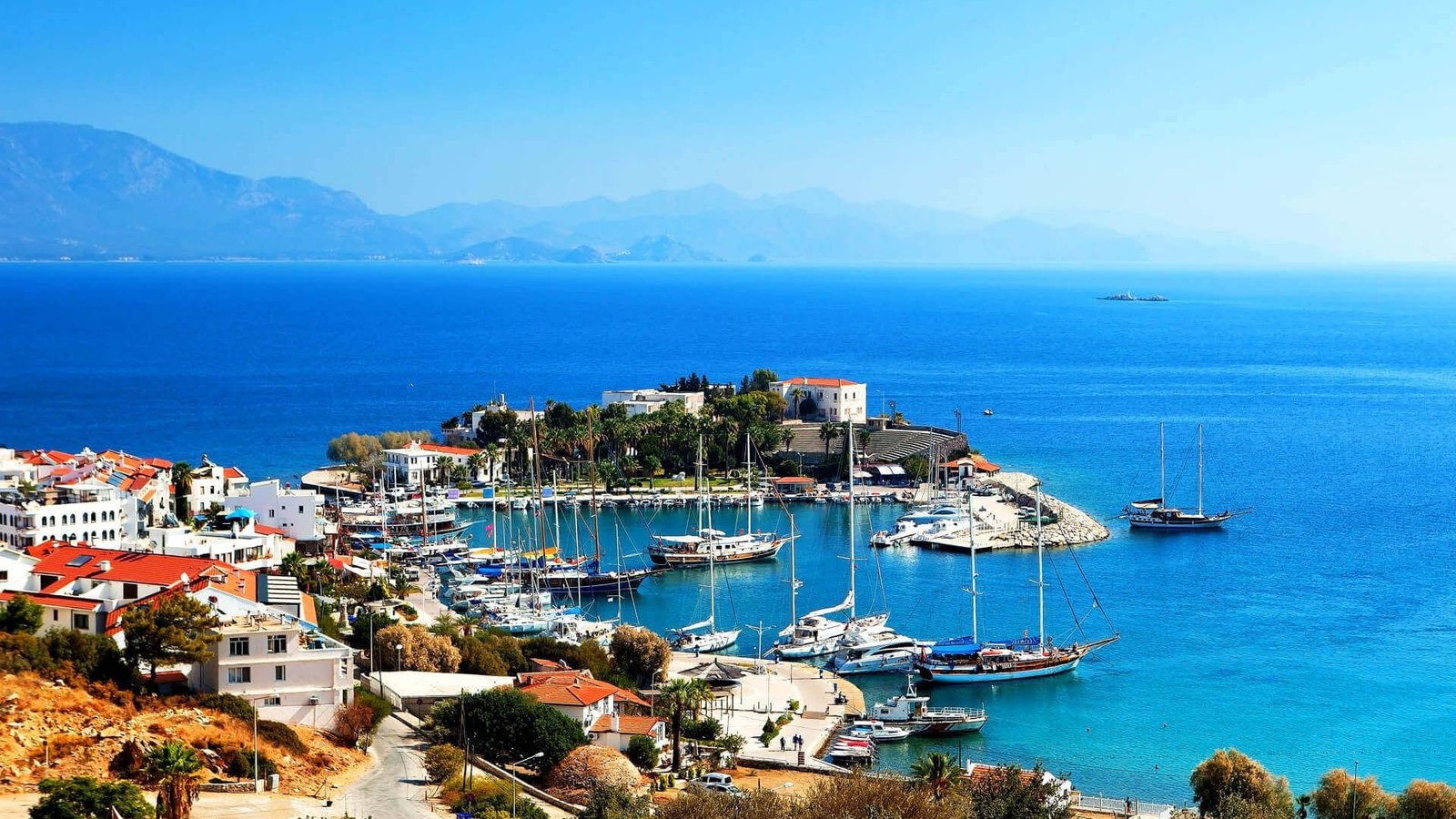
    The Aegean region, home to destinations such as Izmir, Bodrum, and Marmaris, experiences warm summers and mild winters.

    The region benefits from refreshing sea breezes, making even the hottest summer days more comfortable. The climate is ideal for beach holidays, sailing, and outdoor exploration throughout much of the year.

    Marmara Region

    The Marmara region, including Istanbul, serves as a transition zone between Mediterranean and Black Sea climates.

    Characteristics include:

    • Warm summers
    • Cool, wet winters
    • Moderate humidity
    • Occasional snowfall during winter months

    Istanbul experiences all four seasons distinctly, making it an attractive destination year-round.

    Black Sea Region

    The Black Sea coast, including Trabzon, has one of Turkey’s wettest climates.

    Notable features include:

    • High annual rainfall
    • Lush green forests and tea plantations
    • Mild summers
    • Cool winters

    This region remains green throughout the year and offers a striking contrast to the drier areas of central and southern Turkey.

    Central Anatolia

    The Central Anatolian Plateau, where Ankara is located, experiences a continental climate characterized by:

    • Hot, dry summers
    • Cold winters
    • Significant temperature variations between day and night
    • Low annual precipitation

    Winter snowfall is common, while summer temperatures can reach 30°C (86°F) or higher.

    Eastern Anatolia

    Eastern Turkey, including cities such as Erzurum, experiences the country’s harshest winters.

    Climate features include:

    • Long, snowy winters
    • Short, pleasant summers
    • Temperatures frequently falling below freezing
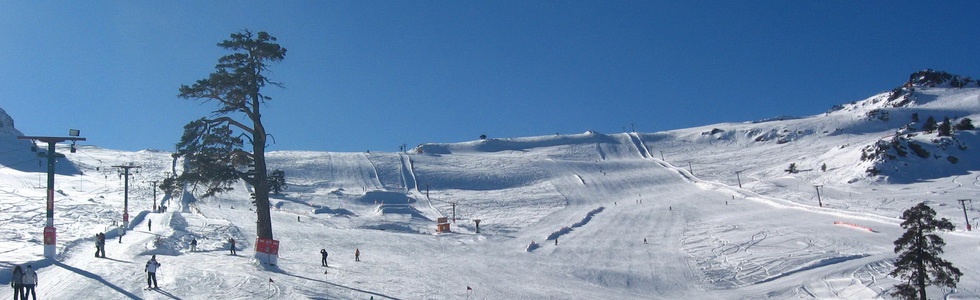
    • Excellent conditions for winter sports and skiing

    Snow can remain on the ground for several months in higher elevations.

    Southeastern Anatolia

    The southeastern region, including Diyarbakir, is known for its hot and dry climate.

    Summer temperatures often exceed 35°C (95°F), while winters remain relatively mild compared to eastern Turkey.


    Average Air and Water Temperatures (°F)

    Antalya

    Month Jan Feb Mar Apr May Jun Jul Aug Sep Oct Nov Dec
    Air 50 52 55 61 68 77 83 83 77 68 59 54
    Water 63 63 63 64 70 75 81 83 81 77 72 66

    Izmir

    Month Jan Feb Mar Apr May Jun Jul Aug Sep Oct Nov Dec
    Air 48 50 52 61 68 77 83 81 73 64 59 50
    Water 52 52 54 59 68 75 79 79 75 70 63 55

    Istanbul

    Month Jan Feb Mar Apr May Jun Jul Aug Sep Oct Nov Dec
    Air 41 43 45 54 61 70 73 73 68 61 54 46
    Water 48 45 46 52 59 68 73 73 70 63 57 52

    Trabzon

    Month Jan Feb Mar Apr May Jun Jul Aug Sep Oct Nov Dec
    Air 43 43 45 52 59 68 75 77 75 68 61 55
    Water 50 48 48 50 57 68 75 77 75 68 61 55

    Inland Cities

    City Jan Feb Mar Apr May Jun Jul Aug Sep Oct Nov Dec
    Ankara 32 34 41 52 61 68 73 73 65 55 46 36
    Erzurum 16 19 27 41 52 59 66 68 59 48 36 23
    Diyarbakir 36 36 46 57 66 79 88 88 77 63 50 50

    Best Time to Visit Turkey

    The ideal time to visit Turkey depends on your travel interests:

    For Beach Holidays

    The Mediterranean and Aegean coasts are best visited between May and October, when sea temperatures are warm and sunshine is abundant.

    For Sightseeing and Cultural Tours

    Spring (April–May) and autumn (September–October) offer comfortable temperatures for exploring historical sites, cities, and archaeological treasures.

    For Hiking and Nature Activities

    Late spring and early autumn provide excellent conditions for trekking, mountain excursions, and outdoor adventures.

    For Winter Sports

    The ski resorts around Erzurum and other mountainous regions are at their best between December and March.

    Weather Information and Forecasts

    The official source for weather information in Turkey is the Turkish State Meteorological Service (MGM). The website provides:

    • Current air and sea temperatures
    • Humidity levels
    • Wind forecasts
    • Detailed weather maps
    • Three-day and extended forecasts
    • Weather information for major cities and popular holiday resorts

    Whether you are planning a summer beach vacation, a cultural city break, or a winter skiing adventure, Turkey’s diverse climate ensures that there is an ideal destination and season for every traveler.