Author: tur

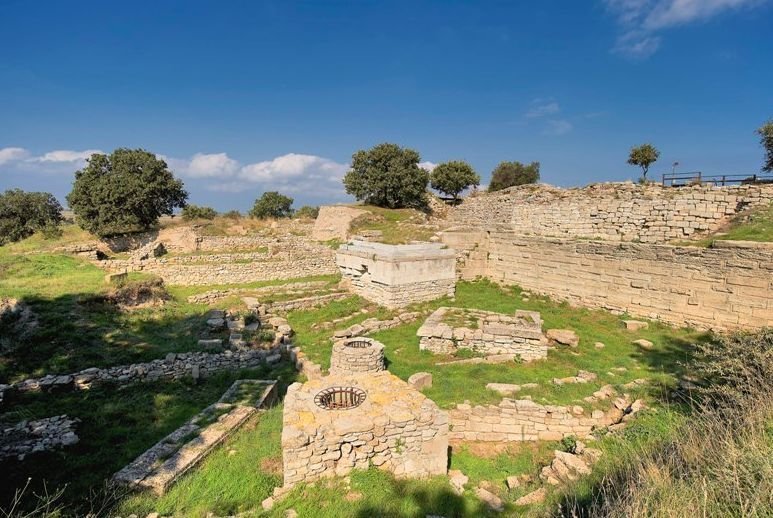
  • Ancient Troy (Truva): The Legendary City of the Trojan War

    Ancient Troy (Truva): The Legendary City of the Trojan War

    Few archaeological sites have captured the world’s imagination as profoundly as Ancient Troy. Immortalized in Homer’s Iliad and Odyssey, Troy is where history, archaeology, and mythology merge into one of humanity’s greatest stories. Today, the ancient city stands as one of Turkey’s most significant cultural treasures and is recognized as a UNESCO World Heritage Site, attracting hundreds of thousands of visitors each year.

    Located near the village of Tevfikiye in Çanakkale Province, northwestern Turkey, the archaeological site occupies the mound of Hisarlık, overlooking the fertile plain of the Scamander (Karamenderes) River, close to the entrance of the Dardanelles Strait where Europe and Asia nearly meet.

    Whether you visit because of the legendary Trojan Horse, Homer’s epic poems, or the remarkable archaeological discoveries, Troy offers an unforgettable journey through more than 4,000 years of civilization.


    Troy: Between Myth and History

    The story of Troy became famous through the epic poems attributed to the ancient Greek poet Homer, who described the legendary Trojan War, fought between the Greeks and the Trojans over the beautiful Helen of Sparta.

    According to legend, Prince Paris of Troy abducted Helen, wife of the Spartan king Menelaus, provoking a ten-year war. Unable to conquer the city by force, the Greeks devised the famous Trojan Horse, a gigantic wooden horse hiding Greek soldiers inside. Once brought into the city as a supposed peace offering, the hidden warriors emerged during the night, opened Troy’s gates, and allowed the Greek army to capture the city.

    Although many elements remain legendary, archaeological discoveries suggest that Troy was indeed a wealthy and strategically important city that experienced several destructions, one of which may have inspired Homer’s epic.


    Discovery of Ancient Troy

    For centuries, many scholars believed Troy existed only in myth. That changed in the 19th century when German businessman and amateur archaeologist Heinrich Schliemann began excavating the mound of Hisarlık in 1871, convinced that Homer’s descriptions reflected a real place.

    Schliemann uncovered remarkable remains and discovered what he called “Priam’s Treasure.” Although later research showed that the treasure actually belonged to a much earlier period than the Trojan War, his excavations proved that numerous ancient cities had existed on the same site.

    Modern archaeology later revealed that Schliemann’s methods were often destructive, as he dug through later layers to reach what he believed was Homer’s Troy. Subsequent excavations led by Wilhelm Dörpfeld, Carl W. Blegen, and more recently Manfred Korfmann greatly improved our understanding of the site.

    Today archaeologists recognize nine major cities (Troy I–IX), divided into more than 40 archaeological layers, representing nearly four millennia of continuous occupation.


    UNESCO World Heritage Site

    Ancient Troy was inscribed on the UNESCO World Heritage List in 1998 because of its exceptional archaeological importance and its enormous influence on literature, art, and Western civilization.

    The site demonstrates continuous human settlement from approximately 3000 BC until the Byzantine period, making it one of the longest-inhabited archaeological sites in the eastern Mediterranean.


    The Nine Cities of Troy

    Troy I (c. 3000–2550 BC)

    The earliest Bronze Age settlement occupied a relatively small fortified hilltop. Houses were constructed using sun-dried mud bricks on stone foundations. Despite its modest size, impressive defensive walls suggest that the settlement already held regional importance.


    Troy II (c. 2550–2300 BC)

    Troy II expanded considerably and became a prosperous commercial center. Carefully planned streets, large megaron-style houses, and impressive fortifications characterized this phase.

    Schliemann mistakenly believed this was the Troy of King Priam and discovered the famous “Priam’s Treasure” here. Modern dating, however, shows that Troy II existed nearly one thousand years before the legendary Trojan War.

    The city was eventually destroyed by a devastating fire.


    Troy III, IV and V (2300–1750 BC)

    Following the destruction of Troy II, several successive settlements arose.

    During these periods:

    • Houses became larger and more sophisticated.
    • Stone construction techniques improved.
    • Residential neighborhoods expanded.
    • Defensive walls were repeatedly rebuilt and strengthened.

    These centuries reflect gradual cultural development rather than dramatic historical events.


    Troy VI (c. 1750–1300 BC)

    Many archaeologists consider Troy VI to represent the city’s greatest architectural achievement.

    The city featured:

    • Massive limestone defensive walls
    • Monumental gates
    • Well-planned streets
    • Multi-room stone houses
    • Sophisticated drainage systems

    Its imposing fortifications suggest that Troy had become a wealthy and powerful regional kingdom controlling important trade routes through the Dardanelles.

    Around 1300 BC, much of the city appears to have been destroyed, possibly by a major earthquake.


    Troy VIIa (c. 1300–1180 BC)

    Built directly upon the ruins of Troy VI, this settlement is considered by many archaeologists—including Carl Blegen—to be the strongest candidate for the Troy described in Homer’s Iliad.

    Evidence includes:

    • Houses crowded closely together.
    • Large storage jars (pithoi) buried beneath floors for food supplies.
    • Signs of hurried rebuilding.
    • Burn layers and evidence of violent destruction.

    These findings suggest a city under siege, matching aspects of the legendary Trojan War.


    Troy VIIb (1180–950 BC)

    New settlers introduced different architectural styles after Troy VIIa’s destruction. Buildings became simpler, and cultural influences from southeastern Europe became more apparent.

    Eventually this settlement also declined following another destructive fire.


    Troy VIII (700–85 BC)

    Although often overlooked, Troy flourished again during the Greek period.

    The city became an important religious center dedicated to Athena, with pilgrims visiting the sanctuary from across the Greek world.

    Alexander the Great reportedly visited Troy in 334 BC before launching his campaign against Persia, paying homage at the supposed tomb of Achilles.


    Troy IX (85 BC – AD 500)

    Under Roman rule, Troy—known as Ilion—experienced its final great period of prosperity.

    The Romans believed they descended from the Trojan hero Aeneas, making Troy an important symbolic city throughout the Roman Empire.

    Major public buildings included:

    • The Temple of Athena
    • A large Roman theatre
    • The Bouleuterion (Council House)
    • Public baths
    • An odeon
    • Monumental gateways
    • Expanded defensive walls

    The city remained inhabited well into the Byzantine era before gradually being abandoned.


    What to See at Ancient Troy

    Although much of Troy consists of archaeological foundations, visitors can still appreciate the scale and significance of this extraordinary city.

    Highlights include:

    • The famous wooden Trojan Horse replica near the entrance.
    • The mighty defensive walls of Troy VI.
    • The East Gate and South Gate.
    • Ancient city walls spanning several periods.
    • The Temple of Athena.
    • Roman theatre remains.
    • The Bouleuterion.
    • Excavated residential quarters.
    • Ancient stone ramps and gateways.
    • Information panels explaining each archaeological layer.

    Walking through the site allows visitors to literally move through over four thousand years of history.


    Troy Museum

    Just a short distance from the archaeological site is the award-winning Troy Museum, one of Turkey’s finest archaeological museums.

    Its modern exhibitions display:

    • Gold jewelry
    • Pottery
    • Marble sculptures
    • Weapons
    • Coins
    • Ceramics
    • Interactive digital reconstructions
    • Finds from Troy and the surrounding Troad region

    The museum provides essential context before or after exploring the ruins and greatly enhances the visitor experience.


    The Legendary Trojan Horse

    Although no archaeological evidence confirms the existence of the Trojan Horse, it remains one of the most recognizable symbols in world literature.

    Visitors will find a large wooden reconstruction standing near the entrance to the archaeological site. Another famous wooden horse, built for the 2004 Hollywood film Troy, is displayed along the Çanakkale waterfront.

    Together they celebrate one of history’s most enduring legends.


    Visiting Ancient Troy

    The archaeological site lies approximately:

    • 30 km southwest of Çanakkale
    • Around 5 hours by road from Istanbul
    • Easily accessible by car or organized tours

    Most visitors combine Troy with nearby attractions such as Gallipoli, Assos, Bozcaada Island, or the city of Çanakkale.

    Allow at least 2–3 hours to explore the ruins and another 1–2 hours for the Troy Museum.


    Why Visit Ancient Troy?

    Ancient Troy is far more than the setting of an epic poem. It represents thousands of years of human civilization, trade, warfare, architecture, and cultural exchange. Every layer tells the story of a different era, from the Bronze Age to the Roman Empire.

    Whether you are fascinated by archaeology, Greek mythology, ancient history, or simply wish to stand where one of the world’s greatest legends was born, Troy offers an unforgettable experience. Walking among its ancient walls, visitors discover not only the remains of a remarkable city but also the origins of stories that have inspired humanity for nearly three thousand years.

  • Ornithology in Turkiye: Birdwatching, Nature and Conservation

    Turkey is one of the most important countries in the world for ornithology (the scientific study of birds) thanks to its unique geographical location between Europe, Asia, and Africa. Situated on major bird migration routes, Turkey provides vital habitats for hundreds of resident and migratory bird species.

    The country’s extraordinary variety of landscapes—including wetlands, forests, mountains, steppes, coastal areas, and lakes—creates ideal environments for birdlife. Every year, millions of birds pass through Turkey during their seasonal migrations, making the country one of the most attractive destinations for birdwatchers and nature enthusiasts.


    Why Turkey Is Important for Birdwatching

    Turkey lies on two major migration corridors:

    • The Eastern Mediterranean Migration Route
    • The Black Sea–Bosphorus Migration Route

    Birds traveling between Europe, Asia, and Africa use Turkey as a resting, feeding, and breeding area.

    The country’s varied ecosystems support:

    • Migratory birds
    • Breeding birds
    • Wintering species
    • Rare and endangered species

    More than 480 bird species have been recorded in Turkey, including many globally important species.


    Best Places for Birdwatching in Turkey

    Lake Manyas Bird Paradise, Balıkesir

    One of Turkey’s most famous bird sanctuaries, Kuş Cenneti National Park near Lake Manyas is an internationally recognized wetland area.

    It provides habitat for:

    • Pelicans
    • Herons
    • Cormorants
    • Spoonbills
    • Flamingos
    • Storks

    The area is especially famous during spring migration when thousands of birds arrive to breed.


    Gediz Delta, İzmir

    Located near İzmir, the Gediz Delta is one of Turkey’s most important coastal wetlands.

    The delta contains:

    • Salt marshes
    • Lagoons
    • Mudflats
    • Freshwater habitats

    It is an excellent place to observe:

    • Flamingos
    • Avocets
    • Terns
    • Shorebirds
    • Raptors

    Sultan Marshes, Kayseri

    Located near Mount Erciyes, Sultan Marshes is one of Turkey’s most valuable wetland ecosystems.

    The area attracts:

    • Cranes
    • Flamingos
    • Ducks
    • Geese
    • Pelicans

    It is also an important stopover point for migratory birds crossing Anatolia.


    Kızılırmak Delta, Samsun

    The Kızılırmak Delta on the Black Sea coast is one of Turkey’s largest wetlands.

    It hosts hundreds of bird species, including:

    • Waterfowl
    • Raptors
    • Migratory songbirds

    The delta is especially important for endangered species and conservation projects.


    Dalyan and Köyceğiz Region, Muğla

    The wetlands around Dalyan and Köyceğiz provide excellent opportunities for observing:

    • Kingfishers
    • Herons
    • Cormorants
    • Sea birds
    • Marsh species

    The region combines birdwatching with spectacular Mediterranean landscapes.


    Eastern Anatolia

    The high mountains, plateaus, and wetlands of eastern Turkey provide habitats for many rare species.

    Important areas include:

    • Lake Van Basin
    • Aras River Valley
    • Hakkari Mountains

    Birdwatchers can observe:

    • Eagles
    • Falcons
    • Vultures
    • Alpine species

    How to Practice Birdwatching

    Birdwatching requires patience, silence, and respect for nature. Because birds are easily disturbed and often remain far from observers, proper equipment is essential.

    Essential Equipment

    Binoculars

    Binoculars are the most basic and important tool for birdwatching.

    They allow observers to:

    • Identify species from a distance
    • Watch behavior without disturbing birds
    • Observe details such as plumage and movement

    Telescope (Spotting Scope)

    In open landscapes such as:

    • Wetlands
    • Lakeshores
    • Coastal areas
    • Wide plains

    a spotting telescope is extremely useful for observing birds that are too far away for binoculars.


    Field Notebook

    A notebook is an essential part of bird observation.

    Observers should record:

    • Date and location
    • Weather conditions
    • Species observed
    • Number of birds
    • Behavior
    • Special characteristics

    These records contribute to scientific monitoring and personal bird lists.


    Bird Identification Guide

    A field guide containing photographs, descriptions, and distribution maps helps identify different species.

    Modern birdwatchers may also use:

    • Mobile applications
    • Digital cameras
    • GPS devices
    • Audio recording equipment

    Basic Rules of Responsible Birdwatching

    The most important principle of ornithology is:

    Do Not Disturb Birds

    Birds should always be observed without interfering with their natural behavior.

    Observers should:

    • Keep a safe distance
    • Avoid sudden movements and loud sounds
    • Respect protected areas
    • Follow local regulations

    Protect Nesting Areas

    During breeding seasons, special care is necessary.

    Never:

    • Enter nesting areas
    • Touch eggs
    • Remove feathers or nest materials
    • Disturb chicks
    • Damage vegetation around nests

    A small disturbance can cause birds to abandon their nests.


    Leave Nature Untouched

    At the end of an observation trip:

    • Take all personal belongings
    • Do not leave garbage
    • Avoid damaging plants
    • Respect wildlife habitats

    The goal of birdwatching is to enjoy nature while helping preserve it.


    Birdwatching Seasons in Turkey

    Spring Migration (March–May)

    One of the best periods for birdwatching.

    Highlights:

    • Migrating raptors
    • Songbirds
    • Waterfowl
    • Breeding species

    Summer (June–August)

    Ideal for observing:

    • Mountain birds
    • Breeding colonies
    • Resident species

    Autumn Migration (August–November)

    A spectacular period when birds return south toward Africa.

    Important locations:

    • Bosphorus
    • Çoruh Valley
    • Mediterranean coast

    Winter (December–February)

    Wetlands become important winter refuges for:

    • Ducks
    • Geese
    • Flamingos
    • Raptors

    Birdwatching and Ecotourism

    Birdwatching is becoming an increasingly popular form of sustainable tourism in Turkey.

    It offers visitors:

    • Contact with nature
    • Educational experiences
    • Photography opportunities
    • Support for conservation

    Many rural regions benefit from bird tourism through:

    • Local guides
    • Accommodation services
    • Village tourism
    • Nature tours

    Turkey’s Bird Heritage

    Turkey’s birds are an important part of the country’s natural wealth. From flamingos feeding in coastal wetlands to eagles soaring above mountain valleys, the diversity of birdlife reflects the extraordinary ecological richness of Anatolia.

    Responsible birdwatching allows visitors to discover this natural heritage while ensuring that future generations can continue to enjoy Turkey’s remarkable wildlife.

  • Caves of Turkiye: Exploring Nature’s Hidden Wonders

    Caves have fascinated humanity for thousands of years. Long before the construction of permanent settlements, they served as natural shelters for prehistoric communities, protecting people from harsh weather, wild animals, and other dangers. Today, caves continue to captivate archaeologists, geologists, adventurers, and nature enthusiasts, offering valuable insights into both the Earth’s geological history and the story of human civilization.

    Turkey is home to thousands of caves, many of which are renowned for their spectacular rock formations, underground rivers, ancient archaeological remains, and unique ecosystems. From impressive limestone caverns to vast underground chambers adorned with stalactites and stalagmites, Turkey offers exceptional opportunities for cave exploration and scientific research.


    The Importance of Caves

    Caves have played a significant role throughout human history. They have served as:

    • Natural shelters for prehistoric people
    • Places of worship and spiritual significance
    • Archaeological sites preserving ancient artifacts
    • Geological laboratories that reveal Earth’s natural history
    • Habitats for rare plants and wildlife
    • Destinations for adventure tourism and outdoor recreation

    Many caves in Turkey contain evidence of human occupation dating back thousands of years, making them invaluable resources for understanding the region’s early civilizations.


    Geological Wonders

    Turkey’s diverse landscape has created ideal conditions for cave formation, particularly in its extensive limestone regions.

    Inside many caves, visitors can admire remarkable natural formations, including:

    • Stalactites
    • Stalagmites
    • Flowstones
    • Underground lakes
    • Crystal formations
    • Natural columns
    • Fossil deposits

    These formations have developed slowly over millions of years through the action of water dissolving limestone and depositing minerals.


    A Paradise for Researchers

    Turkey’s caves continue to attract specialists from around the world, including:

    • Geologists
    • Archaeologists
    • Paleontologists
    • Hydrologists
    • Biologists
    • Climate researchers

    Many caves preserve valuable records of prehistoric climate changes, ancient human settlements, and extinct animal species, contributing to our understanding of both natural and cultural history.


    Cave Tourism

    Many of Turkey’s most accessible caves have been carefully developed for tourism while preserving their natural environment.

    Visitors can enjoy:

    • Guided cave tours
    • Underground walking trails
    • Illuminated chambers
    • Geological exhibitions
    • Educational visitor centers
    • Nature photography

    Some caves are suitable for families, while others offer more challenging adventures for experienced explorers.


    Speleology: The Science of Caves

    The exploration and scientific study of caves is known as speleology.

    Speleologists investigate:

    • Cave formation processes
    • Underground water systems
    • Mineral deposits
    • Cave ecosystems
    • Archaeological remains
    • Cave-dwelling animals

    Their research helps protect these fragile environments while expanding our understanding of Earth’s geological evolution.


    Adventure and Outdoor Activities

    Beyond scientific research, caves provide exciting opportunities for adventure tourism.

    Depending on the location and level of difficulty, visitors may enjoy:

    • Cave exploration
    • Guided caving expeditions
    • Underground photography
    • Hiking to cave entrances
    • Nature observation
    • Geological tours

    More advanced caves attract experienced cavers interested in technical exploration using ropes and specialized equipment.


    A Unique Natural Experience

    Stepping into a cave offers a peaceful and unforgettable experience. The cool temperatures, silence, and extraordinary underground landscapes create an atmosphere unlike any other natural environment.

    Many visitors describe cave exploration as both relaxing and inspiring, allowing them to appreciate the remarkable forces of nature that have shaped these hidden worlds over millions of years.


    Turkey’s caves represent an extraordinary combination of natural beauty, scientific importance, archaeological heritage, and adventure. Whether admired for their spectacular geological formations, explored for their prehistoric significance, or visited simply to experience their peaceful atmosphere, these underground wonders offer unforgettable experiences for travelers of all ages.

    For nature lovers, history enthusiasts, photographers, and adventure seekers alike, exploring Turkey’s caves provides a fascinating journey into one of the country’s most remarkable and least-known natural treasures.

  • Evkaya, Rock tomb-houses in the village of Kasaba, Kastamonu

    While Kastamonu is renowned for its well-preserved Ottoman heritage and magnificent natural landscapes, it also boasts remarkable archaeological and architectural treasures that span more than 2,500 years. Among its lesser-known attractions are the Evkaya Rock Tombs and the Mahmut Bey Mosque in the village of Kasaba, two fascinating sites that reflect the rich cultural heritage of northern Anatolia.

    Together, these monuments offer visitors a unique journey from the ancient civilizations of the Iron Age to the artistic achievements of the Anatolian Beylik period.

    Evkaya Rock Tombs

    Located just a few kilometers from the center of Kastamonu, the Evkaya Rock Tombs are among the city’s oldest surviving monuments. Carved directly into a steep rocky cliff overlooking the surrounding valley, these impressive tombs are believed to date back to the 6th century BC, during the period when the region was influenced by the Paphlagonian Kingdom and later the Persian Achaemenid Empire.

    The tombs were cut into solid limestone and served as burial chambers for members of the local aristocracy or ruling elite. Their elevated position symbolized both prestige and protection, a common characteristic of ancient Anatolian funerary architecture.

    Although weathering has softened many of the original details, visitors can still observe the carefully carved entrances, burial chambers, and traces of ancient craftsmanship. The panoramic views over Kastamonu and the surrounding countryside make Evkaya an excellent destination for photography as well as history enthusiasts.

    Today, the Evkaya Rock Tombs remain one of Kastamonu’s most important archaeological sites, offering a fascinating glimpse into the region’s pre-Classical civilizations.

    Visiting Evkaya and Kasaba

    Both attractions can easily be visited on a half-day excursion from Kastamonu city.

    Distance from Kastamonu city center:

    • Evkaya Rock Tombs: approximately 2–3 km
    • Kasaba Mahmut Bey Mosque: approximately 18 km

    Combining the two sites offers visitors an enriching experience that spans over two thousand years of Anatolian history—from the mysterious rock-cut tombs of ancient Paphlagonia to one of the finest masterpieces of medieval Turkish wooden architecture.

    Why Visit?

    The Evkaya Rock Tombs and Mahmut Bey Mosque are among Kastamonu’s most rewarding hidden gems. Together they showcase the remarkable diversity of civilizations that have flourished in this region, from ancient Anatolian kingdoms to the Turkish principalities of the Middle Ages.

    Whether you are interested in archaeology, architecture, photography, or cultural heritage, these two remarkable landmarks provide an unforgettable glimpse into the rich historical legacy of Kastamonu and northern Turkey.

  • Kartalkaya Ski Resort, Bolu: A Premier Winter Destination in Turkey

    kartalkaya ski center

    Nestled in the magnificent Köroğlu Mountains within the Western Black Sea Region, Kartalkaya Ski Resort is one of Turkey’s leading destinations for winter sports. Surrounded by dense pine forests and pristine mountain scenery, the resort offers excellent skiing conditions, modern facilities, and a peaceful alpine atmosphere that attracts both beginners and experienced skiers.

    Located approximately 38 kilometers southeast of Bolu, Kartalkaya is easily accessible from both Ankara and Istanbul, making it one of the country’s most popular weekend ski destinations.


    Location

    Kartalkaya lies within the Köroğlu Mountain range at elevations between 1,850 and 2,200 meters (6,070–7,220 feet) above sea level.

    Its central location makes it convenient for visitors traveling from Turkey’s two largest cities:

    • Bolu city center: approximately 38–54 km
    • Ankara: around 220 km
    • Istanbul: around 275 km

    The resort is surrounded by beautiful forests that form part of one of Turkey’s richest natural landscapes.


    Ski Season

    Kartalkaya enjoys one of Turkey’s longest and most reliable ski seasons.

    Typical skiing period:

    Late December through late March

    Under favorable weather conditions, the resort offers approximately 120 days of skiing each winter.

    The region receives an average snowfall of around 3 meters, providing excellent snow coverage throughout the season.

    Snow conditions generally include:

    • Early season: light powder snow
    • Mid-season: ideal packed snow
    • Late season: softer spring snow

    Winter Sports

    Kartalkaya offers a wide range of winter activities suitable for different skill levels.

    Popular activities include:

    • Alpine skiing
    • Snowboarding
    • Cross-country skiing
    • Ski touring
    • Snow play
    • Winter hiking

    Its varied terrain accommodates beginners, intermediate skiers, and advanced enthusiasts alike.


    Ski Slopes and Lifts

    The resort features approximately 20 kilometers of ski runs, served by a modern lift system.

    Facilities include:

    • Chairlifts
    • T-bar ski lifts
    • Beginner lifts
    • Dedicated learning areas

    The ski runs vary in length and difficulty, making the resort suitable for families as well as experienced winter sports enthusiasts.


    Ski Schools and Equipment Rental

    Visitors can take advantage of professional services including:

    • Certified ski instructors
    • Snowboard lessons
    • Children’s ski programs
    • Equipment rental
    • Ski repair services

    Beginners can enroll in lessons, while experienced skiers have access to challenging slopes and off-piste opportunities where conditions permit.


    Safety

    Kartalkaya places a strong emphasis on visitor safety.

    The resort provides:

    • Regularly maintained slopes
    • Lift inspections
    • Ski patrols
    • First-aid facilities
    • Medical personnel at hotels

    During periods of heavy fog or snowfall, skiers are advised to remain on marked trails and follow resort safety guidance.


    Accommodation

    Kartalkaya offers comfortable mountain accommodation with facilities designed for winter holidays.

    Visitors can choose from:

    • Ski resort hotels
    • Mountain lodges
    • Family-friendly accommodations

    Many hotels feature:

    • Restaurants
    • Indoor swimming pools
    • Wellness and spa facilities
    • Cafés
    • Bars
    • Entertainment venues
    • Equipment rental services

    Several properties provide convenient ski-in/ski-out access.


    Getting to Kartalkaya

    By Car

    The resort is easily reached via the Ankara–Istanbul motorway.

    Approximate travel times:

    • From Bolu: 45 minutes
    • From Ankara: 3 hours
    • From Istanbul: 4 hours

    Roads are generally well maintained during winter, although snow chains or winter tires may be required during heavy snowfall.


    Public Transportation

    Visitors can travel to Bolu by intercity bus from major Turkish cities.

    From Bolu, transportation to Kartalkaya is available by:

    • Shuttle buses
    • Hotel transfer services
    • Minibuses
    • Private taxis

    Many hotels offer scheduled transportation for their guests during the ski season.


    Beyond Winter

    Although primarily known as a ski resort, the Köroğlu Mountains also offer outdoor recreation during the warmer months.

    Summer activities include:

    • Hiking
    • Nature walks
    • Mountain biking
    • Camping
    • Wildlife observation
    • Photography

    The surrounding forests provide a refreshing escape from the summer heat.


    Nearby Attractions

    Visitors staying in Kartalkaya can also explore several attractions in and around Bolu, including:

    • Abant Lake Nature Park
    • Yedigöller (Seven Lakes) National Park
    • Gölcük Nature Park
    • Bolu city center
    • Traditional villages of the Köroğlu Mountains

    These destinations make Kartalkaya an excellent base for combining winter sports with nature tourism.


    Travel Tips

    • Reserve accommodation early during weekends and school holidays.
    • Wear waterproof clothing and layered winter apparel.
    • Carry sunglasses and sunscreen, as sunlight reflected from snow can be intense.
    • Beginners should consider taking lessons from certified instructors.
    • Follow marked ski trails, especially during poor visibility.
    • Check weather and road conditions before traveling.

    Kartalkaya Ski Resort is one of Turkey’s finest winter destinations, offering excellent snow conditions, modern ski facilities, and spectacular mountain scenery in the heart of the Köroğlu Mountains. Its convenient location between Istanbul and Ankara, combined with reliable snowfall, diverse ski runs, and comfortable accommodations, makes it an ideal destination for families, adventure seekers, and winter sports enthusiasts.

    Whether you’re enjoying your first skiing lesson, carving down scenic slopes, or relaxing beside a fireplace after a day on the mountain, Kartalkaya promises an unforgettable alpine experience in Turkey’s beautiful Western Black Sea Region.