GTurkiye

Category: Sailing

  • What is the Blue Cruise

    What is the Blue Cruise

    1. What is the Blue Cruise?

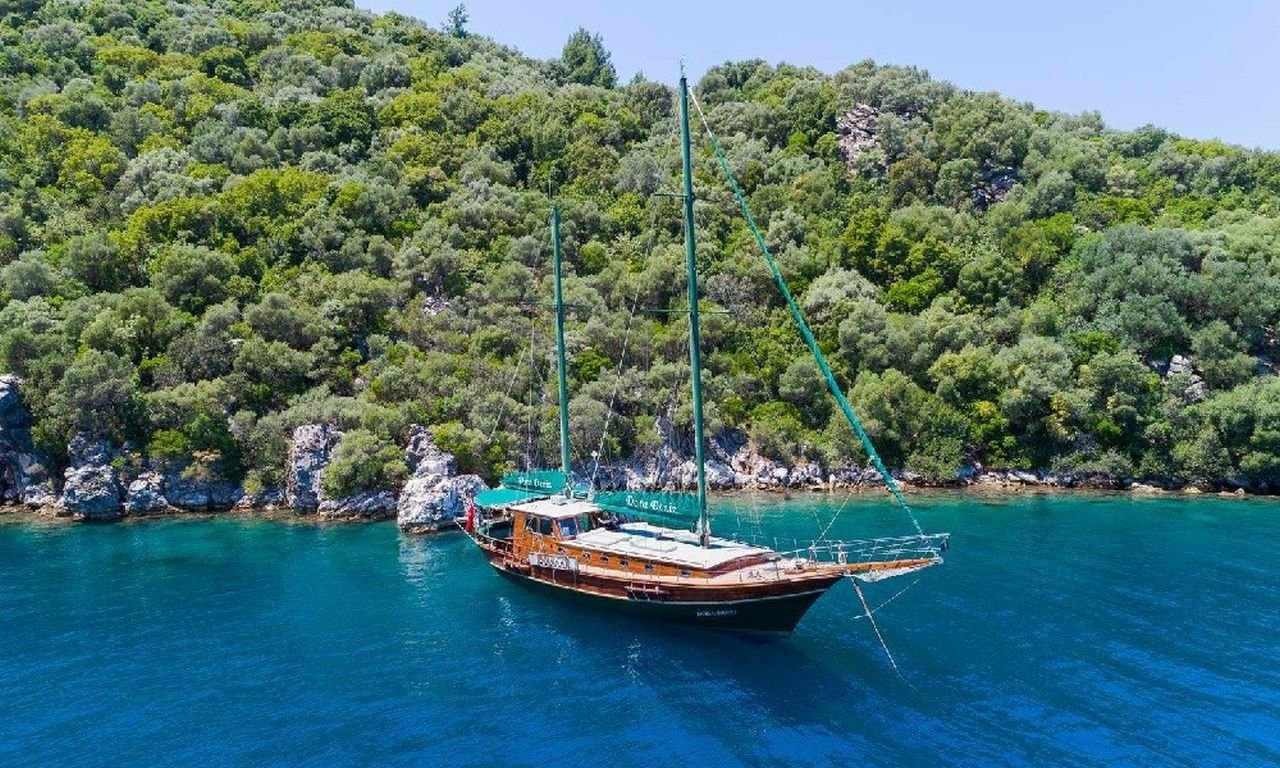
    The Blue Cruise is a popular sailing experience along the southwestern coast of Turkey (mainly the Aegean and Mediterranean coasts). It involves cruising along the turquoise waters on traditional wooden boats, usually gulets, exploring hidden bays, secluded beaches, ancient ruins, and charming coastal towns.

    The name comes from the vivid blue color of the sea and sky combined with the relaxed, luxurious sailing lifestyle. It’s not just a cruise—it’s a cultural, historical, and nature adventure.


    2. Duration of a Blue Cruise

    • Short Cruise: 1–3 days, ideal for a weekend trip. Usually covers a few nearby bays.
    • Standard Cruise: 5–7 days, most popular for fully exploring the Turkish Riviera.
    • Extended Cruise: 10–14 days, perfect for visiting many islands, ancient cities, and remote beaches.

    3. Types of Boats

    Most Blue Cruises are done on gulets, but there are different options:

    1. Classic Gulet: Wooden, spacious, cozy, ideal for authentic experience.
    2. Modern Gulet: Wooden body with modern interior and navigation tools.
    3. Luxury Gulet: High-end gulets with deluxe cabins, jacuzzi, entertainment systems.
    4. Small Gulet / Yacht: Smaller boats for couples or small groups.

    4. Typical Blue Cruise Itinerary

    Here’s a sample 7-day Blue Cruise along the Turkish coast:

    1. Day 1: Bodrum / Marmaris
      • Board the gulet in the afternoon
      • Welcome drinks, orientation, and first dinner on board
    2. Day 2: Bozburun & Cleopatra’s Beach
      • Swim in crystal-clear waters
      • Explore local villages
    3. Day 3: Datça Peninsula & Knidos
      • Visit ancient city of Knidos
      • Anchor in hidden bays for swimming
    4. Day 4: Symi Island (Greece) or local Turkish bays
      • Explore colorful Greek or Turkish villages
      • Evening sailing under the stars
    5. Day 5: Fethiye – Ölüdeniz & Butterfly Valley
      • Swim in lagoons and scenic coves
      • Optional paragliding in Ölüdeniz
    6. Day 6: Göcek & Dalyan
      • Visit ancient Lycian tombs
      • Mud baths and river cruise in Dalyan
    7. Day 7: Return to Marmaris / Bodrum
      • Breakfast, farewell, and disembark

    Most cruises are flexible; routes can be tailored to weather, preferences, or islands to visit.


    5. Activities on a Blue Cruise

    • Swimming & Snorkeling: Explore hidden coves and crystal waters
    • Hiking: Visit ancient ruins and scenic viewpoints
    • Diving / Water Sports: Some gulets provide snorkeling and paddleboards
    • Cultural Visits: Small villages, local markets, Lycian tombs, and Greek islands
    • Relaxation: Sunbathing, reading, stargazing, and enjoying freshly cooked meals onboard

    6. What’s Included in a Typical Blue Cruise

    • Accommodation in cabins (shared or private)
    • Full board meals (breakfast, lunch, dinner)
    • Crew service (captain, cook, sometimes a deckhand)
    • Water, tea, and coffee
    • Some cruises include alcohol or soft drinks; check the package

    Optional costs: Excursions, diving, wine, or transfers to/from airports.


    7. Best Time for Blue Cruise

    • Peak Season: June–September (warm sea, sunny days, calm seas)
    • Shoulder Season: April–May and October (fewer crowds, mild weather)
    • Off-Season: November–March (many gulets inactive, cooler waters)

    8. Popular Starting Points

    • Bodrum – Vibrant nightlife, close to Greek islands
    • Marmaris – Marina hub with many gulets and beaches
    • Fethiye / Göcek – Scenic coves, ideal for Lycia exploration
    • Antalya / Kaş – Less crowded, more remote bays

    9. Tips for Travelers

    • Pack lightweight clothes, swimwear, hat, sunscreen, and comfortable shoes
    • Bring cash for small local purchases
    • Internet may be limited; enjoy a digital detox
    • Respect local customs and nature
    • If prone to seasickness, take medication or acupressure bands

    10. Blue Cruise vs. Regular Cruise

    FeatureBlue CruiseRegular Cruise
    VesselWooden gulet / yachtLarge ferry / cruise ship
    FocusNature, culture, small baysEntertainment, big ports
    Passengers8–20Hundreds to thousands
    PaceSlow, flexibleScheduled, fast
    MealsHome-cooked on boardBuffet / restaurant
    DestinationHidden coves, small islandsPopular ports only

    Blue Cruises are the perfect mix of adventure, relaxation, and culture. Whether you want to explore ancient ruins, swim in turquoise bays, or simply sunbathe with a cocktail, the Blue Voyage has it all.
  • What is a Gulet (Boat)

    What is a Gulet (Boat)

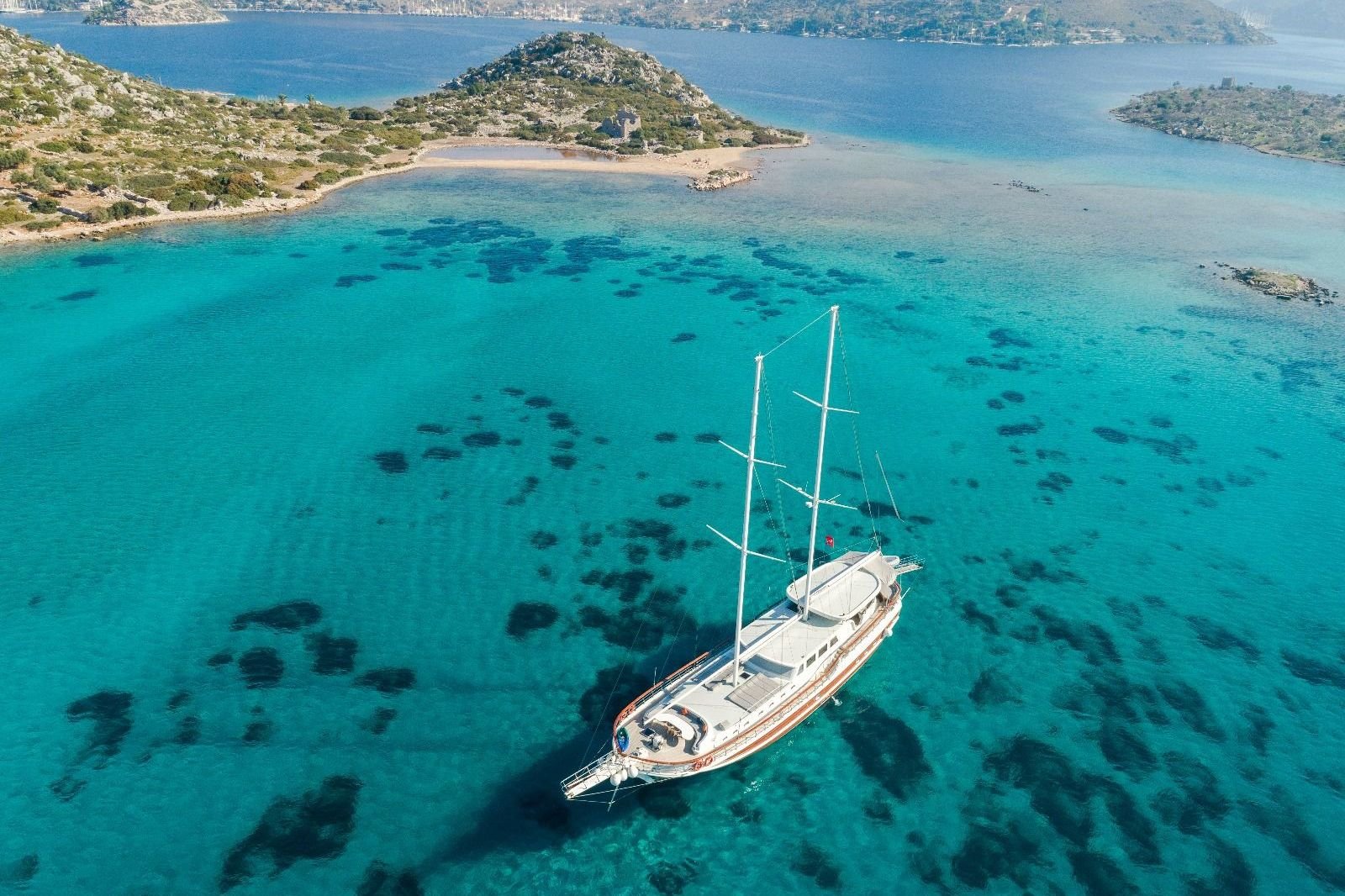
    A gulet is a traditional wooden sailing vessel that originates from the southwestern coast of Turkey, especially around Bodrum, Marmaris, and Fethiye. They are famous for combining classic design with modern comfort and are primarily used for leisure and tourism. Let’s break it down in detail:


    1. Definition

    A gulet is typically a two- or three-masted wooden yacht. They have a broad beam (width), a rounded stern, and a spacious deck and cabin area. Traditionally, gulets were used for fishing, sponge diving, and cargo transport, but today they are mostly leisure boats for cruising along the Mediterranean and Aegean coasts.


    2. Primary Uses

    Today, gulets are mainly used for:

    • Tourism & Charter Cruises: Perfect for private or group vacations along the Turkish coast, Greek islands, and other Mediterranean destinations.
    • Sailing Holidays: Equipped with cabins, bathrooms, kitchens, and living areas for comfortable multi-day cruises.
    • Special Events: Gulets are often rented for weddings, corporate events, or private parties due to their spacious decks.

    3. Characteristics

    • Length: Usually 15–35 meters (50–115 feet). Some luxury gulets exceed 40 meters.
    • Material: Traditionally wood (pine, mahogany, or oak), sometimes reinforced with fiberglass for durability.
    • Sails: Usually have 2 or 3 masts but also have engines for motor sailing.
    • Cabins: Typically 4–10 cabins, accommodating 8–20 passengers.
    • Deck Space: Large open deck for sunbathing, dining, or relaxing.
    • Crewed: Most gulets come with a full crew—captain, cook, and sometimes deckhands.

    4. Types of Gulets

    1. Classic Gulet: Traditional wooden design, spacious and sturdy. Often favored for nostalgia and charm.
    2. Modern Gulet: Wooden frame but with contemporary interiors, luxury amenities, and modern navigation equipment.
    3. Luxury Gulet: High-end gulets with deluxe cabins, Jacuzzi, entertainment systems, and gourmet kitchens.
    4. Small Gulet: 15–20 meters, suitable for families or small groups.
    5. Large Gulet: Over 30 meters, ideal for groups or private charter for events.

    5. Advantages

    • Spacious & Comfortable: More space than typical yachts of similar length.
    • Stable: Broad hull makes them very stable, even in moderate seas.
    • Versatile: Can sail, motor, or anchor in small bays.
    • Authentic Experience: Combines traditional craftsmanship with modern cruising comfort.

    6. Popular Regions for Gulet Cruises

    • Turkey: Bodrum, Marmaris, Fethiye, Göcek
    • Greece: Ionian Islands, Cyclades, Dodecanese
    • Croatia: Dalmatian Coast

  • Yacht charter holidays in Turkey

    motoryacht

    Bareboat charter has recently been introduced as another form of yacht hire in Turkey. The charters are undertaken by representatives who are responsible for putting the passengers on board, looking after them and seeing that they return safely to port. Maintenance crews keep these yachts in optimum condition, but it is the people who undertake the charter themselves who crew the boat. Of course, an experienced skipper accompanies the vessel, but once on board the people who undertake the charter perform all of the tasks – the handling of the sails, the seaman’s chores, meal preparation and housekeeping.

    For those who want to escape all kitchen duties on their holiday, there is at least one restaurant at every anchorage; eating out remains an option.The more adventurous and experienced sailors can charter and pilot smaller (9 to 10 meter) motor yachts. Before setting sail, bareboat companies generally brief their clients on the navigational characteristics of the environment, meteorological conditions, where and how to restock provisions, how to act in an emergency and any other pertinent information.

    sailing

    Flotilla sailing, or Sailing with a group of yachts led by one boat, is another great adventure on the sea. Although an experienced sailor skippers the lead boat, the navigation of each individual boat is left to its crew.