GTurkiye

Category: Tourism

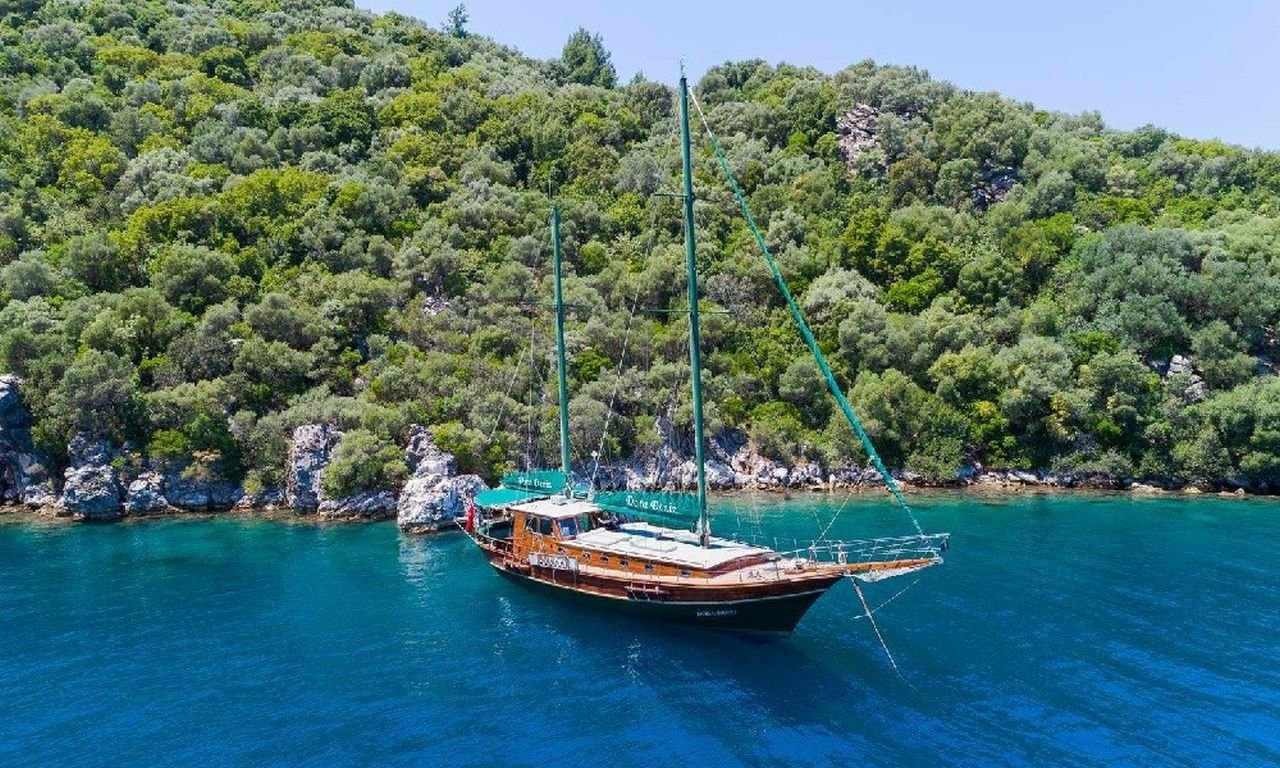
  • Gulf of Hisaronu is one of the most popular spots for your yacht vacation in Turkey

    Gulf of Hisaronu is one of the most popular spots for your yacht vacation in Turkey

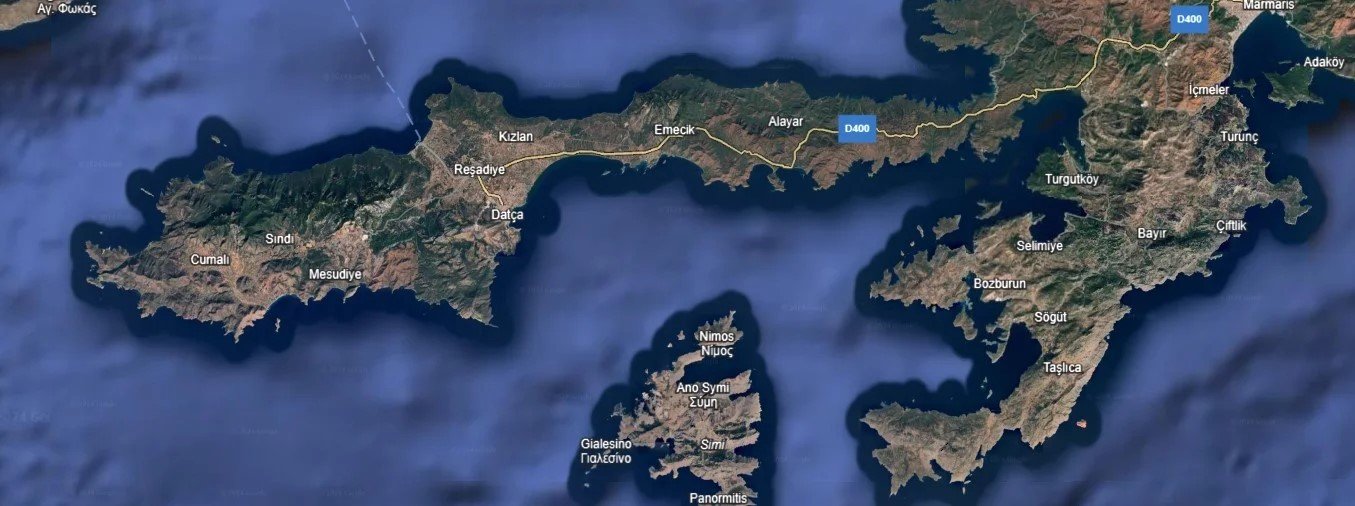
    Hisaronu Korfezi (Gulf of Hisaronu), located on the Datca Peninsula in southwestern Turkey, is a tranquil, scenic Aegean bay known for its crystal-clear turquoise waters, lush green surroundings, and excellent sailing conditions. I

    t is a premier spot for yachting, gulet cruises, and, in its inland, village areas, a popular resort with hiking, horseback riding, and rustic dining.

    To the north lies the Datca Peninsula, to the east the Bozburun Peninsula, and to the south the island of Sombeki. Some popular tourist destinations in Hisaronu Bay include Bencik Bay, Selimiye Bay, Kiz Kumu, and Marti Marina.

    Key Highlights and Activities:
    Sailing & Cruising: The calm, deep blue waters make it a popular destination for “Blue Cruises” (yacht tours). Key spots include Arap Island, Bozukkale (ancient ruins), Dirsekbuku, and Selimiye Village.
    Unique Features: The bay is famous for Kizkumu Beach in Orhaniye, a reddish sandbank that allows visitors to walk in the middle of the sea, often with an ancient castle ruins nearby.
    Inland Village (Hisaronu/Fethiye): Situated between Marmaris and Datca, it offers a quieter alternative to bustling resorts. Popular activities include hiking, Jeep safaris, and horseback riding around the scenic, pine-covered hills.
    Dining & Atmosphere: The region is known for authentic Turkish cuisine, fresh seafood, local honey, and almonds.
    Best Time to Visit: From May to October, the region experiences a Mediterranean climate with hot, dry summers and plenty of sunshine, ideal for water activities.

  • Manavgat Waterfall, a Natural Wonder Worth Seeing in the Mediterranean

    Manavgat Waterfall, a Natural Wonder Worth Seeing in the Mediterranean

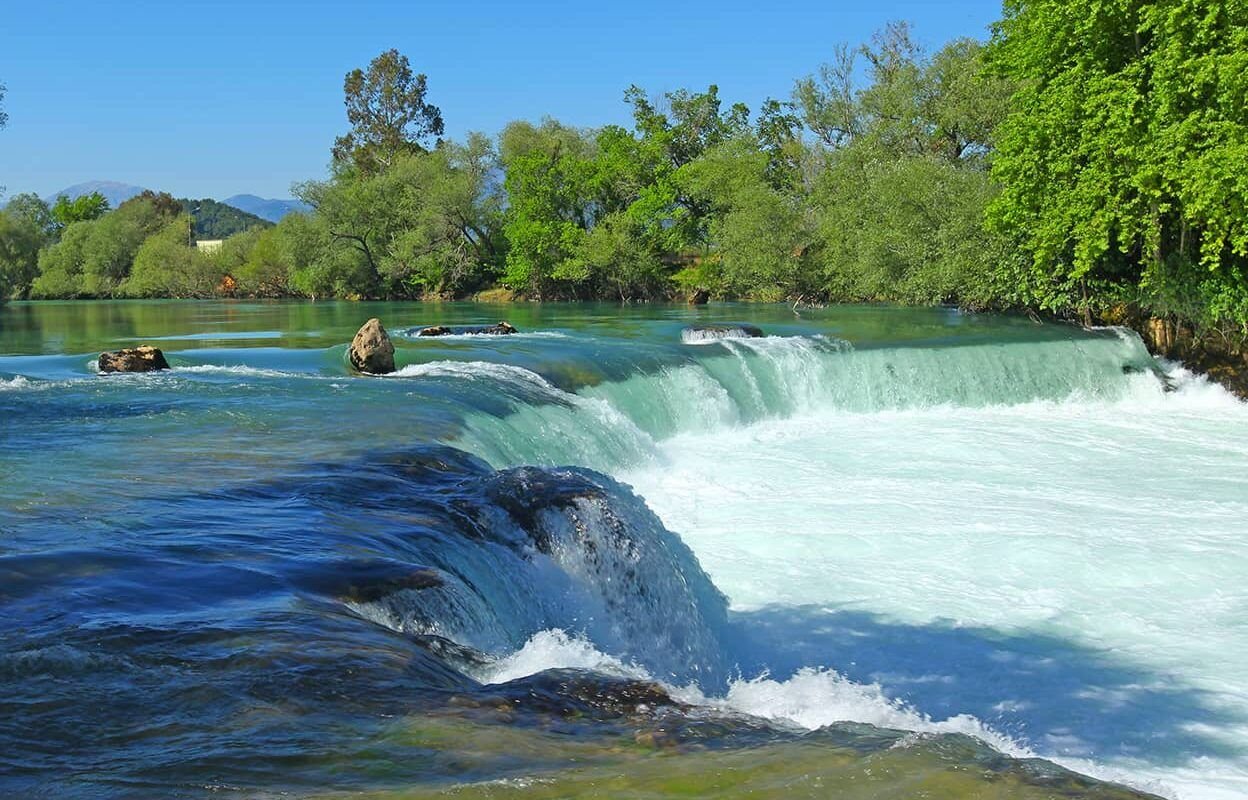
    Originating from the slopes of Mount Şeytan (2130 m), the 94 km long Manavgat River used to supply water to the cities of Seleucia and Side through aqueducts in ancient times. Flowing in a narrow canyon-shaped valley while passing through mountainous and forested areas, the stream continues to flow on the plain after forming an artificial lake of 500 hectares in Oymapınar Dam completed in 1984 and forms a beautiful waterfall to the north of Manavgat district center.

    From the seashore to the Manavgat district center, the stream makes a 7-kilometer estuary, its width is 180 m and its depth is only 4 m where it flows into the sea. There are restaurants, viewing terraces and tea gardens where you can watch the small eddies and listen to the peaceful sound of the water in the shade of plane trees. If you decide to eat here, you can taste the delicious trout grown in the cool waters of the Manavgat River.

  • A treasure house of history and culture, Great Travel, Great Times!

    A treasure house of history and culture, Turkey is a gateway into a world of exciting possibilities. Located at the juncture of Europe and Asia, Turkey is a superb venue for meetings, incentives and conventions. Turkey offers a wealth of first class hotel accommodations and conference facilities, easy access to major cities worldwide, beautiful settings and unequalled sightseeing attractions. All this, plus wonderful weather, and at a much lower cost than at alternative destinations.

    From European centres, Turkey is an ideal destination: exotic, but conveniently close. Flying time into Istanbul is only two or three hours by Turkish Airlines and other national carriers, with transfer connections or direct flights into Izmir, Antalya and Ankara. Daily connections link Istanbul to all major cities in the United States, Middle East and Asia. Sightseeing and entertainment programs can be fully packaged. Istanbul is among the world’s greatest tourism destinations, with an unrivalled setting and a wealth of architectural treasures.

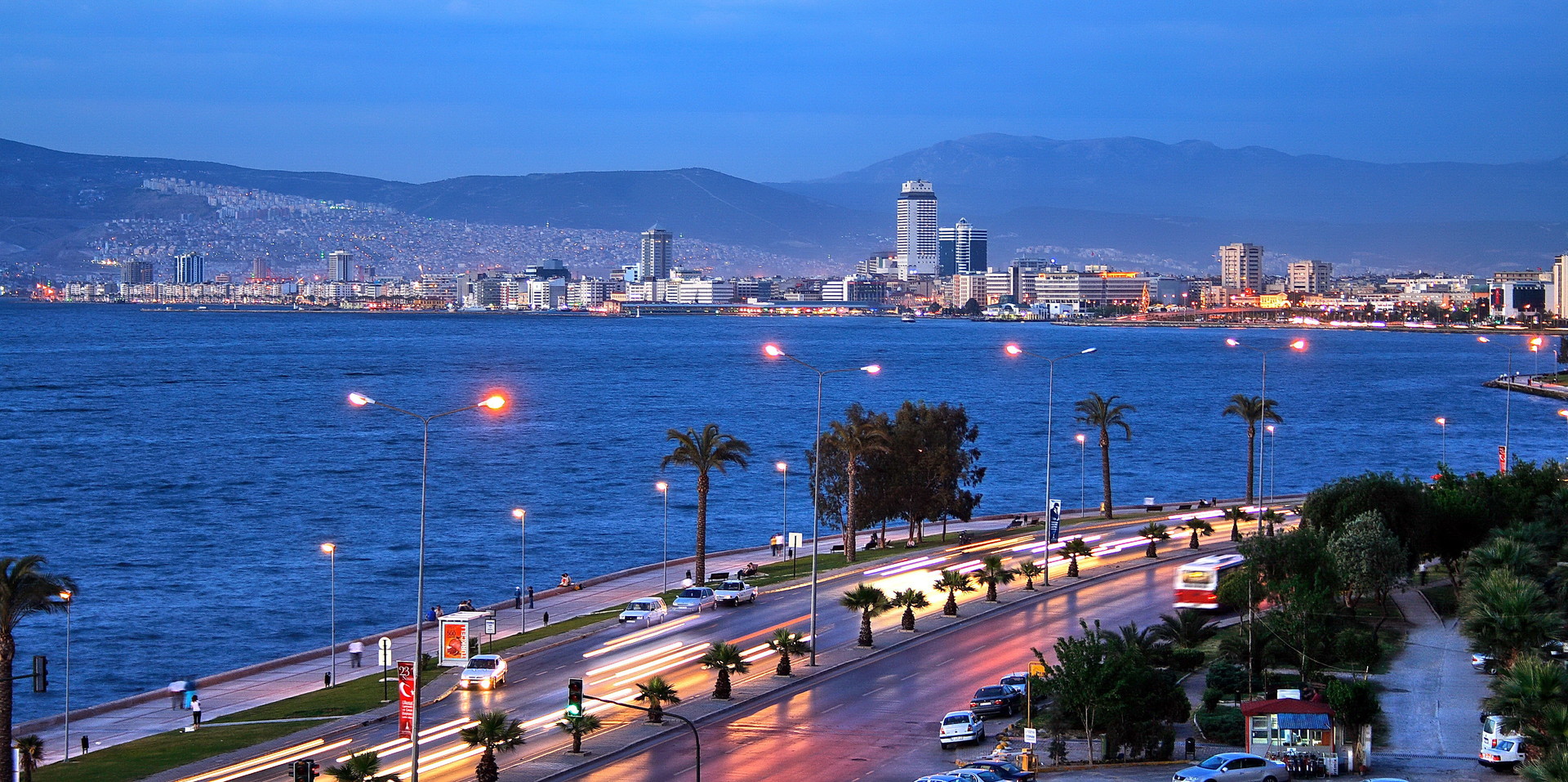
    Izmir, a city of palm trees and ancient ruins, is the gateway to the Aegean region. Charming seaside resorts such as Kusadasi, Marmaris, Bodrum and Fethiye are good choices for sales meetings, incentives and quiet getaways. Antalya, Mersin and the Mediterranean coastal resorts beckon visitors year round to enjoy the sun, the beautiful sandy beaches and its ancient sites. Turkey’s capital city Ankara boasts sophisticated hotels and restaurants, along with easy access to fabled Cappadocia, a wondrous landscape of rock carved churches and underground cities.

    Bursa, the first Ottoman capital offers a picturesque setting, as well as hotels with thermal baths, and excellent skiing on Uludag (Mt. Olympos). Turkey today is well equipped to handle meetings, incentives and conferences of all sorts and sizes in comfort and style. Traditional Turkish hospitality a high standard of local food and wine, and endless possibilities for entertainment and sightseeing guarantee that any conference organised in Turkey will be a resounding success.

  • Priene is one of the best-preserved examples from Antiquity to the present day

    The ancient city of Priene, located in the south of Ephesus, offers the magnificent features of a city dating back to the 4th century. The ancient city of Priene is located 15 kilometers southwest of the Söke district of Aydın, on the southern slopes of Samsun Mountain (Mykale). The first information about this city, which was included in the Ionian League, is found in ancient sources in the 7th century BC. The city was rebuilt in the middle of the 4th century BC on the basis of the plan named after Hippodamos of Miletus. Priene was an episcopal center during the Byzantine period. The city, which is gradually moving away from the sea due to the alluvium carried by the Menderes River, has lost its value over time. It is known that Priene was completely evacuated in the 13th century.

    The fact that the city was built on a steep cliff offered an advantage in terms of defense. Priene is one of the best preserved examples of urban planning from Antiquity to the present day. In this respect, it is extremely important to comprehend the development of urban planning in Anatolia and to set an example for contemporary planning practices. Priene was designed by the famous city planner Hippodamos of Miletus and designed the city on a chessboard plan, with the streets of the Bosphorus intersecting each other at right angles. The main streets run in the east-west direction, and the secondary streets run in the north-south direction. As a whole city, it faces south. This arrangement allowed the Priene houses to receive sunlight in the winter months and the mouths to the roofs of the houses in the summer.

    The plan of Hippodamos divided the city into insulas or islands. Each rectangle measures the area… He had either four houses or an official building. Some structures, such as the stadium and the theater, did not fit into the city plan due to their shape and/or size. In addition to urban planning, there are three monuments that visit Priene: The Priene theater is one of the best examples of Greek-type theaters. This horseshoe-shaped theater is built on the hillside and has a seating capacity of 5000 people. The theater has undergone renovations in different periods of history.

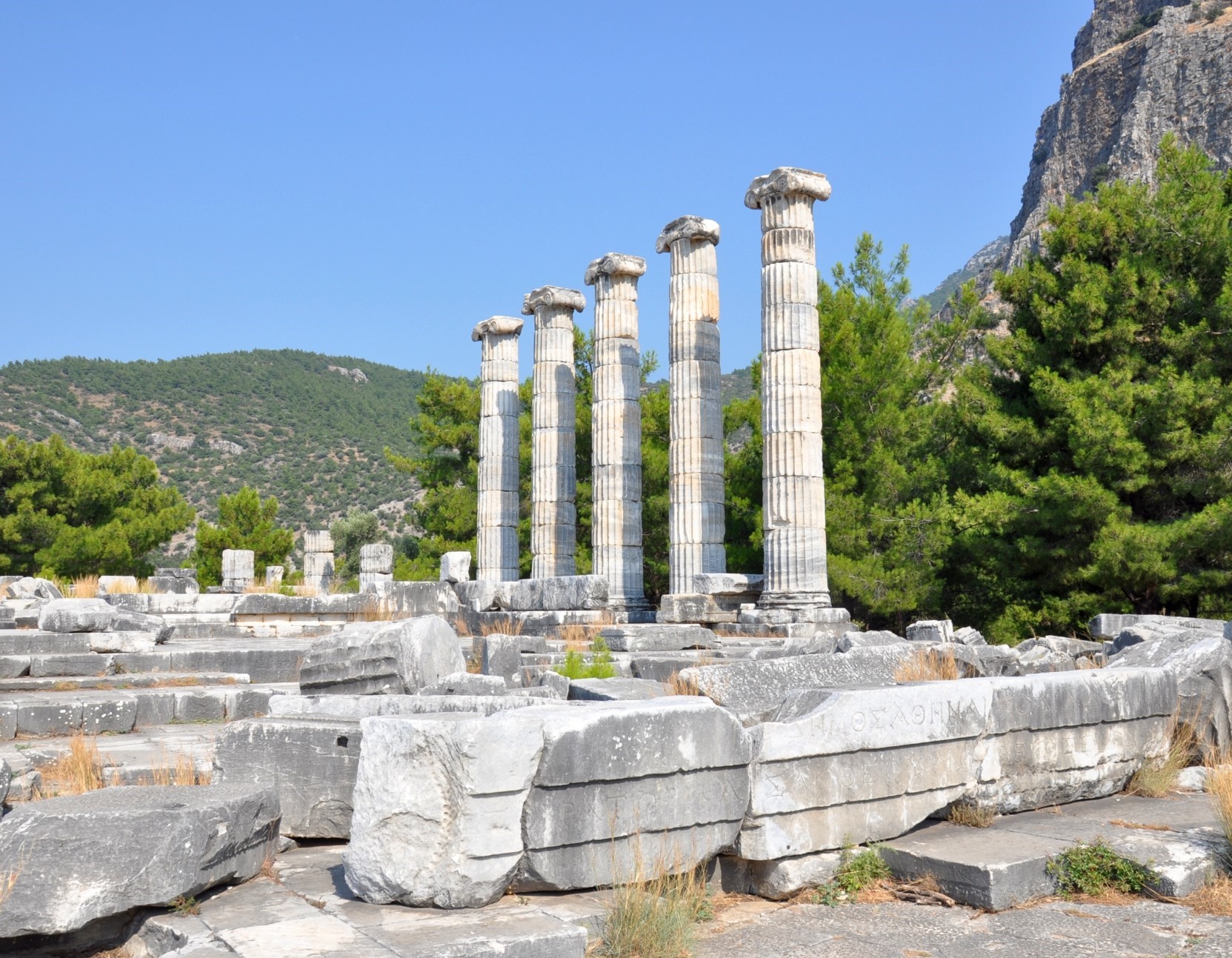
    The Temple of Athena, located about 100 meters above sea level and the Menderes Valley, attracts the attention of visitors. Designed by architect Pytheos, who was also the architect of the Mausoleum in Halicarnassus, this Ionic temple became one of the most famous monuments in Ionia. After his temple in Priene, Pyteos published a book explaining the principles of Ionian architecture. The attributes for which he used this temple became the canonical orders of Ionic architecture.

    In the center of the ancient city, there are many monumental buildings built by well-known architects of the period and skillfully integrated into the city plan. Among the prominent buildings of the city are the Temple of Demeter, the Temple of Athena, the agora, the Temple of Zeus, the bouleuterion, the upper gymnasion, the lower gymnasion, the Temple of the Egyptian Gods, the residence of Alexander the Great, the Byzantine church, and the necropolis area. The theater, another important structure of the city, was built in 350 BC and has a capacity of 5 thousand people. In addition to these, the houses of Priene, one of the best-preserved examples of its kind from the Late Classic and Hellenistic periods, provide valuable information about the settlement history. In this respect, the city is described as the “Pompeii of Anatolia”.

    Buleterion
    The third interesting building in Priene is its charming town hall with seating capacity of 640 people. Town hall where the members of the city council used to meet on the special days of the week was covered over with a wooden roof. The Buleterion is entered through two major doors.
  • Mountaineering tourism in Turkey is highly developed

    Turkey’s magnificent mountains and forests are mostly undeveloped, existing as wonderful natural preserves for an extraordinary variety of wildlife, flora and fauna. Two of Turkey’s most famous peaks are volcanoes, both inactive, Mt. Erciyes in Kayseri in Central Anatolia (3917 m) and Mt. Agri (Mt. Ararat 5137 m) in the East. Other well-known mountain ranges are the Rize Kackar (3932 m) in the Eastern Black Sea region, Nigde Aladag (3756 m) in the Central Taurus range, and the Cilo and Sat Mountains (4136 m) near Hakkari in the Eastern Taurus.

    The mountainous nature of the country has influenced its cultural evolution. For centuries, nomads and semi-nomadic peoples have migrated annually to the fresh pastures of the higher elevations in the summer. These alpine meadows, called yayla, still represent a firm tie to traditional culture.

    For climbers and those interested in mountain geography, Turkey offers a wealth of exploration. Glaciers, volcanoes, and peculiar geological formations such as kars prove irresistible to researchers and students of geology. The challenging terrain offers great opportunities for aficionados of outdoor sports who find interesting experiences on the mountains of Eastern, Central and Southern Turkey. A list of resources to aid an expedition, at whatever level, is to be found below.

    Popular Mountains Of Turkey

    The Munzur Mountains,
    The Bolkar Mountains,
    The Bey Mountains,
    The Suphan Mountain,
    The Nemrut Mountain,
    The Mountain Erciyes,
    The Toros Mountains,
    The Kackar Mountains,
    The Cilo Sat Mountains,
    The Great Agri Mountain

    Popular Climbing Sites
    Kackar Mt. Range (The Black Sea), Antalya – Beydaglar (Mediterranean), Mt. Erciyes (Central Anatolia),
    Nigde Aladaglar (Central Anatolia), Mt. Ararat (Eastern Anatolia), Mt. Suphan (Eastern Anatolia), Bolkar Mountains (Mediterranean), Mercan (Munzur) Mountains (Easter Anatolia)

    Useful Information and Resources on Mountain Tourism and Sport

    Ministry of Tourism, Tourist Information Office
    Ismet Inonu Bulv. No 5, Ankara

    General Directorate of Youth and Sports (Mountaineering Federation) Ulus, Ankara

    General Directorate of Youth and Sports (Skiing Federation) Ulus, Ankara